The Rich Tapestry of Art and Culture: Celebrating Human Creativity and Heritage

Art and culture are the essence of human expression and identity, reflecting the diversity, history, and creativity of societies around the world. From ancient cave paintings to modern digital art, and from traditional dances to contemporary theatre, the realms of art and culture are vast and ever-evolving. In this blog, we will explore the significance of art and culture, delve into various forms and traditions, and celebrate the impact they have on our lives.

The Significance of Art and Culture

Art and culture play a vital role in shaping our world, offering numerous benefits and serving as a testament to human ingenuity and resilience.

  1. Cultural Identity: Art and culture are fundamental in defining and preserving the identity of communities and nations. They transmit values, beliefs, customs, and traditions across generations, fostering a sense of belonging and pride.
  2. Expression and Communication: Art serves as a powerful medium for expressing emotions, ideas, and experiences. Through visual art, music, literature, and performance, artists convey messages that resonate on a deeply personal and universal level.
  3. Historical Record: Cultural artefacts, such as paintings, sculptures, and manuscripts, provide valuable insights into the history and evolution of civilizations. They serve as tangible records of past events, achievements, and societal changes.
  4. Social Commentary: Art often addresses social, political, and environmental issues, prompting reflection and dialogue. It can challenge the status quo, inspire change, and advocate for justice and equality.
  5. Economic Contribution: The cultural and creative industries significantly contribute to the global economy. They generate employment, drive tourism, and promote innovation and entrepreneurship.

Exploring Various Forms of Art

Art encompasses a wide array of forms and mediums, each with its unique characteristics and impact.

  1. Visual Arts:
    • Painting: One of the oldest and most revered forms of art, painting allows artists to create visual compositions using colours, shapes, and textures. Famous movements include Renaissance, Impressionism, and Abstract Expressionism.
    • Sculpture: Sculpture involves shaping materials such as stone, metal, wood, or clay into three-dimensional forms. Iconic sculptures range from ancient Greek statues to contemporary installations.
    • Photography: Photography captures moments in time, offering a lens through which we view the world. It encompasses various genres, including portrait, landscape, documentary, and fine art photography.
  2. Performing Arts:
    • Theatre: Theatre combines acting, dialogue, music, and stagecraft to create immersive storytelling experiences. It includes diverse genres such as drama, comedy, musical theatre, and experimental performances.
    • Dance: Dance is the art of movement, expressed through various styles like ballet, contemporary, hip-hop, and traditional folk dances. It conveys emotions and tells stories through bodily expression.
    • Music: Music is a universal language that transcends cultural boundaries. It encompasses a vast range of genres, from classical and jazz to rock, pop, and electronic. Composers and musicians create melodies and rhythms that evoke powerful emotions.
  3. Literary Arts:
    • Literature: Literature includes written works such as novels, short stories, poetry, and essays. It reflects the human experience, exploring themes of love, conflict, identity, and society.
    • Playwriting: Playwriting is the craft of writing scripts for theatrical performances. Playwrights create characters, dialogue, and plotlines that come to life on stage.
    • Poetry: Poetry is a form of literary expression that uses rhythmic and metaphorical language to evoke emotions and convey profound ideas. It encompasses various styles, from sonnets to free verse.
  4. Digital and Media Arts:
    • Digital Art: Digital art leverages technology to create visual works, including digital paintings, illustrations, and animations. It offers new possibilities for artistic expression and interactive experiences.
    • Film and Television: Film and television are powerful storytelling mediums that combine visual and auditory elements. They entertain, inform, and provoke thought through narrative and documentary formats.
    • Virtual Reality (VR) and Augmented Reality (AR): VR and AR technologies create immersive and interactive artistic experiences. They blend the physical and digital worlds, allowing users to explore new dimensions of creativity.

Celebrating Cultural Heritage and Traditions

Cultural heritage encompasses the traditions, customs, and practices that are passed down through generations. It reflects the collective memory and identity of a community.

  1. Traditional Festivals: Festivals are vibrant celebrations of cultural heritage, featuring music, dance, food, and rituals. Examples include Diwali in India, Carnival in Brazil, and Chinese New Year.
  2. Handicrafts and Artisan Work: Handicrafts are traditional crafts made by skilled artisans using techniques passed down through generations. They include textiles, pottery, jewellery, and woodworking.
  3. Folk Art and Folklore: Folk art and folklore preserve the stories, beliefs, and customs of a community. They are expressed through oral traditions, songs, dances, and visual art.
  4. Cultural Landmarks: Cultural landmarks, such as historical sites, monuments, and museums, serve as tangible connections to the past. They preserve and showcase the rich heritage of a community or nation.

The Impact of Art and Culture on Society

Art and culture have a profound impact on individuals and communities, fostering social cohesion, personal growth, and creative expression.

  1. Education and Learning: Art education enhances cognitive and emotional development, encouraging critical thinking, creativity, and empathy. Cultural programs in schools and communities promote lifelong learning and cultural appreciation.
  2. Community Building: Art and cultural events bring people together, creating shared experiences and fostering a sense of community. They provide platforms for dialogue, collaboration, and mutual understanding.
  3. Mental and Emotional Well-Being: Engaging with art and culture has therapeutic benefits, reducing stress and promoting mental health. Creative activities offer a means of self-expression and emotional release.
  4. Inspiration and Innovation: Art inspires innovation by challenging conventional thinking and encouraging new perspectives. It drives creativity in various fields, from technology to business.

Conclusion

Art and culture are the heartbeats of human civilization, reflecting our shared history, values, and aspirations. They enrich our lives, inspire our imaginations, and connect us across time and space. By celebrating and preserving diverse artistic traditions and cultural heritage, we honour the creativity and resilience of humanity. Embrace the world of art and culture, explore its myriad forms, and discover the profound impact


The Magic of Arts & Entertainment

Introduction:

Arts and entertainment hold a special place in human culture, offering a window into our souls and reflecting the diversity of our experiences. They provide escapism, provoke thought, and bring people together in ways that few other things can.

1. The Evolution of Arts:

Ancient Times:

  • Art began with early humans creating cave paintings in places like Lascaux and Altamira. These artworks depicted animals, hunting scenes, and even early forms of human life. Sculptures such as the Venus of Willendorf are some of the earliest representations of the human form.

Renaissance Era:

  • This period marked a rebirth of art, culture, and intellect. Artists like Leonardo da Vinci, Michelangelo, and Raphael pushed boundaries, creating timeless works such as the Mona Lisa and the Sistine Chapel ceiling. The Renaissance also saw a profound interest in human anatomy, perspective, and the natural world, influencing countless artists.

Modern Art:

  • The 19th and 20th centuries saw a dramatic shift with movements like Impressionism, Cubism, Surrealism, and Abstract Expressionism. Artists like Claude Monet, Pablo Picasso, Salvador Dali, and Jackson Pollock revolutionized the way art was perceived and created. Modern art is characterized by its diversity and its willingness to challenge conventional norms.

2. Performing Arts:

Theater:

  • From the ancient Greek tragedies of Sophocles and Euripides to the grand spectacles of Shakespearean plays, theater has always been a powerful medium of storytelling. Modern theater includes not only traditional plays but also musicals like “Les Misérables” and avant-garde productions that push the boundaries of performance art.

Dance:

  • Dance forms such as ballet have their roots in the Renaissance courts of Italy and France, while modern dance pioneers like Martha Graham brought a new level of emotional expression to the art. Cultural dances from around the world, such as Indian Bharatanatyam, African tribal dances, and Latin American salsa, showcase the rich diversity of human movement.

Music:

  • Music has evolved from classical compositions by Beethoven and Mozart to contemporary genres like pop, rock, hip-hop, and electronic music. Each genre has its own history and cultural significance, from the rebellious spirit of rock ‘n’ roll to the innovative beats of EDM.

3. Cinema:

History of Film:

  • The journey of cinema began with the silent films of the late 19th century, evolving with the introduction of sound (talkies) in the 1920s. The Golden Age of Hollywood in the 1940s and 1950s saw the rise of iconic stars and unforgettable films like “Gone with the Wind” and “Casablanca.”

Genres and Trends:

  • Cinema encompasses a wide range of genres, including drama, comedy, horror, action, and science fiction. Streaming platforms like Netflix and Amazon Prime have transformed how we consume films, offering unprecedented access to global cinema.

Iconic Films and Directors:

  • Directors such as Alfred Hitchcock, Stanley Kubrick, and Steven Spielberg have left an indelible mark on cinema with masterpieces like “Psycho,” “2001: A Space Odyssey,” and “E.T.”

4. Television:

Evolution of TV:

  • Television has come a long way since its inception, moving from black-and-white broadcasts to high-definition and streaming services. The advent of cable TV in the 1980s and the internet in the 21st century have revolutionized the medium.

Popular TV Shows:

  • Shows like “Friends,” “Game of Thrones,” and “Breaking Bad” have become cultural phenomena, influencing fashion, language, and even societal norms.

Reality TV and Documentaries:

  • Reality TV shows like “Survivor” and “The Real Housewives” offer a glimpse into diverse lifestyles, while documentaries such as “Planet Earth” provide in-depth explorations of our world.

5. Digital Arts:

Video Games:

  • Video games have evolved from simple pixelated graphics to immersive experiences with intricate storylines and lifelike graphics. Titles like “The Legend of Zelda,” “The Last of Us,” and “Minecraft” have pushed the boundaries of creativity and storytelling.

Digital Art:

  • Digital art encompasses a wide range of creations, from digital paintings and animations to virtual reality experiences. Artists use software like Adobe Photoshop, Procreate, and Blender to bring their visions to life.

6. Cultural Significance:

Arts as a Reflection of Society:

  • Arts and entertainment often reflect societal changes, political movements, and historical events. From the protest songs of the 1960s to the socially conscious films of today, art can be a powerful tool for change.

Global Influence:

  • The arts are a universal language that transcends borders, fostering cultural exchange and mutual understanding. Hollywood films, K-pop music, and Bollywood movies are just a few examples of how entertainment can bridge cultural gaps.

Conclusion:

Arts and entertainment are integral to our lives, shaping our perceptions, emotions, and interactions. They provide a canvas for expressing the human experience, in all its beauty and complexity. Whether through a mesmerizing painting, a captivating film, or an inspiring dance performance, the world of arts and entertainment invites us to explore, dream, and connect.

Capturing Life: The Art of Street Photography

Introduction: Street photography is an intriguing and dynamic genre of photography that captures the essence of everyday life. It offers a candid glimpse into the human condition, often portraying spontaneous moments, urban landscapes, and the raw beauty of daily existence. This article explores the history, techniques, ethical considerations, and impact of street photography.

1. The History of Street Photography:

Early Beginnings:

  • The roots of street photography can be traced back to the early 20th century, with pioneers like Eugène Atget, who documented the streets of Paris. His work laid the foundation for future street photographers by capturing the architecture and daily life of the city.

The Humanistic Approach:

  • Photographers such as Henri Cartier-Bresson, often considered the father of modern street photography, introduced the concept of the “decisive moment.” His ability to capture fleeting moments with precision and artistry set a new standard for the genre.

Post-War Evolution:

  • After World War II, street photography evolved with photographers like Robert Frank and Garry Winogrand. Frank’s seminal work “The Americans” provided a candid look at American society, while Winogrand’s chaotic and energetic images showcased the vibrancy of New York City.

2. Techniques and Approaches:

Candid Moments:

  • The hallmark of street photography is its candid nature. Photographers often capture unposed and spontaneous moments that reflect genuine human interactions and emotions. This requires quick reflexes and an unobtrusive presence.

Composition and Framing:

  • Effective composition is crucial in street photography. Techniques such as the rule of thirds, leading lines, and symmetry can guide the viewer’s eye and create visually compelling images. Framing can be used to isolate subjects and add context to the scene.

Lighting and Shadows:

  • Street photographers often rely on natural light to create mood and atmosphere. The interplay of light and shadows can add depth and drama to a photograph. Golden hour (early morning or late afternoon) is particularly favoured for its soft, warm light.

Use of Colour and Black & White:

  • While black and white photography is traditional in street photography for its timeless and classic feel, colour can be used to highlight contrasts, convey emotions, and add layers of meaning to an image.

3. Equipment and Settings:

Camera Choices:

  • Street photographers often prefer compact and discreet cameras that allow for quick and unobtrusive shooting. Mirrorless cameras, rangefinders, and even smartphones are popular choices due to their portability and versatility.

Lenses:

  • Prime lenses with focal lengths between 28mm and 50mm are commonly used in street photography. These lenses provide a natural field of view that closely resembles human vision, making them ideal for capturing candid moments.

Camera Settings:

  • To be ready for spontaneous moments, street photographers often use aperture priority or manual mode. A wide aperture (low f-stop) can create a shallow depth of field, while a higher ISO setting can compensate for low light conditions.

4. Ethical Considerations:

Respect and Privacy:

  • Street photography often involves photographing people without their explicit consent. It’s important to respect individuals’ privacy and be mindful of cultural and legal differences regarding photography in public spaces.

Approach and Interaction:

  • Being discreet and respectful is key. Some photographers prefer a more confrontational approach, engaging with their subjects, while others take a more fly-on-the-wall stance. Building a rapport can sometimes lead to more intimate and compelling images.

Storytelling and Representation:

  • Street photographers have a responsibility to portray their subjects with dignity and respect. Avoiding stereotypes and ensuring that images tell a truthful and balanced story is crucial.

5. Impact and Influence:

Social Commentary:

  • Street photography has the power to document social issues, cultural shifts, and urban changes. It can raise awareness and spark conversations about topics such as poverty, inequality, and community.

Artistic Expression:

  • Beyond documentation, street photography is a form of artistic expression. It allows photographers to experiment with composition, light, and narrative to create visually striking and thought-provoking images.

Influence on Other Genres:

  • The techniques and principles of street photography have influenced other genres, such as fashion, portrait, and documentary photography. Its emphasis on authenticity and spontaneity has permeated various photographic styles.

Conclusion:

Street photography is more than just capturing random images on the street; it is an art form that requires skill, patience, and a keen eye for detail. It tells the stories of everyday life, reflecting the beauty and complexity of human existence. Whether you’re an aspiring photographer or an admirer of the art, street photography invites you to see the world through a different lens, finding extraordinary moments in ordinary places.

Sound Design: Crafting the Sonic Experience

Introduction: Sound design is an intricate and creative process that involves creating, manipulating, and combining audio elements to enhance the storytelling and emotional impact of various media, including films, video games, theatre, and music. It is both an art and a science, requiring a keen ear, technical skills, and a deep understanding of how sound influences perception and emotion. This article delves into the history, techniques, tools, and impact of sound design.

1. The History of Sound Design:

Early Beginnings:

  • Sound design as a profession began to take shape with the advent of radio dramas and early cinema. Foley artists, named after Jack Foley, pioneered techniques for creating sound effects that matched on-screen actions, such as footsteps and door creaks.

The Golden Age of Cinema:

  • The 1930s to 1950s marked a significant era for sound design in film. Innovations in recording and playback technology allowed for more sophisticated and immersive soundscapes. Films like “Citizen Kane” (1941) showcased ground-breaking sound design techniques that added depth and realism to the storytelling.

Modern Sound Design:

  • The digital revolution of the late 20th century brought about significant changes in sound design. With the introduction of digital audio workstations (DAWs) and advanced recording equipment, sound designers gained unprecedented control and flexibility over their creations. This era saw the rise of iconic sound designers like Ben Burtt, who crafted the sounds for “Star Wars,” and Walter Murch, known for his work on “Apocalypse Now.”

2. Techniques and Processes:

Field Recording:

  • Field recording involves capturing natural sounds from various environments, such as urban streets, forests, or industrial sites. These recordings serve as raw material for sound design, providing authentic ambient sounds and unique textures.

Foley Artistry:

  • Foley artists recreate everyday sounds that are added to films and TV shows to enhance the realism of the on-screen action. This includes footsteps, clothing rustle, and prop handling. The process involves performing these sounds in sync with the visual content to create a seamless auditory experience.

Sound Editing:

  • Sound editing involves selecting, modifying, and arranging audio elements to fit the narrative. This includes cutting and splicing sound clips, adjusting volumes, and synchronizing audio with visual content. Sound editors use various tools and techniques to ensure smooth transitions and coherence in the soundscape.

Synthesis and Sampling:

  • Sound synthesis involves generating audio signals from scratch using electronic instruments and software synthesizers. Sampling, on the other hand, involves using pre-recorded sounds that are manipulated and integrated into the sound design. Both techniques are essential for creating unique and otherworldly soundscapes.

Mixing and Mastering:

  • Mixing involves balancing different audio elements, adjusting levels, and applying effects such as reverb, delay, and EQ to create a cohesive and immersive auditory experience. Mastering is the final step, ensuring that the audio is polished and optimized for various playback systems.

3. Tools and Technologies:

Digital Audio Workstations (DAWs):

  • DAWs like Pro Tools, Logic Pro, and Ableton Live are essential tools for sound designers. They provide a platform for recording, editing, mixing, and mastering audio with precision and efficiency.

Plugins and Effects:

  • Plugins are software components that extend the functionality of DAWs. They include virtual instruments, effects processors, and sound libraries. Popular plugins include Waves, Fab Filter, and Native Instruments, offering a vast array of creative possibilities.

Microphones and Recording Equipment:

  • High-quality microphones and recording devices are crucial for capturing pristine audio. Different types of microphones, such as condenser, dynamic, and ribbon microphones, are used based on the recording environment and the desired sound characteristics.

Sound Libraries:

  • Sound libraries provide a vast collection of pre-recorded sounds that can be used in sound design projects. These libraries include everything from animal noises and environmental sounds to sci-fi effects and musical loops. Companies like Sound Ideas and Boom Library offer extensive sound libraries for professional use.

4. Applications and Impact:

Film and Television:

  • Sound design in film and television is essential for creating atmosphere, enhancing storytelling, and immersing the audience in the narrative. Iconic soundscapes, like the eerie silence of space in “Gravity” or the bustling streets of New York in “The Marvellous Mrs. Maisel,” demonstrate the power of sound design.

Video Games:

  • In video games, sound design plays a critical role in creating immersive and interactive experiences. Dynamic soundscapes respond to player actions, enhancing gameplay and emotional engagement. Games like “The Last of Us” and “Cyberpunk 2077” feature intricate sound design that adds depth and realism to the virtual worlds.

Theatre and Live Performances:

  • Sound design in theatre involves creating audio elements that support the narrative and enhance the live experience. This includes ambient sounds, music, and sound effects that complement the action on stage. Innovative sound design can transform a theatre production, making it more engaging and impactful.

Music Production:

  • In music production, sound design contributes to the overall texture and character of a track. From electronic music to film scores, sound designers work closely with composers and producers to create unique and memorable sounds.

5. The Future of Sound Design:

Virtual Reality (VR) and Augmented Reality (AR):

  • VR and AR technologies are opening new frontiers for sound design. Immersive 3D audio experiences are being developed to enhance the sense of presence and realism in virtual environments. Binaural recording and spatial audio techniques are at the forefront of this innovation.

Artificial Intelligence (AI):

  • AI is beginning to play a role in sound design, with machine learning algorithms capable of generating and manipulating audio in novel ways. AI tools can assist in tasks like audio restoration, noise reduction, and even the creation of new soundscapes.

Environmental and Accessible Sound Design:

  • There is a growing emphasis on creating environmentally sustainable sound practices and making sound design accessible to all. This includes using eco-friendly materials, minimizing noise pollution, and designing audio experiences that cater to individuals with hearing impairments.

Conclusion:

Sound design is a vital and dynamic field that shapes our auditory experiences across various media. It requires a blend of artistic creativity and technical expertise, pushing the boundaries of how we perceive and interact with sound. As technology continues to evolve, the possibilities for innovation in sound design are endless, promising even more immersive and engaging auditory experiences in the future.

Laughing Matters: The Art and Impact of Humour & Satire

Introduction: Humour and satire have been integral parts of human culture for centuries, providing not only entertainment but also a means to critique society, politics, and human behaviour. These forms of expression tap into our innate need for laughter and reflection, blending wit with wisdom. This article explores the history, techniques, and societal impact of humour and satire.

1. The History of Humour & Satire:

Ancient Roots:

  • The origins of humour and satire can be traced back to ancient civilizations. In Ancient Greece, playwrights like Aristophanes used comedic plays to mock political leaders and societal norms. His works, such as “Lysistrata,” showcased humour’s power to entertain and provoke thought.

Medieval and Renaissance Periods:

  • During the Middle Ages, humour was often found in the form of jesters and troubadours who entertained courts with their wit and storytelling. The Renaissance saw a resurgence of satire, with writers like Geoffrey Chaucer and William Shakespeare using humour to critique human folly and vice.

18th to 19th Centuries:

  • The Age of Enlightenment and the subsequent centuries were golden eras for satirical writing. Jonathan Swift’s “A Modest Proposal” and Voltaire’s “Candide” are seminal works that used satire to address social and political issues of their time. This period also saw the rise of cartoons and caricatures as popular forms of satirical expression.

2. Techniques of Humour & Satire:

Irony:

  • Irony involves saying the opposite of what is meant, often to highlight absurdity or contradictions. It can be verbal, situational, or dramatic. For example, Jonathan Swift’s suggestion of eating babies to solve hunger in “A Modest Proposal” is a classic use of irony to criticize social policies.

Parody:

  • Parody involves imitating the style or content of a particular genre, artist, or work to create humour. It exaggerates or distorts the original to highlight its flaws or to entertain. Movies like “Scary Movie” parody the horror genre by mimicking and mocking its conventions.

Exaggeration and Hyperbole:

  • These techniques involve overstating certain elements to a ridiculous degree to create humour. Exaggeration can make a situation seem more important or dramatic than it is, while hyperbole is an extreme form of exaggeration, such as saying “I’m so hungry I could eat a horse.”

Wit and Wordplay:

  • Clever use of language, puns, and quick-thinking responses are hallmarks of wit. Shakespeare’s comedies, like “Much Ado About Nothing,” are filled with witty exchanges and wordplay that entertain and engage audiences.

Satirical Devices:

  • Satirical devices include sarcasm, parody, irony, and juxtaposition. These tools help satirists highlight the follies and vices of individuals, institutions, or societies. Political cartoons, for example, use visual satire to comment on current events.

3. Modern Forms of Humour & Satire:

Stand-Up Comedy:

  • Stand-up comedians like George Carlin, Richard Pryor, and more recently, John Mulaney, use humour to address a wide range of topics, from everyday life to controversial social issues. Their performances often blend personal anecdotes with sharp observations.

Television and Movies:

  • TV shows like “The Daily Show,” “Saturday Night Live,” and “Veep” use satire to critique politics and society. Movies like “Dr. Strangelove” and “The Great Dictator” use humour to tackle serious themes such as war and totalitarianism.

Online Platforms:

  • Social media and platforms like YouTube have given rise to a new generation of satirists. Meme culture, web comics, and satirical news sites like “The Onion” use digital tools to spread humour and commentary quickly and widely.

Literature and Comics:

  • Authors like Terry Pratchett and Douglas Adams use humour in their novels to explore fantastical worlds and philosophical questions. Comics, both in print and web-based, continue to be a popular medium for satire.

4. The Impact of Humour & Satire:

Social Commentary:

  • Humour and satire serve as powerful tools for social commentary, highlighting injustices, hypocrisy, and the absurdities of human behaviour. They can provoke thought and discussion, making audiences reflect on societal issues.

Political Influence:

  • Satirical works can influence public opinion and political discourse. Shows like “Last Week Tonight with John Oliver” and comedians like Trevor Noah use humour to educate audiences on complex issues, potentially swaying public sentiment.

Emotional and Psychological Benefits:

  • Laughter has numerous benefits, including reducing stress, improving mood, and fostering social bonds. Humour can provide relief from tension and create a sense of community among those who share in the joke.

Cultural and Cross-Cultural Connections:

  • Humour is a universal language that transcends cultural barriers. While what is considered funny can vary across cultures, the fundamental human response to humour helps bridge gaps and fosters understanding.

5. Ethical Considerations:

Boundaries of Humour:

  • While humour can be a powerful tool, it is important to consider its ethical boundaries. Jokes that perpetuate stereotypes, spread misinformation, or harm marginalized groups can be detrimental rather than constructive.

Responsibility of Satirists:

  • Satirists have a responsibility to use their platform wisely. They should strive to punch up, rather than punch down, using humour to challenge those in power rather than target vulnerable populations.

Conclusion:

Humour and satire are essential aspects of human expression, offering a lens through which we can view and critique the world. They entertain, enlighten, and provoke, reminding us not to take life too seriously while urging us to reflect on its complexities. Whether through a clever pun, a biting piece of satire, or a humorous anecdote, humour enriches our lives and connects us in laughter.

Capturing Moments: The Art and Science of Photography

Introduction: Photography, an art form that marries creativity with technology, has revolutionized the way we capture and interpret the world around us. From the early days of daguerreotypes to the digital era, photography has evolved into a powerful medium for storytelling, documentation, and artistic expression.

1. The History of Photography:

Early Beginnings:

  • Photography’s roots can be traced back to the 19th century with the invention of the camera obscura and the first permanent photograph created by Joseph Nicéphore Niépce in 1826. This paved the way for the daguerreotype, introduced by Louis Daguerre in 1839, which became widely popular.

Advancements in Technology:

  • Throughout the 19th and 20th centuries, photography saw numerous technological advancements, including the introduction of roll film by George Eastman, founder of Kodak. The invention of the 35mm film camera by Leica in 1925 and Polaroid instant cameras in the 1940s further democratized photography, making it accessible to a broader audience.

Digital Revolution:

  • The late 20th century brought the digital revolution, with the first digital camera created by Kodak engineer Steven Sasson in 1975. Digital cameras and smartphones have since transformed photography, allowing instant capture, editing, and sharing of images.

2. The Elements of Photography:

Composition:

  • Composition refers to the arrangement of elements within a frame. Techniques like the rule of thirds, leading lines, symmetry, and framing are essential for creating visually appealing photographs.

Lighting:

  • Lighting is crucial in photography, as it affects the mood, tone, and clarity of an image. Natural light, artificial light, and techniques like backlighting and silhouette play a significant role in photography.

Exposure:

  • Exposure determines how light or dark an image will be. It is controlled by three key settings: aperture (f-stop), shutter speed, and ISO. Mastering these settings is fundamental for achieving the desired effect in a photograph.

Focus and Depth of Field:

  • Focus refers to the sharpness of an image, while depth of field is the area of the image that appears in focus. Techniques like selective focus and bokeh (background blur) can add creative elements to a photo.

3. Types of Photography:

Portrait Photography:

  • Focuses on capturing the personality and essence of individuals or groups. Techniques include lighting, posing, and background selection to highlight the subject’s features.

Landscape Photography:

  • Emphasizes natural scenery, often capturing expansive views of mountains, forests, and seascapes. Timing, lighting, and composition are vital for creating stunning landscape photos.

Street Photography:

  • Captures candid moments of everyday life in public places. It often highlights the spontaneity and diversity of urban environments, telling stories through unposed, real-life scenes.

Wildlife Photography:

  • Involves photographing animals in their natural habitats. Patience, timing, and specialized equipment like telephoto lenses are crucial for capturing elusive wildlife moments.

Macro Photography:

  • Focuses on extreme close-ups, often of small subjects like insects, flowers, and textures. Macro lenses and attention to detail are essential for revealing the intricate beauty of the microscopic world.

4. The Impact of Photography:

Historical Documentation:

  • Photography has played a vital role in documenting historical events, from wars and natural disasters to social movements and cultural shifts. Iconic photographs like the “Raising the Flag on Iwo Jima” and the “Tank Man” of Tiananmen Square have left indelible marks on history.

Artistic Expression:

  • Photographers like Ansel Adams, Henri Cartier-Bresson, and Annie Leibovitz have elevated photography to an art form, using their cameras to convey emotion, beauty, and narrative.

Social Change:

  • Photojournalism has the power to raise awareness and inspire action. Images capturing the realities of poverty, conflict, and environmental issues can evoke empathy and drive social change.

5. Modern Photography and Technology:

Digital Cameras:

  • Digital cameras, ranging from DSLRs to mirrorless models, offer advanced features like high-resolution sensors, fast autofocus, and versatile lenses, making them popular among professionals and enthusiasts.

Smartphone Photography:

  • The rise of smartphone photography has democratized the medium, allowing anyone to capture and share high-quality images instantly. Apps and filters provide creative tools to enhance photos.

Drones and Aerial Photography:

  • Drones have opened new vistas in photography, enabling stunning aerial shots of landscapes, cities, and events. They offer unique perspectives and have become valuable tools for photographers and videographers.

Social Media Influence:

  • Platforms like Instagram, Pinterest, and Flickr have transformed photography into a social activity, where sharing and discovering images inspire creativity and connection among users worldwide.

Conclusion:

Photography is more than just capturing images; it’s a means of storytelling, preserving memories, and expressing creativity. As technology continues to evolve, the art of photography will undoubtedly keep pushing boundaries, offering new ways to see and experience the world. Whether you’re an amateur or a professional, photography invites you to explore, experiment, and create.

Thriving in the World of Business & Entrepreneurship

In the dynamic landscape of business and entrepreneurship, innovation and strategy are key to driving success. Whether you’re an aspiring entrepreneur, a seasoned business owner, or simply interested in the intricacies of the business world, understanding the core principles and staying ahead of trends is crucial. This blog delves into the essential aspects of starting and growing a business, exploring trends, challenges, and strategies for thriving in today’s competitive market.

The Essence of Entrepreneurship

Entrepreneurship is the process of creating, developing, and managing a business venture to achieve desired goals and drive economic progress. At its core, entrepreneurship involves identifying opportunities, taking calculated risks, and innovating to bring new ideas to life.

  1. Identifying Opportunities: Successful entrepreneurs are adept at recognizing gaps in the market and identifying opportunities for innovation. This requires a keen understanding of consumer needs, industry trends, and potential solutions.
  2. Risk Management: Entrepreneurship involves taking risks, but successful entrepreneurs manage these risks through careful planning, market research, and financial management. Balancing risk and reward is essential for sustainable growth.
  3. Innovation: Innovation is the lifeblood of entrepreneurship. It involves creating new products, services, or processes that offer unique value to customers. Entrepreneurs must foster a culture of creativity and continuous improvement.
  4. Resilience and Adaptability: The entrepreneurial journey is often fraught with challenges and setbacks. Resilience and adaptability are crucial traits for navigating uncertainty, learning from failures, and pivoting strategies when necessary.

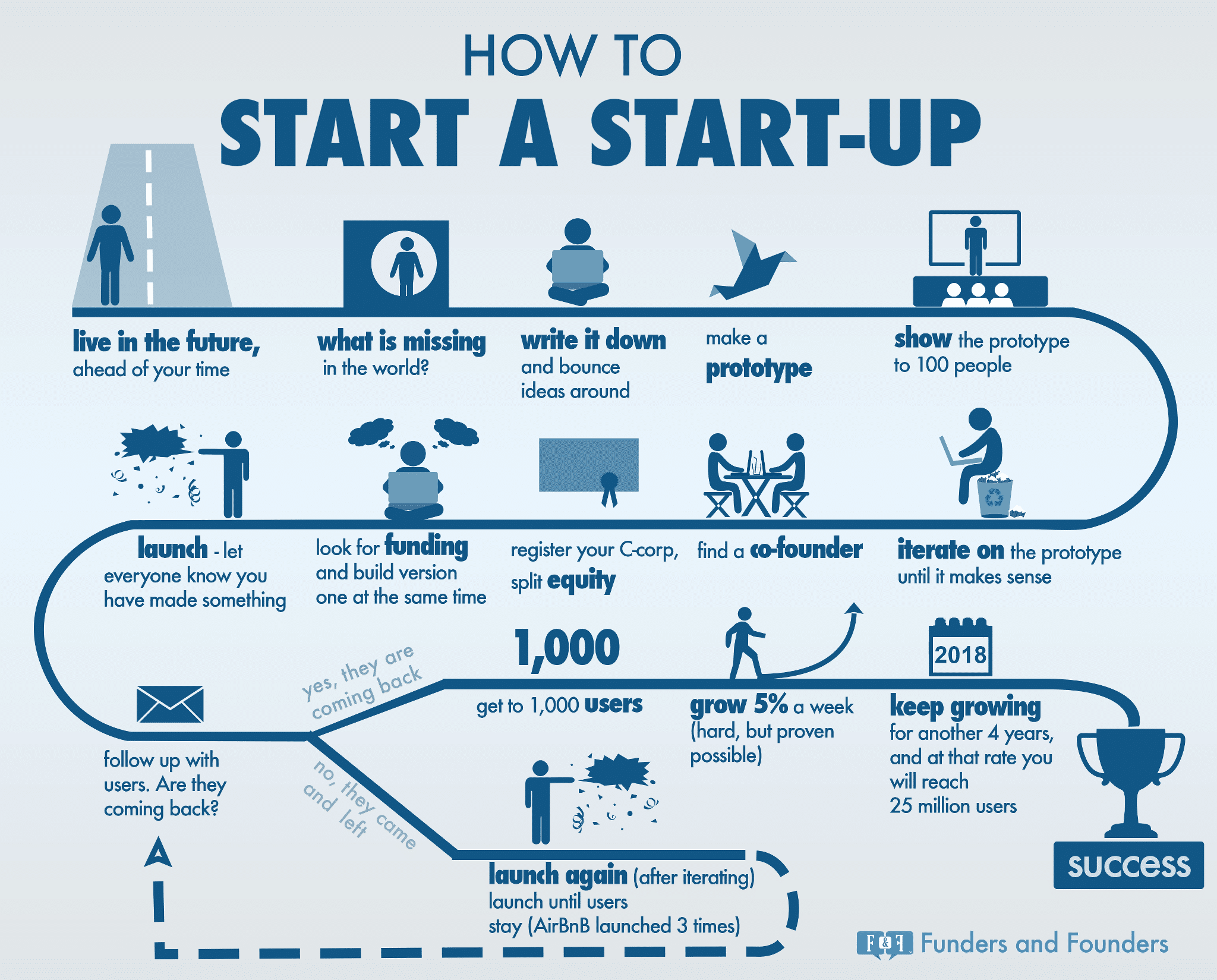
Key Steps to Starting a Business

  1. Idea Generation and Validation:
    • Brainstorming: Generate multiple business ideas based on your interests, skills, and market needs.
    • Market Research: Conduct thorough market research to validate your idea. Assess the demand, competition, and potential customer base.
    • Feedback and Testing: Seek feedback from potential customers, industry experts, and mentors. Develop a minimum viable product (MVP) and test it in the market to gather insights.
  2. Business Planning:
    • Business Model: Define your business model, including revenue streams, cost structure, and value proposition. Consider different models such as subscription, freemium, or direct sales.
    • Business Plan: Create a comprehensive business plan that outlines your business goals, target market, marketing strategy, operational plan, and financial projections. This document serves as a roadmap for your venture and is essential for securing funding.
  3. Legal and Financial Considerations:
    • Business Structure: Choose the appropriate legal structure for your business, such as sole proprietorship, partnership, LLC, or corporation. Each structure has its own legal and tax implications.
    • Licenses and Permits: Obtain the necessary licenses and permits to operate legally. This may include local, state, and federal requirements.
    • Funding: Secure funding for your business through personal savings, loans, grants, or investors. Explore different funding options and choose the one that aligns with your business needs.
  4. Building a Brand:
    • Brand Identity: Develop a strong brand identity that reflects your business values, mission, and vision. This includes creating a memorable logo, choosing a brand color palette, and defining your brand voice.
    • Online Presence: Establish an online presence through a professional website and active social media profiles. Use digital marketing strategies such as SEO, content marketing, and social media advertising to reach your target audience.
    • Customer Engagement: Build relationships with your customers through excellent customer service, loyalty programs, and personalized experiences. Gather feedback and continuously improve your products or services based on customer insights.

Growing and Scaling Your Business

  1. Operational Efficiency:
    • Process Optimization: Streamline your business processes to improve efficiency and reduce costs. Implement automation tools and technologies to enhance productivity.
    • Quality Control: Maintain high standards of quality in your products or services. Implement quality control measures and continuously monitor performance metrics.
  2. Marketing and Sales Strategies:
    • Targeted Marketing: Develop targeted marketing campaigns that reach your ideal customers. Use data analytics to track the effectiveness of your campaigns and make data-driven decisions.
    • Sales Channels: Explore different sales channels, such as e-commerce platforms, retail partnerships, and direct sales. Diversifying your sales channels can help you reach a broader audience and increase revenue.
  3. Financial Management:
    • Budgeting and Forecasting: Create detailed budgets and financial forecasts to manage your business finances effectively. Monitor your cash flow, expenses, and profitability regularly.
    • Investment and Growth: Reinvest profits into your business to fuel growth. Explore opportunities for expansion, such as new product lines, market entry, or strategic partnerships.
  4. Team Building and Leadership:
    • Hiring and Training: Hire skilled employees who align with your business values and culture. Provide ongoing training and development opportunities to enhance their skills and performance.
    • Leadership Development: Cultivate strong leadership skills to inspire and motivate your team. Effective leadership involves clear communication, empathy, and the ability to make strategic decisions.

Trends and Challenges in Modern Entrepreneurship

  1. Digital Transformation: The digital landscape is constantly evolving, and businesses must adapt to new technologies and digital tools to stay competitive. This includes leveraging e-commerce, digital marketing, and data analytics.
  2. Sustainability and Social Responsibility: Consumers increasingly prioritize sustainability and social responsibility. Businesses that adopt environmentally friendly practices and contribute to social causes can build a loyal customer base and enhance their brand reputation.
  3. Remote Work and Virtual Collaboration: The rise of remote work and virtual collaboration tools has transformed the way businesses operate. Entrepreneurs must navigate the challenges of remote team management and ensure effective communication and productivity.
  4. Access to Capital: Securing funding remains a significant challenge for many entrepreneurs, especially startups and small businesses. Innovative funding models, such as crowdfunding and venture capital, provide alternative avenues for raising capital.
  5. Regulatory Compliance: Navigating regulatory requirements and compliance issues can be complex, particularly in industries with strict regulations. Staying informed about legal and regulatory changes is essential for avoiding penalties and maintaining business integrity.

Conclusion

The world of business and entrepreneurship is dynamic and ever-changing, offering endless opportunities for innovation and growth. By understanding the core principles of entrepreneurship, developing a solid business plan, and staying adaptable to market trends and challenges, aspiring entrepreneurs can build successful ventures that make a lasting impact. Embrace the entrepreneurial journey with resilience, creativity, and a commitment to continuous learning, and watch your business thrive in the competitive landscape.

The Comprehensive Guide to Starting a Business: From Idea to Launch

Starting a business is an exciting journey that requires careful planning, strategic thinking, and a lot of hard work. Whether you’re launching a tech start up, opening a retail store, or creating a service-based business, understanding the foundational steps and challenges can significantly enhance your chances of success. This blog provides a comprehensive guide to starting a business, covering everything from idea generation to launching your enterprise.

The Essence of a Business Start-up

At its core, a business start-up involves bringing a new idea to life and creating a value proposition that meets market needs. Successful start-ups are characterized by their ability to innovate, adapt, and grow in a competitive environment.

  1. Idea Generation and Validation:
    • Identify Market Needs: Start by identifying gaps in the market and understanding consumer pain points. Consider your interests, skills, and industry trends to brainstorm potential business ideas.
    • Conduct Market Research: Validate your idea through thorough market research. Analyse your target market, identify your competition, and assess the demand for your product or service.
    • Seek Feedback and Test: Gather feedback from potential customers, industry experts, and mentors. Develop a minimum viable product (MVP) and test it in the market to gather insights and make improvements.
  2. Business Planning:
    • Business Model: Define your business model, including how you will generate revenue, your cost structure, and your value proposition. Consider different models such as subscription, freemium, or direct sales.
    • Business Plan: Create a comprehensive business plan that outlines your business goals, target market, marketing strategy, operational plan, and financial projections. This document serves as a roadmap for your venture and is essential for securing funding.
  3. Legal and Financial Considerations:
    • Choose a Business Structure: Decide on the legal structure of your business, such as sole proprietorship, partnership, LLC, or corporation. Each structure has its own legal and tax implications.
    • Register Your Business: Register your business name and obtain the necessary licenses and permits to operate legally. This may include local, state, and federal requirements.
    • Secure Funding: Explore different funding options to finance your startup, such as personal savings, loans, grants, or investors. Create a detailed funding plan that outlines your financial needs and how you will use the funds.
  4. Building a Brand:
    • Develop a Brand Identity: Create a strong brand identity that reflects your business values, mission, and vision. This includes designing a memorable logo, choosing a brand color palette, and defining your brand voice.
    • Establish an Online Presence: Build a professional website and set up active social media profiles. Use digital marketing strategies such as SEO, content marketing, and social media advertising to reach your target audience.
    • Engage with Customers: Build relationships with your customers through excellent customer service, loyalty programs, and personalized experiences. Gather feedback and continuously improve your products or services based on customer insights.

Launching and Growing Your Business

  1. Operational Efficiency:
    • Optimize Processes: Streamline your business processes to improve efficiency and reduce costs. Implement automation tools and technologies to enhance productivity.
    • Maintain Quality: Ensure high standards of quality in your products or services. Implement quality control measures and continuously monitor performance metrics.
  2. Marketing and Sales Strategies:
    • Targeted Marketing: Develop targeted marketing campaigns that reach your ideal customers. Use data analytics to track the effectiveness of your campaigns and make data-driven decisions.
    • Diversify Sales Channels: Explore different sales channels, such as e-commerce platforms, retail partnerships, and direct sales. Diversifying your sales channels can help you reach a broader audience and increase revenue.
  3. Financial Management:
    • Budgeting and Forecasting: Create detailed budgets and financial forecasts to manage your business finances effectively. Monitor your cash flow, expenses, and profitability regularly.
    • Reinvesting Profits: Reinvest profits into your business to fuel growth. Explore opportunities for expansion, such as new product lines, market entry, or strategic partnerships.
  4. Building a Team:
    • Hiring and Training: Hire skilled employees who align with your business values and culture. Provide ongoing training and development opportunities to enhance their skills and performance.
    • Developing Leadership: Cultivate strong leadership skills to inspire and motivate your team. Effective leadership involves clear communication, empathy, and the ability to make strategic decisions.

Trends and Challenges in Modern Start-ups

  1. Digital Transformation: The digital landscape is constantly evolving, and businesses must adapt to new technologies and digital tools to stay competitive. This includes leveraging e-commerce, digital marketing, and data analytics.
  2. Sustainability and Social Responsibility: Consumers increasingly prioritize sustainability and social responsibility. Businesses that adopt environmentally friendly practices and contribute to social causes can build a loyal customer base and enhance their brand reputation.
  3. Remote Work and Virtual Collaboration: The rise of remote work and virtual collaboration tools has transformed the way businesses operate. Entrepreneurs must navigate the challenges of remote team management and ensure effective communication and productivity.
  4. Access to Capital: Securing funding remains a significant challenge for many startups, especially small businesses. Innovative funding models, such as crowdfunding and venture capital, provide alternative avenues for raising capital.
  5. Regulatory Compliance: Navigating regulatory requirements and compliance issues can be complex, particularly in industries with strict regulations. Staying informed about legal and regulatory changes is essential for avoiding penalties and maintaining business integrity.

Conclusion

Starting a business is a dynamic and rewarding journey that offers endless opportunities for innovation and growth. By understanding the core principles of entrepreneurship, developing a solid business plan, and staying adaptable to market trends and challenges, aspiring entrepreneurs can build successful ventures that make a lasting impact. Embrace the entrepreneurial journey with resilience, creativity, and a commitment to continuous learning, and watch your business thrive in the competitive landscape. Whether you’re just starting out or looking to scale your business, the principles and strategies outlined in this blog will guide you towards achieving your entrepreneurial goals.

The Vibrant World of Maker Culture: A Deep Dive

Maker culture is a vibrant, grassroots movement that celebrates creativity, innovation, and the DIY (do-it-yourself) spirit. It spans a wide range of disciplines, from traditional crafts and arts to cutting-edge technology and engineering. This culture promotes the idea that everyone can be a maker, contributing to a community of like-minded individuals who share knowledge, collaborate on projects, and inspire each other. This blog will delve into the essence of maker culture, its origins, key elements, and its impact on society.

The Essence of Maker Culture

Maker culture revolves around the concept of hands-on creation and experimentation. It encourages individuals to tinker, build, and innovate, often using a mix of traditional craftsmanship and modern technology. This culture is characterized by a strong sense of community, collaboration, and open sharing of ideas and resources.

  1. Creativity and Innovation: At its core, maker culture is about unleashing creativity and pushing the boundaries of what is possible. Makers are constantly experimenting with new ideas, techniques, and materials to create unique and innovative products.
  2. DIY Ethos: Maker culture embodies the DIY ethos, encouraging individuals to take on projects themselves rather than relying on mass-produced goods. This philosophy promotes self-reliance, resourcefulness, and a deeper understanding of how things work.
  3. Collaboration and Sharing: The maker community thrives on collaboration and the open exchange of knowledge. Makerspaces, online forums, and events like Maker Faires provide platforms for individuals to share their projects, seek advice, and work together on common goals.
  4. Interdisciplinary Approach: Maker culture bridges the gap between various disciplines, from arts and crafts to science, technology, engineering, and mathematics (STEM). This interdisciplinary approach fosters innovation and allows makers to draw inspiration from diverse fields.

The Origins of Maker Culture

Maker culture has deep historical roots, but it has gained significant momentum in recent years due to technological advancements and a growing interest in DIY projects.

  1. Historical Roots: The spirit of making can be traced back to ancient times when individuals handcrafted tools, clothing, and other essentials. Throughout history, artisans and craftsmen played crucial roles in shaping societies.
  2. The DIY Movement: The modern DIY movement emerged in the mid-20th century, influenced by the counterculture of the 1960s and 1970s. People began to seek alternatives to mass production, embracing self-sufficiency and creative expression through DIY projects.
  3. The Rise of Digital Technology: The advent of digital technology in the late 20th and early 21st centuries revolutionized maker culture. Affordable and accessible tools like 3D printers, laser cutters, and microcontrollers (e.g., Arduino and Raspberry Pi) enabled individuals to create complex projects with relative ease.
  4. Maker Faires and Makerspaces: The first Maker Faire was held in 2006, organized by Make: magazine. This event brought together makers from various backgrounds to showcase their projects and share knowledge. The popularity of Maker Faires and the proliferation of makerspaces—community workshops equipped with tools and resources—have further fueled the growth of maker culture.

Key Elements of Maker Culture

Maker culture encompasses a wide range of activities and disciplines. Here are some key elements that define this dynamic movement:

  1. Craftsmanship and Art: Traditional crafts, such as woodworking, metalworking, pottery, and textiles, are integral to maker culture. Makers often blend these age-old techniques with modern tools and materials to create unique, handcrafted items.
  2. Electronics and Robotics: Many makers are passionate about electronics and robotics, building everything from simple gadgets to complex robots. Microcontrollers like Arduino and platforms like Raspberry Pi have democratized access to electronics, enabling hobbyists and beginners to embark on ambitious projects.
  3. 3D Printing and Fabrication: 3D printing has revolutionized the way makers prototype and manufacture objects. Makers can design digital models and bring them to life using 3D printers, laser cutters, and CNC machines. This technology allows for rapid prototyping, customization, and small-scale production.
  4. Coding and Software Development: Coding is a fundamental skill in maker culture, with makers developing software for their projects, from simple scripts to complex applications. Open-source platforms and collaborative coding environments facilitate the sharing and improvement of code.
  5. Sustainability and Upcycling: Many makers are committed to sustainability, incorporating upcycling and recycling into their projects. They creatively repurpose discarded materials, reducing waste and promoting environmental responsibility.
  6. Education and Outreach: Maker culture has a strong educational component, with makerspaces and events offering workshops, classes, and resources for learners of all ages. This focus on education helps inspire the next generation of makers and fosters a culture of lifelong learning.

Impact of Maker Culture on Society

Maker culture has had a profound impact on various aspects of society, from education and innovation to community building and economic development.

  1. Education and Skill Development: Maker culture promotes hands-on learning and STEM education, equipping individuals with practical skills and encouraging problem-solving and critical thinking. Schools and educational institutions have embraced maker-centered learning, integrating makerspaces and project-based learning into their curricula.
  2. Innovation and Entrepreneurship: Maker culture has become a breeding ground for innovation and entrepreneurship. Many successful startups and products have emerged from maker projects, with makers turning their hobbies into businesses. The iterative nature of making—experimenting, prototyping, and refining—fosters a mindset of continuous improvement and innovation.
  3. Community Building: Makerspaces and maker events create vibrant communities where individuals can connect, collaborate, and share their passions. These communities foster a sense of belonging and support, enabling makers to learn from each other and grow together.
  4. Economic Development: Maker culture contributes to economic development by supporting small-scale manufacturing, local artisans, and startups. Makers often prioritize local production and ethical practices, contributing to sustainable economic growth.
  5. Empowerment and Inclusivity: Maker culture empowers individuals to take control of their creations and become active participants in the production process. It promotes inclusivity by providing access to tools and knowledge, regardless of background or expertise. Initiatives like Women in Making and diversity-focused makerspaces aim to broaden participation and representation in the maker community.

Conclusion

Maker culture is a dynamic and transformative movement that celebrates creativity, innovation, and the DIY spirit. By fostering a culture of collaboration, interdisciplinary exploration, and hands-on learning, maker culture has the power to drive innovation, build communities, and inspire individuals to take control of their creations. Whether you’re a seasoned maker or a curious beginner, the world of maker culture offers endless opportunities to learn, create, and connect. Embrace the spirit of making and discover the joy of bringing your ideas to life.

Embracing Entrepreneurship: A Comprehensive Guide to Starting and Growing Your Business

Embracing Entrepreneurship: A Comprehensive Guide to Starting and Growing Your Business

Entrepreneurship is more than just starting a business; it’s about innovation, risk-taking, and creating value. Whether you’re an aspiring entrepreneur or an established business owner, understanding the nuances of entrepreneurship can significantly enhance your chances of success. This blog will delve into the essential aspects of entrepreneurship, exploring the journey from idea generation to business growth, while addressing the challenges and providing strategies for thriving in today’s competitive market.

The Essence of Entrepreneurship

At its core, entrepreneurship involves identifying opportunities, taking calculated risks, and innovating to create new products, services, or processes. Successful entrepreneurs are characterized by their ability to recognize market needs, develop creative solutions, and adapt to changing environments.

  1. Identifying Opportunities: Entrepreneurs are skilled at spotting gaps in the market and identifying unmet needs. This requires a keen understanding of consumer behavior, industry trends, and potential solutions.
  2. Risk Management: Entrepreneurship inherently involves risk, but successful entrepreneurs manage these risks through careful planning, market research, and financial management. Balancing risk and reward is crucial for sustainable growth.
  3. Innovation: Innovation is the driving force behind entrepreneurship. It involves creating new value propositions and differentiating from competitors. Entrepreneurs must foster a culture of creativity and continuous improvement.
  4. Resilience and Adaptability: The entrepreneurial journey is often fraught with challenges and setbacks. Resilience and adaptability are crucial traits for navigating uncertainty, learning from failures, and pivoting strategies when necessary.

Key Steps to Starting a Business

  1. Idea Generation and Validation:
    • Brainstorming: Generate multiple business ideas based on your interests, skills, and market needs.
    • Market Research: Conduct thorough market research to validate your idea. Assess the demand, competition, and potential customer base.
    • Feedback and Testing: Seek feedback from potential customers, industry experts, and mentors. Develop a minimum viable product (MVP) and test it in the market to gather insights.
  2. Business Planning:
    • Business Model: Define your business model, including revenue streams, cost structure, and value proposition. Consider different models such as subscription, freemium, or direct sales.
    • Business Plan: Create a comprehensive business plan that outlines your business goals, target market, marketing strategy, operational plan, and financial projections. This document serves as a roadmap for your venture and is essential for securing funding.
  3. Legal and Financial Considerations:
    • Business Structure: Choose the appropriate legal structure for your business, such as sole proprietorship, partnership, LLC, or corporation. Each structure has its own legal and tax implications.
    • Licenses and Permits: Obtain the necessary licenses and permits to operate legally. This may include local, state, and federal requirements.
    • Funding: Secure funding for your business through personal savings, loans, grants, or investors. Explore different funding options and choose the one that aligns with your business needs.
  4. Building a Brand:
    • Brand Identity: Develop a strong brand identity that reflects your business values, mission, and vision. This includes creating a memorable logo, choosing a brand color palette, and defining your brand voice.
    • Online Presence: Establish an online presence through a professional website and active social media profiles. Use digital marketing strategies such as SEO, content marketing, and social media advertising to reach your target audience.
    • Customer Engagement: Build relationships with your customers through excellent customer service, loyalty programs, and personalized experiences. Gather feedback and continuously improve your products or services based on customer insights.

Growing and Scaling Your Business

  1. Operational Efficiency:
    • Process Optimization: Streamline your business processes to improve efficiency and reduce costs. Implement automation tools and technologies to enhance productivity.
    • Quality Control: Maintain high standards of quality in your products or services. Implement quality control measures and continuously monitor performance metrics.
  2. Marketing and Sales Strategies:
    • Targeted Marketing: Develop targeted marketing campaigns that reach your ideal customers. Use data analytics to track the effectiveness of your campaigns and make data-driven decisions.
    • Sales Channels: Explore different sales channels, such as e-commerce platforms, retail partnerships, and direct sales. Diversifying your sales channels can help you reach a broader audience and increase revenue.
  3. Financial Management:
    • Budgeting and Forecasting: Create detailed budgets and financial forecasts to manage your business finances effectively. Monitor your cash flow, expenses, and profitability regularly.
    • Investment and Growth: Reinvest profits into your business to fuel growth. Explore opportunities for expansion, such as new product lines, market entry, or strategic partnerships.
  4. Team Building and Leadership:
    • Hiring and Training: Hire skilled employees who align with your business values and culture. Provide ongoing training and development opportunities to enhance their skills and performance.
    • Leadership Development: Cultivate strong leadership skills to inspire and motivate your team. Effective leadership involves clear communication, empathy, and the ability to make strategic decisions.

Trends and Challenges in Modern Entrepreneurship

  1. Digital Transformation: The digital landscape is constantly evolving, and businesses must adapt to new technologies and digital tools to stay competitive. This includes leveraging e-commerce, digital marketing, and data analytics.
  2. Sustainability and Social Responsibility: Consumers increasingly prioritize sustainability and social responsibility. Businesses that adopt environmentally friendly practices and contribute to social causes can build a loyal customer base and enhance their brand reputation.
  3. Remote Work and Virtual Collaboration: The rise of remote work and virtual collaboration tools has transformed the way businesses operate. Entrepreneurs must navigate the challenges of remote team management and ensure effective communication and productivity.
  4. Access to Capital: Securing funding remains a significant challenge for many entrepreneurs, especially startups and small businesses. Innovative funding models, such as crowdfunding and venture capital, provide alternative avenues for raising capital.
  5. Regulatory Compliance: Navigating regulatory requirements and compliance issues can be complex, particularly in industries with strict regulations. Staying informed about legal and regulatory changes is essential for avoiding penalties and maintaining business integrity.

Conclusion

Entrepreneurship is a dynamic and rewarding journey that offers endless opportunities for innovation and growth. By understanding the core principles of entrepreneurship, developing a solid business plan, and staying adaptable to market trends and challenges, aspiring entrepreneurs can build successful ventures that make a lasting impact. Embrace the entrepreneurial journey with resilience, creativity, and a commitment to continuous learning, and watch your business thrive in the competitive landscape. Whether you’re just starting out or looking to scale your business, the principles and strategies outlined in this blog will guide you towards achieving your entrepreneurial goals.