Mastering the Art of Public Speaking: Engaging, Inspiring, and Persuading

Introduction: Public speaking is a powerful skill that allows individuals to communicate ideas, influence others, and inspire action. Whether delivering a presentation at work, giving a toast at a wedding, or speaking at a community event, effective public speaking can make a significant impact. This article explores the essentials of public speaking, including preparation, delivery techniques, overcoming anxiety, and the benefits of mastering this vital skill.

1. The Essentials of Public Speaking:

Understanding Your Audience:

  • Knowing your audience is crucial for tailoring your message to their interests, needs, and level of understanding. Research your audience’s demographics, preferences, and expectations to create relevant and engaging content.

Crafting Your Message:

  • A clear and well-structured message is the foundation of effective public speaking. Start with a strong opening to grab attention, followed by a coherent body that presents your main points, and conclude with a memorable closing that reinforces your message.

Organizing Your Speech:

  • Organize your speech with a logical flow to make it easy for your audience to follow. Use an outline to map out your main points and supporting details. Incorporate transitions to smoothly connect different sections of your speech.

Utilizing Visual Aids:

  • Visual aids such as slides, charts, and videos can enhance your presentation and help illustrate key points. Ensure that visual aids are clear, relevant, and not overly complex. Use them to complement your speech, not replace it.

2. Delivery Techniques:

Vocal Variety:

  • Effective public speaking involves varying your pitch, tone, volume, and pace to maintain audience interest and convey emotion. Practice speaking with enthusiasm, emphasis, and modulation to keep your audience engaged.

Body Language:

  • Nonverbal communication, including gestures, facial expressions, and posture, plays a significant role in public speaking. Use open and confident body language to convey authority and connect with your audience. Make eye contact to establish rapport and demonstrate sincerity.

Engaging the Audience:

  • Interaction with the audience can make your speech more dynamic and memorable. Ask questions, invite participation, and encourage feedback. Use stories, anecdotes, and humor to create a connection and make your message relatable.

Handling Questions and Interruptions:

  • Be prepared to handle questions and interruptions gracefully. Listen actively, respond thoughtfully, and maintain composure. If you don’t know the answer to a question, acknowledge it honestly and offer to follow up later.

3. Overcoming Public Speaking Anxiety:

Preparation and Practice:

  • Thorough preparation and practice are key to building confidence and reducing anxiety. Rehearse your speech multiple times, both alone and in front of a trusted audience. Familiarize yourself with the venue and equipment to avoid technical issues.

Breathing and Relaxation Techniques:

  • Practice deep breathing exercises and relaxation techniques to calm your nerves before speaking. Deep, slow breaths can help regulate your heart rate and reduce tension. Visualization techniques, such as imagining a successful presentation, can also boost confidence.

Positive Mindset:

  • Cultivate a positive mindset by focusing on the value of your message and your ability to deliver it effectively. Replace negative self-talk with affirmations and remind yourself of past successes. Embrace nervousness as a natural response and use it to energize your performance.

Gradual Exposure:

  • Gradual exposure to public speaking situations can help desensitize anxiety. Start with smaller, low-stakes opportunities to speak, such as team meetings or small gatherings, and gradually progress to larger audiences and more formal settings.

4. The Benefits of Public Speaking:

Personal Growth:

  • Public speaking fosters personal growth by boosting self-confidence, enhancing communication skills, and encouraging self-expression. It provides opportunities for introspection and self-improvement.

Professional Advancement:

  • Proficiency in public speaking can open doors to career advancement and leadership roles. It enables effective communication with colleagues, clients, and stakeholders, and enhances your ability to influence and persuade others.

Building Relationships:

  • Public speaking helps build relationships by facilitating meaningful interactions and connections. It allows you to share your ideas, experiences, and passions with others, fostering mutual understanding and collaboration.

Advocacy and Influence:

  • Effective public speaking can drive change and make a positive impact on society. It empowers individuals to advocate for causes, raise awareness, and inspire action. Public speakers have the ability to influence opinions, mobilize communities, and shape public discourse.

5. Continuous Improvement:

Feedback and Reflection:

  • Seeking feedback and reflecting on your performance are essential for continuous improvement. Solicit constructive feedback from trusted peers, mentors, or audience members. Analyze your strengths and areas for growth, and set specific goals for future presentations.

Learning from Others:

  • Observe and learn from accomplished public speakers. Analyze their techniques, styles, and delivery methods. Attend public speaking workshops, seminars, and conferences to gain insights and refine your skills.

Expanding Your Comfort Zone:

  • Challenge yourself by taking on diverse speaking opportunities and experimenting with different formats and topics. Embrace discomfort as a catalyst for growth and development.

Conclusion: Public speaking is a powerful tool that can elevate personal and professional success. By mastering the essentials, honing delivery techniques, overcoming anxiety, and embracing continuous improvement, individuals can become effective and influential speakers. Whether you aim to inform, persuade, or inspire, public speaking opens doors to new opportunities and enables you to make a lasting impact.

Mastering Personal Finance: Building a Strong Financial Future

Introduction: Personal finance is a crucial aspect of life that involves managing your money effectively to achieve financial stability and security. It encompasses a range of activities including budgeting, saving, investing, debt management, and planning for the future. By mastering personal finance, you can build a strong financial foundation, reduce financial stress, and achieve your financial goals. This article explores the key components of personal finance and provides practical tips for managing your finances effectively.

1. Budgeting:

Understanding Your Income and Expenses:

  • The first step in budgeting is understanding your income and expenses. Track all sources of income, including salary, freelance work, and investments. Similarly, keep a record of all expenses, such as housing, utilities, groceries, transportation, entertainment, and debt payments.

Creating a Budget Plan:

  • Create a budget plan that allocates your income to different categories of expenses. A popular method is the 50/30/20 rule, which suggests allocating 50{3407ddd2191994a0e11376e1ce572bbc3221bdc2b57a982278cd564c43b8dc79} of your income to necessities, 30{3407ddd2191994a0e11376e1ce572bbc3221bdc2b57a982278cd564c43b8dc79} to discretionary spending, and 20{3407ddd2191994a0e11376e1ce572bbc3221bdc2b57a982278cd564c43b8dc79} to savings and debt repayment.

Adjusting and Reviewing Your Budget:

  • Regularly review and adjust your budget to reflect changes in income, expenses, and financial goals. This helps you stay on track and make informed financial decisions.

2. Saving and Emergency Funds:

Setting Up Savings Goals:

  • Identify your short-term and long-term savings goals. Short-term goals may include saving for a vacation or a new gadget, while long-term goals may involve buying a house or retirement planning. Set specific, measurable, achievable, relevant, and time-bound (SMART) goals.

Building an Emergency Fund:

  • An emergency fund acts as a financial safety net for unexpected expenses such as medical emergencies, car repairs, or job loss. Aim to save at least three to six months’ worth of living expenses in a separate, easily accessible account.

Automating Savings:

  • Automate your savings by setting up automatic transfers from your checking account to your savings account. This ensures consistent savings and reduces the temptation to spend.

3. Investing:

Understanding Investment Options:

  • Investing is a way to grow your wealth over time. Common investment options include stocks, bonds, mutual funds, real estate, and retirement accounts like 401(k) and IRA. Each investment type has its own risk and return profile.

Diversifying Your Portfolio:

  • Diversification involves spreading your investments across different asset classes to reduce risk. A diversified portfolio can help mitigate losses and increase potential returns.

Researching and Planning:

  • Before investing, research and understand the investment options available. Consider factors such as risk tolerance, investment horizon, and financial goals. Create an investment plan that aligns with your objectives and risk appetite.

Seeking Professional Advice:

  • Consider seeking advice from a financial advisor, especially if you’re new to investing or have complex financial needs. A professional can provide personalized recommendations and help you make informed investment decisions.

4. Debt Management:

Understanding Types of Debt:

  • Debt can be categorized into two types: good debt and bad debt. Good debt, such as a mortgage or student loan, is an investment in your future and typically has lower interest rates. Bad debt, such as credit card debt, often carries high interest rates and can be financially draining.

Creating a Debt Repayment Plan:

  • To manage debt effectively, create a repayment plan that prioritizes high-interest debt. Methods such as the debt snowball (paying off the smallest debt first) and debt avalanche (paying off the highest interest debt first) can be effective strategies.

Consolidating Debt:

  • Debt consolidation involves combining multiple debts into a single loan with a lower interest rate. This can simplify payments and reduce overall interest costs. However, it’s important to understand the terms and fees associated with consolidation.

Avoiding New Debt:

  • Avoid accumulating new debt by living within your means and using credit responsibly. Create a budget that accommodates necessary expenses and savings without relying on credit.

5. Retirement Planning:

Starting Early:

  • The earlier you start saving for retirement, the more time your investments have to grow. Take advantage of compound interest by contributing regularly to retirement accounts.

Understanding Retirement Accounts:

  • Familiarize yourself with different retirement accounts, such as 401(k), IRA, and Roth IRA. Each account type has its own contribution limits, tax benefits, and withdrawal rules.

Maximizing Employer Contributions:

  • If your employer offers a retirement plan with matching contributions, take full advantage of it. Employer matches are essentially free money that can significantly boost your retirement savings.

Reviewing and Adjusting Your Plan:

  • Periodically review your retirement plan and make adjustments based on changes in your financial situation, goals, and market conditions. Ensure your investment strategy aligns with your retirement timeline and risk tolerance.

6. Financial Education and Continuous Learning:

Staying Informed:

  • Personal finance is an ever-evolving field. Stay informed about financial trends, changes in tax laws, and new investment opportunities by reading financial news, books, and attending workshops or webinars.

Learning from Mistakes:

  • Financial mistakes are a part of the learning process. Reflect on past financial decisions, identify areas for improvement, and apply the lessons learned to future financial planning.

Seeking Resources and Support:

  • Utilize resources such as financial blogs, podcasts, and online courses to enhance your financial knowledge. Consider joining financial literacy groups or forums for support and advice.

Conclusion:

Mastering personal finance is a journey that requires knowledge, discipline, and proactive planning. By budgeting effectively, saving consistently, investing wisely, managing debt, planning for retirement, and continuously educating yourself, you can achieve financial stability and work towards your financial goals. Taking control of your finances empowers you to live a more secure and fulfilling life.

The Power of Language & Learning: A Journey Through Communication and Knowledge

Introduction: Language and learning are two fundamental aspects of human development that are deeply interconnected. Language is the primary medium through which we communicate, share ideas, and transmit knowledge, while learning is the process through which we acquire new skills, information, and understanding. This article explores the significance of language in learning, the various methods of language acquisition, the impact of multilingualism, and the role of technology in modern education.

1. The Significance of Language in Learning:

Foundation of Communication:

  • Language is the cornerstone of communication. It enables us to convey thoughts, emotions, and intentions, facilitating social interactions and the exchange of information. Through language, we can articulate complex ideas, ask questions, and collaborate with others.

Cognitive Development:

  • Language plays a crucial role in cognitive development. It shapes our thinking processes and influences how we perceive and categorize the world. The development of language skills is closely linked to the development of critical thinking, problem-solving abilities, and creativity.

Cultural Transmission:

  • Language is a vehicle for cultural transmission, allowing us to pass down traditions, values, and knowledge from one generation to the next. It helps preserve cultural heritage and fosters a sense of identity and community.

2. Methods of Language Acquisition:

First Language Acquisition:

  • The process of acquiring a first language (L1) typically begins in infancy and is largely unconscious. Children learn their native language through interaction with caregivers and their environment, picking up sounds, words, and grammar naturally. Key theories of first language acquisition include:
    • Nativist Theory: Proposed by Noam Chomsky, this theory suggests that humans are born with an innate ability to acquire language, known as the Language Acquisition Device (LAD).
    • Social Interactionist Theory: This theory emphasizes the role of social interaction in language development. Children learn language through communicative interactions with others.

Second Language Acquisition:

  • Second language (L2) acquisition refers to the process of learning a language other than one’s native language. It can occur at any age and involves conscious effort and practice. Key factors influencing L2 acquisition include:
    • Age: Younger learners often have an advantage in acquiring native-like pronunciation, while older learners may benefit from more developed cognitive and metalinguistic skills.
    • Motivation: Intrinsic motivation, such as personal interest and cultural appreciation, can enhance language learning.
    • Exposure and Practice: Consistent exposure to the target language and opportunities for practice are crucial for developing proficiency.

Bilingualism and Multilingualism:

  • Bilingualism refers to the ability to use two languages proficiently, while multilingualism extends to three or more languages. Bilingual and multilingual individuals often exhibit cognitive advantages, such as improved executive function, better problem-solving skills, and enhanced creativity. These individuals can also navigate multiple cultural contexts, enriching their social and professional lives.

3. The Impact of Multilingualism:

Cognitive Benefits:

  • Research has shown that bilingualism and multilingualism can lead to cognitive benefits, including enhanced memory, attention control, and mental flexibility. Multilingual individuals are often better at multitasking and switching between tasks due to the constant management of multiple language systems.

Cultural Awareness and Empathy:

  • Learning multiple languages fosters cultural awareness and empathy. It allows individuals to experience different cultures from an insider’s perspective, promoting greater understanding and appreciation of diversity. Multilingualism can also bridge cultural gaps and facilitate international communication and cooperation.

Economic and Professional Advantages:

  • In an increasingly globalized world, multilingualism offers significant economic and professional advantages. Bilingual and multilingual individuals are in high demand in various sectors, including international business, diplomacy, tourism, and translation services. Language skills can open doors to global opportunities and enhance career prospects.

4. The Role of Technology in Language Learning:

Language Learning Apps and Platforms:

  • The advent of technology has revolutionized language learning. Apps like Duolingo, Babbel, and Rosetta Stone provide interactive and gamified language lessons that make learning engaging and accessible. These platforms offer a range of features, including vocabulary exercises, grammar tutorials, and speech recognition.

Online Courses and MOOCs:

  • Massive Open Online Courses (MOOCs) and online language courses have made language learning more accessible to people around the world. Platforms like Coursera, edX, and Udemy offer courses in various languages, often taught by native speakers and language experts.

Virtual Reality (VR) and Augmented Reality (AR):

  • VR and AR technologies are creating immersive language learning experiences. Learners can practice conversations in virtual environments, interact with native speakers, and explore cultural contexts, enhancing their language skills in realistic settings.

Artificial Intelligence (AI):

  • AI-powered tools, such as chatbots and language translation services, are providing personalized language learning experiences. AI can adapt lessons to individual learners’ needs, provide instant feedback, and offer conversational practice in a safe environment.

5. Challenges and Strategies in Language Learning:

Common Challenges:

  • Lack of Motivation: Maintaining motivation over the long term can be challenging. Setting clear goals and finding enjoyable ways to practice can help sustain interest.
  • Limited Exposure: Limited opportunities to interact with native speakers can hinder progress. Joining language clubs, participating in language exchange programs, and using online platforms can increase exposure.
  • Grammar and Pronunciation Difficulties: Complex grammar rules and pronunciation nuances can be daunting. Consistent practice, using language learning tools, and seeking feedback from native speakers can improve these areas.

Effective Strategies:

  • Active Practice: Engaging in active practice through speaking, writing, and listening exercises is essential. Immersion experiences, such as traveling to a country where the language is spoken, can accelerate learning.
  • Use of Multimedia Resources: Utilizing multimedia resources, such as movies, music, podcasts, and books in the target language, can make learning enjoyable and culturally enriching.
  • Regular Review and Reinforcement: Regular review of vocabulary and grammar rules, along with spaced repetition techniques, can enhance retention and recall.

Conclusion:

Language and learning are interconnected realms that shape our cognitive abilities, cultural understanding, and social interactions. By embracing the power of language and the opportunities for lifelong learning, individuals can enrich their lives, expand their horizons, and connect with the world in meaningful ways. Whether learning a new language, enhancing communication skills, or exploring diverse cultures, the journey of language and learning is an invaluable and transformative experience.

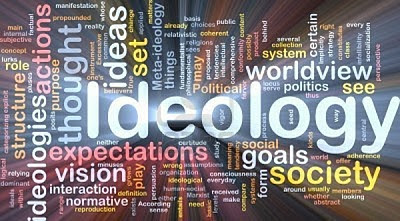
The Interplay of History and Thought: Shaping Civilizations and Ideologies

Introduction: The study of history and thought delves into the complex relationship between historical events and the evolution of human ideas, beliefs, and philosophies. This exploration offers insights into how past occurrences have shaped intellectual movements, cultural paradigms, and societal structures. This article examines the significance of historical thought, key intellectual movements, influential thinkers, and the impact of historical context on philosophical development.

1. The Significance of Historical Thought:

Understanding the Past:

  • Historical thought involves analyzing and interpreting past events, their causes, and their consequences. It provides a deeper understanding of how societies have evolved over time and the factors that have influenced significant changes.

Shaping Identity and Culture:

  • History plays a crucial role in shaping collective identity and cultural heritage. It helps communities preserve traditions, values, and narratives that define their unique identity. Historical thought allows societies to reflect on their past and draw lessons for the future.

Guiding Policy and Decision-Making:

  • Knowledge of history informs policy-making and governance. By understanding past successes and failures, leaders can make more informed decisions, avoid repeating mistakes, and implement strategies that promote progress and stability.

2. Key Intellectual Movements:

The Renaissance:

  • The Renaissance, spanning the 14th to 17th centuries, marked a period of renewed interest in classical antiquity and humanism. Thinkers like Leonardo da Vinci, Michelangelo, and Niccolò Machiavelli emphasized the potential of human creativity, critical thinking, and the pursuit of knowledge. This movement laid the groundwork for modern science, art, and philosophy.

The Enlightenment:

  • The Enlightenment, or the Age of Reason, was an intellectual movement of the 17th and 18th centuries that championed reason, individualism, and skepticism of traditional authority. Philosophers such as John Locke, Voltaire, and Immanuel Kant advocated for liberty, equality, and the separation of church and state. The Enlightenment influenced democratic revolutions and the development of modern political thought.

Romanticism:

  • Romanticism emerged in the late 18th and early 19th centuries as a reaction against the industrial revolution and the Enlightenment’s emphasis on reason. Romantic thinkers like William Wordsworth, Johann Wolfgang von Goethe, and Mary Shelley celebrated emotion, nature, and the sublime. This movement valued imagination, creativity, and the individual’s connection to the natural world.

Modernism and Postmodernism:

  • Modernism, beginning in the late 19th and early 20th centuries, embraced new forms of expression in art, literature, and philosophy. Figures like James Joyce, Virginia Woolf, and T.S. Eliot experimented with narrative techniques and questioned traditional norms. Postmodernism, emerging in the mid-20th century, further challenged established ideologies and embraced pluralism, relativism, and the deconstruction of grand narratives. Thinkers such as Jean-François Lyotard and Michel Foucault explored the complexities of language, power, and identity.

3. Influential Thinkers and Their Contributions:

Socrates, Plato, and Aristotle:

  • The ancient Greek philosophers Socrates, Plato, and Aristotle laid the foundations of Western philosophy. Socrates emphasized the importance of questioning and dialogue, Plato explored ideal forms and justice, and Aristotle developed systematic approaches to logic, ethics, and natural sciences.

Confucius and Laozi:

  • In ancient China, Confucius and Laozi significantly influenced Eastern thought. Confucius advocated for ethical conduct, social harmony, and the importance of education and familial relationships. Laozi, the founder of Daoism, emphasized living in harmony with the Dao (the Way), simplicity, and naturalness.

René Descartes and John Locke:

  • René Descartes, a key figure in the Scientific Revolution, is known for his statement “Cogito, ergo sum” (I think, therefore I am). He emphasized rationalism and the importance of doubt and methodical reasoning. John Locke, an Enlightenment thinker, contributed to the development of empiricism and political theory, advocating for natural rights and government by consent.

Karl Marx and Friedrich Nietzsche:

  • Karl Marx, a 19th-century philosopher and economist, critiqued capitalism and proposed a revolutionary theory of history and class struggle. His ideas influenced socialist and communist movements worldwide. Friedrich Nietzsche, a contemporary of Marx, challenged traditional morality and religion, introducing concepts such as the “Übermensch” (superman) and the “will to power.” Nietzsche’s work has had a profound impact on existentialism and postmodern thought.

4. The Impact of Historical Context on Philosophical Development:

The Reformation and Religious Thought:

  • The Protestant Reformation, initiated by Martin Luther in the 16th century, profoundly impacted religious thought and practices in Europe. It led to the fragmentation of the Catholic Church and the rise of various Protestant denominations. The Reformation emphasized individual faith, the authority of scripture, and the questioning of religious authority.

The Industrial Revolution and Social Philosophy:

  • The Industrial Revolution, beginning in the late 18th century, transformed economies and societies through technological advancements and industrialization. It prompted philosophical inquiries into the nature of work, capitalism, and social inequalities. Thinkers like Adam Smith, Karl Marx, and John Stuart Mill addressed the economic and social implications of industrialization.

World Wars and Existentialism:

  • The devastation of World War I and World War II led to existentialist reflections on the human condition, meaning, and freedom. Philosophers such as Jean-Paul Sartre, Simone de Beauvoir, and Albert Camus explored themes of existential angst, authenticity, and the absurdity of life in the face of suffering and uncertainty.

Post-Colonialism and Cultural Critique:

  • The post-colonial era brought critical examinations of colonialism, cultural identity, and power dynamics. Thinkers like Frantz Fanon, Edward Said, and Gayatri Spivak analysed the lasting impacts of colonialism and advocated for decolonization, cultural reclamation, and the critique of Eurocentric narratives.

Conclusion:

The interplay of history and thought has shaped the development of civilizations, ideologies, and intellectual movements. By understanding historical contexts and the contributions of influential thinkers, we can gain deeper insights into the evolution of human ideas and their impact on society. Historical thought not only enriches our understanding of the past but also informs our present and guides our future.

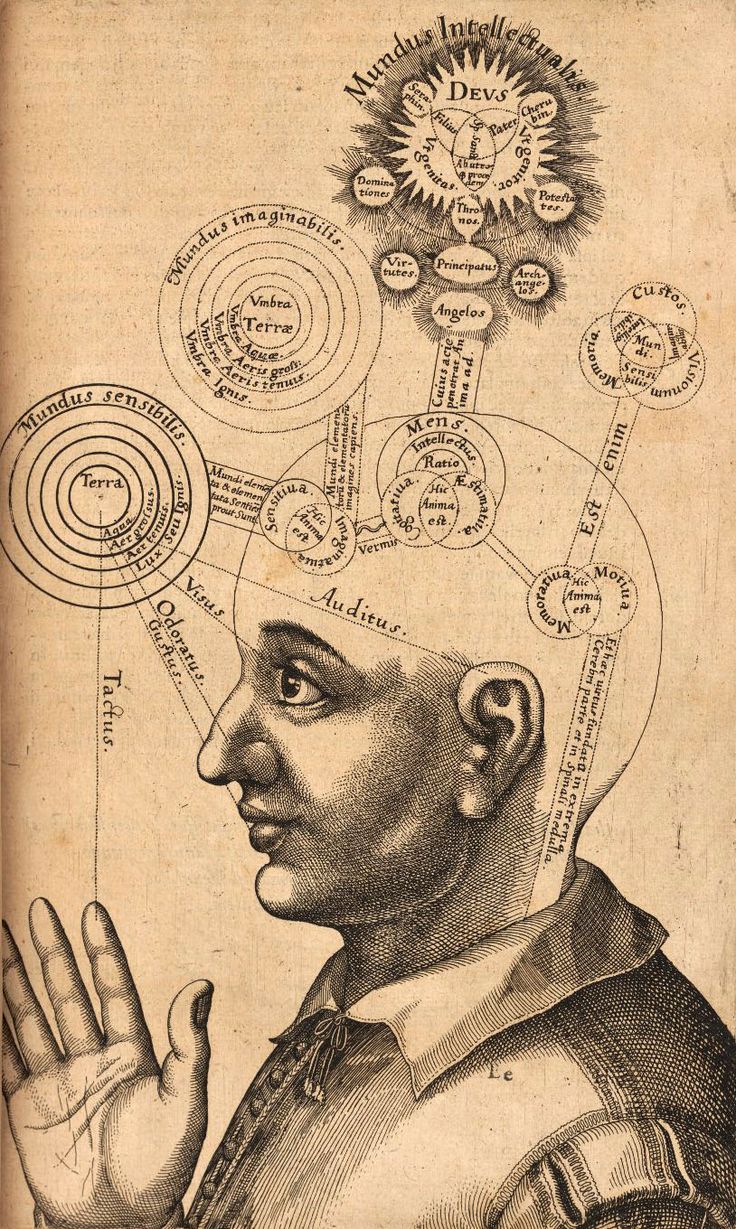
Philosophy & Thought: Exploring the Depths of Human Inquiry

Introduction: Philosophy is the study of the fundamental nature of knowledge, reality, and existence. It involves critical thinking, logical analysis, and the exploration of complex questions that have puzzled humanity for centuries. The field of philosophy encompasses a wide range of topics, including ethics, metaphysics, epistemology, logic, and political theory. This article delves into the significance of philosophy, key philosophical movements and thinkers, major branches of philosophy, and the impact of philosophical thought on contemporary society.

1. The Significance of Philosophy:

Critical Thinking and Reasoning:

  • Philosophy teaches us how to think critically and reason logically. It encourages the examination of assumptions, the evaluation of arguments, and the development of coherent and persuasive ideas. These skills are valuable not only in academic settings but also in everyday decision-making and problem-solving.

Exploring Fundamental Questions:

  • Philosophers grapple with fundamental questions about existence, knowledge, morality, and the nature of reality. These inquiries help us understand the world and our place in it, providing a deeper sense of meaning and purpose.

Ethical Guidance:

  • Philosophy provides ethical frameworks that guide human behavior and decision-making. By exploring different moral theories and principles, individuals and societies can develop a clearer understanding of what is right and wrong, just and unjust.

Influencing Other Disciplines:

  • Philosophical thought has a profound influence on various disciplines, including science, politics, literature, and art. Philosophical concepts and methods contribute to advancements in these fields by fostering critical inquiry and expanding our understanding of complex issues.

2. Key Philosophical Movements and Thinkers:

Ancient Philosophy:

  • Ancient philosophy laid the groundwork for Western thought. Socrates emphasized the importance of questioning and self-examination, Plato explored the nature of reality and ideal forms, and Aristotle developed systematic approaches to logic, ethics, and metaphysics.

Medieval Philosophy:

  • Medieval philosophy focused on the relationship between faith and reason. Thinkers like St. Augustine and St. Thomas Aquinas sought to reconcile Christian theology with classical philosophy, exploring topics such as the existence of God, the nature of the soul, and the problem of evil.

Renaissance and Enlightenment:

  • The Renaissance revived interest in classical philosophy and humanism. The Enlightenment, or Age of Reason, emphasized reason, individualism, and skepticism of traditional authority. Key figures include René Descartes, John Locke, and Immanuel Kant, who explored concepts such as knowledge, liberty, and morality.

Modern and Contemporary Philosophy:

  • Modern philosophy, beginning in the 17th century, brought new approaches to understanding the mind, reality, and society. Thinkers like David Hume, Friedrich Nietzsche, and Karl Marx challenged established ideas and introduced new perspectives on empiricism, existentialism, and political theory. Contemporary philosophy continues to evolve, addressing issues such as language, consciousness, and social justice.

3. Major Branches of Philosophy:

Metaphysics:

  • Metaphysics explores the nature of reality, existence, and the fundamental structure of the universe. It addresses questions about what exists, the nature of time and space, and the relationship between mind and matter. Key concepts include being, causality, and identity.

Epistemology:

  • Epistemology is the study of knowledge and belief. It examines the nature, sources, and limits of knowledge, as well as the criteria for justified belief. Philosophers in this field explore concepts such as perception, rationality, scepticism, and truth.

Ethics:

  • Ethics, or moral philosophy, investigates questions about right and wrong, good and evil, and the principles that guide human conduct. Ethical theories include consequentialism, deontology, and virtue ethics. Philosophers like Immanuel Kant, John Stuart Mill, and Aristotle have made significant contributions to this field.

Logic:

  • Logic is the study of reasoning and argumentation. It involves the analysis of valid inference, the structure of propositions, and the principles of deductive and inductive reasoning. Logical systems, such as formal logic and symbolic logic, provide tools for evaluating the soundness of arguments.

Political Philosophy:

  • Political philosophy explores questions about justice, power, authority, and the organization of society. It examines concepts such as rights, freedom, and equality, and addresses issues related to governance, law, and public policy. Influential thinkers include Thomas Hobbes, John Locke, Jean-Jacques Rousseau, and John Rawls.

4. The Impact of Philosophical Thought on Contemporary Society:

Influencing Public Policy:

  • Philosophical ideas have shaped modern political systems and public policies. Concepts such as democracy, human rights, and social justice are rooted in philosophical thought and continue to influence legislative and judicial decisions.

Advancing Scientific Inquiry:

  • Philosophy of science examines the foundations, methods, and implications of scientific practices. Philosophers like Karl Popper and Thomas Kuhn have contributed to our understanding of scientific progress, the nature of scientific theories, and the role of paradigms in scientific revolutions.

Addressing Ethical Dilemmas:

  • Ethical philosophy provides frameworks for addressing contemporary moral issues such as bioethics, environmental ethics, and artificial intelligence. Philosophers contribute to debates on topics like medical ethics, climate change, and the ethical implications of technological advancements.

Enhancing Education and Critical Thinking:

  • Philosophy education fosters critical thinking, creativity, and intellectual curiosity. By engaging with philosophical texts and ideas, students develop skills in analysis, argumentation, and reflective thinking, which are valuable in various aspects of life and career.

Conclusion:

Philosophy is a vital field that encourages deep inquiry into the nature of reality, knowledge, and ethics. By exploring the thoughts of past and present philosophers, we gain valuable insights into the complexities of the human experience. Philosophy’s influence extends beyond academia, shaping public policy, scientific inquiry, and ethical decision-making. Embracing philosophical thought allows us to navigate the challenges of contemporary society with greater understanding and purpose.

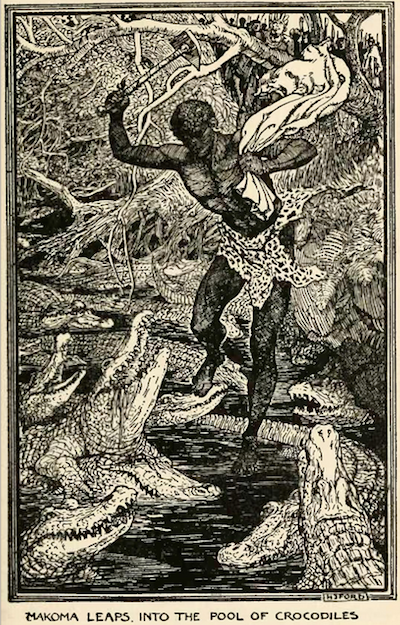
Mythology & Folklore: The Tapestry of Human Imagination

Introduction: Mythology and folklore are fascinating aspects of human culture that have been woven into the fabric of societies across the globe for millennia. These narratives, which include myths, legends, and folktales, serve as the collective memory of a people, offering insights into their beliefs, values, and worldviews. This article delves into the significance of mythology and folklore, their origins, major themes, and their enduring influence on contemporary culture and literature.

1. The Significance of Mythology and Folklore:

Cultural Identity and Values:

  • Mythology and folklore play a crucial role in shaping cultural identity. They encapsulate the values, morals, and collective experiences of a community. Through these stories, societies convey lessons about right and wrong, heroism, love, and sacrifice, which help to instil a shared sense of identity and continuity.

Explaining the Unexplainable:

  • Myths and folktales often provide explanations for natural phenomena, human behaviour, and the mysteries of existence. Before the advent of scientific understanding, these narratives offered a means to make sense of the world, explaining everything from the changing seasons to the creation of the universe.

Preserving History:

  • Many myths and folktales serve as historical records, preserving the memory of significant events, rulers, and battles. They provide a lens through which we can view the past, albeit through a blend of fact and fiction.

2. Origins and Development:

Oral Tradition:

  • The earliest myths and folktales were passed down orally from generation to generation. Storytellers, known as bards, griots, or shamans, played a vital role in preserving and transmitting these narratives. Oral tradition ensured that these stories remained dynamic, evolving with each retelling to reflect the changing culture and values of the society.

Written Records:

  • With the advent of writing, many myths and folktales were transcribed, allowing for their preservation in a more permanent form. Ancient civilizations such as the Egyptians, Greeks, Mesopotamians, and Chinese recorded their myths on papyrus, clay tablets, and bamboo strips, ensuring their stories endured through the ages.

Cross-Cultural Influences:

  • Throughout history, myths and folktales have been influenced by cultural exchanges through trade, conquest, and exploration. As societies interacted, they adopted and adapted stories from each other, leading to a rich tapestry of interconnected mythological themes and characters.

3. Major Themes in Mythology and Folklore:

Creation Myths:

  • Creation myths explain the origins of the world and humanity. Examples include the Greek myth of Gaia and Uranus, the Norse myth of Ymir, and the Hindu story of Brahma, Vishnu, and Shiva. These narratives often involve gods and primordial beings shaping the cosmos from chaos.

Heroic Journeys:

  • Heroic tales recount the adventures of individuals who undertake great quests, face formidable challenges, and achieve extraordinary feats. Famous examples include the Greek hero Heracles, the Sumerian hero Gilgamesh, and the Polynesian demigod Maui. These stories often highlight themes of bravery, perseverance, and self-discovery.

Trickster Tales:

  • Trickster figures, such as the African Anansi, the Native American Coyote, and the Norse Loki, use wit and cunning to outsmart others and disrupt the status quo. These tales often serve as cautionary stories that explore the complexities of human nature and the consequences of deceit.

Moral Lessons:

  • Many folktales convey moral lessons and ethical teachings. Aesop’s Fables, for example, use animals and simple narratives to impart wisdom on virtues such as honesty, kindness, and humility. These stories aim to teach listeners how to live virtuously and navigate social relationships.

4. Enduring Influence on Contemporary Culture:

Literature and Film:

  • Mythology and folklore continue to inspire modern literature and film. Works such as J.R.R. Tolkien’s “The Lord of the Rings,” J.K. Rowling’s “Harry Potter” series, and Marvel’s adaptation of Norse mythology in “Thor” draw heavily on mythological themes and characters. These stories capture the imagination and resonate with contemporary audiences.

Art and Music:

  • Artists and musicians often draw inspiration from mythological and folkloric themes. Paintings, sculptures, operas, and symphonies have depicted mythological scenes and characters, creating a rich cultural legacy. Gustav Klimt’s “The Tree of Life” and Richard Wagner’s “The Ring Cycle” are examples of mythologically inspired art.

Psychology and Philosophy:

  • The works of psychologists like Carl Jung and philosophers like Joseph Campbell have highlighted the psychological and philosophical significance of myths. Jung’s concept of archetypes and Campbell’s idea of the monomyth or “hero’s journey” underscore the universal themes and symbols in mythological narratives that resonate with the human psyche.

Cultural Festivals and Rituals:

  • Many cultural festivals and rituals have roots in mythological stories. Events like India’s Diwali, celebrating the victory of light over darkness, and Japan’s Tanabata, based on the celestial lovers Orihime and Hikoboshi, keep these ancient narratives alive and relevant in contemporary societies.

Conclusion:

Mythology and folklore are more than just stories; they are reflections of the human experience, encapsulating the wisdom, values, and creativity of cultures throughout history. By exploring these narratives, we gain a deeper understanding of ourselves and the world around us. The timeless appeal of mythology and folklore ensures their continued influence on art, literature, psychology, and cultural practices, enriching our lives and connecting us to our shared heritage.

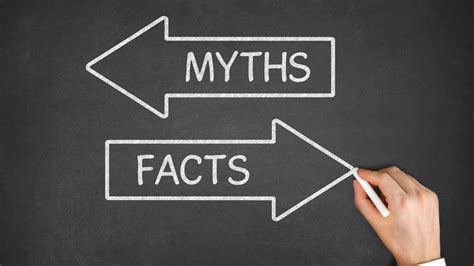
Myth Busters: Debunking Common Myths and Misconceptions

Introduction: “Myth Busters” refers to the practice of debunking commonly held myths, misconceptions, and urban legends. This process involves using scientific methods, logical reasoning, and credible evidence to challenge and correct false beliefs. In an age where misinformation can spread rapidly, myth-busting plays a crucial role in promoting accurate knowledge and critical thinking. This article explores the significance of myth-busting, notable myths and misconceptions in various fields, and the impact of debunking these myths on society.

1. The Significance of Myth-Busting:

Promoting Scientific Literacy:

  • Myth-busting enhances scientific literacy by encouraging individuals to question and verify information. It helps people understand the scientific method, the importance of evidence, and the value of scepticism in evaluating claims.

Combating Misinformation:

  • Misinformation can have serious consequences, from influencing public health decisions to shaping social and political beliefs. Myth-busting helps combat misinformation by providing accurate, evidence-based information and correcting falsehoods.

Encouraging Critical Thinking:

  • Debunking myths fosters critical thinking skills, such as analysis, evaluation, and logical reasoning. It teaches individuals to approach information with a questioning mind-set and to seek out credible sources of evidence.

Building Trust in Science:

  • By addressing and correcting misconceptions, myth-busting builds trust in scientific processes and institutions. It demonstrates the reliability of scientific inquiry and the commitment to discovering and disseminating truth.

2. Notable Myths and Misconceptions:

Health and Medicine:

  • Vaccines Cause Autism: One of the most persistent health myths is the false belief that vaccines cause autism. This misconception originated from a discredited study and has been thoroughly debunked by extensive scientific research showing no link between vaccines and autism.
  • Sugar Causes Hyperactivity in Children: Despite popular belief, scientific studies have shown that sugar does not cause hyperactivity in children. The perception of a sugar-induced “sugar high” is influenced more by expectations and situational factors than by sugar itself.

Science and Nature:

  • Humans Only Use 10{3407ddd2191994a0e11376e1ce572bbc3221bdc2b57a982278cd564c43b8dc79} of Their Brains: The idea that humans use only 10{3407ddd2191994a0e11376e1ce572bbc3221bdc2b57a982278cd564c43b8dc79} of their brains is a myth. Brain imaging studies show that nearly all parts of the brain have some known function, and we use various regions for different activities throughout the day.
  • Lightning Never Strikes the Same Place Twice: Contrary to this common saying, lightning can and does strike the same place multiple times. Tall structures like skyscrapers and lightning rods are often hit repeatedly.

History and Culture:

  • The Great Wall of China is Visible from Space: While the Great Wall of China is an impressive feat of engineering, it is not visible from space with the naked eye. Astronauts have confirmed that it is difficult to see without magnification.
  • Vikings Wore Horned Helmets: The image of Vikings wearing horned helmets is a myth popularized by 19th-century costume designers. Historical evidence shows that Viking helmets did not have horns.

Food and Nutrition:

  • Cracking Knuckles Causes Arthritis: There is no scientific evidence to support the claim that cracking knuckles causes arthritis. Studies have shown that knuckle cracking does not increase the risk of developing arthritis.
  • Eating Carrots Improves Night Vision: While carrots are a good source of vitamin A, which is important for eye health, they do not grant superhuman night vision. This myth was propagated during World War II as part of a campaign to explain the improved accuracy of British pilots.

3. The Impact of Debunking Myths on Society:

Public Health and Safety:

  • Debunking health myths is crucial for public health and safety. Misinformation about vaccines, medical treatments, and disease prevention can lead to harmful behaviors and public health crises. Myth-busting helps promote evidence-based medical practices and informed health decisions.

Education and Awareness:

  • Myth-busting enhances education by encouraging a culture of inquiry and scepticism. It equips students and the general public with the tools to discern fact from fiction, fostering a more informed and knowledgeable society.

Social Change and Policy:

  • Correcting misconceptions can influence social change and policy decisions. For example, debunking myths about climate change can lead to more effective environmental policies and actions to mitigate global warming.

Personal Empowerment:

  • Myth-busting empowers individuals to take control of their beliefs and decisions. By understanding the importance of evidence and critical thinking, people can make more informed choices in their personal and professional lives.

4. Effective Myth-Busting Strategies:

Providing Credible Sources:

  • Use credible sources and scientific evidence to support debunking efforts. Peer-reviewed studies, expert opinions, and reputable organizations are essential for establishing the credibility of myth-busting claims.

Clear and Engaging Communication:

  • Communicate debunking information clearly and engagingly. Use simple language, visual aids, and relatable examples to make complex concepts accessible and understandable.

Addressing Emotional Factors:

  • Recognize that myths often persist due to emotional factors, such as fear, tradition, or personal beliefs. Address these factors with empathy and respect, providing reassurances and alternative explanations.

Encouraging Critical Inquiry:

  • Encourage individuals to ask questions and seek evidence for themselves. Promote critical inquiry as a lifelong habit, emphasizing the importance of verification and scepticism in evaluating information.

Conclusion: Myth-busting is a vital practice that promotes scientific literacy, combats misinformation, and encourages critical thinking. By debunking common myths and misconceptions, we can foster a more informed and rational society. Effective myth-busting requires credible evidence, clear communication, and an understanding of the emotional factors that sustain false beliefs. Embracing the principles of myth-busting empowers individuals to navigate the complex information landscape with confidence and discernment.

Hidden Histories: Uncovering Forgotten Narratives and Unseen Stories

Introduction: Hidden histories refer to the overlooked, marginalized, or forgotten aspects of our past that have not been adequately recognized or documented in mainstream historical narratives. These histories provide valuable insights into the lives and experiences of diverse groups and individuals who have shaped our world in significant but often unacknowledged ways. This article explores the importance of uncovering hidden histories, methods for discovering these narratives, notable examples, and the impact of bringing these stories to light.

1. The Importance of Uncovering Hidden Histories:

Inclusive Understanding:

  • Uncovering hidden histories helps create a more inclusive and comprehensive understanding of the past. By recognizing the contributions and experiences of diverse groups, we gain a fuller picture of historical events and societal developments.

Challenging Dominant Narratives:

  • Mainstream historical narratives often reflect the perspectives of those in power. Hidden histories challenge these dominant narratives, offering alternative viewpoints and highlighting the complexities of historical events and social dynamics.

Empowerment and Representation:

  • Bringing hidden histories to light empowers marginalized communities by acknowledging their contributions and struggles. It fosters a sense of representation and belonging, validating their experiences and promoting social justice.

Learning from the Past:

  • Hidden histories provide valuable lessons that can inform contemporary issues. By understanding the challenges and achievements of underrepresented groups, we can address present-day inequalities and work towards a more equitable future.

2. Methods for Discovering Hidden Histories:

Oral Histories:

  • Oral histories involve collecting and recording personal accounts and testimonies from individuals who have firsthand experiences of historical events. This method captures the voices and perspectives of those often excluded from written records, preserving their stories for future generations.

Archival Research:

  • Archival research involves examining primary sources such as letters, diaries, photographs, and official documents stored in archives, libraries, and museums. These sources can reveal overlooked details and provide insights into the lives of marginalized individuals and communities.

Interdisciplinary Approaches:

  • Combining methods from different disciplines, such as anthropology, sociology, and archaeology, can uncover hidden histories. For example, archaeological excavations of neglected sites can reveal material evidence of past cultures and societies.

Community Engagement:

  • Collaborating with community members and organizations is essential for uncovering hidden histories. Engaging with local knowledge, traditions, and resources can lead to the discovery of untold stories and foster a sense of ownership and pride in preserving cultural heritage.

3. Notable Examples of Hidden Histories:

African American History:

  • The history of African Americans is rich with stories of resilience, resistance, and achievement, yet many aspects have been marginalized or ignored. Examples include the contributions of Black women suffragists like Ida B. Wells, the impact of the Harlem Renaissance, and the role of African American soldiers in the Civil War and World Wars.

Indigenous Histories:

  • Indigenous peoples’ histories often remain hidden due to colonial narratives. Uncovering these stories reveals the cultural richness, innovations, and resilience of Indigenous communities. Examples include the advanced agricultural practices of the Ancestral Puebloans, the contributions of Indigenous code talkers in World War II, and the resistance movements led by figures like Tecumseh and Sitting Bull.

Women’s Histories:

  • Women’s contributions have historically been underrepresented in mainstream narratives. Highlighting the achievements of women such as the mathematician Ada Lovelace, the labor leader Dolores Huerta, and the suffragist Emmeline Pankhurst brings their pivotal roles to the forefront.

LGBTQ+ Histories:

  • The histories of LGBTQ+ individuals and communities have often been suppressed or erased. Uncovering these stories sheds light on their struggles for rights and recognition. Examples include the Stonewall Riots, the contributions of LGBTQ+ activists like Marsha P. Johnson and Sylvia Rivera, and the impact of the HIV/AIDS epidemic on LGBTQ+ communities.

Colonial and Postcolonial Histories:

  • Colonial histories often focus on the colonizers, overlooking the experiences of the colonized. Uncovering postcolonial histories involves examining the lasting impacts of colonialism and the contributions of formerly colonized peoples to global culture, politics, and resistance movements.

4. The Impact of Bringing Hidden Histories to Light:

Cultural Enrichment:

  • Uncovering hidden histories enriches our cultural understanding and appreciation. It reveals the diverse tapestry of human experiences and contributions, fostering respect and empathy across different communities.

Educational Reform:

  • Integrating hidden histories into educational curricula promotes a more accurate and inclusive understanding of history. It encourages critical thinking and challenges students to question and analyze dominant narratives.

Social Justice and Advocacy:

  • Highlighting hidden histories can drive social justice initiatives by raising awareness of historical injustices and contemporary inequalities. It empowers marginalized communities to advocate for their rights and recognition.

Preservation of Heritage:

  • Preserving and documenting hidden histories ensures that these valuable narratives are not lost to future generations. It protects cultural heritage and promotes the continuity of traditions and knowledge.

Conclusion:

Hidden histories offer a treasure trove of untold stories and perspectives that deepen our understanding of the past. By uncovering and celebrating these narratives, we contribute to a more inclusive and equitable historical record. Embracing hidden histories empowers marginalized communities, challenges dominant narratives, and enriches our collective cultural heritage. Through dedicated research, community engagement, and a commitment to inclusivity, we can bring these hidden histories to light and ensure that all voices are heard and respected.

Tracing Roots: The Fascinating World of Genealogy & Family History

Introduction: Genealogy, the study of family history and lineage, is a captivating journey into the past that reveals the stories and connections that have shaped our identities. By exploring our ancestry, we can gain a deeper understanding of our heritage, uncover family secrets, and connect with distant relatives. This article delves into the significance of genealogy, the methods and tools used in research, the challenges and rewards of tracing family history, and the impact of genetic genealogy.

1. The Significance of Genealogy and Family History:

Understanding Identity:

  • Genealogy helps individuals understand their personal identity by exploring their roots and heritage. It provides a sense of belonging and continuity, connecting present-day family members with their ancestors and cultural traditions.

Preserving Family Stories:

  • Tracing family history preserves the stories, experiences, and values of previous generations. These narratives enrich family lore and provide a tangible link to the past, ensuring that the legacy of ancestors is remembered and honored.

Connecting with Relatives:

  • Genealogy can connect individuals with distant relatives and extended family branches. Discovering new family members can lead to the formation of meaningful relationships and a broader support network.

2. Methods and Tools for Genealogical Research:

Documenting Family Information:

  • Begin by documenting what you already know about your family. Gather information from family members, old photographs, letters, and family bibles. Record names, dates, places, and relationships to create a foundation for further research.

Vital Records:

  • Vital records, such as birth, marriage, and death certificates, are essential sources of genealogical information. These documents provide key details about individuals and their relationships, helping to build an accurate family tree.

Census Records:

  • Census records offer valuable insights into family structure, residence, occupation, and migration patterns. Many countries conduct regular censuses, and these records are often available online through government archives and genealogical websites.

Church and Cemetery Records:

  • Church records, including baptism, marriage, and burial records, are useful for tracing ancestors in earlier periods when civil records were not yet established. Cemetery records and gravestones can also provide important information about ancestors.

Online Genealogy Databases:

  • Websites like Ancestry.com, FamilySearch, and MyHeritage provide extensive databases of genealogical records and resources. These platforms offer tools for building family trees, accessing historical documents, and connecting with other researchers.

Historical Newspapers and Directories:

  • Historical newspapers and city directories can provide context and additional details about ancestors’ lives. These sources may include obituaries, marriage announcements, advertisements, and news articles.

3. Challenges and Rewards of Genealogical Research:

Overcoming Brick Walls:

  • Genealogical research often involves overcoming “brick walls” or difficult research challenges. These may include missing records, name variations, and unclear connections. Persistence, creativity, and collaboration with other researchers can help break through these obstacles.

Interpreting Historical Context:

  • Understanding the historical context in which ancestors lived is crucial for accurate genealogical research. This includes knowledge of historical events, migration patterns, and social customs that may have influenced family history.

Balancing Privacy and Discovery:

  • Genealogical research can sometimes uncover sensitive or unexpected information. It’s important to approach discoveries with respect and sensitivity, considering the privacy and feelings of living relatives.

Personal Fulfillment and Connection:

  • Despite the challenges, genealogical research offers immense personal fulfillment. Discovering one’s roots, learning about ancestors’ lives, and connecting with family heritage provide a profound sense of accomplishment and connection.

4. The Impact of Genetic Genealogy:

DNA Testing and Analysis:

  • Advances in genetic genealogy have revolutionized family history research. DNA testing services, such as AncestryDNA, 23andMe, and FamilyTreeDNA, analyze genetic material to provide insights into ancestral origins, ethnicity, and genetic matches with relatives.

Ethnicity Estimates and Genetic Matches:

  • DNA tests provide ethnicity estimates that reveal the geographic regions and populations to which an individual’s ancestors belonged. They also identify genetic matches with other individuals who share common ancestors, facilitating the discovery of new relatives.

Breaking Down Research Barriers:

  • Genetic genealogy can help break down research barriers by confirming or refuting suspected family connections, identifying unknown parentage, and providing clues for further research.

Ethical Considerations:

  • Genetic genealogy raises ethical considerations related to privacy, consent, and the potential for unexpected discoveries. It’s important to carefully consider the implications of DNA testing and communicate openly with family members about the process and potential outcomes.

Conclusion:

Genealogy and family history research are enriching pursuits that connect us to our past, preserve our heritage, and enhance our understanding of personal identity. By exploring historical records, utilizing modern technology, and approaching the process with curiosity and sensitivity, individuals can uncover the fascinating stories of their ancestors and build a meaningful connection to their family legacy.

Gaining Historical Insights: Understanding the Past to Inform the Future

Introduction: Historical insights provide a deep understanding of the past, shedding light on the events, cultures, and individuals that have shaped our world. By studying history, we gain valuable perspectives that help us comprehend present circumstances and anticipate future developments. This article explores the importance of historical insights, key methods for analysing history, notable historical periods and events, and the lessons we can learn from history.

1. The Importance of Historical Insights:

Contextual Understanding:

  • History provides context for contemporary issues, helping us understand the origins and evolution of current societal structures, political systems, and cultural norms. By examining past events and decisions, we can see how they have influenced the present.

Learning from the Past:

  • Historical insights allow us to learn from past successes and failures. By studying historical examples, we can identify patterns, avoid repeating mistakes, and apply successful strategies to current challenges.

Cultural Awareness and Identity:

  • History is a key component of cultural awareness and identity. It helps individuals and communities understand their heritage, fostering a sense of belonging and continuity. Historical insights can promote cultural pride and appreciation for diversity.

Informed Decision-Making:

  • Knowledge of history equips policymakers, leaders, and citizens with the tools to make informed decisions. Historical precedents can guide responses to crises, shape policy, and inspire innovative solutions.

2. Methods for Analysing History:

Primary Sources:

  • Primary sources are original documents or artefacts created during the period being studied. These include letters, diaries, official records, photographs, and physical objects. Analysing primary sources provides first-hand accounts and direct evidence of historical events.

Secondary Sources:

  • Secondary sources are interpretations and analyses of primary sources, created by historians and scholars. These include books, articles, documentaries, and essays. Secondary sources offer context, synthesis, and varying perspectives on historical events.

Historiography:

  • Historiography is the study of how history is written and interpreted. It examines different historical narratives, methodologies, and biases. Understanding historiography helps us critically evaluate historical accounts and appreciate the complexities of historical interpretation.

Comparative History:

  • Comparative history involves comparing different societies, events, or time periods to identify similarities and differences. This method can reveal broader trends and patterns, providing a more comprehensive understanding of historical phenomena.

3. Notable Historical Periods and Events:

The Ancient World:

  • Ancient civilizations, such as Mesopotamia, Egypt, Greece, and Rome, laid the foundations of modern society. These civilizations made significant contributions in areas such as governance, law, architecture, and philosophy. Studying the ancient world provides insights into the origins of many contemporary institutions and ideas.

The Middle Ages:

  • The Middle Ages, spanning roughly from the 5th to the 15th centuries, were characterized by feudalism, the rise of the Catholic Church, and significant cultural and technological developments. Key events include the spread of Islam, the Crusades, and the Black Death. This period’s complex dynamics offer lessons on resilience, adaptation, and cultural exchange.

The Renaissance and Enlightenment:

  • The Renaissance (14th-17th centuries) marked a revival of classical learning and artistic expression in Europe. The Enlightenment (17th-18th centuries) emphasized reason, science, and individual rights. Both periods saw significant advances in art, science, and political thought, influencing modern Western culture and democratic ideals.

Revolutions and Wars:

  • The American Revolution (1775-1783), French Revolution (1789-1799), and various independence movements shaped the modern political landscape. The two World Wars (1914-1918 and 1939-1945) had profound global impacts, leading to geopolitical realignments, technological advancements, and shifts in social attitudes. These events highlight the importance of understanding conflict, power, and change.

The Modern Era:

  • The 20th and 21st centuries have seen rapid technological progress, social transformations, and political upheaval. Key events include the Civil Rights Movement, the Cold War, the digital revolution, and the rise of globalization. Studying recent history helps us navigate contemporary challenges and anticipate future trends.

4. Lessons from History:

Resilience and Adaptation:

  • History teaches us about human resilience and the capacity to adapt to changing circumstances. Examples include the recovery from the Black Death, the rebuilding of nations after wars, and the survival of cultural identities despite colonization.

The Importance of Innovation:

  • Technological and scientific innovations have driven historical progress. From the invention of the wheel to the internet, history shows that innovation can solve problems, improve quality of life, and drive societal change.

The Role of Leadership:

  • Effective leadership has shaped the course of history. Studying leaders like Alexander the Great, Abraham Lincoln, and Nelson Mandela provides insights into qualities such as vision, courage, and empathy that contribute to successful leadership.

Social and Political Movements:

  • Social and political movements have been catalysts for change. The abolition of slavery, women’s suffrage, and the fight for civil rights demonstrate how collective action can challenge injustices and achieve significant reforms.

Conclusion:

Historical insights offer a rich understanding of the past, illuminating the path to a more informed and thoughtful future. By studying history, we gain valuable perspectives, learn from past experiences, and develop a deeper appreciation for the complexities of human society. Embracing historical insights empowers us to make better decisions, foster cultural awareness, and contribute to a more just and equitable world.