
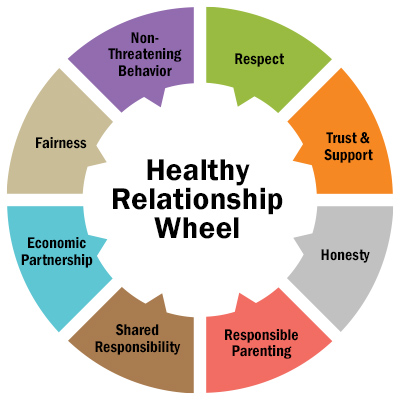
Healthy relationships are a fundamental part of a fulfilling life. Whether it’s with a romantic partner, family member, friend, or colleague, the quality of our relationships can significantly impact our happiness, mental health, and overall well-being. This comprehensive guide provides practical advice and strategies for building and maintaining strong, healthy relationships.
Understanding Healthy Relationships
A healthy relationship is characterized by mutual respect, trust, communication, and support. Both parties feel valued and respected, and there is a balance of give and take. Healthy relationships encourage personal growth and allow each individual to be their authentic self.
Key Components of Healthy Relationships
- Respect:
- Mutual Respect: Respect is the foundation of any healthy relationship. It involves recognizing each other’s boundaries, values, and needs. Show respect by listening actively, valuing each other’s opinions, and avoiding harmful behaviors.
- Self-Respect: Respecting yourself is equally important. Know your worth and ensure your needs and boundaries are met. Self-respect lays the groundwork for how you expect to be treated by others.
- Trust:
- Building Trust: Trust is built through consistency, honesty, and reliability. Keep your promises and be transparent in your actions and words.
- Maintaining Trust: Trust can be fragile. Avoid behaviors that can break trust, such as dishonesty or infidelity. If trust is broken, take responsibility and work together to rebuild it.
- Communication:
- Open Communication: Healthy relationships require open and honest communication. Share your thoughts and feelings openly, and encourage your partner to do the same.
- Active Listening: Practice active listening by giving your full attention, avoiding interruptions, and showing empathy. Reflect back what you’ve heard to ensure understanding.
- Effective Conflict Resolution: Disagreements are natural, but how you handle them matters. Focus on resolving conflicts constructively by addressing the issue, avoiding personal attacks, and seeking compromise.
- Support:
- Emotional Support: Provide emotional support by being there for each other during difficult times. Offer a listening ear, words of encouragement, and a shoulder to lean on.
- Practical Support: Offer practical support by helping each other with tasks, sharing responsibilities, and being reliable.
- Shared Goals and Values:
- Alignment of Values: Healthy relationships often involve shared values and beliefs. Discuss your values and ensure alignment on key issues.
- Setting Goals Together: Set goals as a team, whether they are related to your relationship, career, or personal growth. Work together to achieve these goals, supporting each other along the way.
Building Healthy Relationships
- Self-Awareness:
- Know Yourself: Understand your own needs, desires, and boundaries. Self-awareness helps you communicate effectively and make informed decisions in relationships.
- Personal Growth: Commit to continuous personal growth. The more you grow and develop, the better partner, friend, or family member you will be.
- Choosing the Right Relationships:
- Compatibility: Choose relationships with individuals who share your values, interests, and goals. Compatibility enhances the quality and longevity of relationships.
- Positive Influence: Surround yourself with people who uplift and inspire you. Avoid toxic relationships that drain your energy and hinder your growth.
- Building Connection:
- Quality Time: Spend quality time together to build a strong connection. Engage in activities you both enjoy and create shared experiences.
- Vulnerability: Allow yourself to be vulnerable and share your true self. Vulnerability fosters intimacy and trust.
- Setting Boundaries:
- Healthy Boundaries: Establish and communicate your boundaries clearly. Respect each other’s boundaries and ensure they are honored.
- Enforcing Boundaries: Be prepared to enforce your boundaries if they are crossed. Communicate assertively and take necessary action to protect your well-being.
Maintaining Healthy Relationships
- Nurturing Relationships:
- Regular Check-Ins: Have regular check-ins to discuss the state of your relationship, share your feelings, and address any issues.
- Appreciation and Gratitude: Express appreciation and gratitude for each other regularly. Acknowledge the positive qualities and actions of your partner.
- Handling Challenges:
- Problem-Solving: Approach challenges as a team. Collaborate to find solutions and support each other through difficulties.
- Adaptability: Be adaptable and open to change. Relationships evolve, and being flexible helps navigate transitions smoothly.
- Maintaining Independence:
- Personal Space: Maintain a balance between togetherness and independence. Ensure each partner has personal space and time for individual interests.
- Individual Goals: Pursue individual goals and hobbies. Supporting each other’s personal growth enriches the relationship.
- Continuous Improvement:
- Learning and Growing: Continuously seek ways to improve your relationship. Attend workshops, read books, and engage in activities that strengthen your bond.
- Open to Feedback: Be open to feedback and willing to make positive changes. Constructive feedback helps identify areas for improvement and fosters growth.
Navigating Common Relationship Issues
- Communication Breakdown:
- Rebuilding Communication: Address communication issues by reestablishing open and honest dialogue. Seek professional help if needed.
- Non-Verbal Communication: Pay attention to non-verbal cues, such as body language and tone of voice, to enhance understanding.
- Trust Issues:
- Rebuilding Trust: Rebuilding trust takes time and effort. Be patient, consistent, and transparent. Seek counseling if necessary.
- Transparency: Practice transparency in all aspects of your relationship to rebuild trust.
- Conflicting Values:
- Finding Common Ground: Identify common values and focus on shared goals. Respect differences and seek compromise.
- Open Discussion: Have open discussions about your values and find ways to integrate them into your relationship.
Conclusion
Healthy relationships are built on a foundation of respect, trust, communication, and support. By understanding and implementing these principles, you can build and maintain strong, fulfilling relationships with romantic partners, family members, friends, and colleagues. Remember, relationships require ongoing effort, mutual understanding, and a willingness to grow together. Embrace the journey of building healthy relationships, and experience the profound impact they can have on your life.