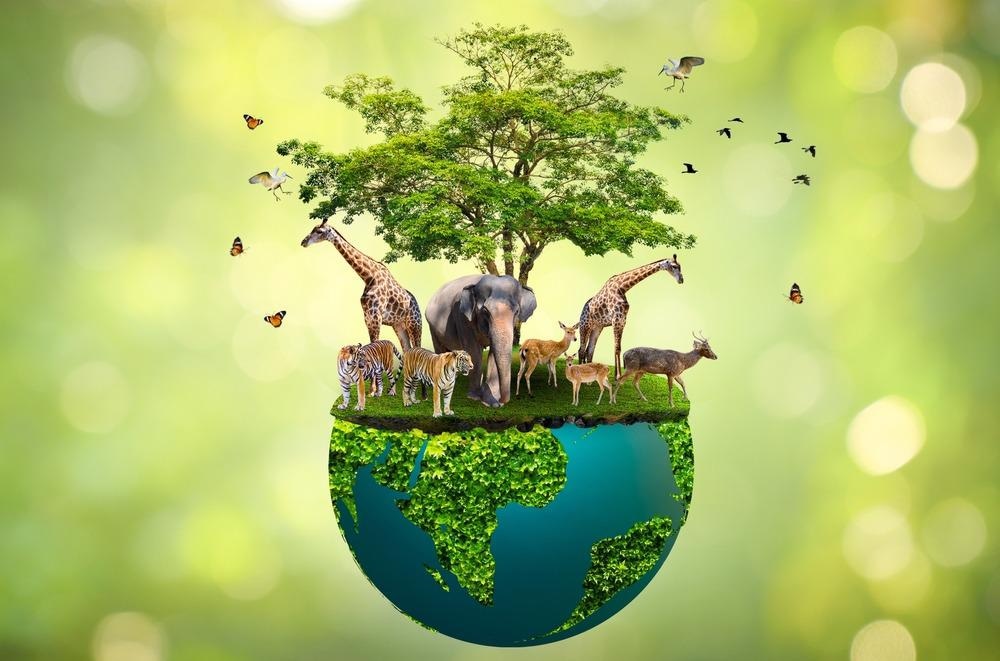
Wildlife conservation is the practice of protecting animal species and their habitats to ensure that ecosystems remain balanced and species can thrive for future generations. It involves a wide range of strategies, including habitat preservation, legal protection, and community engagement. This elaborate article will explore the importance of wildlife conservation, the challenges it faces, and the various strategies used to protect wildlife.
The Importance of Wildlife Conservation
- Biodiversity: Wildlife conservation helps maintain biodiversity, which is essential for ecosystem stability and resilience. Biodiversity ensures that ecosystems can withstand changes and disruptions, providing vital services such as pollination, pest control, and climate regulation.
- Ecosystem Services: Healthy ecosystems provide numerous services that benefit humans, including clean air and water, fertile soil, and resources like timber and fish. By protecting wildlife and their habitats, we ensure the continued provision of these essential services.
- Cultural and Recreational Value: Many cultures have deep connections to wildlife and nature. Conservation efforts help preserve these cultural traditions and provide opportunities for recreation, education, and tourism, which can also support local economies.
- Scientific Knowledge: Wildlife conservation contributes to scientific knowledge and understanding of natural processes. Studying wildlife can lead to discoveries in medicine, agriculture, and environmental management.
- Moral Responsibility: Many people believe that humans have a moral obligation to protect other species from extinction and to preserve the planet’s natural heritage for future generations.
Challenges to Wildlife Conservation
- Habitat Loss: Deforestation, urbanization, and agricultural expansion are major drivers of habitat loss, leading to the fragmentation and destruction of ecosystems. This loss of habitat is one of the leading causes of species decline and extinction.
- Climate Change: Climate change affects wildlife through altering habitats, changing migration patterns, and increasing the frequency and intensity of extreme weather events. Species that cannot adapt quickly enough to these changes face increased risks.
- Poaching and Illegal Wildlife Trade: Poaching and illegal wildlife trade threaten many species, particularly those targeted for their body parts, such as elephants for ivory and rhinos for their horns. This illicit activity undermines conservation efforts and can drive species to extinction.
- Pollution: Pollution, including plastic waste, pesticides, and chemicals, can have devastating effects on wildlife. Marine animals, in particular, are affected by plastic pollution, which can cause injury, entanglement, and ingestion.
- Invasive Species: Non-native species introduced to new environments can outcompete, prey on, or bring diseases to native species. These invasive species can disrupt ecosystems and lead to declines in native wildlife populations.
Strategies for Wildlife Conservation
- Protected Areas: Establishing protected areas, such as national parks, wildlife reserves, and marine sanctuaries, is a key strategy for conserving habitats and species. These areas provide safe havens for wildlife and help maintain ecosystem integrity.
- Legal Protection: Enforcing laws and regulations that protect wildlife from hunting, trade, and habitat destruction is essential. International agreements like the Convention on International Trade in Endangered Species (CITES) play a crucial role in regulating the trade of endangered species.
- Habitat Restoration: Restoring degraded habitats and reconnecting fragmented landscapes can help support wildlife populations. Efforts may include reforestation, wetland restoration, and the creation of wildlife corridors.
- Community Engagement: Involving local communities in conservation efforts is critical for success. Community-based conservation programs empower residents to protect their natural resources and benefit from sustainable practices.
- Research and Monitoring: Scientific research and monitoring are vital for understanding wildlife populations and the effectiveness of conservation strategies. Data on species distribution, population trends, and threats inform conservation actions and policies.
- Education and Awareness: Raising awareness about the importance of wildlife conservation and the threats facing species is essential for building public support. Education programs, media campaigns, and wildlife tourism can help foster a conservation ethic.
Case Studies in Wildlife Conservation
- The Success of the Bald Eagle: The Bald Eagle, once on the brink of extinction in the United States due to habitat loss and pesticide use, has made a remarkable recovery. Conservation efforts, including legal protection, banning harmful pesticides like DDT, and habitat restoration, have led to a significant increase in the Bald Eagle population.
- Mountain Gorilla Conservation: Mountain Gorillas, found in the forests of Central Africa, have faced threats from habitat loss, poaching, and disease. Intensive conservation efforts, including anti-poaching patrols, veterinary care, and community-based tourism, have helped stabilize and increase their population.
- The Return of the Grey Wolf: Grey Wolves were extirpated from much of the United States by the mid-20th century. Reintroduction programs, such as those in Yellowstone National Park, have successfully restored wolf populations, which have had positive ecological effects on the park’s ecosystem.
The Future of Wildlife Conservation
The future of wildlife conservation relies on continued commitment and collaboration among governments, organizations, communities, and individuals. Innovative approaches, such as the use of technology for monitoring and enforcement, and the integration of conservation into broader land-use planning, will be essential. As we face growing environmental challenges, the importance of wildlife conservation for maintaining the health of our planet and the well-being of future generations cannot be overstated.
Conclusion
Wildlife conservation is a vital endeavour that seeks to protect the planet’s biodiversity and ensure the survival of species and ecosystems. By addressing the challenges and implementing effective strategies, we can make significant progress in preserving wildlife for future generations. Everyone has a role to play in conservation, from supporting protected areas to making sustainable choices in daily life. Together, we can create a world where wildlife thrives alongside human communities.