
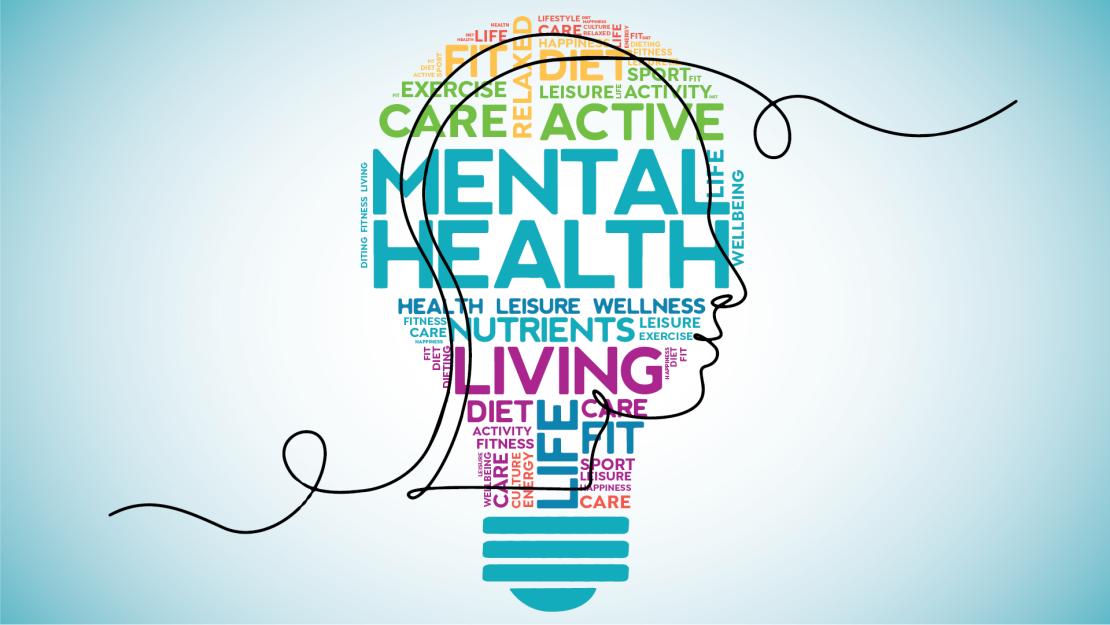
Mental health is a crucial aspect of overall well-being, affecting how we think, feel, and act. It also influences how we handle stress, relate to others, and make choices. In today’s fast-paced world, prioritizing mental health has never been more important. This comprehensive guide explores various mental health practices that can help you achieve a balanced and healthy mind.
Mindfulness Meditation
Mindfulness meditation involves focusing your attention on the present moment without judgment. It helps reduce stress, improve concentration, and enhance emotional well-being. Here’s how to get started:
- Find a Quiet Space: Choose a calm and comfortable spot where you won’t be disturbed.
- Sit Comfortably: Sit in a chair or on the floor with your back straight.
- Focus on Your Breath: Close your eyes and pay attention to your breathing. Notice the sensation of air entering and leaving your nostrils.
- Acknowledge Thoughts: When your mind wanders, gently bring your focus back to your breath. Don’t judge the thoughts; simply acknowledge them and let them go.
- Practice Regularly: Start with a few minutes each day and gradually increase the duration.
Cognitive Behavioural Therapy (CBT)
Cognitive behavioural Therapy (CBT) is a widely used therapeutic approach that helps individuals identify and change negative thought patterns and behaviour’s. Key components of CBT include:
- Identifying Negative Thoughts: Recognize and challenge distorted thinking patterns.
- Reframing Thoughts: Replace negative thoughts with more realistic and positive ones.
- Behavioural Activation: Engage in activities that are rewarding and align with your values.
- Self-Monitoring: Keep a journal to track thoughts, emotions, and behaviours.
Stress Management Techniques
Managing stress is essential for maintaining mental health. Here are some effective stress reduction techniques:
- Deep Breathing: Practice deep breathing exercises to calm your nervous system. Inhale slowly through your nose, hold for a few seconds, and exhale through your mouth.
- Progressive Muscle Relaxation: Tense and then relax different muscle groups in your body, starting from your toes and moving up to your head.
- Visualization: Imagine a peaceful scene or place. Visualizing calm and serene environments can reduce stress and promote relaxation.
- Time Management: Prioritize tasks, delegate when possible, and take regular breaks to avoid burnout.
Physical Activity
Regular physical activity is not only beneficial for your body but also for your mind. Exercise releases endorphins, which are natural mood lifters. Here are some ways to incorporate physical activity into your routine:
- Aerobic Exercises: Engage in activities like walking, running, cycling, or swimming.
- Strength Training: Include weight lifting or resistance exercises to build muscle strength.
- Yoga: Practice yoga to improve flexibility, balance, and mental clarity.
- Outdoor Activities: Spend time in nature, whether it’s hiking, gardening, or simply walking in a park.
Healthy Eating
A balanced diet plays a significant role in mental health. Certain foods can boost your mood, improve concentration, and reduce anxiety. Consider the following dietary tips:
- Omega-3 Fatty Acids: Found in fish, flaxseeds, and walnuts, these acids are known to support brain health.
- Whole Grains: Foods like oats, brown rice, and whole wheat provide steady energy and help maintain stable blood sugar levels.
- Leafy Greens: Vegetables such as spinach and kale are rich in folate, which is linked to lower rates of depression.
- Probiotics: Yogurt, kefir, and other fermented foods support gut health, which is connected to mental health.
Building a Support System
Having a strong support system is vital for emotional well-being. Surround yourself with positive and supportive individuals. Here are some ways to build and maintain a support network:
- Stay Connected: Regularly reach out to friends and family. Use social media, phone calls, or face-to-face meetings to keep in touch.
- Join Support Groups: Participate in groups where you can share experiences and receive support from others facing similar challenges.
- Volunteer: Volunteering can provide a sense of purpose and help you connect with others in meaningful ways.
- Seek Professional Help: Don’t hesitate to seek help from a therapist or counsellor if needed.
Self-Care Practices
Self-care involves taking time to nurture your physical, mental, and emotional health. Incorporate these self-care practices into your routine:
- Set Boundaries: Learn to say no and set limits to avoid overcommitting yourself.
- Engage in Hobbies: Spend time doing activities you enjoy, whether it’s reading, painting, or playing a musical instrument.
- Get Adequate Sleep: Aim for 7-9 hours of quality sleep each night. Establish a bedtime routine to promote better sleep.
- Practice Gratitude: Keep a gratitude journal and write down things you are thankful for each day.
Professional Help
Sometimes, self-care and personal practices may not be enough. It’s important to seek professional help when needed. Therapists, psychologists, and psychiatrists can provide specialized care, including:
- Therapy Sessions: Various forms of therapy, such as CBT, psychodynamic therapy, and interpersonal therapy, can help address mental health issues.
- Medication: In some cases, medication may be necessary to manage conditions like depression or anxiety. Always consult a healthcare professional before starting any medication.
- Supportive Counselling: Counselling can offer guidance and support during difficult times, helping you navigate challenges and develop coping strategies.
Conclusion
Maintaining mental health is a lifelong journey that requires a combination of practices and support. By incorporating mindfulness meditation, CBT, stress management techniques, physical activity, healthy eating, and building a support system, you can create a balanced and healthy mind. Remember, seeking professional help when needed is a sign of strength, not weakness. Prioritize your mental health and take proactive steps to ensure a fulfilling and resilient life.