
Introduction
As the world grapples with unprecedented environmental challenges, the concept of sustainability has never been more critical. This blog explores the intricate relationship between human activities and the environment, highlighting the urgent need for sustainable practices to ensure a liveable planet for future generations.
Section 1: Understanding the Environment
The environment encompasses all living and non-living things occurring naturally on Earth. It includes air, water, soil, and biodiversity. Human activities have significantly impacted the environment, leading to pollution, deforestation, climate change, and biodiversity loss.
- Air Pollution: Emissions from industries, vehicles, and other sources contribute to air pollution, causing respiratory diseases and environmental degradation. The World Health Organization reports that 9 out of 10 people breathe air containing high levels of pollutants.
- Water Pollution: Contaminants from agricultural runoff, industrial waste, and untreated sewage pollute water bodies, affecting marine life and human health. Safe and clean water is essential for all forms of life.
- Deforestation: The clearing of forests for agriculture, urban development, and logging leads to habitat destruction, loss of biodiversity, and increased carbon dioxide levels in the atmosphere.
Section 2: The Concept of Sustainability
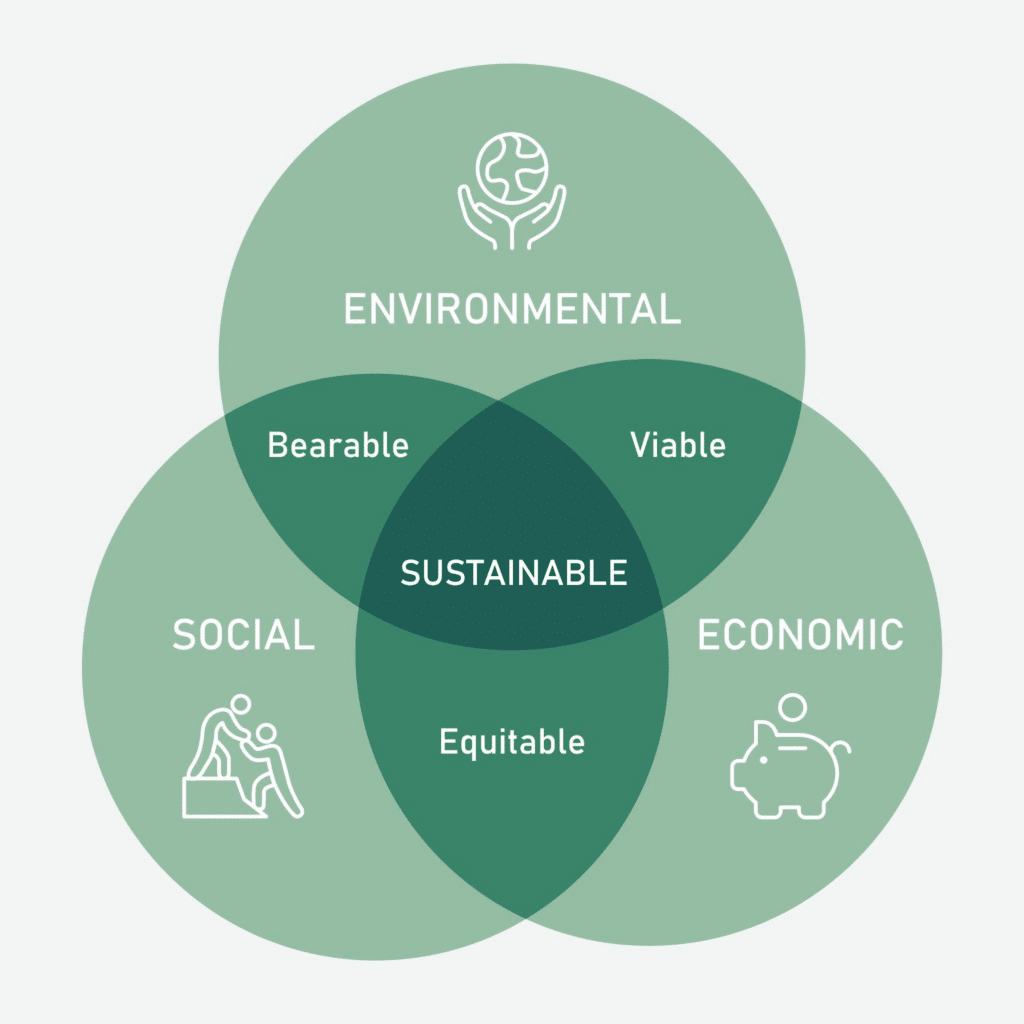
Sustainability involves meeting the needs of the present without compromising the ability of future generations to meet their own needs. It is a holistic approach that considers environmental, social, and economic dimensions.
- Environmental Sustainability: Protecting natural resources, reducing waste, and minimizing pollution to preserve ecosystems and biodiversity.
- Social Sustainability: Ensuring equitable access to resources, education, healthcare, and opportunities for all individuals.
- Economic Sustainability: Promoting responsible economic growth that does not deplete natural resources or harm the environment.
Section 3: Challenges to Sustainability
Achieving sustainability faces several challenges, including overconsumption, population growth, and inadequate policies. Understanding these challenges is crucial for developing effective solutions.
- Overconsumption: The overuse of natural resources leads to depletion and environmental degradation. Sustainable consumption practices and reducing waste are vital steps.
- Population Growth: An increasing global population puts pressure on natural resources and ecosystems. Strategies for sustainable population management and resource allocation are essential.
- Policy and Governance: Lack of stringent environmental policies and enforcement mechanisms hinders progress towards sustainability. Effective governance and international cooperation are necessary to address these issues.
Section 4: Innovative Solutions for a Sustainable Future
Innovative solutions and practices can help mitigate environmental challenges and promote sustainability. Here are some key areas of focus:
- Renewable Energy: Transitioning to renewable energy sources like solar, wind, and hydropower reduces dependence on fossil fuels and lowers greenhouse gas emissions. Investments in renewable energy technologies are growing, contributing to a more sustainable energy future.
- Sustainable Agriculture: Practices such as organic farming, agroforestry, and precision agriculture enhance food security while protecting the environment. These methods reduce chemical use, conserve water, and maintain soil health.
- Circular Economy: This economic model aims to eliminate waste by reusing, recycling, and regenerating products and materials. It promotes sustainable production and consumption patterns, reducing the environmental footprint.
- Conservation Efforts: Protecting and restoring ecosystems, conserving wildlife, and maintaining biodiversity are critical for environmental sustainability. Conservation programs and protected areas play a significant role in preserving natural habitats.
Section 5: The Role of Individuals and Communities
Individual and community actions play a vital role in promoting sustainability. Small, everyday choices can collectively have a significant impact on the environment.
- Reducing Carbon Footprint: Adopting energy-efficient practices, using public transportation, and supporting clean energy initiatives help reduce greenhouse gas emissions.
- Waste Reduction: Minimizing waste through recycling, composting, and choosing reusable products contributes to a cleaner environment.
- Supporting Sustainable Brands: Purchasing from companies that prioritize sustainability and ethical practices encourages responsible business behavior.
Conclusion
Sustainability is a shared responsibility that requires collective action from individuals, communities, governments, and businesses. By understanding the challenges and embracing innovative solutions, we can create a sustainable future that ensures the well-being of both the planet and its inhabitants. The time to act is now, for the sake of our present and future generations.