
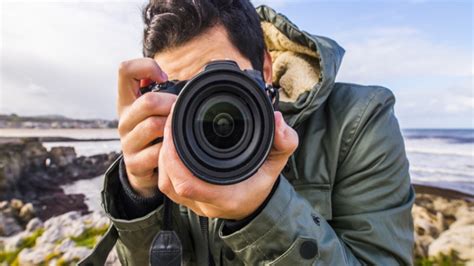
Introduction: Photography, an art form that marries creativity with technology, has revolutionized the way we capture and interpret the world around us. From the early days of daguerreotypes to the digital era, photography has evolved into a powerful medium for storytelling, documentation, and artistic expression.
1. The History of Photography:
Early Beginnings:
- Photography’s roots can be traced back to the 19th century with the invention of the camera obscura and the first permanent photograph created by Joseph Nicéphore Niépce in 1826. This paved the way for the daguerreotype, introduced by Louis Daguerre in 1839, which became widely popular.
Advancements in Technology:
- Throughout the 19th and 20th centuries, photography saw numerous technological advancements, including the introduction of roll film by George Eastman, founder of Kodak. The invention of the 35mm film camera by Leica in 1925 and Polaroid instant cameras in the 1940s further democratized photography, making it accessible to a broader audience.
Digital Revolution:
- The late 20th century brought the digital revolution, with the first digital camera created by Kodak engineer Steven Sasson in 1975. Digital cameras and smartphones have since transformed photography, allowing instant capture, editing, and sharing of images.
2. The Elements of Photography:
Composition:
- Composition refers to the arrangement of elements within a frame. Techniques like the rule of thirds, leading lines, symmetry, and framing are essential for creating visually appealing photographs.
Lighting:
- Lighting is crucial in photography, as it affects the mood, tone, and clarity of an image. Natural light, artificial light, and techniques like backlighting and silhouette play a significant role in photography.
Exposure:
- Exposure determines how light or dark an image will be. It is controlled by three key settings: aperture (f-stop), shutter speed, and ISO. Mastering these settings is fundamental for achieving the desired effect in a photograph.
Focus and Depth of Field:
- Focus refers to the sharpness of an image, while depth of field is the area of the image that appears in focus. Techniques like selective focus and bokeh (background blur) can add creative elements to a photo.
3. Types of Photography:
Portrait Photography:
- Focuses on capturing the personality and essence of individuals or groups. Techniques include lighting, posing, and background selection to highlight the subject’s features.
Landscape Photography:
- Emphasizes natural scenery, often capturing expansive views of mountains, forests, and seascapes. Timing, lighting, and composition are vital for creating stunning landscape photos.
Street Photography:
- Captures candid moments of everyday life in public places. It often highlights the spontaneity and diversity of urban environments, telling stories through unposed, real-life scenes.
Wildlife Photography:
- Involves photographing animals in their natural habitats. Patience, timing, and specialized equipment like telephoto lenses are crucial for capturing elusive wildlife moments.
Macro Photography:
- Focuses on extreme close-ups, often of small subjects like insects, flowers, and textures. Macro lenses and attention to detail are essential for revealing the intricate beauty of the microscopic world.
4. The Impact of Photography:
Historical Documentation:
- Photography has played a vital role in documenting historical events, from wars and natural disasters to social movements and cultural shifts. Iconic photographs like the “Raising the Flag on Iwo Jima” and the “Tank Man” of Tiananmen Square have left indelible marks on history.
Artistic Expression:
- Photographers like Ansel Adams, Henri Cartier-Bresson, and Annie Leibovitz have elevated photography to an art form, using their cameras to convey emotion, beauty, and narrative.
Social Change:
- Photojournalism has the power to raise awareness and inspire action. Images capturing the realities of poverty, conflict, and environmental issues can evoke empathy and drive social change.
5. Modern Photography and Technology:
Digital Cameras:
- Digital cameras, ranging from DSLRs to mirrorless models, offer advanced features like high-resolution sensors, fast autofocus, and versatile lenses, making them popular among professionals and enthusiasts.
Smartphone Photography:
- The rise of smartphone photography has democratized the medium, allowing anyone to capture and share high-quality images instantly. Apps and filters provide creative tools to enhance photos.
Drones and Aerial Photography:
- Drones have opened new vistas in photography, enabling stunning aerial shots of landscapes, cities, and events. They offer unique perspectives and have become valuable tools for photographers and videographers.
Social Media Influence:
- Platforms like Instagram, Pinterest, and Flickr have transformed photography into a social activity, where sharing and discovering images inspire creativity and connection among users worldwide.
Conclusion:
Photography is more than just capturing images; it’s a means of storytelling, preserving memories, and expressing creativity. As technology continues to evolve, the art of photography will undoubtedly keep pushing boundaries, offering new ways to see and experience the world. Whether you’re an amateur or a professional, photography invites you to explore, experiment, and create.