Vintage & Collectibles: A Journey Through Time

1. Understanding Vintage and Collectibles

What Makes Something Vintage?

The term “vintage” generally refers to items that are at least 20 to 30 years old, yet not quite antique, which is typically reserved for items over 100 years old. Vintage items often embody the style, technology, and materials characteristic of their era, giving them a unique charm.

Collectibles: The Appeal of Rarity

Collectibles are items valued for their rarity and desirability. They can range from stamps, coins, and comics to toys, records, and memorabilia. The allure often lies in their limited availability and the personal connection collectors have to them.

2. Popular Categories of Vintage and Collectibles

Furniture and Home Décor

Vintage furniture and home décor items bring a touch of history into modern homes. Mid-century modern pieces, Victorian antiques, and art deco styles are particularly sought after. These items are often well-crafted and built to last, unlike many contemporary furnishings.

Clothing and Accessories

Vintage clothing offers unique styles and high-quality fabrics that are rarely found in today’s mass-produced fashion. From 1920s flapper dresses to 1980s power suits, each era has its distinctive fashion statements. Vintage accessories, such as jewelry and handbags, also hold a special charm.

Records and Musical Instruments

Vinyl records have made a huge comeback, and many collectors seek out rare pressings and iconic albums. Vintage musical instruments, like classic guitars and pianos, not only produce unique sounds but also represent the craftsmanship of their time.

Toys and Games

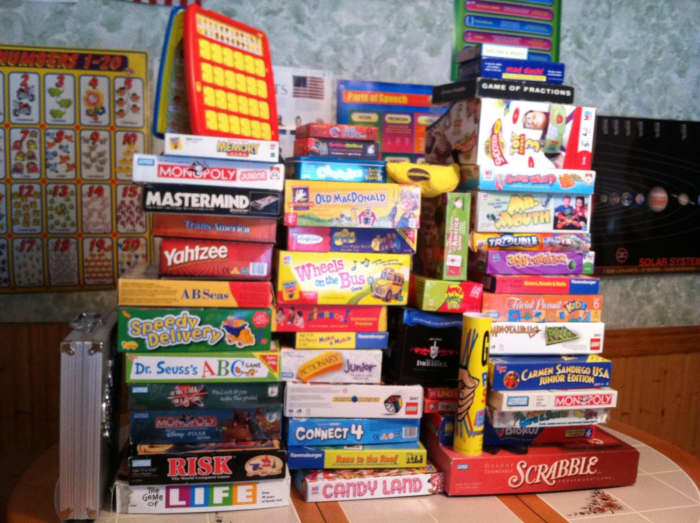
Collectible toys and games, from vintage Barbie dolls to early video game consoles, evoke nostalgia and are highly prized by collectors. These items often represent technological advancements and cultural phenomena of their periods.

Automobiles

Vintage cars are a significant investment for many collectors. Classic automobiles, like the Ford Mustang or Chevrolet Corvette, are celebrated for their design, engineering, and the history they represent. Car shows and auctions are popular venues for enthusiasts to share their passion.

3. The Art of Collecting

Starting a Collection

Building a collection begins with choosing a category that sparks personal interest. Research is key—understanding the history, rarity, and value of items can help collectors make informed decisions. Starting small and gradually expanding the collection allows collectors to learn and grow their expertise.

Preservation and Restoration

Maintaining the condition of vintage items is crucial for preserving their value. Proper storage, cleaning, and sometimes professional restoration can enhance the lifespan of these treasures. It’s important to strike a balance between restoration and maintaining the original integrity of the item.

Buying and Selling

The market for vintage and collectibles is vibrant, with auctions, estate sales, thrift stores, and online platforms like eBay playing significant roles. Networking with other collectors, joining clubs, and attending events can provide valuable insights and opportunities.

4. Why Collecting Matters

Connection to the Past

Collecting vintage and collectibles is a way to connect with history and preserve cultural heritage. Each item tells a story, reflecting the social, economic, and artistic trends of its time.

Investment Potential

Many collectible items appreciate in value over time, making them not only a hobby but also a potential investment. However, the primary motivation for most collectors is passion, rather than profit.

Personal Fulfillment

The joy of finding a rare item, the thrill of the hunt, and the satisfaction of completing a collection bring immense personal fulfillment. Collecting can also be a social activity, fostering connections with others who share similar interests.

Conclusion

Vintage and collectibles offer a unique window into the past, celebrating the craftsmanship, culture, and stories of bygone eras. Whether you are a seasoned collector or just starting, this hobby provides endless opportunities for discovery and enrichment. So, embark on this journey, and let the treasures of the past bring new joy and meaning to your present.


Specialty Hobbies: Discovering Unique Passions

1. Rock Climbing and Bouldering

Rock climbing isn’t just about reaching the top of a cliff—it’s a full-body workout and mental challenge. Bouldering, a form of rock climbing performed on small rock formations or artificial rock walls without the use of ropes, is gaining popularity. It emphasizes short but powerful movements and problem-solving skills.

2. Aquascaping

Aquascaping involves the artistic arrangement of aquatic plants, rocks, stones, and driftwood in an aquarium. It’s akin to underwater gardening and requires a good understanding of both design principles and aquatic biology. The results can be breath-taking underwater landscapes that resemble nature’s own art.

3. Quilling

Quilling, also known as paper filigree, is the art of rolling, shaping, and gluing strips of paper into intricate designs. This delicate craft dates back to the Renaissance and has a meditative quality, making it both a relaxing and creatively satisfying hobby.

4. Home brewing

For those who appreciate a good craft beer or homemade wine, home brewing can be an engaging and rewarding hobby. It involves learning about fermentation processes, experimenting with ingredients, and developing your own signature brews.

5. Astrophotography

Astrophotography combines the love of astronomy with photography. It requires patience, skill, and often specialized equipment to capture stunning images of the night sky, including stars, planets, and distant galaxies. It’s a great way to appreciate the cosmos from your own backyard.

6. Soap Making

Creating your own artisanal soaps allows you to experiment with different scents, colours, and natural ingredients. It’s a practical yet creative hobby that can lead to beautiful and useful products for personal use or as gifts.

7. Model Ship Building

Model ship building is a meticulous hobby that involves constructing miniature ships from kits or from scratch. It requires patience and attention to detail, and the finished models can be beautiful and historically accurate replicas.

8. Geocaching

Geocaching is an outdoor recreational activity where participants use GPS to hide and seek containers, called geocaches or caches, at specific locations marked by coordinates all over the world. It’s a modern-day treasure hunt that’s fun for all ages.

9. Calligraphy

Calligraphy, the art of beautiful handwriting, is an expressive and meditative hobby. It involves learning various lettering styles and techniques to create visually stunning written works. It can be used for invitations, art pieces, or personal journaling.

10. Collecting Rare Plants

The rare plant collecting community is thriving, with enthusiasts seeking out unusual and exotic plants to grow and nurture. From carnivorous plants to rare orchids, this hobby can be both challenging and incredibly rewarding.

11. Leather Crafting

Leather crafting involves making items such as wallets, bags, and belts from leather. It requires learning how to cut, stitch, and finish leather pieces. The result is durable, custom-made items that can last a lifetime.

12. RC Plane Flying

Flying radio-controlled (RC) planes is a thrilling hobby that combines the love of aviation with the precision of engineering. Building and piloting these small aircraft can be both challenging and exhilarating.

13. Pottery

Pottery involves shaping clay into various forms, then firing it in a kiln to create durable ceramic pieces. It’s a hands-on hobby that can be both therapeutic and creatively satisfying, resulting in functional art for daily use.

Why Specialty Hobbies Matter

Specialty hobbies offer more than just a way to pass the time; they can be a source of personal growth, stress relief, and community connection. They challenge you to learn new skills, think creatively, and often, work patiently towards a goal. Moreover, they can connect you with like-minded enthusiasts, both locally and globally, providing a sense of belonging and shared passion.

Whether you’re looking to start a new hobby or deepen your existing interests, diving into a specialty hobby can be a rewarding journey. These hobbies not only enrich your life but can also lead to a greater understanding of yourself and the world around you. So, pick one that piques your interest, and let the adventure begin!

Space Exploration: Humanity’s Journey Beyond Earth

1. The Beginnings of Space Exploration

Early Observations

Human curiosity about the cosmos dates back to ancient civilizations. The Babylonians, Egyptians, Greeks, and Chinese made detailed observations of the night sky, developing early models of the universe. Figures like Aristotle and Ptolemy laid the groundwork for astronomical science with their geocentric models.

The Scientific Revolution

The invention of the telescope by Galileo Galilei in the early 17th century marked a significant leap in space observation. Galileo’s discoveries, such as the moons of Jupiter, provided evidence that not all celestial bodies revolved around the Earth, challenging long-held beliefs and paving the way for modern astronomy.

2. The Space Age

The Launch of Sputnik

The launch of Sputnik 1 by the Soviet Union on October 4, 1957, marks the beginning of the Space Age. As the first artificial satellite to orbit the Earth, Sputnik ignited the space race between the United States and the Soviet Union, leading to rapid advancements in space technology.

The First Human in Space

Yuri Gagarin became the first human to journey into outer space on April 12, 1961, aboard the Vostok 1 spacecraft. His successful orbit around the Earth was a monumental achievement and a testament to human ingenuity and courage.

3. The Apollo Program and the Moon Landings

The Apollo Missions

The United States’ Apollo program, initiated in 1961, aimed to land humans on the Moon and bring them safely back to Earth. This ambitious goal was achieved on July 20, 1969, when Apollo 11 astronauts Neil Armstrong and Buzz Aldrin set foot on the lunar surface. Armstrong’s famous words, “That’s one small step for man, one giant leap for mankind,” echoed the sentiment of this historic accomplishment.

Scientific Discoveries

The Apollo missions provided invaluable scientific data, including lunar samples that helped scientists understand the Moon’s composition and history. These missions also demonstrated the feasibility of human space travel and laid the groundwork for future exploration.

4. Space Stations and Long-Term Missions

The International Space Station (ISS)

The ISS is a collaborative project involving NASA, Roscosmos, ESA, JAXA, and CSA. Since its launch in 1998, the ISS has served as a microgravity laboratory for scientific research and international cooperation. Astronauts aboard the ISS conduct experiments in biology, physics, astronomy, and other fields, contributing to our understanding of space and its effects on the human body.

Mir Space Station

Before the ISS, the Soviet Union’s Mir space station was the largest human-made structure in space from 1986 to 2001. Mir provided a valuable platform for long-duration human spaceflight and numerous scientific experiments.

5. Robotic Explorations and Interplanetary Missions

Mars Rovers

Mars has been a primary focus of robotic exploration. NASA’s rovers, including Spirit, Opportunity, Curiosity, and Perseverance, have been exploring the Martian surface, searching for signs of past life and studying the planet’s geology and climate. These missions have provided stunning images and ground-breaking scientific data.

Voyager Probes

The Voyager 1 and 2 probes, launched in 1977, have travelled beyond our solar system, sending back invaluable data about the outer planets and the heliosphere. Voyager 1 is currently the farthest human-made object from Earth, continuing to communicate with us from interstellar space.

New Horizons

Launched in 2006, New Horizons conducted a historic flyby of Pluto in 2015, capturing detailed images and data of the dwarf planet and its moons. The mission extended our knowledge of the outer solar system and continues to explore the Kuiper Belt.

6. The Future of Space Exploration

Artemis Program

NASA’s Artemis program aims to return humans to the Moon by 2024, with the goal of establishing a sustainable presence and preparing for future missions to Mars. Artemis will include the first woman and the next man to walk on the lunar surface, utilizing new technologies and international partnerships.

Mars Missions

Ambitious plans for human missions to Mars are in development, with both NASA and private companies like SpaceX working towards this goal. These missions will face significant challenges, including long-duration space travel, life support systems, and landing technologies.

Space Tourism

The emergence of space tourism is opening new possibilities for private individuals to experience space. Companies like Blue Origin, SpaceX, and Virgin Galactic are developing commercial spaceflight services, aiming to make space more accessible to the public.

7. The Importance of Space Exploration

Scientific Discovery

Space exploration drives scientific and technological advancements, leading to a better understanding of the universe and our place in it. The knowledge gained from space missions has applications in many fields, from medicine to environmental science.

Inspiration and Unity

Space exploration inspires people around the world, fostering a sense of wonder and ambition. It also promotes international cooperation, as countries collaborate on missions and share scientific data.

Economic and Technological Benefits

The technologies developed for space missions have numerous applications on Earth, driving innovation in industries such as telecommunications, materials science, and computing. Space exploration also creates jobs and stimulates economic growth.

Conclusion

Space exploration represents the pinnacle of human achievement and the relentless pursuit of knowledge. From the first stargazers to the engineers planning missions to Mars, the journey of exploring the cosmos continues to captivate and inspire. As we look to the future, the possibilities for discovery and adventure are boundless, promising new insights and breakthroughs that will shape our understanding of the universe.

Geek Culture: Celebrating Passion and Creativity

1. Defining Geek Culture

What is Geek Culture?

Geek culture revolves around enthusiasm for specific interests and hobbies, often related to technology, science fiction, fantasy, and gaming. It’s characterized by deep knowledge, passion, and a sense of community among like-minded individuals.

2. Key Elements of Geek Culture

Comic Books and Graphic Novels

Comic books and graphic novels are central to geek culture, offering rich storytelling through a blend of art and narrative. Iconic characters from Marvel and DC Comics, like Spider-Man, Batman, and Wonder Woman, have captivated readers for decades and continue to inspire new generations.

Science Fiction and Fantasy

Science fiction and fantasy literature, films, and TV shows are cornerstones of geek culture. Classics like “Star Wars,” “Star Trek,” “The Lord of the Rings,” and “Doctor Who” have created vast, imaginative worlds that allow fans to explore ideas of space travel, magic, and alternate realities.

Video Games

Video games are a major aspect of geek culture, from retro arcade games to modern consoles and PC gaming. Esports, streaming platforms like Twitch, and online multiplayer games have expanded the gaming community, creating new opportunities for social interaction and competition.

Anime and Manga

Anime (Japanese animation) and manga (Japanese comic books) have a dedicated global following. Series like “Naruto,” “Dragon Ball,” and “Attack on Titan” offer diverse genres and storytelling styles, appealing to a wide audience.

3. The Rise of Conventions and Events

Comic-Con and Fan Expos

Events like Comic-Con International in San Diego and various fan expos around the world are meccas for geeks. These conventions offer panels, workshops, and meet-and-greets with creators and celebrities, as well as opportunities to showcase cosplay (costume play) and connect with fellow fans.

Esports Tournaments

Esports tournaments draw massive audiences, both in-person and online. Competitions for games like “League of Legends,” “Dota 2,” and “Overwatch” feature professional players and teams, with prize pools reaching millions of dollars.

4. The Influence of Technology

Online Communities

The internet has played a crucial role in the growth of geek culture. Online forums, social media groups, and fan sites allow geeks to share their passions, discuss theories, and collaborate on creative projects. Platforms like Reddit, Discord, and fan fiction sites provide spaces for community building.

Innovations in Entertainment

Advancements in technology have led to new forms of entertainment that appeal to geeks, such as virtual reality (VR) and augmented reality (AR) experiences. These technologies offer immersive ways to interact with fictional worlds and characters.

5. The Cultural Impact of Geekdom

Mainstream Acceptance

Geek culture has moved from the fringes to the mainstream, influencing movies, TV shows, fashion, and even politics. The success of blockbuster superhero films and fantasy series has demonstrated the widespread appeal of geeky interests.

Diversity and Inclusion

Geek culture is increasingly embracing diversity and inclusion, with greater representation of different genders, ethnicities, and sexual orientations in media and fandoms. This shift promotes a more welcoming and inclusive environment for all fans.

Creativity and Innovation

Geek culture encourages creativity and innovation, inspiring fans to create fan art, write fan fiction, design cosplay, and develop indie games. This culture of creativity often leads to new professional opportunities and collaborations within the entertainment industry.

6. Challenges and Controversies

Gatekeeping

Despite its inclusive ideals, geek culture sometimes struggles with gatekeeping, where certain fans exclude others based on perceived knowledge or authenticity. This behaviour can undermine the sense of community and discourage new fans from participating.

Toxicity in Fandoms

Toxicity in fandoms, including harassment and bullying, is a significant issue. It’s important for communities to promote respectful interactions and address negative behaviours to maintain a positive and supportive environment.

Conclusion

Geek culture is a vibrant and dynamic part of modern society, celebrating passion, creativity, and community. From comic books and video games to conventions and online communities, it offers endless opportunities for exploration and connection. Whether you’re a lifelong geek or just discovering your interests, there’s a place for everyone in the world of geek culture.

Gaming: An Evolving Landscape of Entertainment

1. The Evolution of Gaming

Early Beginnings

The history of gaming dates back to the early 1950s and 60s, with simple computer games like “Tennis for Two” and “Spacewar!” evolving into the iconic arcade games of the 70s and 80s, such as “Pong,” “Pac-Man,” and “Space Invaders.” These early games laid the foundation for a burgeoning industry.

The Console Era

The late 20th century saw the rise of home gaming consoles, starting with the Atari 2600 and leading to the dominance of companies like Nintendo, Sega, and later Sony and Microsoft. Iconic consoles such as the Nintendo Entertainment System (NES), Sega Genesis, PlayStation, and Xbox brought gaming into living rooms around the world.

The PC Gaming Boom

Parallel to the rise of consoles, PC gaming emerged as a significant segment of the market. Early classics like “Doom,” “Starcraft,” and “The Sims” showcased the potential of personal computers as gaming platforms, leading to a thriving ecosystem of hardware and software developments.

The Mobile Revolution

The advent of smartphones brought gaming to a global audience, making it more accessible than ever. Games like “Angry Birds,” “Candy Crush,” and “Pokémon GO” became cultural phenomena, reaching millions of players across all age groups.

2. Diverse Genres and Styles

Action and Adventure

Action and adventure games combine elements of exploration, combat, and puzzle-solving. Titles like “The Legend of Zelda,” “Uncharted,” and “Assassin’s Creed” are known for their immersive worlds and compelling narratives.

Role-Playing Games (RPGs)

RPGs allow players to assume the roles of characters in a fictional setting, often involving deep storylines and character customization. Games like “Final Fantasy,” “The Witcher,” and “Skyrim” offer expansive worlds and intricate plotlines.

First-Person Shooters (FPS)

FPS games focus on weapon-based combat from a first-person perspective. Iconic franchises like “Call of Duty,” “Halo,” and “Counter-Strike” are staples of this genre, known for their competitive multiplayer modes.

Strategy Games

Strategy games emphasize tactical decision-making and resource management. Titles like “Civilization,” “StarCraft,” and “Age of Empires” challenge players to think critically and plan ahead.

Simulation Games

Simulation games replicate real-world activities, from managing cities in “SimCity” to running a farm in “Stardew Valley.” These games often provide relaxing and engaging experiences.

Sports and Racing

Sports and racing games bring the excitement of competitive sports to the gaming world. Franchises like “FIFA,” “NBA 2K,” and “Gran Turismo” offer realistic and thrilling gameplay.

3. The Rise of Esports

Competitive Gaming

Esports, or competitive gaming, has become a global phenomenon, with professional players and teams competing in tournaments for substantial prizes. Games like “League of Legends,” “Dota 2,” and “Overwatch” are popular in the esports scene.

Streaming and Content Creation

Platforms like Twitch and YouTube Gaming have revolutionized how people consume gaming content. Gamers can watch live streams, tutorials, and gameplay videos, creating a vibrant community of content creators and fans.

4. Gaming Culture and Community

Online Multiplayer

The rise of online multiplayer games has transformed gaming into a social activity. Games like “Fortnite,” “Minecraft,” and “Among Us” allow players to connect, collaborate, and compete with others from around the world.

Modding and Custom Content

Many games support modding, where players create custom content ranging from new levels to entirely new game modes. This creativity enhances the longevity and replay ability of games.

Gaming Conventions

Events like E3, PAX, and Games.com provide opportunities for gamers, developers, and industry professionals to come together, showcase new games, and celebrate gaming culture.

5. The Future of Gaming

Virtual Reality (VR) and Augmented Reality (AR)

VR and AR technologies are pushing the boundaries of immersive gaming experiences. Devices like the Oculus Rift, HTC Vive, and PlayStation VR are bringing new dimensions to gaming, allowing players to interact with virtual worlds in unprecedented ways.

Cloud Gaming

Cloud gaming services like Google Stadia, NVIDIA GeForce Now, and Xbox Cloud Gaming (formerly Project xCloud) are transforming how games are accessed and played. These services allow players to stream games directly to their devices without needing high-end hardware.

Inclusive and Accessible Gaming

The industry is increasingly focusing on inclusivity and accessibility, ensuring that games are enjoyable and playable for people of all abilities. Features like customizable controls, subtitles, and colour-blind modes are becoming standard in many games.

Conclusion

Gaming is a constantly evolving medium that offers diverse experiences for players of all ages and interests. From its early beginnings to the cutting-edge technology of today, gaming continues to innovate and captivate. Whether you’re a casual gamer or a dedicated enthusiast, there’s always something new to discover in the world of gaming.

Board Games: More Than Just Entertainment

Ancient Origins

Board games have a rich history dating back to ancient civilizations. Games like Senate, played in ancient Egypt, and Go, originating in China over 2,500 years ago, highlight the long-standing appeal of this form of entertainment. These early games were often more than just pastimes; they were integral to social and cultural practices.

The Middle Ages to the 19th Century

Chess, which emerged in India around the 6th century, and other games like backgammon and checkers, spread across Europe and the Middle East, evolving through the ages. By the 19th century, many of the classic board games we recognize today began to take shape, with notable examples including “The Game of Life” and “Monopoly.”

2. Types of Board Games

Family Games

These games are designed to be easy to learn and fun for all ages. Examples include “Monopoly,” “Scrabble,” and “Uno.” They are perfect for family game nights and casual gatherings.

Strategy Games

Strategy board games require careful planning and tactical thinking. Popular titles like “Risk,” “Settlers of Catan,” and “Ticket to Ride” challenge players to think ahead and outmanoeuvre their opponents.

Party Games

Party games are designed to be played in large groups and often include elements of humour and quick thinking. Games like “Codenames,” “Pictionary,” and “Cards Against Humanity” are staples at social gatherings.

Cooperative Games

In cooperative board games, players work together towards a common goal rather than competing against each other. Examples include “Pandemic,” where players collaborate to stop global outbreaks, and “Forbidden Island,” where teamwork is key to winning.

Thematic Games

Thematic games are immersive experiences that often involve elaborate storylines and detailed components. Games like “Betrayal at House on the Hill” and “Mansions of Madness” take players on adventures where the narrative unfolds with each turn.

3. The Benefits of Board Gaming

Cognitive Skills

Playing board games can improve various cognitive skills, such as problem-solving, critical thinking, and strategic planning. Games that involve memory, like “Memory” and “Concentration,” can help enhance recall abilities.

Social Interaction

Board games provide a fantastic opportunity for social interaction, helping to build relationships and improve communication skills. They encourage face-to-face interaction in an increasingly digital world, fostering a sense of community and camaraderie.

Stress Relief

Engaging in board games can be a great way to unwind and relieve stress. The focus required during gameplay can provide a mental break from everyday worries, promoting relaxation and mental well-being.

4. The Modern Board Game Renaissance

The Rise of Indie Games

The past few decades have seen a surge in independently produced board games, thanks to crowdfunding platforms like Kickstarter. This has led to a boom in creativity and innovation in game design, with new and unique games constantly emerging.

Board Game Cafés

Board game cafés have become popular gathering spots, offering a wide selection of games to play in a social setting. These venues provide a great way to discover new games and meet fellow board game enthusiasts.

Digital Integration

Many board games have transitioned to digital formats, allowing for online play with friends and family across the globe. Apps and online platforms like Table top Simulator and Board Game Arena make it easy to enjoy board games in the digital age.

5. Collecting Board Games

Building a Collection

Collecting board games can be a rewarding hobby. Whether you’re seeking out rare editions, nostalgic childhood favourites, or the latest releases, building a collection allows you to explore a vast array of themes and mechanics.

Preservation and Care

Maintaining the condition of your board games is important for their longevity. Proper storage, such as keeping games in a cool, dry place and using protective sleeves for cards, can help preserve your collection.

Conclusion

Board games are a timeless and versatile form of entertainment that offer a wealth of benefits beyond mere enjoyment. They challenge the mind, bring people together, and provide a break from the digital world. Whether you’re a casual player or a dedicated enthusiast, the world of board games has something to offer everyone.

Astronomy: Unlocking the Mysteries of the Universe

1. The Fundamentals of Astronomy

What is Astronomy?

Astronomy is the branch of science that deals with the study of celestial bodies, such as stars, planets, comets, and galaxies, as well as phenomena that originate outside Earth’s atmosphere, such as cosmic background radiation. It aims to understand the nature, origin, and evolution of these objects and phenomena.

Ancient Astronomy

Ancient civilizations, including the Babylonians, Egyptians, Greeks, and Chinese, made significant contributions to early astronomy. They used the stars to develop calendars, navigate the seas, and understand seasonal changes. The ancient Greeks, in particular, made important strides in understanding celestial motions and the structure of the cosmos.

2. Key Areas of Study in Astronomy

Observational Astronomy

Observational astronomy involves the collection and analysis of data from celestial objects using telescopes and other instruments. This field is divided into various subfields based on the type of electromagnetic radiation observed, including optical, radio, infrared, ultraviolet, X-ray, and gamma-ray astronomy.

Theoretical Astronomy

Theoretical astronomy uses mathematical models and simulations to explain and predict astronomical phenomena. Theoretical astronomers work to understand the underlying physical processes that govern the behavior of celestial objects and the structure of the universe.

3. The Tools of Astronomy

Telescopes

Telescopes are the primary tools for observing the universe. They come in various types, including optical telescopes that collect visible light, radio telescopes that detect radio waves, and space telescopes like the Hubble Space Telescope that operate above Earth’s atmosphere to avoid atmospheric distortion.

Space Probes and Satellites

Space probes and satellites are used to gather data from specific celestial objects and regions of space. Notable missions include the Voyager probes, which have travelled beyond our solar system, and the Mars rovers, which explore the surface of Mars.

4. Significant Discoveries in Astronomy

The Heliocentric Model

Nicolaus Copernicus proposed the heliocentric model of the solar system in the 16th century, which placed the Sun at the centre, rather than the Earth. This ground-breaking theory revolutionized our understanding of the solar system and laid the foundation for modern astronomy.

The Discovery of Gravity

Sir Isaac Newton’s law of universal gravitation explained the forces that govern the motions of celestial bodies. His work, “Principia Mathematica,” published in 1687, provided a mathematical framework for understanding gravity and the orbits of planets and moons.

The Expansion of the Universe

Edwin Hubble’s observations in the 1920s showed that galaxies are moving away from us, indicating that the universe is expanding. This discovery led to the formulation of the Big Bang theory, which describes the origin and evolution of the universe.

5. Exploring Our Solar System

The Sun

The Sun is a G-type main-sequence star at the centre of our solar system. It provides the energy necessary for life on Earth and drives the solar system’s climate and weather patterns. Studying the Sun helps us understand stellar processes and solar phenomena such as sunspots and solar flares.

The Planets

Our solar system consists of eight planets, each with unique characteristics. Mercury, Venus, Earth, and Mars are rocky terrestrial planets, while Jupiter, Saturn, Uranus, and Neptune are gas giants. Missions like the Voyager and the recent Juno probe to Jupiter have provided detailed data about these planets.

Moons and Other Celestial Bodies

Many planets have moons, which are natural satellites that orbit them. Earth’s moon plays a crucial role in tidal patterns and has been a focal point of human exploration. Other notable moons include Jupiter’s Ganymede, Saturn’s Titan, and Neptune’s Triton. Additionally, our solar system contains dwarf planets like Pluto, comets, and asteroids.

6. Beyond Our Solar System

The Milky Way Galaxy

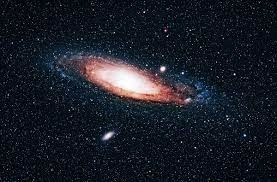
The Milky Way is a spiral galaxy that contains our solar system, along with billions of other stars and their planetary systems. Understanding the structure and dynamics of the Milky Way helps astronomers study the distribution of stars, interstellar gas, and dark matter.

Exoplanets

Exoplanets are planets that orbit stars outside our solar system. The discovery of thousands of exoplanets by missions like Kepler and TESS has expanded our understanding of planetary formation and the potential for life beyond Earth.

Distant Galaxies and the Universe

Astronomy also explores distant galaxies, black holes, and the large-scale structure of the universe. Studying these objects helps scientists understand the evolution of the cosmos, the nature of dark matter and dark energy, and the ultimate fate of the universe.

7. The Future of Astronomy

Upcoming Missions and Telescopes

Future missions and telescopes aim to answer fundamental questions about the universe. The James Webb Space Telescope, set to launch soon, will provide unprecedented views of distant galaxies, star-forming regions, and exoplanets. Other missions, like the Europa Clipper, will explore the potential habitability of Jupiter’s moon Europa.

Citizen Science and Public Engagement

Citizen science projects, like Galaxy Zoo and SETI@home, allow the public to contribute to astronomical research. Engaging people in astronomy fosters a greater appreciation for science and encourages the next generation of astronomers.

Conclusion

Astronomy is a dynamic and ever-evolving field that continually expands our knowledge of the universe. From studying our solar system to exploring distant galaxies, the discoveries made in astronomy have profound implications for our understanding of the cosmos and our place within it. As technology advances and new missions are launched, the future of astronomy promises to be as exciting and enlightening as its storied past.

Astrology & Horoscopes: Exploring the Mysteries of the Stars

1. The Origins of Astrology

Ancient Beginnings

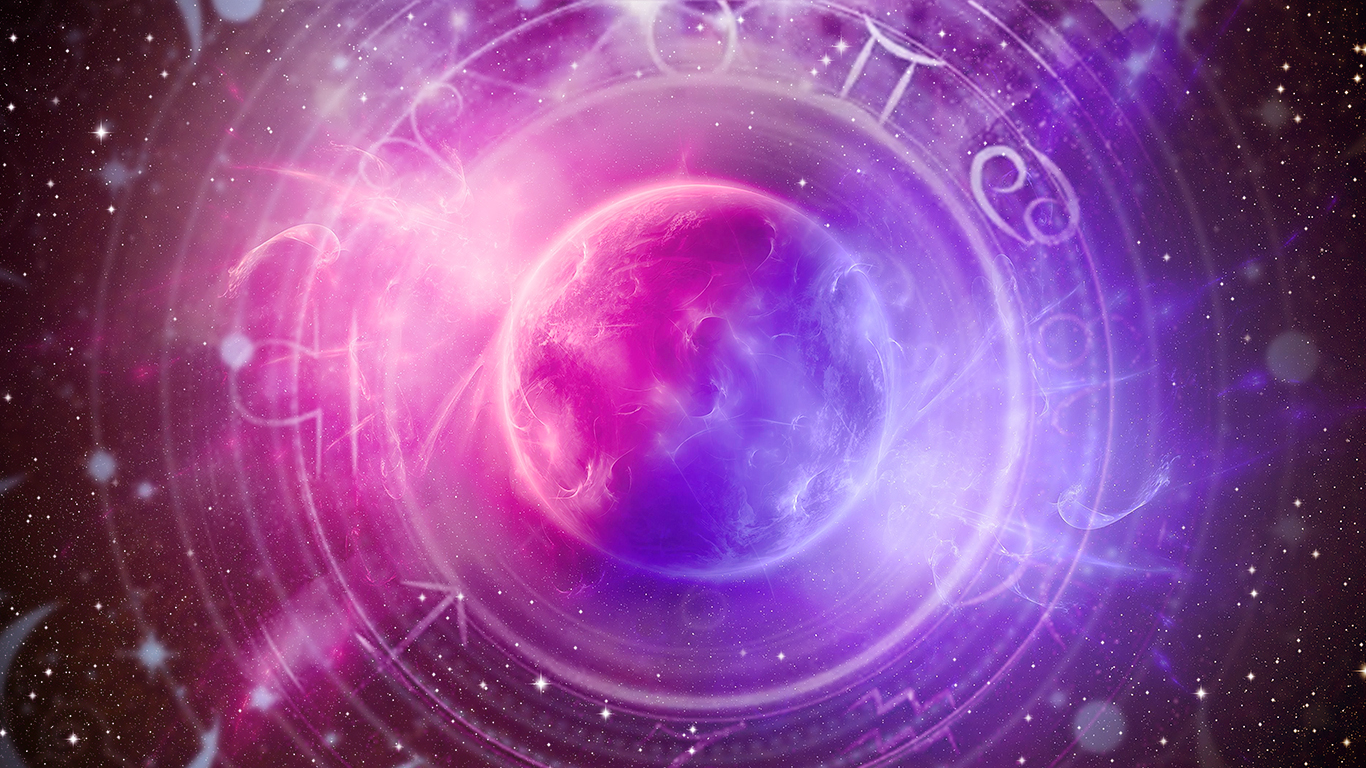
Astrology traces its roots back to ancient civilizations such as the Babylonians, Egyptians, and Greeks. These early astrologers observed the heavens and mapped celestial movements, believing that the positions of the stars and planets could influence human affairs. The Babylonians are credited with developing the zodiac—a circle of twelve 30-degree divisions of celestial longitude based on the apparent path of the sun across the heavens over the course of a year.

Influence of Greek Astrology

The Greeks significantly refined and expanded upon Babylonian astrology. Figures like Ptolemy, whose work “Tetrabiblos” became a foundational text, contributed to the structured astrological systems we are familiar with today. Greek mythology also played a role, with many constellations named after mythological characters.

2. Understanding the Zodiac Signs

The Twelve Zodiac Signs

The zodiac is divided into twelve signs, each associated with specific personality traits and ruled by particular planets. These signs are:

  1. Aries (March 21 – April 19): Bold, ambitious, and confident.
  2. Taurus (April 20 – May 20): Reliable, patient, and practical.
  3. Gemini (May 21 – June 20): Adaptable, outgoing, and intelligent.
  4. Cancer (June 21 – July 22): Emotional, intuitive, and nurturing.
  5. Leo (July 23 – August 22): Charismatic, generous, and dramatic.
  6. Virgo (August 23 – September 22): Analytical, meticulous, and kind.
  7. Libra (September 23 – October 22): Balanced, social, and fair-minded.
  8. Scorpio (October 23 – November 21): Passionate, resourceful, and determined.
  9. Sagittarius (November 22 – December 21): Adventurous, optimistic, and independent.
  10. Capricorn (December 22 – January 19): Disciplined, responsible, and ambitious.
  11. Aquarius (January 20 – February 18): Innovative, progressive, and humanitarian.
  12. Pisces (February 19 – March 20): Compassionate, artistic, and intuitive.

Elements and Modalities

Each sign is also associated with one of the four classical elements—Fire, Earth, Air, and Water—and one of three modalities—Cardinal, Fixed, and Mutable. These classifications further refine the characteristics and behaviours attributed to each sign.

3. The Role of Planets and Houses

Planetary Influences

In astrology, planets represent different aspects of our personalities and life experiences. For example, Mercury governs communication, Venus relates to love and beauty, and Mars signifies action and desire. The position of these planets at the time of one’s birth forms the basis of a natal chart.

The Twelve Houses

The natal chart is divided into twelve houses, each representing different areas of life, such as career, relationships, and home. The alignment of planets within these houses provides deeper insights into various aspects of an individual’s life.

4. Horoscopes: Daily Guidance from the Stars

What Are Horoscopes?

Horoscopes are predictions or advice based on the positions of the stars and planets at a given time. They can provide daily, weekly, or monthly guidance and are often tailored to each zodiac sign. Horoscopes can cover a range of topics, including love, career, health, and general well-being.

How Are Horoscopes Created?

Astrologers create horoscopes by interpreting the current positions of celestial bodies and how they interact with each other and with the zodiac signs. They consider aspects such as conjunctions, oppositions, and trines to offer insights and predictions.

5. Astrology in Modern Culture

Astrology Apps and Websites

The digital age has brought astrology to a wider audience than ever before. Numerous apps and websites offer personalized horoscopes, natal chart readings, and astrological guidance. These platforms make it easy for anyone to explore astrology from their smartphones.

Astrology in Media and Pop Culture

Astrology has a significant presence in modern media and pop culture. Celebrities often share their zodiac signs, and astrological references appear in movies, TV shows, and music. Social media platforms are filled with astrological memes, discussions, and communities.

6. Criticism and Scepticism

The Scientific Perspective

Many scientists and skeptics dismiss astrology as a pseudoscience, arguing that there is no empirical evidence supporting its claims. They point out that astrology’s predictive power is no better than chance and that its principles are not based on the scientific method.

The Subjective Experience

Despite the lack of scientific validation, many people find personal value and meaning in astrology. They use it as a tool for self-reflection, understanding relationships, and navigating life’s challenges. For these individuals, astrology offers a framework for exploring their inner world.

Conclusion

Astrology and horoscopes offer a fascinating blend of history, mythology, and personal insight. Whether you approach them with belief or skepticism, they provide a unique lens through which to view the world and ourselves. The enduring popularity of astrology speaks to its ability to captivate our imaginations and offer a sense of connection to the cosmos.