
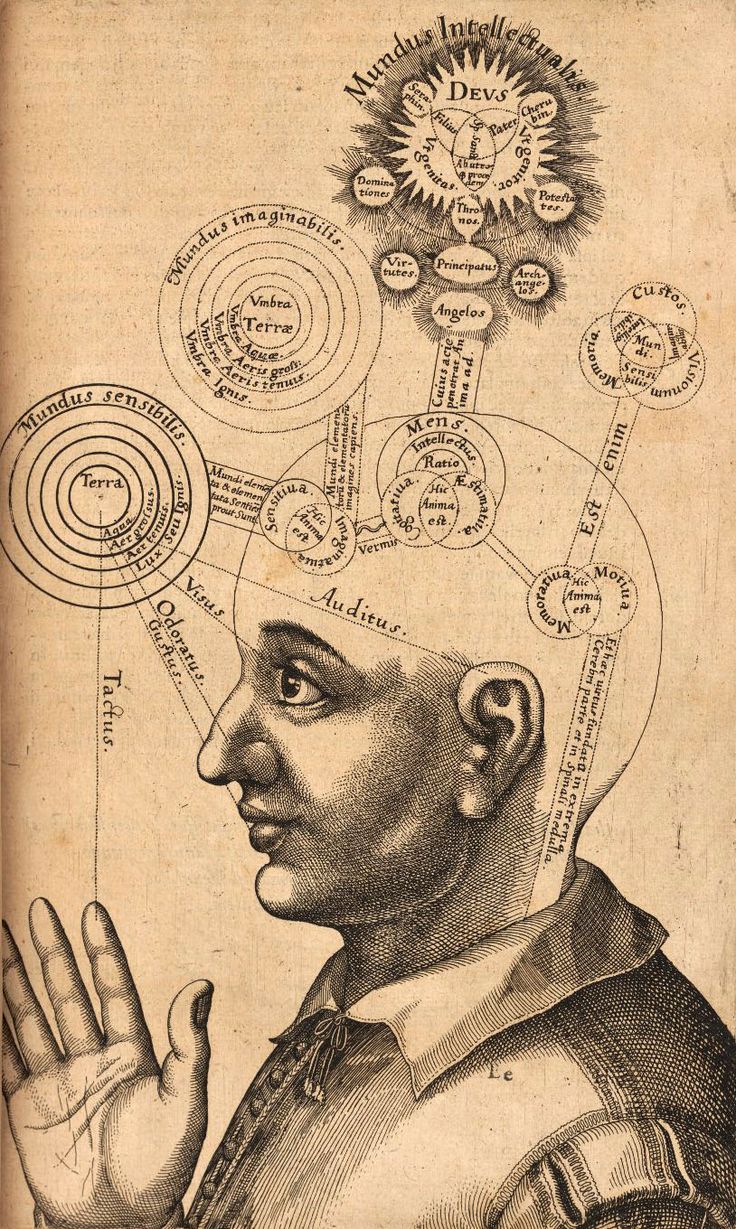
Introduction: Philosophy is the study of the fundamental nature of knowledge, reality, and existence. It involves critical thinking, logical analysis, and the exploration of complex questions that have puzzled humanity for centuries. The field of philosophy encompasses a wide range of topics, including ethics, metaphysics, epistemology, logic, and political theory. This article delves into the significance of philosophy, key philosophical movements and thinkers, major branches of philosophy, and the impact of philosophical thought on contemporary society.
1. The Significance of Philosophy:
Critical Thinking and Reasoning:
- Philosophy teaches us how to think critically and reason logically. It encourages the examination of assumptions, the evaluation of arguments, and the development of coherent and persuasive ideas. These skills are valuable not only in academic settings but also in everyday decision-making and problem-solving.
Exploring Fundamental Questions:
- Philosophers grapple with fundamental questions about existence, knowledge, morality, and the nature of reality. These inquiries help us understand the world and our place in it, providing a deeper sense of meaning and purpose.
Ethical Guidance:
- Philosophy provides ethical frameworks that guide human behavior and decision-making. By exploring different moral theories and principles, individuals and societies can develop a clearer understanding of what is right and wrong, just and unjust.
Influencing Other Disciplines:
- Philosophical thought has a profound influence on various disciplines, including science, politics, literature, and art. Philosophical concepts and methods contribute to advancements in these fields by fostering critical inquiry and expanding our understanding of complex issues.
2. Key Philosophical Movements and Thinkers:
Ancient Philosophy:
- Ancient philosophy laid the groundwork for Western thought. Socrates emphasized the importance of questioning and self-examination, Plato explored the nature of reality and ideal forms, and Aristotle developed systematic approaches to logic, ethics, and metaphysics.
Medieval Philosophy:
- Medieval philosophy focused on the relationship between faith and reason. Thinkers like St. Augustine and St. Thomas Aquinas sought to reconcile Christian theology with classical philosophy, exploring topics such as the existence of God, the nature of the soul, and the problem of evil.
Renaissance and Enlightenment:
- The Renaissance revived interest in classical philosophy and humanism. The Enlightenment, or Age of Reason, emphasized reason, individualism, and skepticism of traditional authority. Key figures include René Descartes, John Locke, and Immanuel Kant, who explored concepts such as knowledge, liberty, and morality.
Modern and Contemporary Philosophy:
- Modern philosophy, beginning in the 17th century, brought new approaches to understanding the mind, reality, and society. Thinkers like David Hume, Friedrich Nietzsche, and Karl Marx challenged established ideas and introduced new perspectives on empiricism, existentialism, and political theory. Contemporary philosophy continues to evolve, addressing issues such as language, consciousness, and social justice.
3. Major Branches of Philosophy:
Metaphysics:
- Metaphysics explores the nature of reality, existence, and the fundamental structure of the universe. It addresses questions about what exists, the nature of time and space, and the relationship between mind and matter. Key concepts include being, causality, and identity.
Epistemology:
- Epistemology is the study of knowledge and belief. It examines the nature, sources, and limits of knowledge, as well as the criteria for justified belief. Philosophers in this field explore concepts such as perception, rationality, scepticism, and truth.
Ethics:
- Ethics, or moral philosophy, investigates questions about right and wrong, good and evil, and the principles that guide human conduct. Ethical theories include consequentialism, deontology, and virtue ethics. Philosophers like Immanuel Kant, John Stuart Mill, and Aristotle have made significant contributions to this field.
Logic:
- Logic is the study of reasoning and argumentation. It involves the analysis of valid inference, the structure of propositions, and the principles of deductive and inductive reasoning. Logical systems, such as formal logic and symbolic logic, provide tools for evaluating the soundness of arguments.
Political Philosophy:
- Political philosophy explores questions about justice, power, authority, and the organization of society. It examines concepts such as rights, freedom, and equality, and addresses issues related to governance, law, and public policy. Influential thinkers include Thomas Hobbes, John Locke, Jean-Jacques Rousseau, and John Rawls.
4. The Impact of Philosophical Thought on Contemporary Society:
Influencing Public Policy:
- Philosophical ideas have shaped modern political systems and public policies. Concepts such as democracy, human rights, and social justice are rooted in philosophical thought and continue to influence legislative and judicial decisions.
Advancing Scientific Inquiry:
- Philosophy of science examines the foundations, methods, and implications of scientific practices. Philosophers like Karl Popper and Thomas Kuhn have contributed to our understanding of scientific progress, the nature of scientific theories, and the role of paradigms in scientific revolutions.
Addressing Ethical Dilemmas:
- Ethical philosophy provides frameworks for addressing contemporary moral issues such as bioethics, environmental ethics, and artificial intelligence. Philosophers contribute to debates on topics like medical ethics, climate change, and the ethical implications of technological advancements.
Enhancing Education and Critical Thinking:
- Philosophy education fosters critical thinking, creativity, and intellectual curiosity. By engaging with philosophical texts and ideas, students develop skills in analysis, argumentation, and reflective thinking, which are valuable in various aspects of life and career.
Conclusion:
Philosophy is a vital field that encourages deep inquiry into the nature of reality, knowledge, and ethics. By exploring the thoughts of past and present philosophers, we gain valuable insights into the complexities of the human experience. Philosophy’s influence extends beyond academia, shaping public policy, scientific inquiry, and ethical decision-making. Embracing philosophical thought allows us to navigate the challenges of contemporary society with greater understanding and purpose.