
Introduction
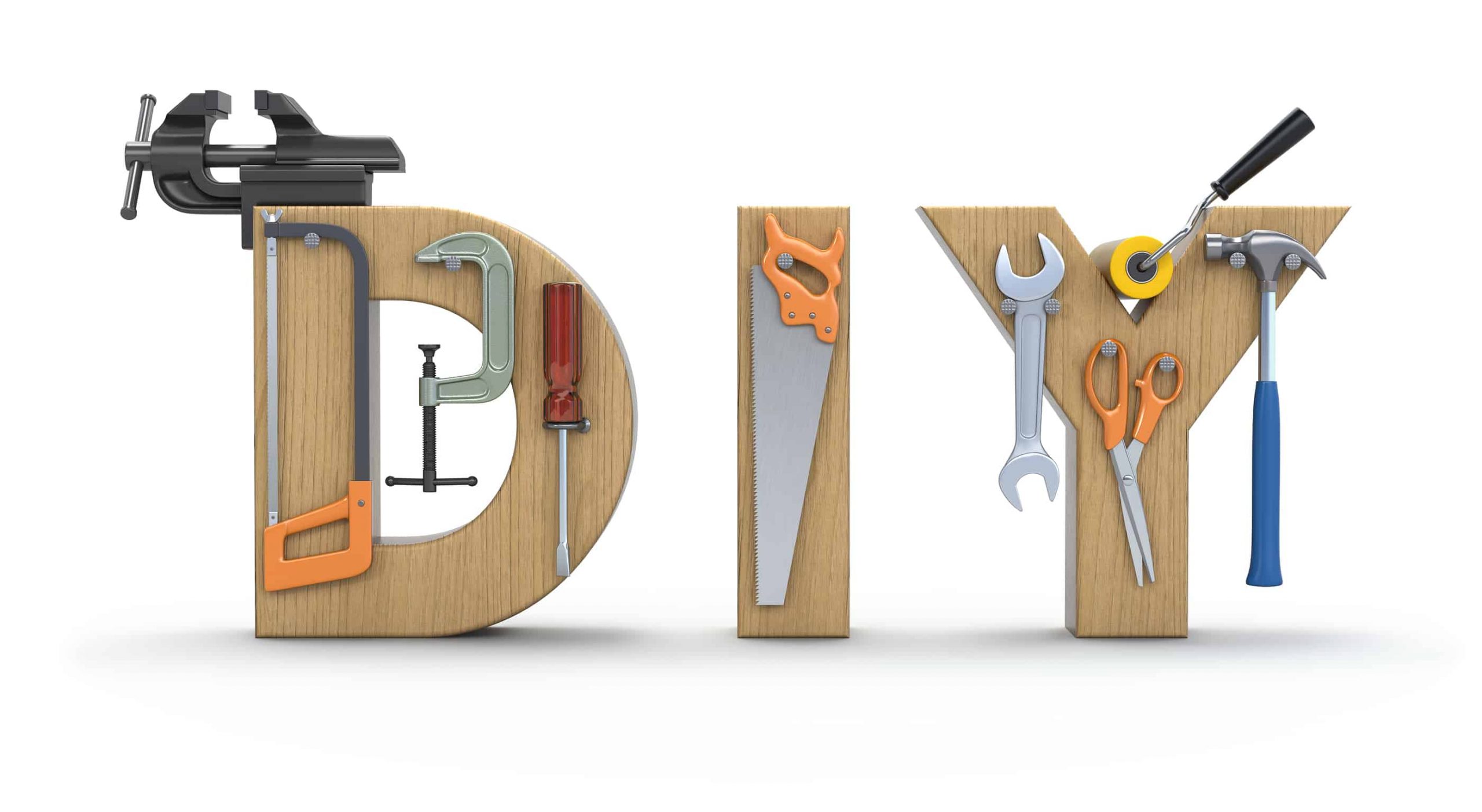
DIY, or Do-It-Yourself, is more than just a hobby; it’s a movement that empowers individuals to take control of their living spaces, creative projects, and even their lives. The DIY ethos revolves around the idea of creating, building, or repairing things without the direct aid of professionals. This approach not only fosters creativity and self-reliance but also promotes sustainability and cost savings. In this article, we’ll dive deep into the world of DIY, exploring its origins, benefits, popular projects, and the skills you can develop along the way.
Section 1: Origins of DIY
The concept of DIY has been around for centuries, but it gained significant traction in the mid-20th century as a response to industrialization and mass production.
- Historical Roots: DIY practices date back to ancient times when people built their homes, crafted tools, and made clothing by hand. These skills were passed down through generations and were essential for survival.
- Modern Movement: The modern DIY movement emerged in the 1950s and 1960s, particularly in the United States and Europe, as people began to seek alternatives to mass-produced goods. Magazines, books, and television shows dedicated to DIY projects started to appear, making information more accessible to the average person.
- Cultural Influence: The punk rock movement of the 1970s and 1980s also played a role in popularizing DIY, with its emphasis on self-sufficiency, creativity, and anti-establishment values. This spirit of independence continues to influence the DIY community today.
Section 2: Benefits of DIY
Engaging in DIY projects offers numerous advantages that go beyond mere cost savings.
- Personalization: DIY allows you to tailor your projects to your specific tastes and needs, resulting in unique and personalized creations that reflect your personality.
- Cost Savings: By doing the work yourself, you can save money on labor and often find budget-friendly materials. Additionally, repurposing and upcycling items can further reduce costs.
- Skill Development: DIY projects help you develop practical skills such as carpentry, painting, sewing, and basic electrical work. These skills can be useful in various aspects of life and can boost your confidence.
- Sustainability: DIY promotes sustainability by encouraging the reuse and repurposing of materials. Creating your own items reduces the demand for mass-produced goods, which often have a larger environmental footprint.
- Sense of Accomplishment: Completing a DIY project provides a sense of achievement and satisfaction. Seeing the results of your hard work can be incredibly rewarding.
Section 3: Popular DIY Projects
DIY projects can range from simple crafts to complex home renovations. Here are some popular categories to inspire you:
- Home Improvement: Projects like painting walls, installing shelves, and building furniture can transform your living space. Home improvement projects enhance both the functionality and aesthetics of your home.
- Crafts and Hobbies: DIY crafts such as knitting, crocheting, scrapbooking, and jewelry making allow for creative expression and make for thoughtful, handmade gifts.
- Gardening: Building raised garden beds, creating compost bins, and designing vertical gardens are popular DIY projects that promote sustainable living.
- Upcycling and Repurposing: Give new life to old items by upcycling them into something useful or decorative. For example, turning old pallets into furniture or using mason jars for storage and organization.
- Technology and Gadgets: DIY enthusiasts can also delve into tech projects like building computers, creating smart home devices, or assembling custom electronics.
Section 4: Getting Started with DIY
Starting your DIY journey can be both exciting and daunting. Here are some tips to help you get started:
- Identify Your Interests: Consider what types of projects you are passionate about. Whether it’s home decor, crafting, or gardening, choose a starting point that excites you.
- Gather Supplies: Invest in basic tools and materials that are relevant to your chosen projects. Common tools include a hammer, screwdrivers, a tape measure, and a power drill.
- Learn from Resources: Take advantage of the vast array of resources available, such as online tutorials, books, magazines, and workshops. Learning from experienced DIYers can provide valuable insights and techniques.
- Start Small: Begin with simple projects to build your confidence and skills. As you gain experience, you can gradually tackle more complex and ambitious projects.
- Join a Community: Connect with other DIY enthusiasts through social media groups, local clubs, or workshops. Sharing ideas and experiences can provide motivation and inspiration.
Conclusion
DIY is more than just a trend; it’s a way of life that encourages creativity, self-sufficiency, and sustainability. By embracing the DIY mindset, you can transform your living spaces, develop valuable skills, and contribute to a more personalized and eco-friendly world. Whether you’re a seasoned DIYer or a beginner, there’s always a new project to embark on and a new skill to learn. So, roll up your sleeves, unleash your creativity, and start your DIY journey today!