
Ancient Origins
Board games have a rich history dating back to ancient civilizations. Games like Senate, played in ancient Egypt, and Go, originating in China over 2,500 years ago, highlight the long-standing appeal of this form of entertainment. These early games were often more than just pastimes; they were integral to social and cultural practices.
The Middle Ages to the 19th Century
Chess, which emerged in India around the 6th century, and other games like backgammon and checkers, spread across Europe and the Middle East, evolving through the ages. By the 19th century, many of the classic board games we recognize today began to take shape, with notable examples including “The Game of Life” and “Monopoly.”
2. Types of Board Games
Family Games
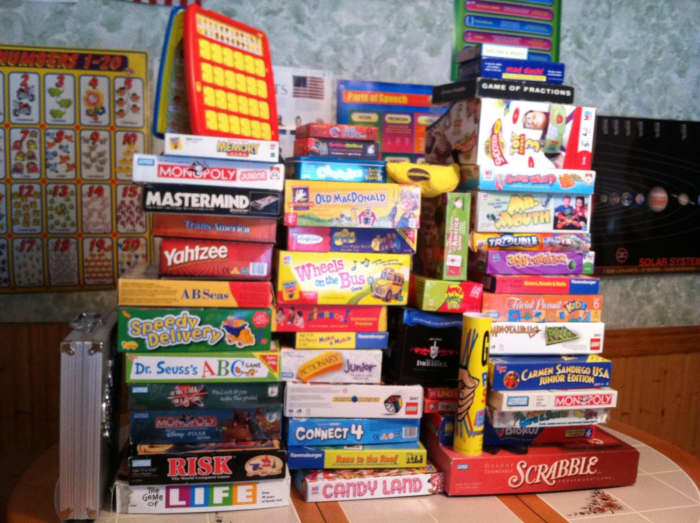
These games are designed to be easy to learn and fun for all ages. Examples include “Monopoly,” “Scrabble,” and “Uno.” They are perfect for family game nights and casual gatherings.
Strategy Games
Strategy board games require careful planning and tactical thinking. Popular titles like “Risk,” “Settlers of Catan,” and “Ticket to Ride” challenge players to think ahead and outmanoeuvre their opponents.
Party Games
Party games are designed to be played in large groups and often include elements of humour and quick thinking. Games like “Codenames,” “Pictionary,” and “Cards Against Humanity” are staples at social gatherings.
Cooperative Games
In cooperative board games, players work together towards a common goal rather than competing against each other. Examples include “Pandemic,” where players collaborate to stop global outbreaks, and “Forbidden Island,” where teamwork is key to winning.
Thematic Games
Thematic games are immersive experiences that often involve elaborate storylines and detailed components. Games like “Betrayal at House on the Hill” and “Mansions of Madness” take players on adventures where the narrative unfolds with each turn.
3. The Benefits of Board Gaming
Cognitive Skills
Playing board games can improve various cognitive skills, such as problem-solving, critical thinking, and strategic planning. Games that involve memory, like “Memory” and “Concentration,” can help enhance recall abilities.
Social Interaction
Board games provide a fantastic opportunity for social interaction, helping to build relationships and improve communication skills. They encourage face-to-face interaction in an increasingly digital world, fostering a sense of community and camaraderie.
Stress Relief
Engaging in board games can be a great way to unwind and relieve stress. The focus required during gameplay can provide a mental break from everyday worries, promoting relaxation and mental well-being.
4. The Modern Board Game Renaissance
The Rise of Indie Games
The past few decades have seen a surge in independently produced board games, thanks to crowdfunding platforms like Kickstarter. This has led to a boom in creativity and innovation in game design, with new and unique games constantly emerging.
Board Game Cafés
Board game cafés have become popular gathering spots, offering a wide selection of games to play in a social setting. These venues provide a great way to discover new games and meet fellow board game enthusiasts.
Digital Integration
Many board games have transitioned to digital formats, allowing for online play with friends and family across the globe. Apps and online platforms like Table top Simulator and Board Game Arena make it easy to enjoy board games in the digital age.
5. Collecting Board Games
Building a Collection
Collecting board games can be a rewarding hobby. Whether you’re seeking out rare editions, nostalgic childhood favourites, or the latest releases, building a collection allows you to explore a vast array of themes and mechanics.
Preservation and Care
Maintaining the condition of your board games is important for their longevity. Proper storage, such as keeping games in a cool, dry place and using protective sleeves for cards, can help preserve your collection.
Conclusion
Board games are a timeless and versatile form of entertainment that offer a wealth of benefits beyond mere enjoyment. They challenge the mind, bring people together, and provide a break from the digital world. Whether you’re a casual player or a dedicated enthusiast, the world of board games has something to offer everyone.