Festival & Event Coverage: Capturing the Magic

1. Preparation and Research

Understanding the Event

Before attending, gather as much information as possible about the event. Understand its purpose, history, and significance. Know the key attractions, schedules, and any prominent figures or performers. This will help you plan your coverage and ensure you don’t miss important moments.

Planning Your Approach

Decide on the type of coverage you want to provide—live updates, in-depth articles, photo essays, video reports, or a mix of these. Determine the platforms you’ll use (blog, social media, website) and tailor your content to each. Prepare a checklist of equipment, including cameras, microphones, notepads, and portable chargers.

2. On-Site Coverage

Arriving Early

Get to the event early to familiarize yourself with the layout and identify the best spots for capturing key moments. Arriving early also allows you to gather pre-event atmosphere and behind-the-scenes shots, which add depth to your coverage.

Capturing the Atmosphere

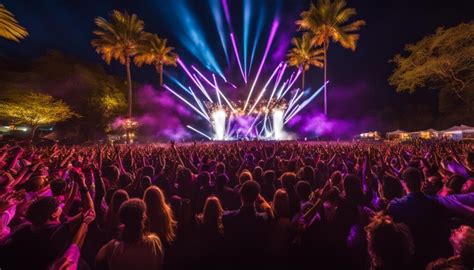
Focus on capturing the atmosphere and unique elements that define the event. Take wide shots of the crowd, close-ups of interesting details, and candid moments. Interview attendees, performers, and organizers to get diverse perspectives and add authenticity to your coverage.

Real-Time Updates

Use social media platforms for live updates, sharing short videos, photos, and quick observations as the event unfolds. Hashtags can help increase visibility and engagement. Real-time updates keep your audience engaged and create a sense of immediacy.

3. Storytelling and Content Creation

Crafting Your Narrative

Every event has a story to tell. Find a central theme or angle that ties your coverage together. It could be the impact of the event, a personal story of an attendee, or a behind-the-scenes look at what makes the event special. Craft your narrative to highlight this theme.

High-Quality Visuals

High-quality visuals are crucial for engaging coverage. Use a combination of wide shots, close-ups, and action shots to tell the story visually. Edit your photos and videos to enhance their quality, but keep them true to the event’s feel.

Engaging Writing

Write engaging articles that capture the essence of the event. Use descriptive language to paint a vivid picture for your readers. Include quotes from interviews, interesting anecdotes, and your own observations. Keep your writing concise and focused to maintain reader interest.

4. Post-Event Follow-Up

Final Wrap-Up

After the event, compile your best content into a comprehensive wrap-up. This could be a detailed blog post, a video recap, or a photo gallery. Reflect on the event’s highlights, share any exclusive insights you gathered, and provide your personal takeaways.

Audience Engagement

Engage with your audience by responding to comments, sharing additional content, and asking for their feedback. Encouraging audience interaction can help build a community around your coverage and increase its reach.

Archiving and Repurposing Content

Archive your coverage for future reference and consider repurposing it for different formats. For example, a blog post can be turned into a series of social media posts, or a photo essay can be part of a larger portfolio. Repurposing content maximizes its value and reach.

5. Ethical and Responsible Coverage

Accurate Reporting

Ensure that your coverage is accurate and fair. Verify facts, quote sources correctly, and avoid sensationalism. Responsible reporting builds trust with your audience and upholds the integrity of your work.

Respecting Privacy

Respect the privacy of event attendees and obtain consent before taking close-up photos or conducting interviews. Be mindful of cultural sensitivities and the event’s guidelines regarding media coverage.

Conclusion

Covering festivals and events is a dynamic and rewarding endeavor that allows you to share the energy, excitement, and stories of these gatherings with a broader audience. Through thorough preparation, creative storytelling, and ethical reporting, you can create engaging and memorable coverage that resonates with your audience.
Events & Lifestyle: The Heartbeat of Our Lives

1. The Importance of Events

Social Connection

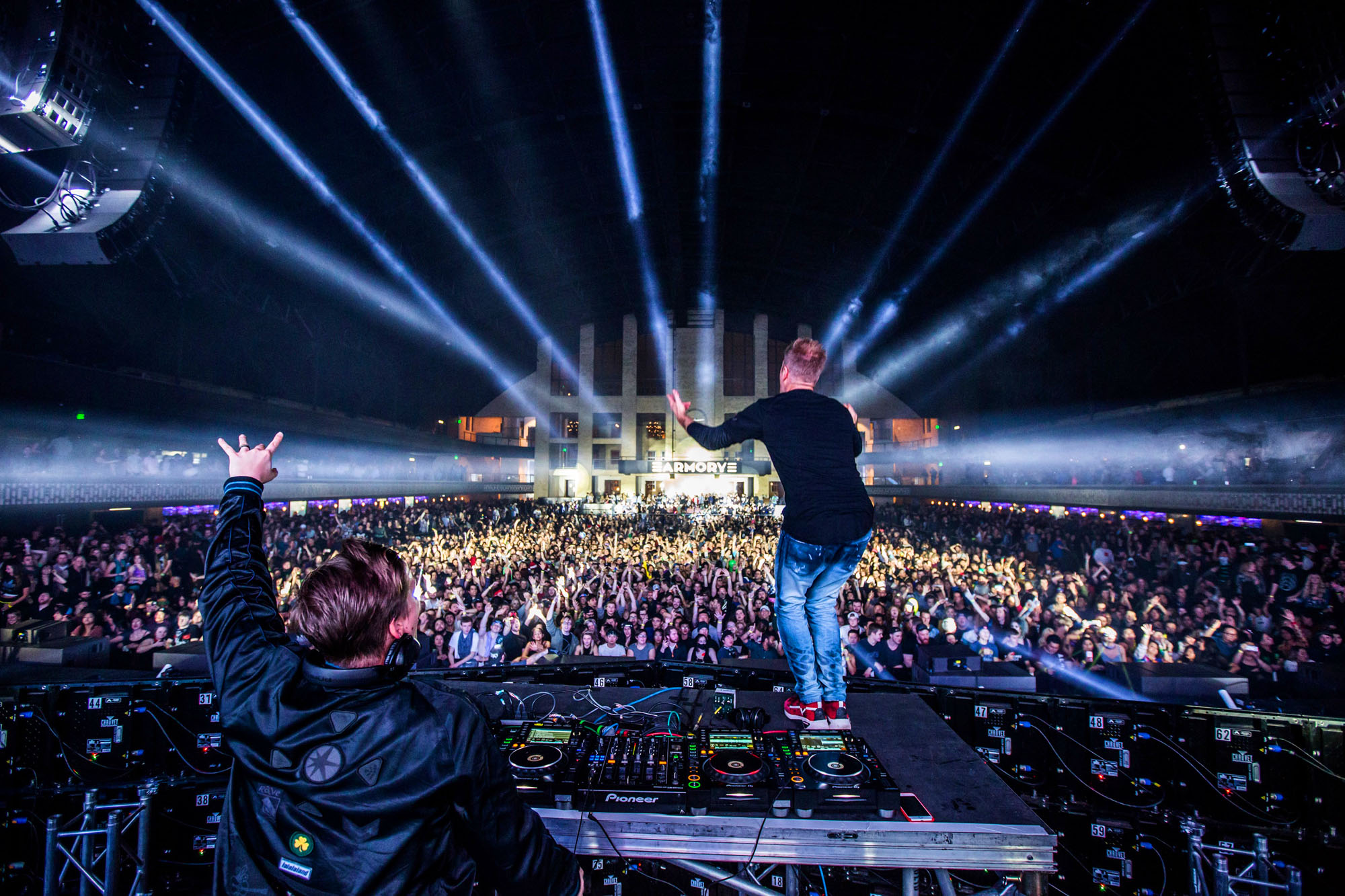
Events, whether personal or public, provide a platform for social interaction. They bring people together, fostering connections and building relationships. Celebrations like weddings, birthdays, and anniversaries create lasting memories and reinforce bonds with loved ones. Public events like festivals, concerts, and sports games allow us to meet new people, share experiences, and feel part of a community.

Cultural Significance

Cultural events such as religious festivals, national holidays, and traditional ceremonies are essential in preserving and celebrating cultural heritage. They offer a chance to honor traditions, pass down customs, and educate younger generations about their roots. These events also promote cultural exchange and understanding in our increasingly globalized world.

Personal Growth and Learning

Attending conferences, workshops, and seminars can be transformative experiences. These events provide opportunities for professional development, skill acquisition, and knowledge enhancement. They also inspire personal growth by exposing individuals to new ideas, perspectives, and innovations.

2. Lifestyle Choices and Well-being

Health and Wellness

A healthy lifestyle is fundamental to overall well-being. Regular exercise, balanced nutrition, and adequate sleep are crucial components of a healthy lifestyle. Engaging in physical activities such as yoga, jogging, or dancing not only improves physical health but also boosts mental well-being. A balanced diet rich in fruits, vegetables, and whole grains fuels the body and mind, while good sleep hygiene ensures restorative rest.

Hobbies and Recreation

Hobbies and recreational activities are vital for relaxation and stress relief. Whether it’s painting, gardening, playing a musical instrument, or hiking, these activities provide a creative outlet and a sense of accomplishment. They also offer a break from daily routines, helping to recharge and rejuvenate.

Sustainable Living

Adopting a sustainable lifestyle is becoming increasingly important in the modern world. Practices such as recycling, using eco-friendly products, and reducing carbon footprints contribute to environmental conservation. Sustainable living not only benefits the planet but also fosters a sense of responsibility and purpose.

3. The Intersection of Events and Lifestyle

Travel and Exploration

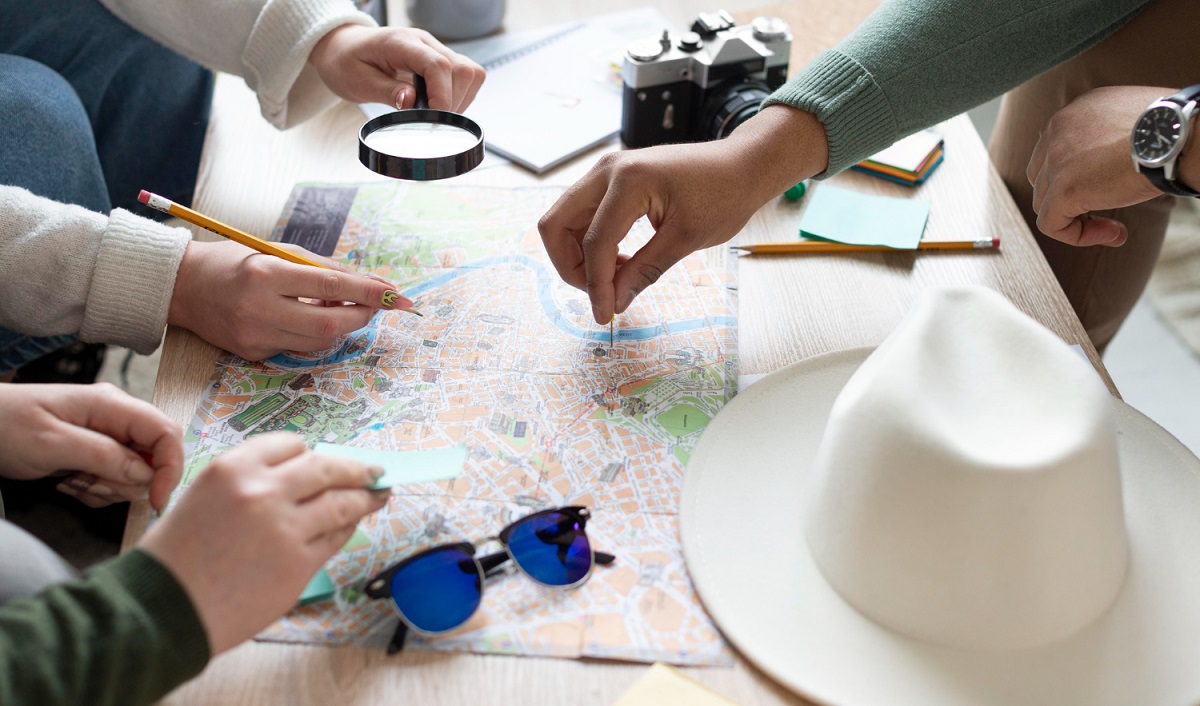
Traveling to attend events or simply to explore new destinations is a lifestyle choice that broadens horizons and enriches life experiences. Travel exposes individuals to different cultures, cuisines, and landscapes, promoting cultural appreciation and personal growth. Events like international festivals or sporting events can be the perfect excuse to embark on an adventure.

Food and Dining

Food plays a central role in both events and lifestyle. Culinary experiences, whether it’s a family dinner, a cooking class, or a food festival, bring people together and create shared memories. Exploring diverse cuisines and dining experiences can also be a lifestyle pursuit, offering joy and satisfaction.

Work-Life Balance

Striking a balance between work and personal life is crucial for well-being. Lifestyle choices that prioritize leisure, family time, and self-care help prevent burnout and enhance productivity. Events like corporate retreats, family vacations, and community gatherings are important for maintaining this balance.

4. Creating Memorable Experiences

Planning and Participation

Active participation in planning and attending events can be incredibly rewarding. Whether it’s organizing a small get-together or a large-scale event, the process involves creativity, teamwork, and attention to detail. The satisfaction of seeing an event come to life and the joy it brings to participants make the effort worthwhile.

Embracing the Moment

Living a fulfilling lifestyle means embracing each moment and finding joy in everyday activities. Whether it’s savoring a meal, enjoying a walk in nature, or celebrating a milestone, being present and mindful enhances the overall quality of life.

Conclusion

Events and lifestyle choices are the fabric of our lives, shaping our experiences, relationships, and personal growth. They provide opportunities for connection, learning, and enjoyment, contributing to our overall well-being and happiness. By embracing meaningful events and making conscious lifestyle choices, we can create a rich, fulfilling life filled with joy and purpose.

Event Planning: Turning Ideas into Unforgettable Experiences

1. The Foundations of Event Planning

Understanding the Purpose

Every event begins with a clear understanding of its purpose. Whether it’s to celebrate a milestone, promote a brand, or raise funds for a cause, defining the event’s objectives is crucial. This step guides all subsequent planning and decision-making processes.

Setting Goals and Objectives

Clearly defined goals and objectives help measure the success of the event. Goals might include the number of attendees, the amount of money raised, or the level of engagement. Objectives are specific, actionable steps that support the overarching goals.

2. Planning and Preparation

Budgeting

Creating a comprehensive budget is one of the first steps in event planning. The budget should cover all expenses, including venue costs, catering, entertainment, marketing, and contingency funds. Staying within budget is essential to avoid financial stress and ensure all elements of the event are adequately funded.

Selecting a Venue

The choice of venue sets the tone for the event. Factors to consider include location, capacity, facilities, accessibility, and ambiance. The venue should align with the event’s theme and be convenient for the target audience.

Date and Time

Choosing the right date and time is crucial for maximizing attendance. Consider factors such as the availability of key participants, potential conflicts with other events, and seasonal variations. Ensure the chosen date allows sufficient time for planning and promotion.

3. Theme and Design

Concept Development

Developing a cohesive theme or concept adds a unique flair to the event and helps tie all elements together. The theme should reflect the event’s purpose and appeal to the target audience. It influences the choice of decorations, colour schemes, and overall aesthetic.

Visual and Sensory Design

Visual elements such as lighting, decorations, and signage create an immersive experience. Consider the use of technology, such as projection mapping or interactive displays, to enhance engagement. Don’t forget sensory aspects like sound and scent, which can significantly impact the atmosphere.

4. Logistics and Coordination

Catering and Menu Planning

Food and beverages are a key aspect of most events. Choose a catering service that can deliver quality and aligns with the event’s theme and guest preferences. Consider dietary restrictions and provide diverse options to accommodate all attendees.

Entertainment and Activities

Entertainment can range from live music and performances to interactive workshops and games. Select entertainment that resonates with the audience and adds value to the event experience. Ensure there is a good mix of activities to keep guests engaged.

Vendor Management

Working with reliable vendors is critical to the success of the event. This includes caterers, decorators, entertainers, and technical support. Establish clear contracts and maintain open communication to ensure all vendors deliver on their commitments.

5. Marketing and Promotion

Target Audience

Identify the target audience and tailor marketing efforts to reach them effectively. Use demographic and psychographic data to understand their preferences and behaviours.

Promotional Strategies

Utilize a mix of traditional and digital marketing channels to promote the event. This can include social media, email campaigns, flyers, press releases, and partnerships with influencers or local businesses. Create a buzz through engaging content and early bird promotions.

Registration and Ticketing

Simplify the registration and ticketing process with user-friendly platforms. Offer various ticket options, such as early bird discounts, group rates, and VIP packages. Ensure the process is secure and accessible.

6. Execution and Management

On-the-Day Coordination

On the day of the event, coordination is key to ensure everything runs smoothly. Assign roles and responsibilities to team members, conduct briefings, and establish a clear communication plan. Be prepared to handle any unexpected issues that arise.

Guest Experience

Focus on creating a positive guest experience from arrival to departure. This includes efficient check-in processes, comfortable seating, clear signage, and friendly staff. Pay attention to details that enhance guest comfort and enjoyment.

7. Post-Event Follow-Up

Evaluation and Feedback

Gather feedback from attendees, staff, and vendors to assess the event’s success and identify areas for improvement. Use surveys, interviews, and social media to collect valuable insights.

Reporting and Analysis

Compile a detailed report that includes key metrics, such as attendance numbers, revenue generated, and social media engagement. Analyse the data to understand what worked well and what can be improved for future events.

Thank-You Messages

Send thank-you messages to attendees, sponsors, and vendors to show appreciation for their participation and support. This helps build positive relationships and encourages future collaboration.

Conclusion Event planning is a dynamic and rewarding process that requires careful preparation, creativity, and attention to detail. By understanding the purpose, setting clear goals, and meticulously planning each aspect, you can create memorable experiences that leave a lasting impact on attendees. Whether it’s a small gathering or a large-scale event, the effort put into planning and execution is key to its success.