
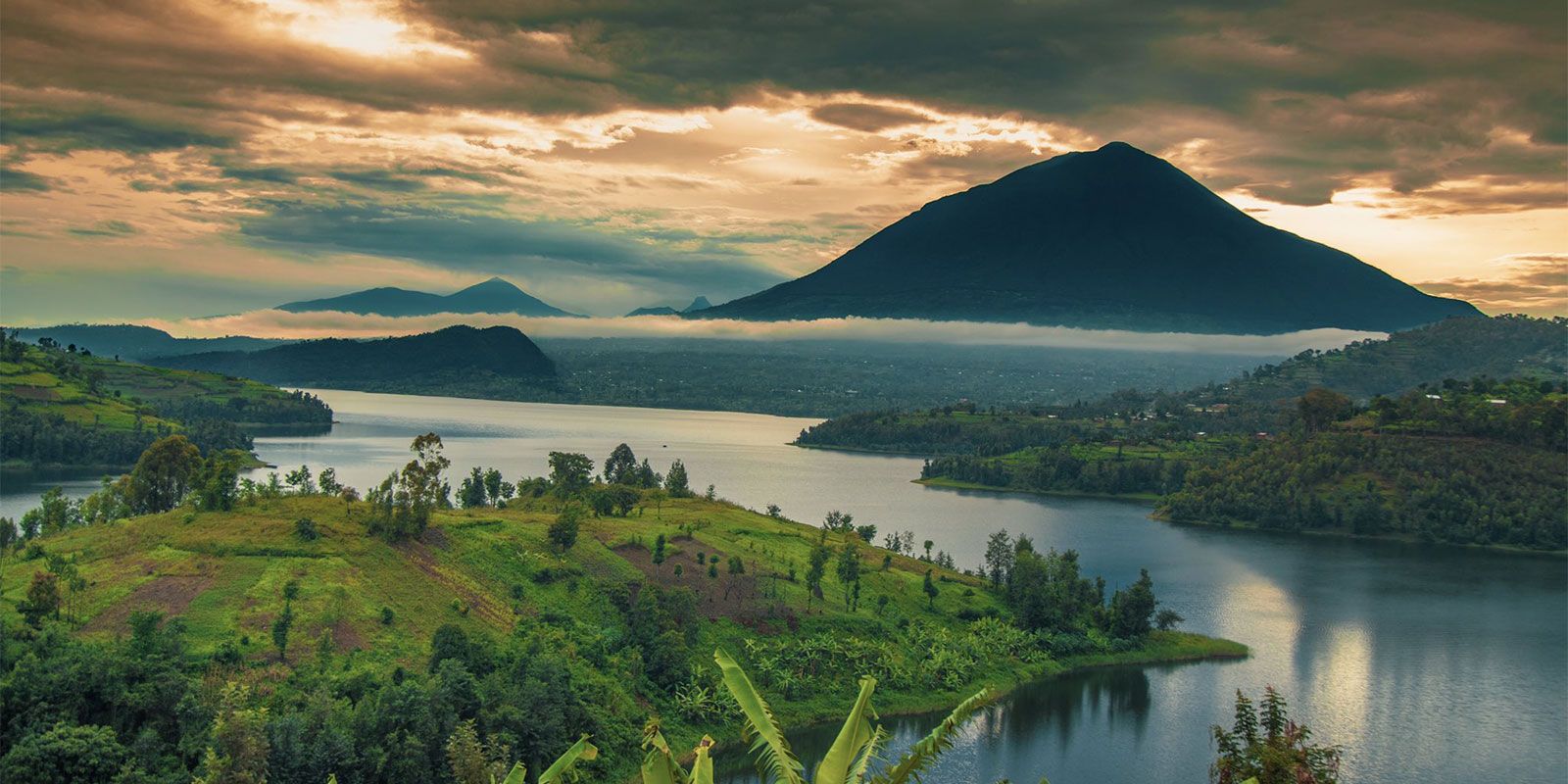
Wilderness adventures offer an unparalleled opportunity to connect with nature, challenge yourself, and experience the beauty and solitude of the great outdoors. Whether you’re hiking through rugged mountains, paddling down remote rivers, or camping under the stars, wilderness adventures provide a sense of freedom and wonder that is hard to find elsewhere. This comprehensive guide will cover the essentials of planning, preparing, and embarking on your next wilderness adventure.
The Appeal of Wilderness Adventures
Wilderness adventures captivate the spirit for several reasons:
- Nature Connection: Immersing yourself in the wilderness fosters a deep connection with the natural world, away from the distractions of modern life.
- Physical Challenge: Wilderness adventures often involve physical exertion, testing your endurance, strength, and resilience.
- Mental Clarity: The solitude and beauty of the wilderness can provide mental clarity, reduce stress, and promote mindfulness.
- Adventure and Discovery: Exploring remote and untouched landscapes offers a sense of adventure and the thrill of discovering new places.
- Self-Reliance: Wilderness adventures require self-reliance and survival skills, building confidence and independence.
Planning Your Wilderness Adventure
Successful wilderness adventures start with thorough planning:
- Choose Your Destination:
- Research Locations: Consider your interests and skill level when choosing a destination. Research national parks, wilderness areas, and backcountry trails that offer the type of adventure you seek.
- Season and Weather: Check the best times to visit your chosen destination and consider weather conditions. Plan accordingly to avoid extreme temperatures or adverse weather.
- Create an Itinerary:
- Route Planning: Outline your route, including start and end points, daily distances, and campsites. Use maps and guidebooks to plan your journey.
- Time Management: Allocate enough time for travel, rest, and exploration. Be flexible to accommodate changes in weather or other unforeseen circumstances.
- Permits and Regulations:
- Obtain Necessary Permits: Some wilderness areas require permits for entry or camping. Apply for permits well in advance, especially for popular destinations.
- Follow Regulations: Familiarize yourself with the rules and regulations of the area, including camping restrictions, fire regulations, and wildlife protection guidelines.
Preparing for Your Wilderness Adventure
Preparation is crucial for safety and enjoyment:
- Gear and Equipment:
- Backpack: Choose a comfortable, high-capacity backpack with proper support and padding.
- Shelter: Bring a lightweight tent or hammock with a rainfly. Ensure it’s suitable for the weather conditions you may encounter.
- Sleeping Gear: Pack a sleeping bag rated for the expected temperatures and an insulated sleeping pad for comfort and warmth.
- Clothing: Wear moisture-wicking, quick-dry clothing. Layering is key for temperature regulation. Include a waterproof jacket, warm layers, and sturdy hiking boots.
- Cooking Supplies: Bring a portable stove, fuel, cookware, and utensils. Include a water filter or purification tablets to ensure safe drinking water.
- Navigation Tools: Carry a map, compass, and GPS device. Ensure you know how to use them.
- Food and Hydration:
- Nutritious Food: Pack lightweight, high-energy foods such as dehydrated meals, energy bars, nuts, and dried fruits. Plan meals for each day of your trip.
- Hydration: Carry enough water and a reliable water purification method. Drink regularly to stay hydrated, especially during strenuous activities.
- Health and Safety:
- First Aid Kit: Pack a comprehensive first aid kit with bandages, antiseptic, pain relievers, and any necessary medications. Know basic first aid procedures.
- Emergency Plan: Share your itinerary with a trusted friend or family member. Include details such as your route, expected return date, and emergency contact information.
- Bear Safety: If traveling in bear country, carry bear spray and know how to store food properly to avoid attracting wildlife.
On the Trail
Once you’re on your adventure, follow these tips to ensure safety and enjoyment:
- Pace Yourself: Start at a comfortable pace and take regular breaks. Listen to your body and avoid overexertion.
- Stay on the Trail: Stick to designated trails to protect the environment and avoid getting lost.
- Leave No Trace: Follow Leave No Trace principles to minimize your impact on the environment. Pack out all trash, avoid damaging vegetation, and respect wildlife.
- Monitor Weather: Keep an eye on the weather and be prepared to adjust your plans if necessary. Seek shelter during severe weather.
Types of Wilderness Adventures
There are various types of wilderness adventures, each offering unique experiences:
- Backpacking: Carrying all your gear on your back, you can explore remote trails and camp in the backcountry. This offers a true sense of self-reliance and immersion in nature.
- Canoeing/Kayaking: Paddle through scenic waterways, from calm lakes to challenging rivers. This allows you to access remote areas and enjoy the tranquility of the water.
- Mountaineering: Climbing mountains involves technical skills, physical endurance, and careful planning. The reward is often stunning vistas and a sense of accomplishment.
- Ski Touring: In winter, ski touring allows you to explore snowy landscapes and access untouched powder. It requires specialized gear and skills but offers incredible winter scenery.
- Desert Trekking: Exploring deserts offers unique challenges and beauty, from vast sand dunes to rugged canyons. Prepare for extreme temperatures and limited water sources.
Wilderness Survival Skills
Developing basic survival skills is essential for wilderness adventures:
- Navigation: Learn to read maps, use a compass, and navigate using natural landmarks. This ensures you can find your way even in unfamiliar terrain.
- Fire Building: Know how to start a fire safely using matches, lighters, or fire starters. Practice building fires in different conditions.
- Shelter Construction: Be able to build a basic shelter using natural materials or your gear. This is crucial in case of unexpected weather or emergencies.
- Water Sourcing and Purification: Identify water sources and know how to purify water using filters, boiling, or purification tablets.
- First Aid: Know basic first aid procedures for common wilderness injuries, such as cuts, sprains, and hypothermia.
Conclusion Wilderness adventures provide a unique opportunity to connect with nature, challenge yourself, and experience the beauty and solitude of the great outdoors. By planning thoroughly, preparing the right gear, and developing essential skills, you can embark on a safe and rewarding wilderness journey. Whether you’re hiking through mountains, paddling down rivers, or exploring deserts, the wilderness offers endless possibilities for adventure and discovery. Embrace the challenge, respect the environment, and create memories that will last a lifetime. Happy adventuring!