
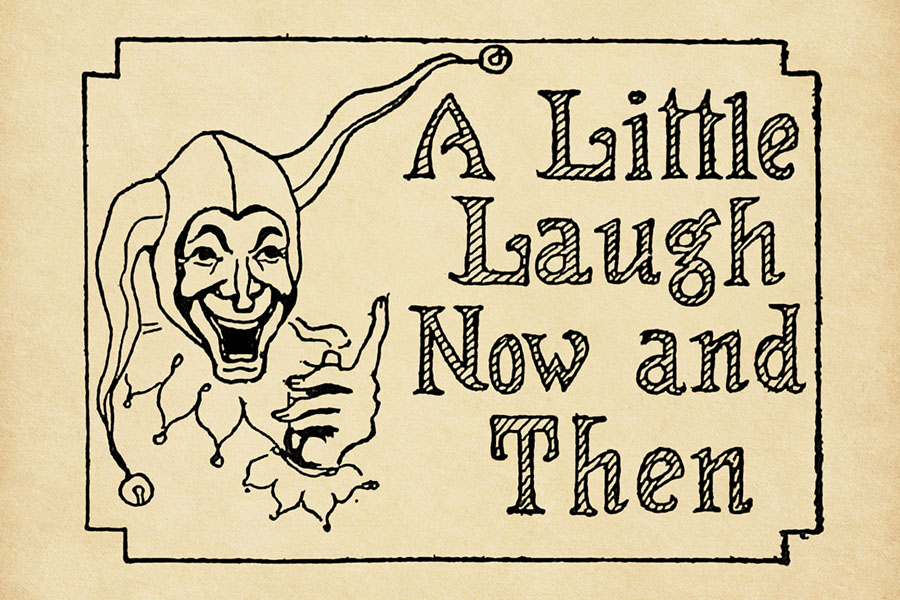
Introduction: Humour and satire have been integral parts of human culture for centuries, providing not only entertainment but also a means to critique society, politics, and human behaviour. These forms of expression tap into our innate need for laughter and reflection, blending wit with wisdom. This article explores the history, techniques, and societal impact of humour and satire.
1. The History of Humour & Satire:
Ancient Roots:
- The origins of humour and satire can be traced back to ancient civilizations. In Ancient Greece, playwrights like Aristophanes used comedic plays to mock political leaders and societal norms. His works, such as “Lysistrata,” showcased humour’s power to entertain and provoke thought.
Medieval and Renaissance Periods:
- During the Middle Ages, humour was often found in the form of jesters and troubadours who entertained courts with their wit and storytelling. The Renaissance saw a resurgence of satire, with writers like Geoffrey Chaucer and William Shakespeare using humour to critique human folly and vice.
18th to 19th Centuries:
- The Age of Enlightenment and the subsequent centuries were golden eras for satirical writing. Jonathan Swift’s “A Modest Proposal” and Voltaire’s “Candide” are seminal works that used satire to address social and political issues of their time. This period also saw the rise of cartoons and caricatures as popular forms of satirical expression.
2. Techniques of Humour & Satire:
Irony:
- Irony involves saying the opposite of what is meant, often to highlight absurdity or contradictions. It can be verbal, situational, or dramatic. For example, Jonathan Swift’s suggestion of eating babies to solve hunger in “A Modest Proposal” is a classic use of irony to criticize social policies.
Parody:
- Parody involves imitating the style or content of a particular genre, artist, or work to create humour. It exaggerates or distorts the original to highlight its flaws or to entertain. Movies like “Scary Movie” parody the horror genre by mimicking and mocking its conventions.
Exaggeration and Hyperbole:
- These techniques involve overstating certain elements to a ridiculous degree to create humour. Exaggeration can make a situation seem more important or dramatic than it is, while hyperbole is an extreme form of exaggeration, such as saying “I’m so hungry I could eat a horse.”
Wit and Wordplay:
- Clever use of language, puns, and quick-thinking responses are hallmarks of wit. Shakespeare’s comedies, like “Much Ado About Nothing,” are filled with witty exchanges and wordplay that entertain and engage audiences.
Satirical Devices:
- Satirical devices include sarcasm, parody, irony, and juxtaposition. These tools help satirists highlight the follies and vices of individuals, institutions, or societies. Political cartoons, for example, use visual satire to comment on current events.
3. Modern Forms of Humour & Satire:
Stand-Up Comedy:
- Stand-up comedians like George Carlin, Richard Pryor, and more recently, John Mulaney, use humour to address a wide range of topics, from everyday life to controversial social issues. Their performances often blend personal anecdotes with sharp observations.
Television and Movies:
- TV shows like “The Daily Show,” “Saturday Night Live,” and “Veep” use satire to critique politics and society. Movies like “Dr. Strangelove” and “The Great Dictator” use humour to tackle serious themes such as war and totalitarianism.
Online Platforms:
- Social media and platforms like YouTube have given rise to a new generation of satirists. Meme culture, web comics, and satirical news sites like “The Onion” use digital tools to spread humour and commentary quickly and widely.
Literature and Comics:
- Authors like Terry Pratchett and Douglas Adams use humour in their novels to explore fantastical worlds and philosophical questions. Comics, both in print and web-based, continue to be a popular medium for satire.
4. The Impact of Humour & Satire:
Social Commentary:
- Humour and satire serve as powerful tools for social commentary, highlighting injustices, hypocrisy, and the absurdities of human behaviour. They can provoke thought and discussion, making audiences reflect on societal issues.
Political Influence:
- Satirical works can influence public opinion and political discourse. Shows like “Last Week Tonight with John Oliver” and comedians like Trevor Noah use humour to educate audiences on complex issues, potentially swaying public sentiment.
Emotional and Psychological Benefits:
- Laughter has numerous benefits, including reducing stress, improving mood, and fostering social bonds. Humour can provide relief from tension and create a sense of community among those who share in the joke.
Cultural and Cross-Cultural Connections:
- Humour is a universal language that transcends cultural barriers. While what is considered funny can vary across cultures, the fundamental human response to humour helps bridge gaps and fosters understanding.
5. Ethical Considerations:
Boundaries of Humour:
- While humour can be a powerful tool, it is important to consider its ethical boundaries. Jokes that perpetuate stereotypes, spread misinformation, or harm marginalized groups can be detrimental rather than constructive.
Responsibility of Satirists:
- Satirists have a responsibility to use their platform wisely. They should strive to punch up, rather than punch down, using humour to challenge those in power rather than target vulnerable populations.
Conclusion:
Humour and satire are essential aspects of human expression, offering a lens through which we can view and critique the world. They entertain, enlighten, and provoke, reminding us not to take life too seriously while urging us to reflect on its complexities. Whether through a clever pun, a biting piece of satire, or a humorous anecdote, humour enriches our lives and connects us in laughter.