
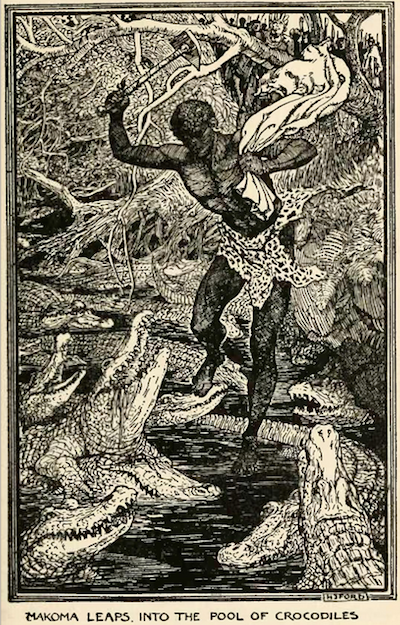
Introduction: Mythology and folklore are fascinating aspects of human culture that have been woven into the fabric of societies across the globe for millennia. These narratives, which include myths, legends, and folktales, serve as the collective memory of a people, offering insights into their beliefs, values, and worldviews. This article delves into the significance of mythology and folklore, their origins, major themes, and their enduring influence on contemporary culture and literature.
1. The Significance of Mythology and Folklore:
Cultural Identity and Values:
- Mythology and folklore play a crucial role in shaping cultural identity. They encapsulate the values, morals, and collective experiences of a community. Through these stories, societies convey lessons about right and wrong, heroism, love, and sacrifice, which help to instil a shared sense of identity and continuity.
Explaining the Unexplainable:
- Myths and folktales often provide explanations for natural phenomena, human behaviour, and the mysteries of existence. Before the advent of scientific understanding, these narratives offered a means to make sense of the world, explaining everything from the changing seasons to the creation of the universe.
Preserving History:
- Many myths and folktales serve as historical records, preserving the memory of significant events, rulers, and battles. They provide a lens through which we can view the past, albeit through a blend of fact and fiction.
2. Origins and Development:
Oral Tradition:
- The earliest myths and folktales were passed down orally from generation to generation. Storytellers, known as bards, griots, or shamans, played a vital role in preserving and transmitting these narratives. Oral tradition ensured that these stories remained dynamic, evolving with each retelling to reflect the changing culture and values of the society.
Written Records:
- With the advent of writing, many myths and folktales were transcribed, allowing for their preservation in a more permanent form. Ancient civilizations such as the Egyptians, Greeks, Mesopotamians, and Chinese recorded their myths on papyrus, clay tablets, and bamboo strips, ensuring their stories endured through the ages.
Cross-Cultural Influences:
- Throughout history, myths and folktales have been influenced by cultural exchanges through trade, conquest, and exploration. As societies interacted, they adopted and adapted stories from each other, leading to a rich tapestry of interconnected mythological themes and characters.
3. Major Themes in Mythology and Folklore:
Creation Myths:
- Creation myths explain the origins of the world and humanity. Examples include the Greek myth of Gaia and Uranus, the Norse myth of Ymir, and the Hindu story of Brahma, Vishnu, and Shiva. These narratives often involve gods and primordial beings shaping the cosmos from chaos.
Heroic Journeys:
- Heroic tales recount the adventures of individuals who undertake great quests, face formidable challenges, and achieve extraordinary feats. Famous examples include the Greek hero Heracles, the Sumerian hero Gilgamesh, and the Polynesian demigod Maui. These stories often highlight themes of bravery, perseverance, and self-discovery.
Trickster Tales:
- Trickster figures, such as the African Anansi, the Native American Coyote, and the Norse Loki, use wit and cunning to outsmart others and disrupt the status quo. These tales often serve as cautionary stories that explore the complexities of human nature and the consequences of deceit.
Moral Lessons:
- Many folktales convey moral lessons and ethical teachings. Aesop’s Fables, for example, use animals and simple narratives to impart wisdom on virtues such as honesty, kindness, and humility. These stories aim to teach listeners how to live virtuously and navigate social relationships.
4. Enduring Influence on Contemporary Culture:
Literature and Film:
- Mythology and folklore continue to inspire modern literature and film. Works such as J.R.R. Tolkien’s “The Lord of the Rings,” J.K. Rowling’s “Harry Potter” series, and Marvel’s adaptation of Norse mythology in “Thor” draw heavily on mythological themes and characters. These stories capture the imagination and resonate with contemporary audiences.
Art and Music:
- Artists and musicians often draw inspiration from mythological and folkloric themes. Paintings, sculptures, operas, and symphonies have depicted mythological scenes and characters, creating a rich cultural legacy. Gustav Klimt’s “The Tree of Life” and Richard Wagner’s “The Ring Cycle” are examples of mythologically inspired art.
Psychology and Philosophy:
- The works of psychologists like Carl Jung and philosophers like Joseph Campbell have highlighted the psychological and philosophical significance of myths. Jung’s concept of archetypes and Campbell’s idea of the monomyth or “hero’s journey” underscore the universal themes and symbols in mythological narratives that resonate with the human psyche.
Cultural Festivals and Rituals:
- Many cultural festivals and rituals have roots in mythological stories. Events like India’s Diwali, celebrating the victory of light over darkness, and Japan’s Tanabata, based on the celestial lovers Orihime and Hikoboshi, keep these ancient narratives alive and relevant in contemporary societies.
Conclusion:
Mythology and folklore are more than just stories; they are reflections of the human experience, encapsulating the wisdom, values, and creativity of cultures throughout history. By exploring these narratives, we gain a deeper understanding of ourselves and the world around us. The timeless appeal of mythology and folklore ensures their continued influence on art, literature, psychology, and cultural practices, enriching our lives and connecting us to our shared heritage.