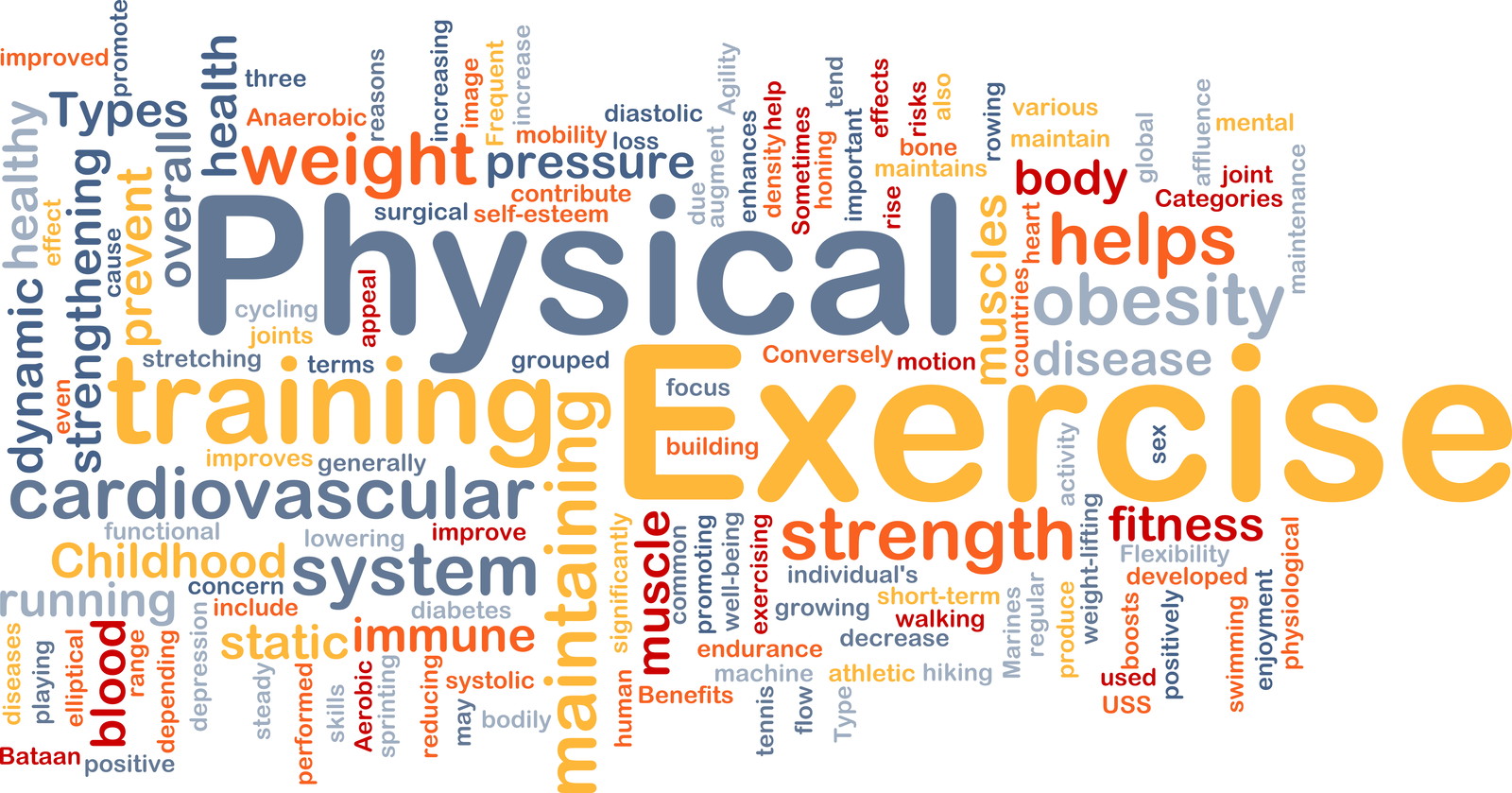
The Importance of Sports and Fitness: Building a Healthier Society

Introduction

Sports and fitness play a crucial role in our lives, offering numerous physical, mental, and social benefits. Engaging in regular physical activity and participating in sports can lead to a healthier, happier, and more fulfilling life. This article explores the significance of sports and fitness, highlighting their impact on individual well-being and society as a whole.

Section 1: Physical Health Benefits

One of the most obvious advantages of sports and fitness is the improvement of physical health. Regular physical activity helps maintain a healthy body weight, strengthens muscles and bones, and enhances cardiovascular health.

  • Weight Management: Engaging in sports and fitness activities helps burn calories and reduce body fat, contributing to maintaining a healthy weight and preventing obesity.
  • Cardiovascular Health: Activities like running, swimming, cycling, and team sports improve heart health by increasing cardiovascular endurance and reducing the risk of heart disease.
  • Strength and Flexibility: Strength training, yoga, and pilates enhance muscle strength, flexibility, and overall physical performance, reducing the risk of injuries and improving posture.
  • Chronic Disease Prevention: Regular exercise lowers the risk of chronic diseases such as diabetes, hypertension, and certain cancers by improving overall health and boosting the immune system.

Section 2: Mental Health Benefits

Physical activity is not only beneficial for the body but also for the mind. Sports and fitness activities have a profound impact on mental health and emotional well-being.

  • Stress Reduction: Exercise stimulates the production of endorphins, known as “feel-good” hormones, which help reduce stress, anxiety, and depression.
  • Improved Mood: Regular physical activity enhances mood, boosts self-esteem, and promotes a positive outlook on life.
  • Cognitive Function: Engaging in sports and fitness activities improves cognitive function, enhances memory, and increases concentration and focus.
  • Sleep Quality: Regular exercise promotes better sleep patterns, helping individuals fall asleep faster and enjoy deeper, more restorative sleep.

Section 3: Social Benefits

Participating in sports and fitness activities also offers significant social benefits, fostering connections and building a sense of community.

  • Teamwork and Cooperation: Team sports teach valuable skills such as teamwork, cooperation, and communication, which are essential for success both on and off the field.
  • Social Interaction: Engaging in sports and fitness activities provides opportunities for social interaction, helping individuals build friendships and expand their social networks.
  • Inclusivity and Diversity: Sports bring together people from different backgrounds, promoting inclusivity, understanding, and respect for diversity.
  • Community Engagement: Local sports clubs and fitness groups encourage community involvement, creating a sense of belonging and collective identity.

Section 4: Life Skills Development

Sports and fitness activities contribute to the development of important life skills that extend beyond physical health.

  • Discipline and Time Management: Regular training schedules and commitment to sports instill discipline and time management skills in individuals.
  • Goal Setting and Achievement: Setting and achieving fitness goals fosters a sense of accomplishment and motivates individuals to pursue other personal and professional goals.
  • Resilience and Perseverance: Overcoming challenges and setbacks in sports builds resilience, perseverance, and the ability to cope with adversity.
  • Leadership and Responsibility: Participation in sports often involves leadership roles, teaching individuals responsibility, accountability, and leadership skills.

Conclusion

The importance of sports and fitness cannot be overstated. They play a vital role in enhancing physical health, mental well-being, social interaction, and life skills development. By incorporating regular physical activity and sports into our daily lives, we can build healthier, happier, and more connected communities. Whether you’re a seasoned athlete or just starting out, the benefits of sports and fitness are within reach for everyone. So, lace up your sneakers, find an activity you enjoy, and start your journey towards a healthier, more active lifestyle today.
Parkour and Free running: Mastering the Art of Movement

Introduction

Parkour and free running are dynamic disciplines that revolve around efficient and creative movement through urban and natural environments. Originating from France, these practices have gained global popularity, captivating people with their fluidity, athleticism, and artistry. This article delves into the essence of parkour and free running, exploring their history, techniques, benefits, and the differences between the two.

Section 1: The Origins of Parkour and Free running

Understanding the roots of parkour and free running provides insight into their philosophies and practices.

  • Parkour: Developed in the late 1980s by David Belle in France, parkour (also known as “l’art du déplacement” or the art of movement) focuses on moving efficiently from one point to another, overcoming obstacles using running, jumping, climbing, and rolling. Inspired by military obstacle course training, parkour emphasizes speed, agility, and precision.
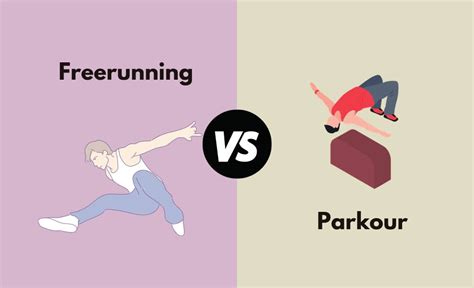
  • Free running: Coined by Sébastien Foucan, free running emerged as a more expressive evolution of parkour. While it retains the fundamental principles of parkour, free running incorporates acrobatics, tricks, and creative movements, emphasizing artistic expression and freedom.

Section 2: Key Techniques in Parkour and Free running

Both parkour and free running involve a range of techniques that practitioners use to navigate their environments. Here are some fundamental moves:

  • Vaults: Vaults involve propelling the body over obstacles such as railings or walls using hands and feet. Common vaults include the speed vault, kong vault, and lazy vault.
  • Precision Jumps: These jumps require landing accurately on a specific spot, often on narrow surfaces like railings or ledges. Precision and control are crucial.
  • Wall Runs: Wall runs involve running vertically up a wall to reach higher surfaces. This technique is often combined with a push-off to gain extra height.
  • Rolls: Rolls help dissipate the impact of jumps and landings, protecting the body from injury. The shoulder roll is a commonly used technique.
  • Cat Leaps: Cat leaps involve jumping from one surface to another, typically landing in a crouched position with hands gripping the edge of the landing surface.
  • Flips and Tricks: In free running, acrobatic elements such as flips, spins, and twists are integrated into movement sequences. These add a creative and artistic dimension to the discipline.

Section 3: Differences Between Parkour and Free running

While parkour and free running share similarities, they have distinct focuses and philosophies:

  • Parkour: Emphasizes efficiency and practicality in movement. The goal is to move swiftly and effectively through the environment, overcoming obstacles with precision and minimal energy expenditure.
  • Free running: Focuses on creativity and expression. While it incorporates parkour techniques, free running encourages adding acrobatic moves and personal style, making each movement sequence unique.

Section 4: Benefits of Practicing Parkour and Free running

Engaging in parkour and free running offers a wide range of physical, mental, and social benefits:

  • Physical Fitness: Both disciplines improve cardiovascular health, strength, agility, and flexibility. They provide a full-body workout that enhances overall fitness.
  • Mental Resilience: Overcoming challenges and mastering new techniques build mental toughness, perseverance, and problem-solving skills.
  • Confidence and Self-Esteem: Successfully navigating obstacles boosts self-confidence and a sense of accomplishment.
  • Creative Expression: Free running, in particular, allows for artistic expression through movement, fostering creativity and individuality.
  • Community and Camaraderie: Parkour and free running communities are often tight-knit and supportive, providing a sense of belonging and shared passion.

Section 5: Getting Started with Parkour and Free running

For those interested in exploring parkour and free running, here are some tips to help you get started:

  • Find a Community: Look for local parkour and free running groups, gyms, or classes. Joining a community can provide guidance, support, and opportunities to train with experienced practitioners.
  • Start with Basics: Begin by mastering fundamental techniques such as vaults, rolls, and precision jumps. Focus on building strength, agility, and control.
  • Prioritize Safety: Always warm up before training and practice in a safe environment. Use proper techniques to minimize the risk of injury, and progress at your own pace.
  • Watch and Learn: Study videos of skilled parkour and free running athletes to understand different techniques and styles. Learning from others can provide inspiration and valuable insights.
  • Stay Consistent: Regular practice is key to improvement. Set goals, track your progress, and stay motivated by challenging yourself with new movements and sequences.

Conclusion

Parkour and free running are exhilarating disciplines that blend athleticism, creativity, and mental resilience. Whether you’re drawn to the efficiency of parkour or the expressive freedom of free running, both offer a unique way to connect with your environment and push the limits of human movement. Embrace the journey, respect the principles, and discover the transformative power of parkour and free running.

The Art and Discipline of Martial Arts: A Journey Beyond Combat

Introduction

Martial arts are ancient practices that combine physical prowess, mental discipline, and philosophical teachings. These arts have been practiced for centuries across various cultures and continue to captivate people worldwide with their blend of combat techniques, self-defence strategies, and holistic benefits. This blog explores the rich history, diverse styles, and the profound impact of martial arts on individuals and society.

Section 1: The History of Martial Arts

Martial arts have deep-rooted histories that reflect the cultural heritage and philosophies of different civilizations.

  • Ancient Origins: Martial arts date back thousands of years, with early forms practiced in China, India, and Greece. Techniques evolved from the need for self-defence, hunting, and military combat.
  • Asian Influence: Many of the most well-known martial arts originate from Asia. For example, Chinese martial arts, or Kung Fu, have been practiced for over 4,000 years and are known for their fluid movements and philosophical teachings. Japanese martial arts, such as Karate and Judo, emphasize discipline and respect.
  • Western Development: In the West, martial arts gained popularity in the 20th century, influenced by Eastern philosophies and the rise of mixed martial arts (MMA). Today, martial arts are practiced globally, transcending cultural boundaries.

Section 2: Diverse Styles of Martial Arts

Martial arts encompass a wide range of styles, each with its unique techniques, philosophies, and benefits.

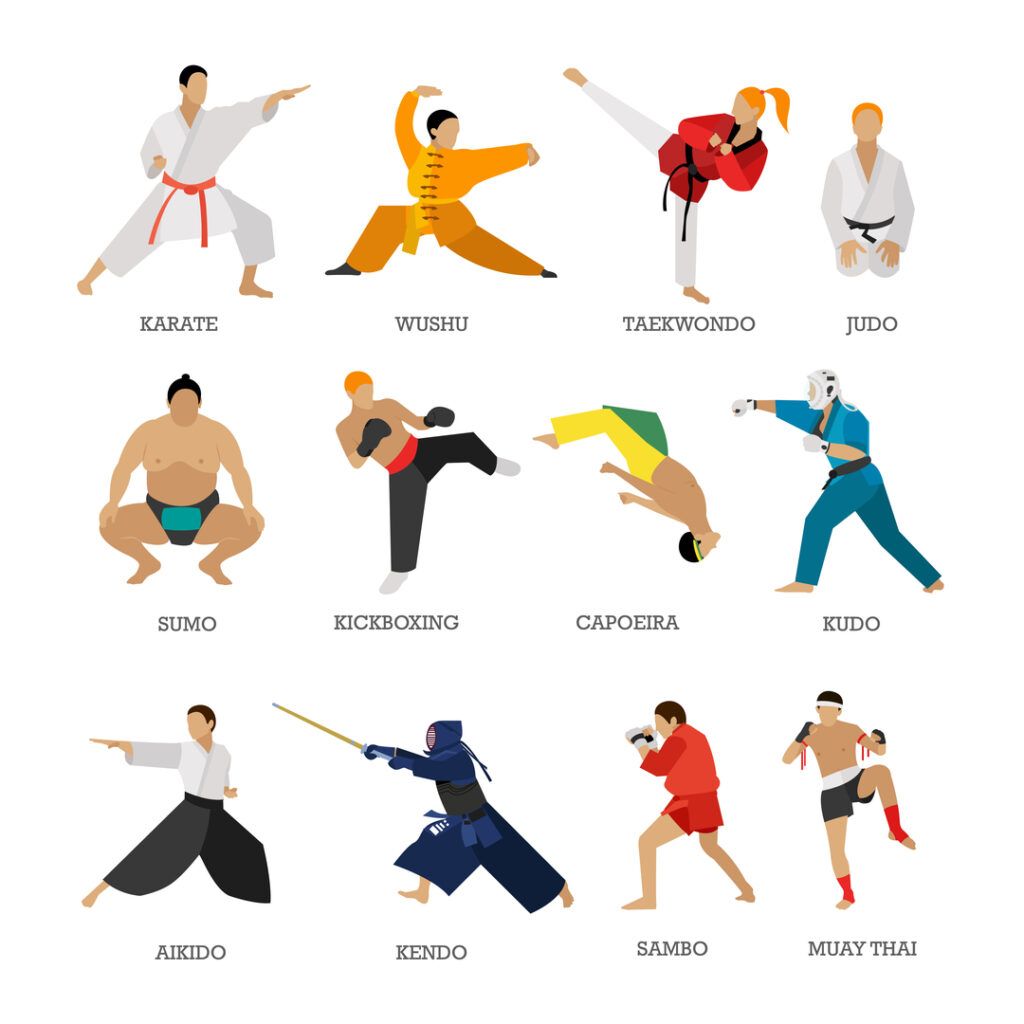
  • Karate: Originating from Okinawa, Japan, Karate focuses on striking techniques using punches, kicks, knees, and elbows. It emphasizes speed, power, and precision.
  • Taekwondo: A Korean martial art known for its dynamic kicks and rapid footwork. Taekwondo also includes forms (patterns) and sparring.
  • Judo: Developed in Japan, Judo focuses on throws, joint locks, and grappling techniques. It aims to subdue an opponent using leverage and balance rather than brute strength.
  • Brazilian Jiu-Jitsu (BJJ): A martial art specializing in ground fighting and submission holds. BJJ emphasizes technique and strategy to overcome larger opponents.
  • Muay Thai: Known as the “Art of Eight Limbs,” Muay Thai from Thailand uses punches, kicks, elbows, and knees. It is highly effective for both striking and clinch work.
  • Kung Fu: An umbrella term for Chinese martial arts, Kung Fu encompasses a variety of styles, including Wing Chun, Shaolin, and Tai Chi. Kung Fu emphasizes fluid movements, coordination, and internal energy (Qi).

Section 3: The Benefits of Practicing Martial Arts

Martial arts offer numerous physical, mental, and emotional benefits, making them a holistic practice for individuals of all ages.

  • Physical Fitness: Martial arts improve cardiovascular health, strength, flexibility, and endurance. They provide a full-body workout that enhances overall fitness.
  • Self-Discipline and Focus: Training in martial arts requires consistent practice, dedication, and mental focus. These qualities translate into other areas of life, promoting self-discipline and goal-setting.
  • Self-Defence: Learning martial arts equips individuals with practical self-defence skills, boosting confidence and personal safety.
  • Stress Relief: The physical activity and meditative aspects of martial arts help reduce stress and anxiety. They offer a constructive outlet for releasing tension and improving mental well-being.
  • Cultural Appreciation: Martial arts expose practitioners to different cultures and philosophies, fostering a greater appreciation for global traditions and values.

Section 4: Martial Arts Philosophy

Beyond physical techniques, martial arts are deeply rooted in philosophical teachings that guide practitioners’ lives.

  • Respect and Humility: Martial arts emphasize respect for oneself, others, and the environment. Humility is a core value, encouraging practitioners to remain grounded and open to learning.
  • Perseverance and Resilience: The journey in martial arts is often challenging, requiring perseverance and resilience to overcome obstacles and setbacks.
  • Mind-Body Connection: Many martial arts practices incorporate meditation and breathing exercises to cultivate a strong mind-body connection. This holistic approach promotes mental clarity and emotional balance.
  • Ethical Conduct: Martial arts teach ethical behaviour and responsibility, encouraging practitioners to use their skills for positive purposes and to uphold justice.

Section 5: Getting Started with Martial Arts

If you’re interested in exploring martial arts, here are some steps to help you get started:

  • Research Styles: Learn about different martial arts styles and identify which one resonates with your interests and goals. Consider factors such as physical demands, training environment, and philosophical teachings.
  • Find a School: Look for reputable martial arts schools or dojos in your area. Attend trial classes to experience the training atmosphere and instructor’s teaching style.
  • Set Goals: Determine your objectives for practicing martial arts, whether it’s fitness, self-defence, competition, or personal growth.
  • Commit to Training: Consistency is key in martial arts. Commit to regular training sessions and be patient with your progress. Remember that martial arts are a lifelong journey of learning and self-improvement.

Conclusion

Martial arts offer a unique blend of physical training, mental discipline, and philosophical wisdom. They provide a path to personal growth, self-defenses, and cultural enrichment. Whether you’re drawn to the striking techniques of Karate, the grappling prowess of Judo, or the meditative practices of Tai Chi, martial arts have something to offer everyone. Embrace the journey, respect the traditions, and discover the profound impact martial arts can have on your life.

Embracing Fitness Challenges: A Journey to Health and Motivation

Introduction

Fitness challenges have become increasingly popular as a means to motivate individuals towards achieving their health and fitness goals. These challenges can range from simple daily exercises to comprehensive multi-week programs designed to improve strength, endurance, flexibility, and overall well-being. This article explores the concept of fitness challenges, their benefits, various types, and tips for successfully completing them.

Section 1: What Are Fitness Challenges?

Fitness challenges are structured programs or tasks designed to push individuals out of their comfort zones and encourage consistent physical activity. They often come with specific goals, guidelines, and a set timeframe.

  • Goals: Fitness challenges can focus on various objectives, such as weight loss, muscle gain, improving cardiovascular health, or increasing flexibility.
  • Duration: Challenges can range from short-term (e.g., 7-day or 30-day challenges) to long-term (e.g., 12-week programs).
  • Format: They can be individual or group-based, often incorporating social elements like accountability partners or online communities for support and motivation.

Section 2: Benefits of Fitness Challenges

Participating in fitness challenges offers numerous benefits that contribute to physical, mental, and emotional well-being.

  • Motivation and Accountability: Fitness challenges provide a clear structure and specific goals, which can enhance motivation and adherence to exercise routines. Having a set timeline and possibly sharing progress with a community adds a layer of accountability.
  • Habit Formation: Engaging in a fitness challenge can help establish and reinforce healthy habits. Consistent participation over the challenge period can lead to long-term behavioral changes.
  • Improved Fitness Levels: Regular exercise through fitness challenges can enhance cardiovascular health, increase muscle strength and endurance, improve flexibility, and contribute to overall physical fitness.
  • Mental Resilience: Completing a fitness challenge requires dedication, perseverance, and mental toughness. Overcoming physical obstacles can boost self-esteem and reduce stress and anxiety.
  • Social Connection: Group challenges or participating in fitness communities fosters a sense of belonging and camaraderie. Sharing experiences and celebrating achievements together can make the journey more enjoyable.

Section 3: Types of Fitness Challenges

There are various types of fitness challenges catering to different fitness levels, interests, and goals. Here are some popular categories:

  • Cardio Challenges: These focus on improving cardiovascular endurance through activities like running, cycling, or high-intensity interval training (HIIT). Examples include the “Couch to 5K” program or a 30-day HIIT challenge.
  • Strength Challenges: Aimed at building muscle strength and endurance, these challenges often involve bodyweight exercises, weightlifting, or resistance training. Examples include the “100 Push-ups Challenge” or the “30-Day Squat Challenge.”
  • Flexibility and Mobility Challenges: These focus on enhancing flexibility, balance, and range of motion through activities like yoga or stretching routines. Examples include the “30-Day Yoga Challenge” or daily stretching routines.
  • Holistic Challenges: Combining various aspects of fitness, these challenges may include a mix of cardio, strength, and flexibility exercises. They often promote overall health and wellness. Examples include the “12-Week Total Body Transformation Challenge” or the “21-Day Fitness Challenge.”
  • Nutrition and Lifestyle Challenges: These challenges integrate healthy eating habits and lifestyle changes along with physical activity. Examples include the “Whole30 Challenge” or the “30-Day Clean Eating Challenge.”

Section 4: Tips for Successfully Completing Fitness Challenges

To maximize the benefits and successfully complete a fitness challenge, consider the following tips:

  • Set Realistic Goals: Choose a challenge that aligns with your current fitness level and goals. Setting achievable milestones will help you stay motivated and prevent burnout.
  • Prepare Mentally and Physically: Ensure you are mentally committed to the challenge and physically prepared to handle the exercises. Listen to your body and make necessary adjustments to avoid injuries.
  • Track Progress: Keep a journal or use fitness apps to monitor your progress. Tracking your achievements can boost motivation and provide insights into your improvements.
  • Stay Consistent: Consistency is key to success. Stick to the challenge schedule and make exercise a non-negotiable part of your daily routine.
  • Seek Support: Join a fitness community, find an accountability partner, or share your journey with friends and family. Support and encouragement from others can make the challenge more enjoyable and manageable.
  • Celebrate Achievements: Acknowledge and celebrate your progress and milestones. Reward yourself for completing the challenge and use the experience to set new fitness goals.

Conclusion

Fitness challenges are an excellent way to stay motivated, build healthy habits, and improve overall fitness levels. Whether you’re looking to lose weight, gain muscle, or simply enhance your well-being, there is a fitness challenge out there to suit your needs. Embrace the journey, push your limits, and discover the joy of achieving your fitness goals through structured and engaging challenges.