
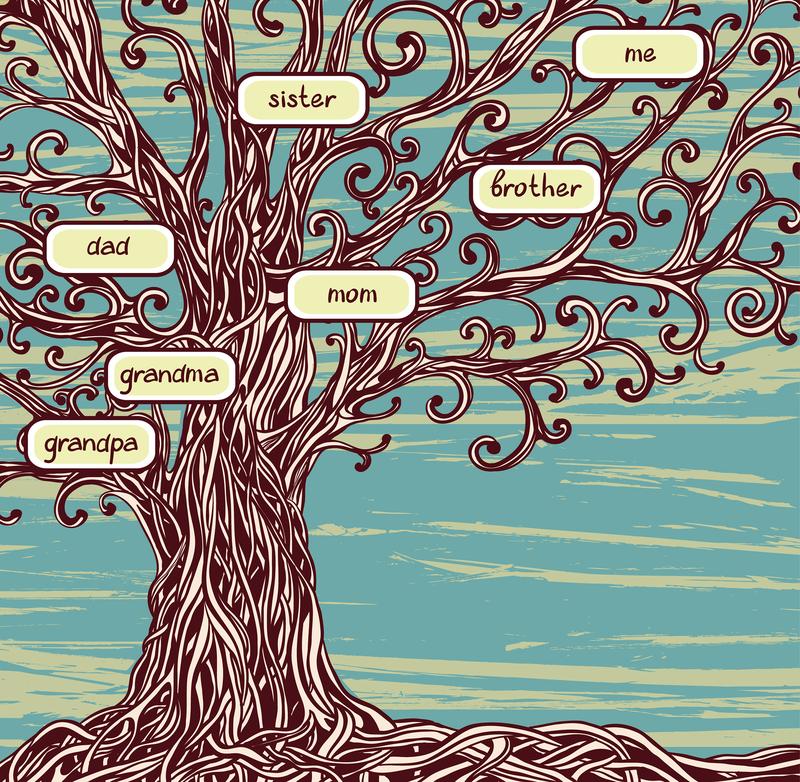
Introduction: Genealogy, the study of family history and lineage, is a captivating journey into the past that reveals the stories and connections that have shaped our identities. By exploring our ancestry, we can gain a deeper understanding of our heritage, uncover family secrets, and connect with distant relatives. This article delves into the significance of genealogy, the methods and tools used in research, the challenges and rewards of tracing family history, and the impact of genetic genealogy.
1. The Significance of Genealogy and Family History:
Understanding Identity:
- Genealogy helps individuals understand their personal identity by exploring their roots and heritage. It provides a sense of belonging and continuity, connecting present-day family members with their ancestors and cultural traditions.
Preserving Family Stories:
- Tracing family history preserves the stories, experiences, and values of previous generations. These narratives enrich family lore and provide a tangible link to the past, ensuring that the legacy of ancestors is remembered and honored.
Connecting with Relatives:
- Genealogy can connect individuals with distant relatives and extended family branches. Discovering new family members can lead to the formation of meaningful relationships and a broader support network.
2. Methods and Tools for Genealogical Research:
Documenting Family Information:
- Begin by documenting what you already know about your family. Gather information from family members, old photographs, letters, and family bibles. Record names, dates, places, and relationships to create a foundation for further research.
Vital Records:
- Vital records, such as birth, marriage, and death certificates, are essential sources of genealogical information. These documents provide key details about individuals and their relationships, helping to build an accurate family tree.
Census Records:
- Census records offer valuable insights into family structure, residence, occupation, and migration patterns. Many countries conduct regular censuses, and these records are often available online through government archives and genealogical websites.
Church and Cemetery Records:
- Church records, including baptism, marriage, and burial records, are useful for tracing ancestors in earlier periods when civil records were not yet established. Cemetery records and gravestones can also provide important information about ancestors.
Online Genealogy Databases:
- Websites like Ancestry.com, FamilySearch, and MyHeritage provide extensive databases of genealogical records and resources. These platforms offer tools for building family trees, accessing historical documents, and connecting with other researchers.
Historical Newspapers and Directories:
- Historical newspapers and city directories can provide context and additional details about ancestors’ lives. These sources may include obituaries, marriage announcements, advertisements, and news articles.
3. Challenges and Rewards of Genealogical Research:
Overcoming Brick Walls:
- Genealogical research often involves overcoming “brick walls” or difficult research challenges. These may include missing records, name variations, and unclear connections. Persistence, creativity, and collaboration with other researchers can help break through these obstacles.
Interpreting Historical Context:
- Understanding the historical context in which ancestors lived is crucial for accurate genealogical research. This includes knowledge of historical events, migration patterns, and social customs that may have influenced family history.
Balancing Privacy and Discovery:
- Genealogical research can sometimes uncover sensitive or unexpected information. It’s important to approach discoveries with respect and sensitivity, considering the privacy and feelings of living relatives.
Personal Fulfillment and Connection:
- Despite the challenges, genealogical research offers immense personal fulfillment. Discovering one’s roots, learning about ancestors’ lives, and connecting with family heritage provide a profound sense of accomplishment and connection.
4. The Impact of Genetic Genealogy:
DNA Testing and Analysis:
- Advances in genetic genealogy have revolutionized family history research. DNA testing services, such as AncestryDNA, 23andMe, and FamilyTreeDNA, analyze genetic material to provide insights into ancestral origins, ethnicity, and genetic matches with relatives.
Ethnicity Estimates and Genetic Matches:
- DNA tests provide ethnicity estimates that reveal the geographic regions and populations to which an individual’s ancestors belonged. They also identify genetic matches with other individuals who share common ancestors, facilitating the discovery of new relatives.
Breaking Down Research Barriers:
- Genetic genealogy can help break down research barriers by confirming or refuting suspected family connections, identifying unknown parentage, and providing clues for further research.
Ethical Considerations:
- Genetic genealogy raises ethical considerations related to privacy, consent, and the potential for unexpected discoveries. It’s important to carefully consider the implications of DNA testing and communicate openly with family members about the process and potential outcomes.
Conclusion:
Genealogy and family history research are enriching pursuits that connect us to our past, preserve our heritage, and enhance our understanding of personal identity. By exploring historical records, utilizing modern technology, and approaching the process with curiosity and sensitivity, individuals can uncover the fascinating stories of their ancestors and build a meaningful connection to their family legacy.