
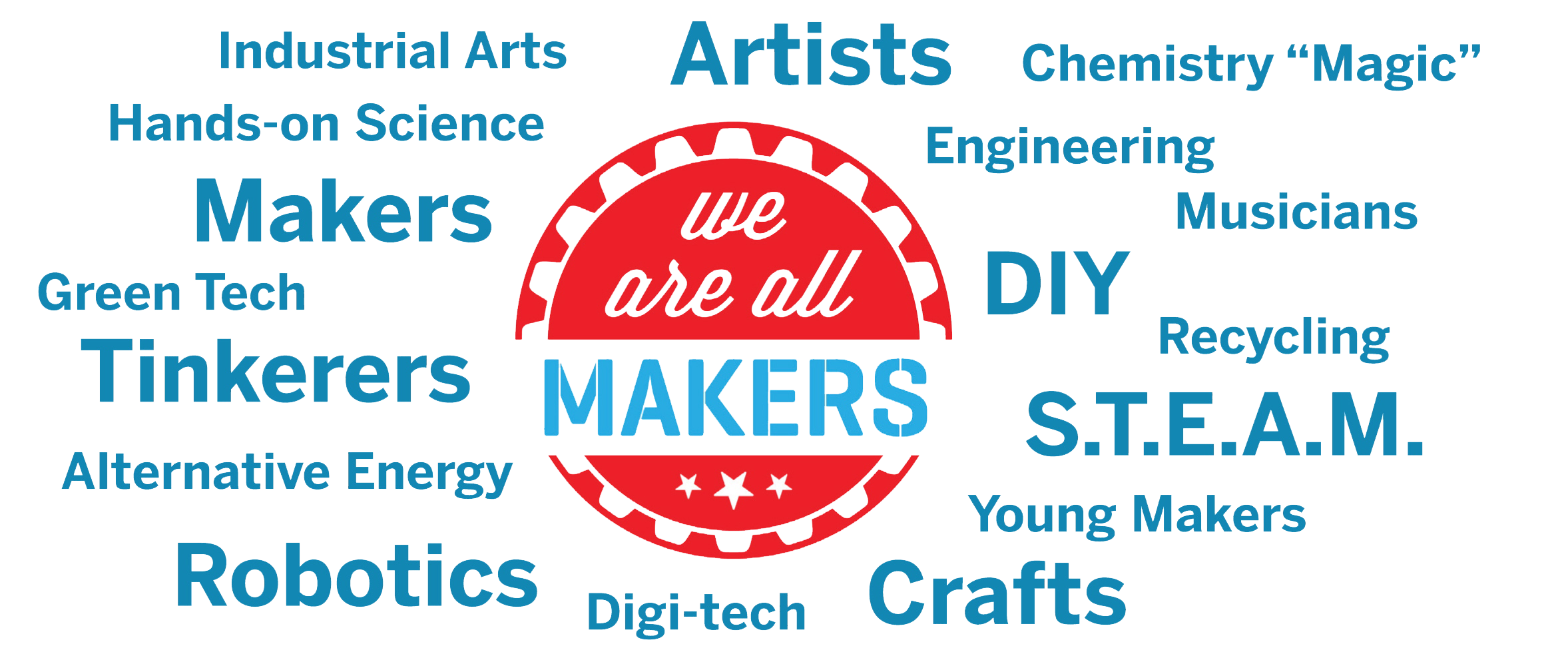
Maker culture is a vibrant, grassroots movement that celebrates creativity, innovation, and the DIY (do-it-yourself) spirit. It spans a wide range of disciplines, from traditional crafts and arts to cutting-edge technology and engineering. This culture promotes the idea that everyone can be a maker, contributing to a community of like-minded individuals who share knowledge, collaborate on projects, and inspire each other. This blog will delve into the essence of maker culture, its origins, key elements, and its impact on society.
The Essence of Maker Culture
Maker culture revolves around the concept of hands-on creation and experimentation. It encourages individuals to tinker, build, and innovate, often using a mix of traditional craftsmanship and modern technology. This culture is characterized by a strong sense of community, collaboration, and open sharing of ideas and resources.
- Creativity and Innovation: At its core, maker culture is about unleashing creativity and pushing the boundaries of what is possible. Makers are constantly experimenting with new ideas, techniques, and materials to create unique and innovative products.
- DIY Ethos: Maker culture embodies the DIY ethos, encouraging individuals to take on projects themselves rather than relying on mass-produced goods. This philosophy promotes self-reliance, resourcefulness, and a deeper understanding of how things work.
- Collaboration and Sharing: The maker community thrives on collaboration and the open exchange of knowledge. Makerspaces, online forums, and events like Maker Faires provide platforms for individuals to share their projects, seek advice, and work together on common goals.
- Interdisciplinary Approach: Maker culture bridges the gap between various disciplines, from arts and crafts to science, technology, engineering, and mathematics (STEM). This interdisciplinary approach fosters innovation and allows makers to draw inspiration from diverse fields.
The Origins of Maker Culture
Maker culture has deep historical roots, but it has gained significant momentum in recent years due to technological advancements and a growing interest in DIY projects.
- Historical Roots: The spirit of making can be traced back to ancient times when individuals handcrafted tools, clothing, and other essentials. Throughout history, artisans and craftsmen played crucial roles in shaping societies.
- The DIY Movement: The modern DIY movement emerged in the mid-20th century, influenced by the counterculture of the 1960s and 1970s. People began to seek alternatives to mass production, embracing self-sufficiency and creative expression through DIY projects.
- The Rise of Digital Technology: The advent of digital technology in the late 20th and early 21st centuries revolutionized maker culture. Affordable and accessible tools like 3D printers, laser cutters, and microcontrollers (e.g., Arduino and Raspberry Pi) enabled individuals to create complex projects with relative ease.
- Maker Faires and Makerspaces: The first Maker Faire was held in 2006, organized by Make: magazine. This event brought together makers from various backgrounds to showcase their projects and share knowledge. The popularity of Maker Faires and the proliferation of makerspaces—community workshops equipped with tools and resources—have further fueled the growth of maker culture.
Key Elements of Maker Culture
Maker culture encompasses a wide range of activities and disciplines. Here are some key elements that define this dynamic movement:
- Craftsmanship and Art: Traditional crafts, such as woodworking, metalworking, pottery, and textiles, are integral to maker culture. Makers often blend these age-old techniques with modern tools and materials to create unique, handcrafted items.
- Electronics and Robotics: Many makers are passionate about electronics and robotics, building everything from simple gadgets to complex robots. Microcontrollers like Arduino and platforms like Raspberry Pi have democratized access to electronics, enabling hobbyists and beginners to embark on ambitious projects.
- 3D Printing and Fabrication: 3D printing has revolutionized the way makers prototype and manufacture objects. Makers can design digital models and bring them to life using 3D printers, laser cutters, and CNC machines. This technology allows for rapid prototyping, customization, and small-scale production.
- Coding and Software Development: Coding is a fundamental skill in maker culture, with makers developing software for their projects, from simple scripts to complex applications. Open-source platforms and collaborative coding environments facilitate the sharing and improvement of code.
- Sustainability and Upcycling: Many makers are committed to sustainability, incorporating upcycling and recycling into their projects. They creatively repurpose discarded materials, reducing waste and promoting environmental responsibility.
- Education and Outreach: Maker culture has a strong educational component, with makerspaces and events offering workshops, classes, and resources for learners of all ages. This focus on education helps inspire the next generation of makers and fosters a culture of lifelong learning.
Impact of Maker Culture on Society
Maker culture has had a profound impact on various aspects of society, from education and innovation to community building and economic development.
- Education and Skill Development: Maker culture promotes hands-on learning and STEM education, equipping individuals with practical skills and encouraging problem-solving and critical thinking. Schools and educational institutions have embraced maker-centered learning, integrating makerspaces and project-based learning into their curricula.
- Innovation and Entrepreneurship: Maker culture has become a breeding ground for innovation and entrepreneurship. Many successful startups and products have emerged from maker projects, with makers turning their hobbies into businesses. The iterative nature of making—experimenting, prototyping, and refining—fosters a mindset of continuous improvement and innovation.
- Community Building: Makerspaces and maker events create vibrant communities where individuals can connect, collaborate, and share their passions. These communities foster a sense of belonging and support, enabling makers to learn from each other and grow together.
- Economic Development: Maker culture contributes to economic development by supporting small-scale manufacturing, local artisans, and startups. Makers often prioritize local production and ethical practices, contributing to sustainable economic growth.
- Empowerment and Inclusivity: Maker culture empowers individuals to take control of their creations and become active participants in the production process. It promotes inclusivity by providing access to tools and knowledge, regardless of background or expertise. Initiatives like Women in Making and diversity-focused makerspaces aim to broaden participation and representation in the maker community.
Conclusion
Maker culture is a dynamic and transformative movement that celebrates creativity, innovation, and the DIY spirit. By fostering a culture of collaboration, interdisciplinary exploration, and hands-on learning, maker culture has the power to drive innovation, build communities, and inspire individuals to take control of their creations. Whether you’re a seasoned maker or a curious beginner, the world of maker culture offers endless opportunities to learn, create, and connect. Embrace the spirit of making and discover the joy of bringing your ideas to life.