
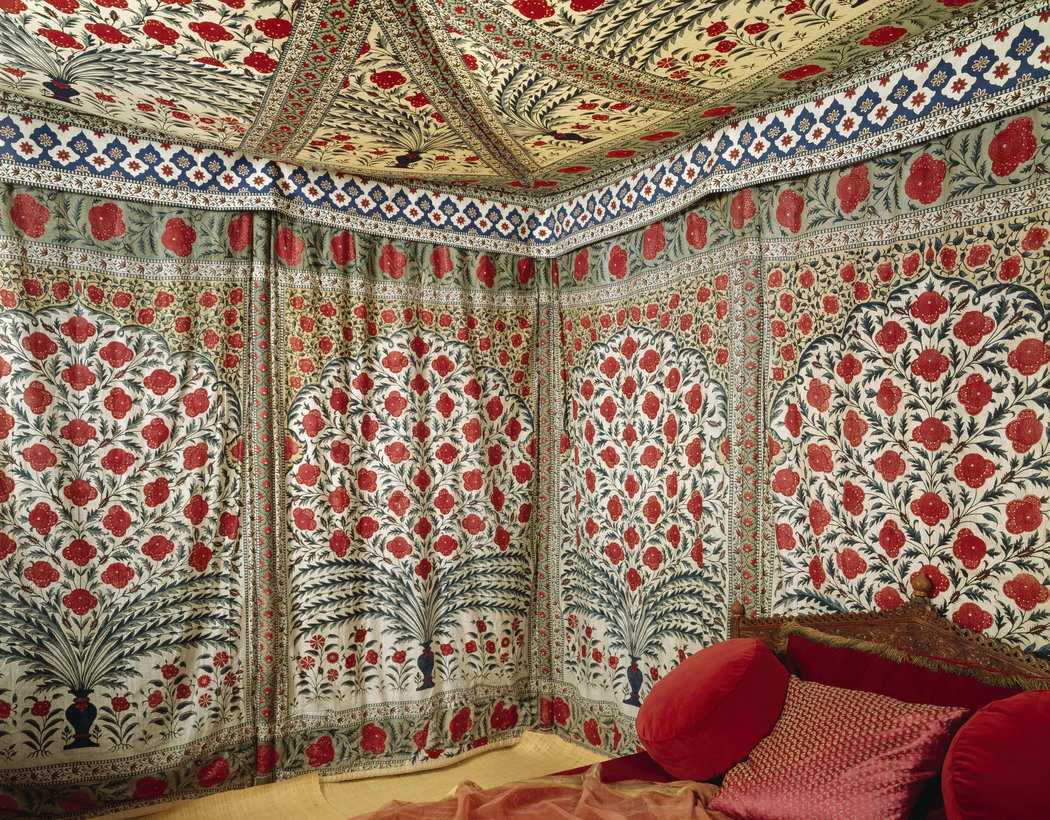
Art and culture are the essence of human expression and identity, reflecting the diversity, history, and creativity of societies around the world. From ancient cave paintings to modern digital art, and from traditional dances to contemporary theatre, the realms of art and culture are vast and ever-evolving. In this blog, we will explore the significance of art and culture, delve into various forms and traditions, and celebrate the impact they have on our lives.
The Significance of Art and Culture
Art and culture play a vital role in shaping our world, offering numerous benefits and serving as a testament to human ingenuity and resilience.
- Cultural Identity: Art and culture are fundamental in defining and preserving the identity of communities and nations. They transmit values, beliefs, customs, and traditions across generations, fostering a sense of belonging and pride.
- Expression and Communication: Art serves as a powerful medium for expressing emotions, ideas, and experiences. Through visual art, music, literature, and performance, artists convey messages that resonate on a deeply personal and universal level.
- Historical Record: Cultural artefacts, such as paintings, sculptures, and manuscripts, provide valuable insights into the history and evolution of civilizations. They serve as tangible records of past events, achievements, and societal changes.
- Social Commentary: Art often addresses social, political, and environmental issues, prompting reflection and dialogue. It can challenge the status quo, inspire change, and advocate for justice and equality.
- Economic Contribution: The cultural and creative industries significantly contribute to the global economy. They generate employment, drive tourism, and promote innovation and entrepreneurship.
Exploring Various Forms of Art
Art encompasses a wide array of forms and mediums, each with its unique characteristics and impact.
- Visual Arts:
- Painting: One of the oldest and most revered forms of art, painting allows artists to create visual compositions using colours, shapes, and textures. Famous movements include Renaissance, Impressionism, and Abstract Expressionism.
- Sculpture: Sculpture involves shaping materials such as stone, metal, wood, or clay into three-dimensional forms. Iconic sculptures range from ancient Greek statues to contemporary installations.
- Photography: Photography captures moments in time, offering a lens through which we view the world. It encompasses various genres, including portrait, landscape, documentary, and fine art photography.
- Performing Arts:
- Theatre: Theatre combines acting, dialogue, music, and stagecraft to create immersive storytelling experiences. It includes diverse genres such as drama, comedy, musical theatre, and experimental performances.
- Dance: Dance is the art of movement, expressed through various styles like ballet, contemporary, hip-hop, and traditional folk dances. It conveys emotions and tells stories through bodily expression.
- Music: Music is a universal language that transcends cultural boundaries. It encompasses a vast range of genres, from classical and jazz to rock, pop, and electronic. Composers and musicians create melodies and rhythms that evoke powerful emotions.
- Literary Arts:
- Literature: Literature includes written works such as novels, short stories, poetry, and essays. It reflects the human experience, exploring themes of love, conflict, identity, and society.
- Playwriting: Playwriting is the craft of writing scripts for theatrical performances. Playwrights create characters, dialogue, and plotlines that come to life on stage.
- Poetry: Poetry is a form of literary expression that uses rhythmic and metaphorical language to evoke emotions and convey profound ideas. It encompasses various styles, from sonnets to free verse.
- Digital and Media Arts:
- Digital Art: Digital art leverages technology to create visual works, including digital paintings, illustrations, and animations. It offers new possibilities for artistic expression and interactive experiences.
- Film and Television: Film and television are powerful storytelling mediums that combine visual and auditory elements. They entertain, inform, and provoke thought through narrative and documentary formats.
- Virtual Reality (VR) and Augmented Reality (AR): VR and AR technologies create immersive and interactive artistic experiences. They blend the physical and digital worlds, allowing users to explore new dimensions of creativity.
Celebrating Cultural Heritage and Traditions
Cultural heritage encompasses the traditions, customs, and practices that are passed down through generations. It reflects the collective memory and identity of a community.
- Traditional Festivals: Festivals are vibrant celebrations of cultural heritage, featuring music, dance, food, and rituals. Examples include Diwali in India, Carnival in Brazil, and Chinese New Year.
- Handicrafts and Artisan Work: Handicrafts are traditional crafts made by skilled artisans using techniques passed down through generations. They include textiles, pottery, jewellery, and woodworking.
- Folk Art and Folklore: Folk art and folklore preserve the stories, beliefs, and customs of a community. They are expressed through oral traditions, songs, dances, and visual art.
- Cultural Landmarks: Cultural landmarks, such as historical sites, monuments, and museums, serve as tangible connections to the past. They preserve and showcase the rich heritage of a community or nation.
The Impact of Art and Culture on Society
Art and culture have a profound impact on individuals and communities, fostering social cohesion, personal growth, and creative expression.
- Education and Learning: Art education enhances cognitive and emotional development, encouraging critical thinking, creativity, and empathy. Cultural programs in schools and communities promote lifelong learning and cultural appreciation.
- Community Building: Art and cultural events bring people together, creating shared experiences and fostering a sense of community. They provide platforms for dialogue, collaboration, and mutual understanding.
- Mental and Emotional Well-Being: Engaging with art and culture has therapeutic benefits, reducing stress and promoting mental health. Creative activities offer a means of self-expression and emotional release.
- Inspiration and Innovation: Art inspires innovation by challenging conventional thinking and encouraging new perspectives. It drives creativity in various fields, from technology to business.
Conclusion
Art and culture are the heartbeats of human civilization, reflecting our shared history, values, and aspirations. They enrich our lives, inspire our imaginations, and connect us across time and space. By celebrating and preserving diverse artistic traditions and cultural heritage, we honour the creativity and resilience of humanity. Embrace the world of art and culture, explore its myriad forms, and discover the profound impact