
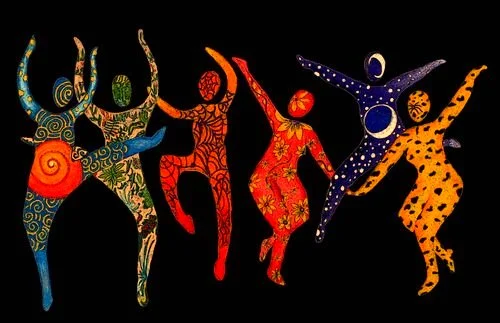
Introduction: Dance and movement are fundamental expressions of human emotion, culture, and creativity. From the rhythmic beats of ancient tribal dances to the contemporary flair of modern choreography, dance has the power to convey stories, evoke emotions, and bring people together. This blog explores the diverse world of dance, its historical significance, various styles, and its impact on physical and mental well-being.
1. The History of Dance:
Ancient Roots:
- Dance has been a part of human culture since prehistoric times. Early humans used dance as a form of ritual, communication, and celebration. Cave paintings and ancient texts depict dances performed for gods, hunting rituals, and communal gatherings.
Classical Periods:
- The classical civilizations of Greece, Rome, and India developed sophisticated dance forms. Greek and Roman dances often accompanied theatrical performances, while Indian classical dance forms like Bharatanatyam and Kathak were integral to religious and cultural ceremonies.
Renaissance to Baroque:
- The Renaissance era in Europe saw the birth of ballet in the courts of Italy and France. Ballet evolved into a highly stylized and technical form, with the establishment of the Paris Opera Ballet in the 17th century. The Baroque period brought elaborate and ornamental dances that mirrored the grandeur of the time.
2. Types of Dance:
Classical Dance:
- Ballet: Originating in the Renaissance courts, ballet is characterized by its precision, grace, and technique. Iconic ballets like “Swan Lake” and “The Nutcracker” showcase the art’s beauty and complexity.
- Indian Classical Dance: Forms like Bharatanatyam, Kathak, Odissi, and Kuchipudi are rich in storytelling, intricate movements, and elaborate costumes. Each form has a unique history and cultural significance.
Contemporary Dance:
- Modern Dance: Emerging in the early 20th century as a rebellion against classical ballet, modern dance emphasizes natural movement and emotional expression. Pioneers like Martha Graham and Isadora Duncan transformed the dance landscape.
- Jazz Dance: Rooted in African American culture, jazz dance is energetic, rhythmic, and improvisational. It has evolved with influences from tap, ballet, and street dance.
Cultural and Folk Dances:
- African Dance: Known for its powerful rhythms and dynamic movements, African dance is integral to community and ritualistic events.
- Latin Dance: Styles like salsa, tango, and flamenco are known for their passion and intricate footwork. They often celebrate cultural heritage and social connection.
- Asian Folk Dances: From the vibrant Lion Dance of China to the graceful Fan Dance of Korea, Asian folk dances are rich in tradition and cultural symbolism.
Social and Street Dances:
- Hip-Hop and Breakdance: Originating in the streets of New York in the 1970s, hip-hop and breakdance are expressive, athletic, and often improvisational forms. They have become global phenomena, influencing music and fashion.
- Ballroom Dance: Waltz, foxtrot, and tango are just a few of the elegant and formal styles in ballroom dance. These dances are often performed in pairs and highlight harmony and coordination.
3. The Science of Movement:
Physical Benefits:
- Dance is an excellent form of exercise, promoting cardiovascular health, flexibility, strength, and endurance. It engages multiple muscle groups and can improve balance and coordination.
Mental and Emotional Well-being:
- Dance has therapeutic benefits, including reducing stress, anxiety, and depression. The rhythmic and repetitive movements can have meditative effects, while the social aspect fosters connection and community.
Cognitive Benefits:
- Learning and memorizing dance routines can enhance cognitive functions such as memory, spatial awareness, and problem-solving skills. Dance also stimulates creativity and self-expression.
4. Dance as a Cultural and Social Connector:
Cultural Identity:
- Dance is a powerful medium for expressing cultural identity and preserving heritage. Traditional dances are often passed down through generations, serving as living links to history and ancestry.
Social Interaction:
- Dance brings people together, whether in social dances, dance clubs, or community performances. It transcends language barriers and fosters a sense of belonging and unity.
Global Influence:
- The global exchange of dance styles has led to fascinating fusions and innovations. Social media platforms and international dance competitions have made it easier to share and discover diverse dance forms from around the world.
5. Dance in Modern Media:
Film and Television:
- Dance has a significant presence in film and television, from classic musicals like “Singin’ in the Rain” to contemporary dance shows like “So You Think You Can Dance.” These mediums bring dance to a wider audience and celebrate its artistic merit.
Virtual and Digital Platforms:
- Online classes, virtual performances, and dance challenges on social media have expanded the reach of dance. Dancers can connect, learn, and collaborate across continents, breaking down geographical barriers.
Conclusion:
Dance is a universal language that speaks to the heart and soul. It is a celebration of life, a form of expression, and a source of joy and connection. Whether through a graceful ballet performance, an energetic hip-hop routine, or a traditional folk dance, movement has the power to inspire, heal, and unite us.