Blog

Embracing Minimalism: The Art of Living with Less

Minimalism is a lifestyle choice that focuses on simplifying life by reducing excess and focusing on what truly matters. It involves decluttering physical spaces, streamlining schedules, and eliminating unnecessary distractions to create more room for meaningful experiences and personal growth. In this elaborate blog, we explore the principles, benefits, and practical steps to embrace minimalism and transform your life.

Understanding Minimalism

At its core, minimalism is about intentionality. It encourages mindful consumption and the removal of anything that does not add value to your life. Minimalism is not just about owning fewer things; it’s about making conscious decisions that align with your values and goals. It’s about creating a life that is rich in experiences rather than possessions.

Principles of Minimalism

  1. Intentional Living: Minimalism is about making deliberate choices that reflect your values and priorities. It involves evaluating what truly matters and letting go of the rest.
  2. Decluttering: A key aspect of minimalism is decluttering physical spaces. This involves getting rid of items that no longer serve a purpose or bring joy. The goal is to create a clean, organized, and peaceful environment.
  3. Mindful Consumption: Minimalism promotes mindful consumption, encouraging you to buy only what you need and to choose quality over quantity. It’s about being conscious of the impact of your purchases on the environment and your well-being.
  4. Simplification: Minimalism extends beyond physical possessions to other areas of life, including your schedule, relationships, and digital spaces. Simplifying these aspects can lead to greater clarity and focus.
  5. Gratitude and Contentment: Embracing minimalism fosters gratitude and contentment with what you have. It shifts the focus from accumulating more to appreciating the present moment.

Benefits of Minimalism

  1. Reduced Stress and Anxiety: A cluttered space can contribute to feelings of stress and overwhelm. Decluttering and simplifying your environment can create a sense of calm and order.
  2. Improved Focus and Productivity: By removing distractions and unnecessary items, you can improve your ability to concentrate and be more productive. A minimalist environment supports clear thinking and efficient work.
  3. Financial Freedom: Minimalism encourages mindful spending, which can lead to significant financial savings. By buying less and choosing quality, you can reduce debt and build financial security.
  4. Environmental Impact: Minimalism promotes sustainable living by reducing consumption and waste. Mindful choices can lead to a lower carbon footprint and a more eco-friendly lifestyle.
  5. Enhanced Well-Being: Minimalism can improve your mental and emotional well-being by fostering a sense of contentment and gratitude. It allows you to focus on meaningful experiences and relationships.

Practical Steps to Embrace Minimalism

  1. Start with Small Steps: Begin your minimalist journey by tackling one area at a time. This could be a specific room, a category of items (like clothing or books), or a digital space (like your email inbox).
  2. Declutter: Go through your belongings and decide what to keep, donate, or discard. Ask yourself whether each item serves a purpose or brings you joy. Use the “one in, one out” rule to maintain a clutter-free space.
  3. Simplify Your Schedule: Evaluate your commitments and prioritize activities that align with your values and goals. Learn to say no to tasks and events that do not add value to your life.
  4. Mindful Consumption: Be intentional about your purchases. Before buying something new, consider whether it is truly necessary and if it aligns with your minimalist lifestyle. Focus on quality, durability, and sustainability.
  5. Digital Decluttering: Clean up your digital spaces by organizing files, deleting unnecessary emails, and unsubscribing from unwanted newsletters. Limit screen time and be mindful of your digital consumption.
  6. Create a Capsule Wardrobe: A capsule wardrobe consists of a small, curated collection of versatile clothing items that you love and wear regularly. This simplifies your daily routine and reduces decision fatigue.
  7. Foster Meaningful Relationships: Focus on building and maintaining relationships that are meaningful and fulfilling. Surround yourself with people who support and inspire you, and let go of toxic or superficial connections.
  8. Practice Gratitude: Cultivate a habit of gratitude by regularly reflecting on the things you are thankful for. This can help shift your focus from wanting more to appreciating what you already have.
  9. Embrace Experiences Over Possessions: Prioritize experiences and memories over material possessions. Invest in activities that bring you joy, such as travel, hobbies, and spending time with loved ones.

Minimalism Beyond the Home

Minimalism can extend to various aspects of life, including work, relationships, and personal growth:

  1. Work: Apply minimalist principles to your work by organizing your workspace, prioritizing tasks, and eliminating unnecessary meetings. Focus on meaningful projects that align with your career goals.
  2. Relationships: Simplify your social life by fostering deep and meaningful connections. Prioritize quality time with loved ones and practice active listening and presence in your interactions.
  3. Personal Growth: Embrace minimalism in your personal growth by focusing on a few key goals and dedicating time to self-improvement. Engage in activities that nourish your mind, body, and soul.

Conclusion

Minimalism is a transformative lifestyle that encourages intentional living, mindful consumption, and the pursuit of meaningful experiences. By embracing minimalism, you can create a simpler, more focused, and fulfilling life. Whether it’s through decluttering your physical space, simplifying your schedule, or fostering gratitude, the principles of minimalism can help you achieve greater clarity, contentment, and well-being. Begin your minimalist journey today and discover the profound benefits that living with less can bring.


Mindful Living: Embracing Presence and Purpose

Mindful living is a way of life that encourages us to be fully present in each moment, to cultivate awareness and gratitude, and to live with intention and purpose. It is a holistic approach to life that can significantly enhance our physical, mental, and emotional well-being. In this elaborate article, we explore the principles of mindful living, its benefits, and practical tips to incorporate mindfulness into your daily routine.

Understanding Mindful Living

Mindful living involves consciously bringing your attention to your thoughts, feelings, and surroundings in the present moment, without judgment. It is about being aware of and appreciating the little things in life, and making deliberate choices that align with your values and goals. Mindfulness can be practiced in various aspects of life, including eating, working, and interacting with others.

Principles of Mindful Living

  1. Presence: Being fully present means focusing on the here and now, rather than dwelling on the past or worrying about the future. It involves paying attention to your thoughts, emotions, and physical sensations as they arise.
  2. Non-Judgment: Mindfulness encourages us to observe our experiences without labeling them as good or bad. This non-judgmental attitude helps us to accept things as they are and reduces stress and anxiety.
  3. Gratitude: Practicing gratitude means recognizing and appreciating the positive aspects of life. It involves regularly reflecting on the things you are thankful for, which can foster a positive outlook and enhance overall happiness.
  4. Intentionality: Living mindfully involves making deliberate choices that reflect your values and goals. It means being intentional about how you spend your time, energy, and resources, and aligning your actions with your purpose.

Benefits of Mindful Living

  1. Reduced Stress and Anxiety: Mindfulness practices help to calm the mind and reduce the physiological effects of stress. By focusing on the present moment, you can interrupt the cycle of anxious thoughts and cultivate a sense of calm.
  2. Improved Mental Clarity and Focus: Mindfulness enhances cognitive function, including attention and memory. Regular mindfulness practice can help you stay focused on tasks and make better decisions.
  3. Enhanced Emotional Regulation: Mindfulness increases self-awareness and emotional intelligence, allowing you to manage your emotions more effectively. This can lead to healthier relationships and a greater sense of emotional balance.
  4. Better Physical Health: Mindfulness practices, such as meditation and mindful eating, can improve physical health by reducing blood pressure, enhancing immune function, and promoting healthy eating habits.
  5. Greater Life Satisfaction: By living mindfully, you can cultivate a deeper appreciation for life’s simple pleasures and develop a greater sense of fulfillment and contentment.

Practical Tips for Mindful Living

  1. Mindful Breathing: Take a few minutes each day to focus on your breath. Close your eyes and take slow, deep breaths, paying attention to the sensation of the air entering and leaving your nostrils. This simple practice can help center your mind and reduce stress.
  2. Mindful Eating: Pay attention to the taste, texture, and smell of your food. Eat slowly and savor each bite, noticing how your body feels as you eat. This practice can enhance your enjoyment of food and help you develop healthier eating habits.
  3. Mindful Movement: Incorporate mindfulness into your physical activities, such as walking, yoga, or exercise. Focus on the sensations in your body as you move, and bring your attention to the present moment.
  4. Mindful Listening: Practice active listening in your conversations. Give the speaker your full attention, and listen without interrupting or forming a response in your mind. This can improve your communication skills and deepen your relationships.
  5. Gratitude Journal: Keep a journal where you regularly write down things you are grateful for. This practice can help you develop a positive mindset and appreciate the good in your life.
  6. Digital Detox: Take regular breaks from digital devices to reconnect with yourself and your surroundings. Set aside specific times each day to unplug and engage in non-digital activities, such as reading, cooking, or spending time in nature.
  7. Set Intentions: At the beginning of each day, take a moment to set an intention. Reflect on what you want to accomplish and how you want to show up in the world. This practice can help you stay focused and aligned with your values.

Mindfulness Meditation

One of the core practices of mindful living is mindfulness meditation. Here are some steps to get started with a basic mindfulness meditation practice:

  1. Find a Quiet Space: Choose a calm and comfortable place where you won’t be disturbed.
  2. Sit Comfortably: Sit in a chair or on the floor with your back straight and your hands resting on your knees.
  3. Focus on Your Breath: Close your eyes and bring your attention to your breathing. Notice the sensation of the air entering and leaving your nostrils.
  4. Observe Thoughts: When your mind wanders, gently bring your focus back to your breath. Observe your thoughts without judgment, letting them come and go.
  5. Practice Regularly: Start with a few minutes each day and gradually increase the duration as you become more comfortable with the practice.

Conclusion

Mindful living is a transformative approach to life that encourages presence, gratitude, and intentionality. By incorporating mindfulness practices into your daily routine, you can reduce stress, enhance mental clarity, improve emotional regulation, and cultivate a deeper sense of fulfilment. Whether through mindful breathing, eating, movement, or meditation, the principles of mindfulness can help you live a more balanced and meaningful life. Embrace the journey of mindful living, and discover the profound benefits it can bring to your overall well-being.

Mental Health Practices: A Path to Wellness

Mental health is a crucial aspect of overall well-being, affecting how we think, feel, and act. It also influences how we handle stress, relate to others, and make choices. In today’s fast-paced world, prioritizing mental health has never been more important. This comprehensive guide explores various mental health practices that can help you achieve a balanced and healthy mind.

Mindfulness Meditation

Mindfulness meditation involves focusing your attention on the present moment without judgment. It helps reduce stress, improve concentration, and enhance emotional well-being. Here’s how to get started:

  1. Find a Quiet Space: Choose a calm and comfortable spot where you won’t be disturbed.
  2. Sit Comfortably: Sit in a chair or on the floor with your back straight.
  3. Focus on Your Breath: Close your eyes and pay attention to your breathing. Notice the sensation of air entering and leaving your nostrils.
  4. Acknowledge Thoughts: When your mind wanders, gently bring your focus back to your breath. Don’t judge the thoughts; simply acknowledge them and let them go.
  5. Practice Regularly: Start with a few minutes each day and gradually increase the duration.

Cognitive Behavioural Therapy (CBT)

Cognitive behavioural Therapy (CBT) is a widely used therapeutic approach that helps individuals identify and change negative thought patterns and behaviour’s. Key components of CBT include:

  1. Identifying Negative Thoughts: Recognize and challenge distorted thinking patterns.
  2. Reframing Thoughts: Replace negative thoughts with more realistic and positive ones.
  3. Behavioural Activation: Engage in activities that are rewarding and align with your values.
  4. Self-Monitoring: Keep a journal to track thoughts, emotions, and behaviours.

Stress Management Techniques

Managing stress is essential for maintaining mental health. Here are some effective stress reduction techniques:

  1. Deep Breathing: Practice deep breathing exercises to calm your nervous system. Inhale slowly through your nose, hold for a few seconds, and exhale through your mouth.
  2. Progressive Muscle Relaxation: Tense and then relax different muscle groups in your body, starting from your toes and moving up to your head.
  3. Visualization: Imagine a peaceful scene or place. Visualizing calm and serene environments can reduce stress and promote relaxation.
  4. Time Management: Prioritize tasks, delegate when possible, and take regular breaks to avoid burnout.

Physical Activity

Regular physical activity is not only beneficial for your body but also for your mind. Exercise releases endorphins, which are natural mood lifters. Here are some ways to incorporate physical activity into your routine:

  1. Aerobic Exercises: Engage in activities like walking, running, cycling, or swimming.
  2. Strength Training: Include weight lifting or resistance exercises to build muscle strength.
  3. Yoga: Practice yoga to improve flexibility, balance, and mental clarity.
  4. Outdoor Activities: Spend time in nature, whether it’s hiking, gardening, or simply walking in a park.

Healthy Eating

A balanced diet plays a significant role in mental health. Certain foods can boost your mood, improve concentration, and reduce anxiety. Consider the following dietary tips:

  1. Omega-3 Fatty Acids: Found in fish, flaxseeds, and walnuts, these acids are known to support brain health.
  2. Whole Grains: Foods like oats, brown rice, and whole wheat provide steady energy and help maintain stable blood sugar levels.
  3. Leafy Greens: Vegetables such as spinach and kale are rich in folate, which is linked to lower rates of depression.
  4. Probiotics: Yogurt, kefir, and other fermented foods support gut health, which is connected to mental health.

Building a Support System

Having a strong support system is vital for emotional well-being. Surround yourself with positive and supportive individuals. Here are some ways to build and maintain a support network:

  1. Stay Connected: Regularly reach out to friends and family. Use social media, phone calls, or face-to-face meetings to keep in touch.
  2. Join Support Groups: Participate in groups where you can share experiences and receive support from others facing similar challenges.
  3. Volunteer: Volunteering can provide a sense of purpose and help you connect with others in meaningful ways.
  4. Seek Professional Help: Don’t hesitate to seek help from a therapist or counsellor if needed.

Self-Care Practices

Self-care involves taking time to nurture your physical, mental, and emotional health. Incorporate these self-care practices into your routine:

  1. Set Boundaries: Learn to say no and set limits to avoid overcommitting yourself.
  2. Engage in Hobbies: Spend time doing activities you enjoy, whether it’s reading, painting, or playing a musical instrument.
  3. Get Adequate Sleep: Aim for 7-9 hours of quality sleep each night. Establish a bedtime routine to promote better sleep.
  4. Practice Gratitude: Keep a gratitude journal and write down things you are thankful for each day.

Professional Help

Sometimes, self-care and personal practices may not be enough. It’s important to seek professional help when needed. Therapists, psychologists, and psychiatrists can provide specialized care, including:

  1. Therapy Sessions: Various forms of therapy, such as CBT, psychodynamic therapy, and interpersonal therapy, can help address mental health issues.
  2. Medication: In some cases, medication may be necessary to manage conditions like depression or anxiety. Always consult a healthcare professional before starting any medication.
  3. Supportive Counselling: Counselling can offer guidance and support during difficult times, helping you navigate challenges and develop coping strategies.

Conclusion

Maintaining mental health is a lifelong journey that requires a combination of practices and support. By incorporating mindfulness meditation, CBT, stress management techniques, physical activity, healthy eating, and building a support system, you can create a balanced and healthy mind. Remember, seeking professional help when needed is a sign of strength, not weakness. Prioritize your mental health and take proactive steps to ensure a fulfilling and resilient life.

Meditation & Yoga: Pathways to Holistic Wellness

Meditation and yoga are ancient practices that have stood the test of time, offering profound benefits for the mind, body, and spirit. These practices are interwoven, with meditation often forming a core component of yoga. Together, they create a holistic approach to wellness that fosters physical health, mental clarity, and emotional stability. In this elaborate blog, we will explore the principles, benefits, techniques, and tips for incorporating meditation and yoga into your daily routine.

Understanding Meditation

Meditation is the practice of focusing the mind to achieve a state of relaxation, clarity, and heightened awareness. It involves techniques such as mindfulness, concentration, and contemplation, which help quiet the mind and cultivate inner peace.

Benefits of Meditation

  1. Stress Reduction: Meditation activates the body’s relaxation response, reducing the production of stress hormones and promoting a state of calm.
  2. Improved Focus and Concentration: Regular meditation enhances your ability to concentrate and sustain attention on tasks, improving productivity.
  3. Emotional Well-Being: Meditation fosters emotional stability, reducing symptoms of anxiety and depression while increasing feelings of happiness and contentment.
  4. Better Sleep: Meditation can improve the quality of sleep by calming the mind and reducing insomnia.
  5. Enhanced Self-Awareness: Through meditation, you develop a deeper understanding of your thoughts, emotions, and behaviors, leading to greater self-awareness and personal growth.

Techniques for Practicing Meditation

  1. Mindfulness Meditation:
    • Find a Quiet Space: Choose a calm, comfortable place where you won’t be disturbed.
    • Sit Comfortably: Sit in a chair or on the floor with your back straight.
    • Focus on Your Breath: Close your eyes and bring your attention to your breathing. Notice the sensation of air entering and leaving your nostrils.
    • Observe Thoughts: When your mind wanders, gently bring your focus back to your breath without judgment.
    • Practice Regularly: Start with a few minutes each day and gradually increase the duration.
  2. Guided Meditation:
    • Choose a Guided Session: Use a guided meditation app or online video to follow along.
    • Follow the Instructions: Listen to the guide’s voice and follow their instructions for breathing, visualization, and relaxation.
    • Engage Fully: Allow yourself to fully engage in the experience and focus on the sensations and images being described.
  3. Loving-Kindness Meditation:
    • Sit Comfortably: Find a comfortable seated position and close your eyes.
    • Generate Feelings of Love and Kindness: Focus on your heart and generate feelings of love and kindness.
    • Recite Phrases: Silently recite phrases such as “May I be happy, may I be healthy, may I be safe, may I live with ease.”
    • Extend to Others: Gradually extend these wishes to others, starting with loved ones and eventually including all beings.
  4. Body Scan Meditation:
    • Lie Down Comfortably: Lie down in a comfortable position, such as on your back with your arms at your sides.
    • Focus on Sensations: Starting from your toes, slowly move your attention up through your body, noticing any sensations without judgment.
    • Release Tension: If you encounter areas of tension, acknowledge them and consciously release the tension.
    • Complete the Scan: Continue this process up to your head, ensuring you cover every part of your body.

Understanding Yoga

Yoga is a holistic practice that combines physical postures (asanas), breathing techniques (pranayama), and meditation to promote overall well-being. Originating in ancient India, yoga aims to unite the mind, body, and spirit, enhancing physical strength, flexibility, and mental clarity.

Benefits of Yoga

  1. Physical Health: Yoga improves flexibility, strength, and balance. It enhances cardiovascular health, boosts immunity, and alleviates chronic pain.
  2. Mental Clarity: The focus required in yoga helps calm the mind and improve concentration. It also reduces symptoms of anxiety and depression.
  3. Emotional Balance: Yoga promotes emotional stability and resilience. The practice helps release emotional tension and fosters a sense of inner peace.
  4. Stress Relief: Yoga activates the parasympathetic nervous system, reducing stress and promoting relaxation.
  5. Enhanced Self-Awareness: Through the practice of yoga, you become more attuned to your body, thoughts, and emotions, leading to greater self-awareness.

Techniques for Practicing Yoga

  1. Hatha Yoga:
    • Basic Poses: Hatha yoga focuses on basic poses that promote physical strength and flexibility. Examples include Mountain Pose (Tadasana), Downward Dog (Adho Mukha Svanasana), and Tree Pose (Vrikshasana).
    • Breath Awareness: Incorporate breath awareness by coordinating your breath with your movements. Inhale as you move into a pose and exhale as you release it.
    • Relaxation: End your practice with a relaxation pose, such as Corpse Pose (Savasana), to promote deep relaxation and integration of the practice.
  2. Vinyasa Yoga:
    • Flowing Sequences: Vinyasa yoga involves flowing sequences of poses that are synchronized with the breath. Each movement is linked to an inhale or exhale.
    • Sun Salutations: A common Vinyasa sequence is the Sun Salutation (Surya Namaskar), which includes poses like Forward Fold (Uttanasana) and Upward Dog (Urdhva Mukha Svanasana).
    • Continuous Movement: The focus is on continuous movement and fluid transitions between poses.
  3. Yin Yoga:
    • Long Holds: Yin yoga involves holding poses for several minutes to target deep connective tissues and promote relaxation.
    • Passive Stretches: Poses are mostly passive stretches that focus on the lower body, such as Butterfly Pose (Baddha Konasana) and Child’s Pose (Balasana).
    • Mindfulness: Encourage mindfulness by focusing on your breath and sensations in the body during each pose.
  4. Restorative Yoga:
    • Supportive Poses: Restorative yoga uses props, such as blankets and bolsters, to support the body in gentle, restful poses. Examples include Supported Bridge Pose (Setu Bandhasana) and Legs-Up-The-Wall Pose (Viparita Karani).
    • Deep Relaxation: The emphasis is on deep relaxation and restoration of the nervous system.
    • Extended Duration: Poses are held for an extended duration, allowing for complete relaxation and rejuvenation.

Tips for Incorporating Meditation and Yoga into Your Routine

  1. Create a Dedicated Space: Designate a quiet, comfortable space for your practice. This can be a corner of a room with minimal distractions.
  2. Set a Regular Schedule: Establish a regular time for meditation and yoga, whether it’s in the morning, during lunch breaks, or before bed. Consistency is key to developing a habit.
  3. Start Slowly: Begin with short sessions and gradually increase the duration as you become more comfortable with the practice.
  4. Use Resources: Utilize resources such as yoga classes, online tutorials, and meditation apps to guide your practice and keep you motivated.
  5. Listen to Your Body: Pay attention to your body’s signals and adjust your practice accordingly. Avoid pushing yourself too hard and prioritize comfort and safety.
  6. Stay Patient and Persistent: Progress in meditation and yoga takes time. Stay patient with yourself and persistently practice to experience the full benefits.

Conclusion

Meditation and yoga are powerful practices that offer numerous benefits for the mind, body, and spirit. By incorporating these practices into your daily routine, you can achieve greater physical health, mental clarity, emotional stability, and overall well-being. Whether you choose mindfulness meditation, guided meditation, Hatha yoga, or Restorative yoga, the key is to practice regularly and with intention. Embrace the journey of meditation and yoga, and discover the transformative effects they can bring to your life.

Understanding Health & Wellness

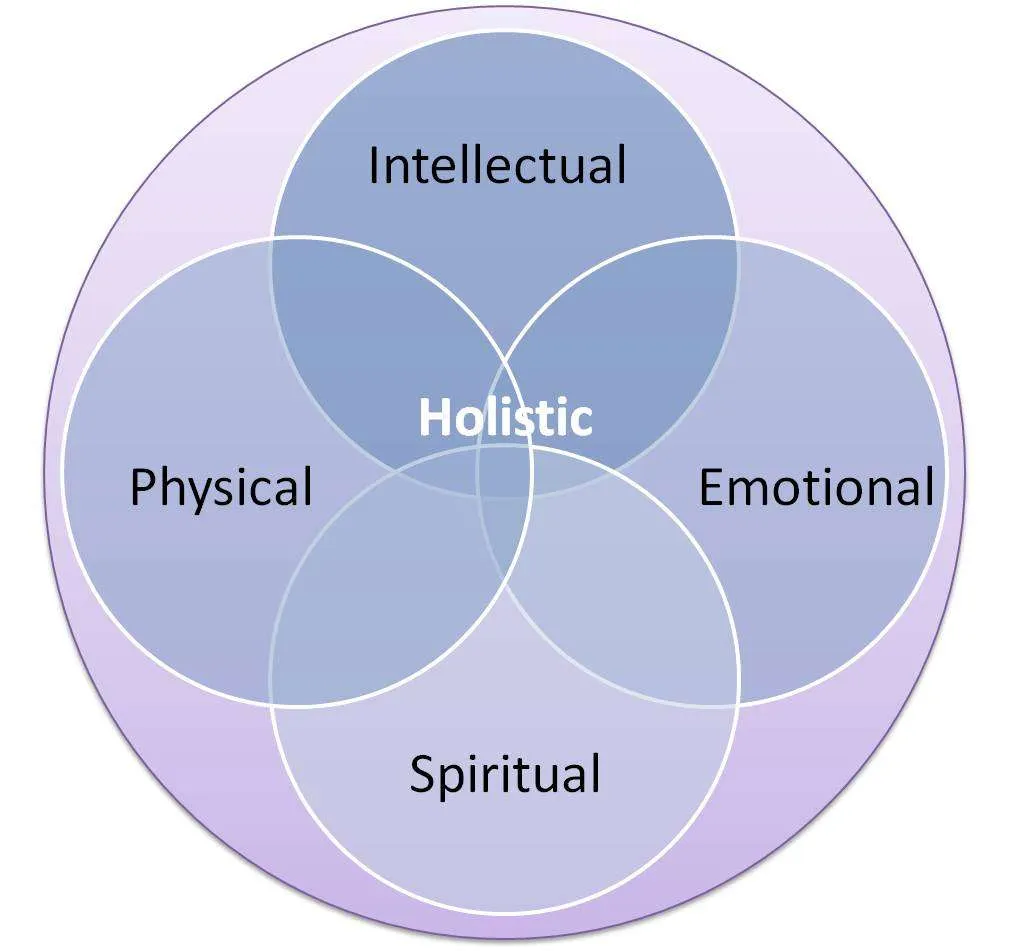
Health & Wellness refers to a holistic approach to well-being that encompasses physical, mental, emotional, and social dimensions. It’s about more than just the absence of disease or illness; it involves proactive measures to maintain a balanced and fulfilling life. Here’s a breakdown of what Health & Wellness entails and why it is so important:

Components of Health & Wellness

  1. Physical Health: This involves maintaining a healthy body through regular exercise, proper nutrition, adequate sleep, and preventive healthcare measures. Physical health also includes managing chronic conditions, avoiding harmful behaviours such as smoking, and seeking medical care when necessary.
  2. Mental Health: Mental health focuses on cognitive and emotional well-being. It includes the ability to manage stress, cope with life’s challenges, maintain a positive outlook, and seek help for mental health issues like anxiety and depression.
  3. Emotional Health: Emotional health is about understanding and managing your emotions, building resilience, and developing strong self-esteem. It also involves cultivating healthy relationships and having a support system in place.
  4. Social Health: Social health pertains to building and maintaining healthy relationships with family, friends, and communities. It includes effective communication, empathy, and social support.
  5. Spiritual Health: Spiritual health involves finding meaning and purpose in life, which can be achieved through religious practices, meditation, or connecting with nature. It’s about having a sense of belonging and direction.
  6. Environmental Health: Environmental health considers how the environment affects your well-being. This includes living in a safe and healthy environment, reducing exposure to pollutants, and promoting sustainability.

Importance of Health & Wellness

  1. Enhances Quality of Life: Prioritizing health and wellness improves your overall quality of life. It enables you to enjoy daily activities, pursue your interests, and maintain a positive outlook.
  2. Prevents Diseases: A proactive approach to health can prevent chronic diseases like heart disease, diabetes, and obesity. Regular exercise, a balanced diet, and preventive care reduce the risk of these conditions.
  3. Improves Mental Health: Focusing on wellness can help manage stress, reduce the risk of mental health disorders, and improve emotional resilience. Practices such as mindfulness and meditation contribute to better mental health.
  4. Boosts Longevity: Healthy lifestyle choices and regular medical check-ups contribute to a longer, healthier life. Wellness practices support the body’s natural functions and promote longevity.
  5. Increases Productivity: Good health and wellness boost energy levels, enhance concentration, and improve productivity. When you feel good physically and mentally, you can perform better at work and in daily tasks.
  6. Builds Stronger Relationships: Social and emotional wellness foster better relationships. Healthy communication and emotional intelligence improve interactions with others, leading to more fulfilling connections.
  7. Promotes Balance: Wellness helps maintain a balance between various aspects of life, including work, family, and personal time. It encourages setting boundaries and prioritizing self-care.

Tips for Maintaining Health & Wellness

  1. Exercise Regularly: Engage in physical activities you enjoy, such as walking, swimming, or yoga. Aim for at least 150 minutes of moderate exercise per week.
  2. Eat a Balanced Diet: Focus on whole foods, including fruits, vegetables, lean proteins, and whole grains. Limit processed foods, sugar, and unhealthy fats.
  3. Get Adequate Sleep: Aim for 7-9 hours of sleep per night. Establish a regular sleep routine and create a restful sleep environment.
  4. Manage Stress: Practice stress-relief techniques such as meditation, deep breathing, or hobbies that relax you. Identify stressors and develop healthy coping mechanisms.
  5. Stay Hydrated: Drink plenty of water throughout the day to stay hydrated and support overall health.
  6. Build Healthy Relationships: Invest time in nurturing your relationships. Practice active listening, empathy, and effective communication.
  7. Seek Professional Help: Don’t hesitate to seek help from healthcare professionals, therapists, or counsellors when needed. Regular check-ups and mental health support are crucial.
  8. Engage in Spiritual Practices: Explore activities that bring you peace and purpose, whether it’s prayer, meditation, or spending time in nature.
  9. Prioritize Self-Care: Dedicate time to self-care activities that rejuvenate and relax you. This can include reading, taking baths, or enjoying a hobby.

Conclusion

Health & Wellness is a holistic approach to living a balanced and fulfilling life. It encompasses physical, mental, emotional, social, spiritual, and environmental well-being. By prioritizing wellness, you can enhance your quality of life, prevent diseases, improve mental health, and build stronger relationships. Embrace a proactive approach to your health and make wellness practices an integral part of your daily routine. Your body and mind will thank you for it!

Exploring Alternative Medicine: Natural Paths to Health

Alternative medicine encompasses a diverse range of healing practices that fall outside the realm of conventional Western medicine. These practices often emphasize holistic and natural approaches to health and wellness, focusing on the body’s inherent ability to heal itself. In this blog, we delve into the principles, benefits, and various types of alternative medicine, as well as tips for integrating these practices into your health regimen.

Understanding Alternative Medicine

Alternative medicine includes a variety of therapeutic approaches that may be used instead of or alongside traditional medical treatments. These practices often emphasize the connection between mind, body, and spirit and seek to promote overall well-being through natural means.

Principles of Alternative Medicine

  1. Holistic Approach: Alternative medicine views the body as an integrated whole, where physical, mental, emotional, and spiritual aspects are interconnected.
  2. Natural Healing: Emphasis is placed on natural therapies and remedies that support the body’s self-healing processes.
  3. Prevention: Focus on preventing illness and promoting health through lifestyle changes, diet, and natural interventions.
  4. Personalized Care: Treatments are often tailored to the individual’s unique needs, rather than following a one-size-fits-all approach.

Benefits of Alternative Medicine

  1. Reduced Side Effects: Many alternative therapies use natural ingredients and techniques, which can minimize the risk of adverse side effects compared to conventional medications.
  2. Empowerment: Patients are often encouraged to take an active role in their health, leading to greater empowerment and self-awareness.
  3. Complementary Care: Alternative medicine can complement conventional treatments, enhancing overall health outcomes and quality of life.
  4. Holistic Well-Being: By addressing physical, mental, and emotional aspects of health, alternative medicine promotes a holistic sense of well-being.

Types of Alternative Medicine

  1. Acupuncture:
    • Overview: Acupuncture involves inserting thin needles into specific points on the body to balance the flow of energy (Qi).
    • Benefits: It can help alleviate pain, reduce stress, and improve overall health by stimulating the body’s natural healing processes.
    • Applications: Commonly used for chronic pain, migraines, anxiety, and digestive issues.
  2. Herbal Medicine:
    • Overview: Herbal medicine uses plant-based remedies to treat various health conditions.
    • Benefits: Herbs can provide therapeutic benefits with fewer side effects and can be used for a wide range of ailments.
    • Applications: Examples include using turmeric for inflammation, ginger for nausea, and chamomile for relaxation.
  3. Homeopathy:
    • Overview: Homeopathy is based on the principle of “like cures like,” using highly diluted substances to stimulate the body’s healing response.
    • Benefits: It aims to treat the individual as a whole and is often used for chronic conditions and minor ailments.
    • Applications: Commonly used for allergies, skin conditions, and respiratory issues.
  4. Chiropractic Care:
    • Overview: Chiropractic care focuses on the diagnosis and treatment of musculoskeletal disorders, particularly spine alignment.
    • Benefits: It can relieve pain, improve mobility, and enhance overall health by ensuring proper nervous system function.
    • Applications: Effective for back pain, neck pain, headaches, and joint issues.
  5. Aromatherapy:
    • Overview: Aromatherapy uses essential oils extracted from plants to promote physical and emotional well-being.
    • Benefits: Inhalation or topical application of essential oils can reduce stress, improve mood, and enhance relaxation.
    • Applications: Commonly used oils include lavender for relaxation, peppermint for headaches, and eucalyptus for respiratory issues.
  6. Ayurveda:
    • Overview: Ayurveda is an ancient Indian system of medicine that focuses on balancing the body’s energies (doshas) through diet, lifestyle, and natural therapies.
    • Benefits: It promotes overall health, prevents diseases, and treats imbalances by addressing the root causes of illness.
    • Applications: Common practices include dietary modifications, herbal treatments, and yoga.
  7. Naturopathy:
    • Overview: Naturopathy emphasizes natural and preventive approaches to health, combining traditional healing methods with modern scientific knowledge.
    • Benefits: It supports the body’s self-healing processes and focuses on holistic well-being.
    • Applications: Treatments may include nutrition, herbal medicine, physical therapies, and lifestyle counseling.

Integrating Alternative Medicine into Your Health Regimen

  1. Research and Education: Educate yourself about the various types of alternative medicine and their potential benefits and risks. Consult reputable sources and seek guidance from qualified practitioners.
  2. Consult with Professionals: Before starting any alternative therapy, consult with a qualified healthcare provider to ensure it is appropriate for your condition and does not interfere with existing treatments.
  3. Start Slowly: Introduce alternative therapies gradually and monitor their effects on your health. Keep track of any changes in symptoms or overall well-being.
  4. Combine Approaches: Consider integrating alternative medicine with conventional treatments for a comprehensive approach to health. Discuss with your healthcare provider how best to combine therapies for optimal results.
  5. Personalize Your Care: Choose therapies that resonate with you and address your specific needs. Personalized care can enhance the effectiveness of alternative treatments.
  6. Stay Informed: Keep up-to-date with the latest research and developments in alternative medicine. This will help you make informed decisions about your health and treatment options.

Conclusion

Alternative medicine offers a diverse range of natural and holistic approaches to health and wellness. By understanding the principles and benefits of various alternative therapies, you can make informed decisions about integrating them into your health regimen. Whether through acupuncture, herbal medicine, homeopathy, or other practices, alternative medicine can complement conventional treatments and promote overall well-being. Embrace the natural paths to health and discover the transformative effects of alternative medicine on your journey to holistic wellness.

Understanding DIY: The Art of Do-It-Yourself

Introduction

DIY, or Do-It-Yourself, is more than just a hobby; it’s a movement that empowers individuals to take control of their living spaces, creative projects, and even their lives. The DIY ethos revolves around the idea of creating, building, or repairing things without the direct aid of professionals. This approach not only fosters creativity and self-reliance but also promotes sustainability and cost savings. In this article, we’ll dive deep into the world of DIY, exploring its origins, benefits, popular projects, and the skills you can develop along the way.

Section 1: Origins of DIY

The concept of DIY has been around for centuries, but it gained significant traction in the mid-20th century as a response to industrialization and mass production.

  • Historical Roots: DIY practices date back to ancient times when people built their homes, crafted tools, and made clothing by hand. These skills were passed down through generations and were essential for survival.
  • Modern Movement: The modern DIY movement emerged in the 1950s and 1960s, particularly in the United States and Europe, as people began to seek alternatives to mass-produced goods. Magazines, books, and television shows dedicated to DIY projects started to appear, making information more accessible to the average person.
  • Cultural Influence: The punk rock movement of the 1970s and 1980s also played a role in popularizing DIY, with its emphasis on self-sufficiency, creativity, and anti-establishment values. This spirit of independence continues to influence the DIY community today.

Section 2: Benefits of DIY

Engaging in DIY projects offers numerous advantages that go beyond mere cost savings.

  • Personalization: DIY allows you to tailor your projects to your specific tastes and needs, resulting in unique and personalized creations that reflect your personality.
  • Cost Savings: By doing the work yourself, you can save money on labor and often find budget-friendly materials. Additionally, repurposing and upcycling items can further reduce costs.
  • Skill Development: DIY projects help you develop practical skills such as carpentry, painting, sewing, and basic electrical work. These skills can be useful in various aspects of life and can boost your confidence.
  • Sustainability: DIY promotes sustainability by encouraging the reuse and repurposing of materials. Creating your own items reduces the demand for mass-produced goods, which often have a larger environmental footprint.
  • Sense of Accomplishment: Completing a DIY project provides a sense of achievement and satisfaction. Seeing the results of your hard work can be incredibly rewarding.

Section 3: Popular DIY Projects

DIY projects can range from simple crafts to complex home renovations. Here are some popular categories to inspire you:

  • Home Improvement: Projects like painting walls, installing shelves, and building furniture can transform your living space. Home improvement projects enhance both the functionality and aesthetics of your home.
  • Crafts and Hobbies: DIY crafts such as knitting, crocheting, scrapbooking, and jewelry making allow for creative expression and make for thoughtful, handmade gifts.
  • Gardening: Building raised garden beds, creating compost bins, and designing vertical gardens are popular DIY projects that promote sustainable living.
  • Upcycling and Repurposing: Give new life to old items by upcycling them into something useful or decorative. For example, turning old pallets into furniture or using mason jars for storage and organization.
  • Technology and Gadgets: DIY enthusiasts can also delve into tech projects like building computers, creating smart home devices, or assembling custom electronics.

Section 4: Getting Started with DIY

Starting your DIY journey can be both exciting and daunting. Here are some tips to help you get started:

  • Identify Your Interests: Consider what types of projects you are passionate about. Whether it’s home decor, crafting, or gardening, choose a starting point that excites you.
  • Gather Supplies: Invest in basic tools and materials that are relevant to your chosen projects. Common tools include a hammer, screwdrivers, a tape measure, and a power drill.
  • Learn from Resources: Take advantage of the vast array of resources available, such as online tutorials, books, magazines, and workshops. Learning from experienced DIYers can provide valuable insights and techniques.
  • Start Small: Begin with simple projects to build your confidence and skills. As you gain experience, you can gradually tackle more complex and ambitious projects.
  • Join a Community: Connect with other DIY enthusiasts through social media groups, local clubs, or workshops. Sharing ideas and experiences can provide motivation and inspiration.

Conclusion

DIY is more than just a trend; it’s a way of life that encourages creativity, self-sufficiency, and sustainability. By embracing the DIY mindset, you can transform your living spaces, develop valuable skills, and contribute to a more personalized and eco-friendly world. Whether you’re a seasoned DIYer or a beginner, there’s always a new project to embark on and a new skill to learn. So, roll up your sleeves, unleash your creativity, and start your DIY journey today!

The Joy of DIY & Crafts: Creating Beauty with Your Hands

Introduction

DIY (Do-It-Yourself) and crafts have become more than just hobbies; they are expressions of creativity and self-reliance. Engaging in DIY projects and crafts can be incredibly rewarding, offering a sense of accomplishment and the opportunity to personalize your surroundings. This article explores the world of DIY and crafts, highlighting the benefits, popular projects, and tips for getting started.

Section 1: The Benefits of DIY & Crafts

Engaging in DIY and craft projects comes with a multitude of benefits that enhance your life in various ways:

  • Creativity Boost: Crafting allows you to unleash your creativity, experiment with new ideas, and develop unique designs.
  • Stress Relief: The process of creating something with your hands can be therapeutic and help reduce stress and anxiety.
  • Personalization: DIY projects allow you to customize items to suit your personal taste and home decor, creating a space that reflects your style.
  • Skill Development: As you tackle different projects, you build a wide range of skills, from woodworking and sewing to painting and upcycling.
  • Sustainability: By making your own items, you reduce waste and promote sustainability. Upcycling and repurposing materials also contribute to a greener environment.

Section 2: Popular DIY & Craft Projects

Here are some popular DIY and craft projects that cater to various interests and skill levels:

  • Home Decor: Create personalized home decor items such as wall art, throw pillows, and custom furniture pieces. These projects can add a unique touch to your living space.
  • Jewelry Making: Design your own jewelry using beads, wire, and other materials. This craft allows for endless creativity and results in one-of-a-kind accessories.
  • Knitting and Crocheting: These classic crafts are perfect for making cozy blankets, scarves, and clothing items. They offer a relaxing way to pass the time and produce useful items.
  • Paper Crafts: From scrapbooking and card making to origami and paper quilling, paper crafts offer a variety of projects for all ages.
  • Upcycling and Repurposing: Turn old or unused items into something new and functional. For example, transform wine bottles into vases or pallets into furniture.
  • Seasonal Crafts: Create decorations and gifts for holidays and special occasions. Think handmade ornaments, wreaths, and personalized gift wrap.

Section 3: Getting Started with DIY & Crafts

Starting with DIY and craft projects can be both exciting and intimidating. Here are some tips to help you get started:

  • Find Inspiration: Browse online platforms like Pinterest, Instagram, and DIY blogs for project ideas and tutorials. Libraries and craft stores also offer a wealth of resources.
  • Start Small: Begin with simple projects that match your skill level. As you gain confidence, you can tackle more complex and ambitious projects.
  • Gather Supplies: Invest in basic craft supplies and tools such as scissors, glue, paint, and brushes. Depending on your interests, you might also need specialty items like knitting needles or jewelry-making kits.
  • Learn from Others: Join crafting groups or take workshops to learn new techniques and connect with fellow crafters. Online communities can also provide support and inspiration.
  • Practice Patience: DIY projects and crafts can take time and practice to perfect. Be patient with yourself and enjoy the process of learning and creating.

Section 4: Sustainable Crafting

Incorporating sustainability into your DIY projects and crafts is a great way to contribute to a greener planet:

  • Use Recycled Materials: Opt for recycled or repurposed materials whenever possible. This reduces waste and gives new life to old items.
  • Choose Eco-friendly Supplies: Look for non-toxic paints, natural fibers, and sustainable materials. These are better for both your health and the environment.
  • Create Functional Items: Focus on making items that are not only beautiful but also functional, reducing the need for mass-produced goods.

Conclusion

DIY and crafts offer endless opportunities to explore your creativity, develop new skills, and create personalized, meaningful items. Whether you’re making home decor, jewelry, or upcycling old materials, the joy of crafting lies in the process and the pride in your finished projects. So, gather your supplies, find your inspiration, and start creating something beautiful today!

The Green Revolution in Cities: Exploring Urban Gardening

Introduction

Urban gardening is the practice of growing plants in urban environments, often utilizing small spaces such as balconies, rooftops, and community gardens. This innovative approach to gardening addresses various challenges posed by urbanization, such as limited space, environmental degradation, and food insecurity. In this article, we will explore the benefits, techniques, and tips for successful urban gardening, along with its impact on communities and the environment.

Section 1: The Benefits of Urban Gardening

Urban gardening offers a multitude of benefits that enhance the quality of life for city dwellers and contribute to sustainable urban development.

  • Environmental Impact: Urban gardens help mitigate the urban heat island effect, improve air quality, and increase biodiversity. Plants absorb carbon dioxide and release oxygen, creating a healthier urban environment.
  • Food Security: Growing your own fruits, vegetables, and herbs ensures access to fresh, nutritious produce, reducing reliance on commercial food systems. It also promotes food sovereignty and self-sufficiency.
  • Community Building: Urban gardens often serve as community hubs where people come together to share knowledge, resources, and experiences. This fosters a sense of community and social cohesion.
  • Mental and Physical Health: Gardening is a great form of physical exercise and has therapeutic effects, reducing stress, anxiety, and depression. It provides an opportunity to connect with nature, even in densely populated urban areas.
  • Aesthetic Enhancement: Urban gardens beautify the cityscape, transforming unused or neglected spaces into green oases that enhance the visual appeal of neighborhoods.

Section 2: Techniques for Urban Gardening

Urban gardening requires innovative techniques to make the most of limited space and resources. Here are some popular methods:

  • Container Gardening: Growing plants in containers such as pots, buckets, and troughs is ideal for small spaces like balconies and patios. Containers can be moved and arranged to maximize sunlight and space.
  • Vertical Gardening: Utilizing vertical space by growing plants on walls, trellises, and shelves is a space-efficient way to cultivate a variety of plants. Vertical gardens can be created using hanging pots, wall-mounted planters, and even recycled materials like pallets.
  • Rooftop Gardens: Transforming rooftops into green spaces is a great way to utilize unused areas in urban settings. Rooftop gardens can range from simple container setups to extensive green roofs that provide insulation and reduce energy costs.
  • Hydroponics and Aquaponics: These soilless gardening methods use nutrient-rich water to grow plants. Hydroponics involves growing plants in water, while aquaponics combines fish farming with plant cultivation, creating a symbiotic system.
  • Community Gardens: Shared gardening spaces in urban areas allow residents to grow their own produce and collaborate on larger gardening projects. Community gardens often involve collective management and resource sharing.

Section 3: Getting Started with Urban Gardening

Starting an urban garden can be a fulfilling and rewarding experience. Here are some steps to help you get started:

  • Assess Your Space: Identify available spaces for gardening, such as balconies, windowsills, rooftops, or community garden plots. Consider factors like sunlight, wind, and accessibility.
  • Choose Your Plants: Select plants that are well-suited to your growing conditions and space. Herbs, leafy greens, tomatoes, and flowers are great choices for beginners and small spaces.
  • Prepare Your Soil: If using containers or raised beds, ensure you use high-quality potting soil or compost. Soil health is crucial for plant growth, so consider adding organic fertilizers or amendments as needed.
  • Water Wisely: Proper watering is essential for plant health. Water deeply and consistently, and consider using self-watering containers or drip irrigation systems to conserve water and ensure even moisture distribution.
  • Monitor and Maintain: Regularly check your plants for signs of pests, diseases, and nutrient deficiencies. Prune and harvest as needed to encourage healthy growth and productivity.

Section 4: Urban Gardening Success Stories

Urban gardening initiatives have transformed communities and cities around the world. Here are a few inspiring examples:

  • The High Line, New York City: This iconic elevated park transformed a disused railway line into a vibrant green space filled with native plants, art installations, and walking paths. The High Line has become a model for urban green space development.
  • Cuba’s Urban Agriculture Revolution: Faced with food shortages in the 1990s, Cuba turned to urban agriculture, creating thousands of organic gardens and farms in cities. Today, urban agriculture provides a significant portion of the country’s fresh produce.
  • Incredible Edible, Todmorden, UK: This community-led initiative turned public spaces in the town of Todmorden into edible gardens, providing free food for residents and promoting local food security. The project has inspired similar efforts worldwide.

Conclusion

Urban gardening is a powerful tool for transforming cities into greener, healthier, and more resilient communities. By adopting innovative gardening techniques and making the most of available spaces, city dwellers can enjoy the benefits of fresh produce, improved mental and physical well-being, and stronger community bonds. Whether you’re a seasoned gardener or a beginner, there’s always room to grow in the world of urban gardening.

The Art and Science of Gardening & Horticulture

Introduction

Gardening and horticulture are age-old practices that blend artistry and science to cultivate plants, flowers, vegetables, and landscapes. These activities not only beautify our surroundings but also offer numerous benefits, including environmental sustainability, mental well-being, and food security. This article delves into the fascinating world of gardening and horticulture, exploring their history, techniques, benefits, and tips for both beginners and seasoned gardeners.

Section 1: The History of Gardening and Horticulture

Gardening and horticulture have deep roots in human history, evolving over centuries to become integral parts of our lives.

  • Ancient Beginnings: The earliest gardens were cultivated by ancient civilizations such as the Egyptians, Mesopotamians, and Chinese, who created ornamental and vegetable gardens for both aesthetic and practical purposes.
  • Medieval Europe: Monastic gardens in medieval Europe were centres of horticultural knowledge, where monks grew medicinal herbs, fruits, and vegetables.
  • Renaissance Gardens: The Renaissance period saw the emergence of elaborate, formal gardens in Europe, exemplified by the gardens of Versailles in France, which showcased the art of landscape design.
  • Modern Era: Today, gardening and horticulture encompass a wide range of practices, from small urban gardens to large-scale agricultural operations, driven by advances in technology and a growing emphasis on sustainability.

Section 2: The Benefits of Gardening and Horticulture

Engaging in gardening and horticulture offers numerous benefits that enhance our lives in various ways.

  • Environmental Impact: Gardens help improve air quality, conserve water, and provide habitats for wildlife. Sustainable gardening practices, such as composting and organic farming, reduce the environmental footprint.
  • Health and Well-being: Gardening is a great form of physical exercise that promotes cardiovascular health and muscle strength. It also has therapeutic effects, reducing stress, anxiety, and depression.
  • Food Security: Growing your own fruits, vegetables, and herbs ensures access to fresh, nutritious produce. It also promotes food sovereignty by reducing reliance on commercial food systems.
  • Aesthetic and Social Benefits: Well-designed gardens enhance the beauty of our surroundings and can serve as community spaces for social interaction and relaxation.

Section 3: Essential Gardening Techniques

Mastering a few key gardening techniques can help you create a thriving garden, whether you’re a beginner or an experienced gardener.

  • Soil Preparation: Healthy soil is the foundation of a successful garden. Test your soil’s pH and nutrient levels, and amend it with organic matter like compost to improve fertility and structure.
  • Plant Selection: Choose plants that are well-suited to your climate, soil type, and sunlight conditions. Native plants are often a good choice as they are adapted to local conditions and support local wildlife.
  • Watering: Proper watering is crucial for plant health. Water deeply and infrequently to encourage deep root growth, and use techniques like drip irrigation and mulching to conserve water.
  • Pruning and Training: Regular pruning helps maintain plant health, shape, and productivity. Training techniques, such as staking and trellising, support plants and improve air circulation.
  • Pest and Disease Management: Integrated Pest Management (IPM) is an eco-friendly approach that combines cultural, biological, and mechanical methods to control pests and diseases with minimal use of chemicals.

Section 4: Specialized Areas of Horticulture

Horticulture is a diverse field that includes several specialized areas, each with its unique focus and techniques.

  • Floriculture: The cultivation of flowering and ornamental plants for gardens, floral arrangements, and landscaping. Floriculture includes the production of flowers, foliage plants, and cut flowers.
  • Olericulture: The science of growing vegetables, encompassing everything from leafy greens to root vegetables. Olericulture focuses on optimizing yield, quality, and disease resistance.
  • Pomology: The study and cultivation of fruit and nut crops. Pomologists work to improve fruit quality, develop new varieties, and enhance pest and disease resistance.
  • Arboriculture: The care and management of trees, shrubs, and other woody plants. Arborists focus on tree health, safety, and aesthetics, often working in urban environments to manage public and private trees.
  • Landscape Horticulture: The design and maintenance of landscapes, including parks, gardens, and recreational areas. Landscape horticulturists use plants and hardscape elements to create functional and attractive outdoor spaces.

Section 5: Getting Started with Gardening

If you’re new to gardening, here are some tips to help you get started:

  • Start Small: Begin with a small garden bed or a few containers. This will make the process more manageable and less overwhelming.
  • Learn the Basics: Educate yourself about basic gardening principles, such as soil health, plant care, and pest management. Resources like gardening books, websites, and local gardening clubs can be very helpful.
  • Choose the Right Plants: Select plants that are suitable for your climate and growing conditions. Starting with easy-to-grow plants like herbs, lettuce, and marigolds can boost your confidence.
  • Be Patient: Gardening is a learning process that requires patience and persistence. Don’t be discouraged by setbacks; use them as opportunities to learn and improve.

Conclusion

Gardening and horticulture are rewarding practices that offer a wealth of benefits, from improving your well-being to contributing to environmental sustainability. Whether you’re cultivating a small urban garden or managing a large landscape, the joy of nurturing plants and watching them grow is unparalleled. So, grab your gardening gloves, get your hands dirty, and embark on a journey of growth, beauty, and discovery.