
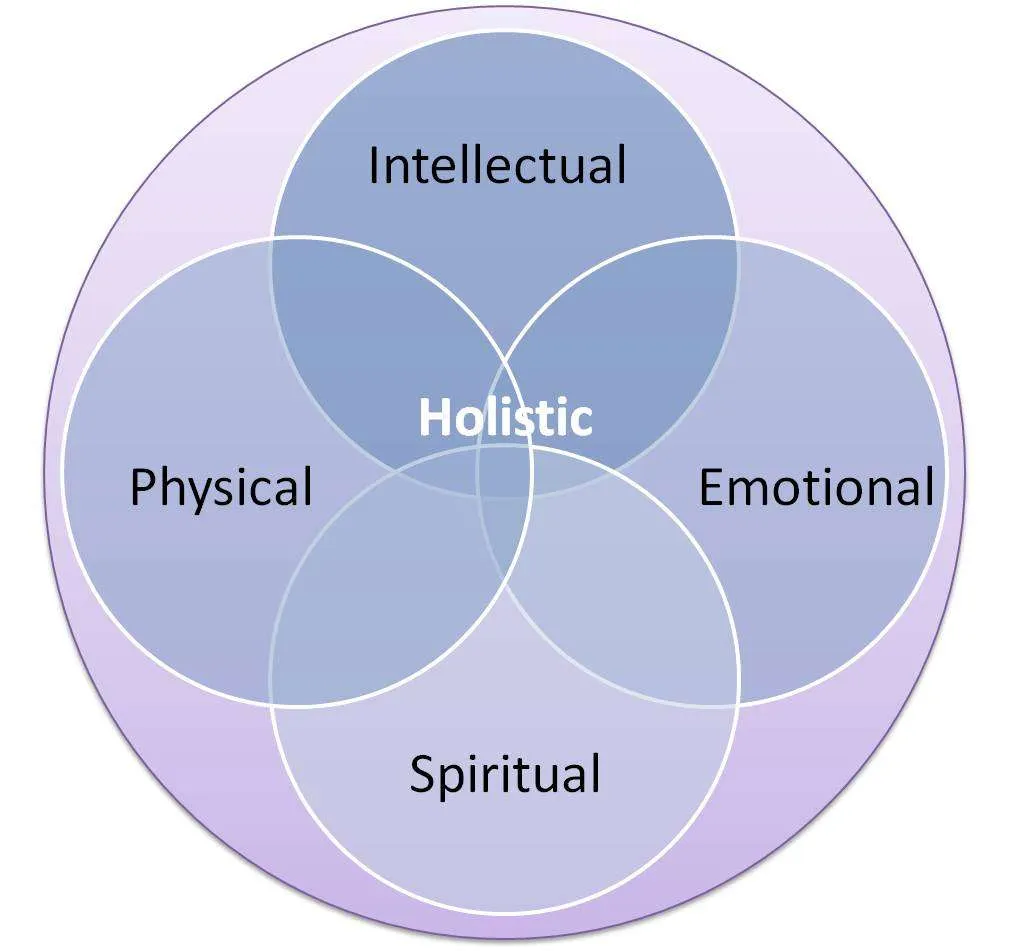
Meditation and yoga are ancient practices that have stood the test of time, offering profound benefits for the mind, body, and spirit. These practices are interwoven, with meditation often forming a core component of yoga. Together, they create a holistic approach to wellness that fosters physical health, mental clarity, and emotional stability. In this elaborate blog, we will explore the principles, benefits, techniques, and tips for incorporating meditation and yoga into your daily routine.
Understanding Meditation
Meditation is the practice of focusing the mind to achieve a state of relaxation, clarity, and heightened awareness. It involves techniques such as mindfulness, concentration, and contemplation, which help quiet the mind and cultivate inner peace.
Benefits of Meditation
- Stress Reduction: Meditation activates the body’s relaxation response, reducing the production of stress hormones and promoting a state of calm.
- Improved Focus and Concentration: Regular meditation enhances your ability to concentrate and sustain attention on tasks, improving productivity.
- Emotional Well-Being: Meditation fosters emotional stability, reducing symptoms of anxiety and depression while increasing feelings of happiness and contentment.
- Better Sleep: Meditation can improve the quality of sleep by calming the mind and reducing insomnia.
- Enhanced Self-Awareness: Through meditation, you develop a deeper understanding of your thoughts, emotions, and behaviors, leading to greater self-awareness and personal growth.
Techniques for Practicing Meditation
- Mindfulness Meditation:
- Find a Quiet Space: Choose a calm, comfortable place where you won’t be disturbed.
- Sit Comfortably: Sit in a chair or on the floor with your back straight.
- Focus on Your Breath: Close your eyes and bring your attention to your breathing. Notice the sensation of air entering and leaving your nostrils.
- Observe Thoughts: When your mind wanders, gently bring your focus back to your breath without judgment.
- Practice Regularly: Start with a few minutes each day and gradually increase the duration.
- Guided Meditation:
- Choose a Guided Session: Use a guided meditation app or online video to follow along.
- Follow the Instructions: Listen to the guide’s voice and follow their instructions for breathing, visualization, and relaxation.
- Engage Fully: Allow yourself to fully engage in the experience and focus on the sensations and images being described.
- Loving-Kindness Meditation:
- Sit Comfortably: Find a comfortable seated position and close your eyes.
- Generate Feelings of Love and Kindness: Focus on your heart and generate feelings of love and kindness.
- Recite Phrases: Silently recite phrases such as “May I be happy, may I be healthy, may I be safe, may I live with ease.”
- Extend to Others: Gradually extend these wishes to others, starting with loved ones and eventually including all beings.
- Body Scan Meditation:
- Lie Down Comfortably: Lie down in a comfortable position, such as on your back with your arms at your sides.
- Focus on Sensations: Starting from your toes, slowly move your attention up through your body, noticing any sensations without judgment.
- Release Tension: If you encounter areas of tension, acknowledge them and consciously release the tension.
- Complete the Scan: Continue this process up to your head, ensuring you cover every part of your body.
Understanding Yoga
Yoga is a holistic practice that combines physical postures (asanas), breathing techniques (pranayama), and meditation to promote overall well-being. Originating in ancient India, yoga aims to unite the mind, body, and spirit, enhancing physical strength, flexibility, and mental clarity.
Benefits of Yoga
- Physical Health: Yoga improves flexibility, strength, and balance. It enhances cardiovascular health, boosts immunity, and alleviates chronic pain.
- Mental Clarity: The focus required in yoga helps calm the mind and improve concentration. It also reduces symptoms of anxiety and depression.
- Emotional Balance: Yoga promotes emotional stability and resilience. The practice helps release emotional tension and fosters a sense of inner peace.
- Stress Relief: Yoga activates the parasympathetic nervous system, reducing stress and promoting relaxation.
- Enhanced Self-Awareness: Through the practice of yoga, you become more attuned to your body, thoughts, and emotions, leading to greater self-awareness.
Techniques for Practicing Yoga
- Hatha Yoga:
- Basic Poses: Hatha yoga focuses on basic poses that promote physical strength and flexibility. Examples include Mountain Pose (Tadasana), Downward Dog (Adho Mukha Svanasana), and Tree Pose (Vrikshasana).
- Breath Awareness: Incorporate breath awareness by coordinating your breath with your movements. Inhale as you move into a pose and exhale as you release it.
- Relaxation: End your practice with a relaxation pose, such as Corpse Pose (Savasana), to promote deep relaxation and integration of the practice.
- Vinyasa Yoga:
- Flowing Sequences: Vinyasa yoga involves flowing sequences of poses that are synchronized with the breath. Each movement is linked to an inhale or exhale.
- Sun Salutations: A common Vinyasa sequence is the Sun Salutation (Surya Namaskar), which includes poses like Forward Fold (Uttanasana) and Upward Dog (Urdhva Mukha Svanasana).
- Continuous Movement: The focus is on continuous movement and fluid transitions between poses.
- Yin Yoga:
- Long Holds: Yin yoga involves holding poses for several minutes to target deep connective tissues and promote relaxation.
- Passive Stretches: Poses are mostly passive stretches that focus on the lower body, such as Butterfly Pose (Baddha Konasana) and Child’s Pose (Balasana).
- Mindfulness: Encourage mindfulness by focusing on your breath and sensations in the body during each pose.
- Restorative Yoga:
- Supportive Poses: Restorative yoga uses props, such as blankets and bolsters, to support the body in gentle, restful poses. Examples include Supported Bridge Pose (Setu Bandhasana) and Legs-Up-The-Wall Pose (Viparita Karani).
- Deep Relaxation: The emphasis is on deep relaxation and restoration of the nervous system.
- Extended Duration: Poses are held for an extended duration, allowing for complete relaxation and rejuvenation.
Tips for Incorporating Meditation and Yoga into Your Routine
- Create a Dedicated Space: Designate a quiet, comfortable space for your practice. This can be a corner of a room with minimal distractions.
- Set a Regular Schedule: Establish a regular time for meditation and yoga, whether it’s in the morning, during lunch breaks, or before bed. Consistency is key to developing a habit.
- Start Slowly: Begin with short sessions and gradually increase the duration as you become more comfortable with the practice.
- Use Resources: Utilize resources such as yoga classes, online tutorials, and meditation apps to guide your practice and keep you motivated.
- Listen to Your Body: Pay attention to your body’s signals and adjust your practice accordingly. Avoid pushing yourself too hard and prioritize comfort and safety.
- Stay Patient and Persistent: Progress in meditation and yoga takes time. Stay patient with yourself and persistently practice to experience the full benefits.
Conclusion
Meditation and yoga are powerful practices that offer numerous benefits for the mind, body, and spirit. By incorporating these practices into your daily routine, you can achieve greater physical health, mental clarity, emotional stability, and overall well-being. Whether you choose mindfulness meditation, guided meditation, Hatha yoga, or Restorative yoga, the key is to practice regularly and with intention. Embrace the journey of meditation and yoga, and discover the transformative effects they can bring to your life.