
Introduction
Urban gardening is the practice of growing plants in urban environments, often utilizing small spaces such as balconies, rooftops, and community gardens. This innovative approach to gardening addresses various challenges posed by urbanization, such as limited space, environmental degradation, and food insecurity. In this article, we will explore the benefits, techniques, and tips for successful urban gardening, along with its impact on communities and the environment.
Section 1: The Benefits of Urban Gardening
Urban gardening offers a multitude of benefits that enhance the quality of life for city dwellers and contribute to sustainable urban development.
- Environmental Impact: Urban gardens help mitigate the urban heat island effect, improve air quality, and increase biodiversity. Plants absorb carbon dioxide and release oxygen, creating a healthier urban environment.
- Food Security: Growing your own fruits, vegetables, and herbs ensures access to fresh, nutritious produce, reducing reliance on commercial food systems. It also promotes food sovereignty and self-sufficiency.
- Community Building: Urban gardens often serve as community hubs where people come together to share knowledge, resources, and experiences. This fosters a sense of community and social cohesion.
- Mental and Physical Health: Gardening is a great form of physical exercise and has therapeutic effects, reducing stress, anxiety, and depression. It provides an opportunity to connect with nature, even in densely populated urban areas.
- Aesthetic Enhancement: Urban gardens beautify the cityscape, transforming unused or neglected spaces into green oases that enhance the visual appeal of neighborhoods.
Section 2: Techniques for Urban Gardening
Urban gardening requires innovative techniques to make the most of limited space and resources. Here are some popular methods:
- Container Gardening: Growing plants in containers such as pots, buckets, and troughs is ideal for small spaces like balconies and patios. Containers can be moved and arranged to maximize sunlight and space.
- Vertical Gardening: Utilizing vertical space by growing plants on walls, trellises, and shelves is a space-efficient way to cultivate a variety of plants. Vertical gardens can be created using hanging pots, wall-mounted planters, and even recycled materials like pallets.
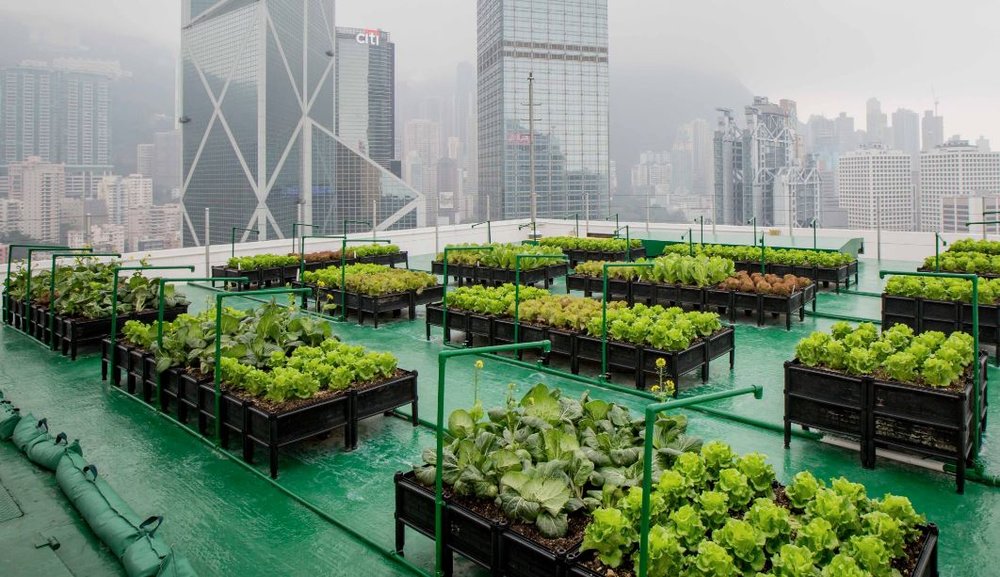
- Rooftop Gardens: Transforming rooftops into green spaces is a great way to utilize unused areas in urban settings. Rooftop gardens can range from simple container setups to extensive green roofs that provide insulation and reduce energy costs.
- Hydroponics and Aquaponics: These soilless gardening methods use nutrient-rich water to grow plants. Hydroponics involves growing plants in water, while aquaponics combines fish farming with plant cultivation, creating a symbiotic system.
- Community Gardens: Shared gardening spaces in urban areas allow residents to grow their own produce and collaborate on larger gardening projects. Community gardens often involve collective management and resource sharing.
Section 3: Getting Started with Urban Gardening
Starting an urban garden can be a fulfilling and rewarding experience. Here are some steps to help you get started:
- Assess Your Space: Identify available spaces for gardening, such as balconies, windowsills, rooftops, or community garden plots. Consider factors like sunlight, wind, and accessibility.
- Choose Your Plants: Select plants that are well-suited to your growing conditions and space. Herbs, leafy greens, tomatoes, and flowers are great choices for beginners and small spaces.
- Prepare Your Soil: If using containers or raised beds, ensure you use high-quality potting soil or compost. Soil health is crucial for plant growth, so consider adding organic fertilizers or amendments as needed.
- Water Wisely: Proper watering is essential for plant health. Water deeply and consistently, and consider using self-watering containers or drip irrigation systems to conserve water and ensure even moisture distribution.
- Monitor and Maintain: Regularly check your plants for signs of pests, diseases, and nutrient deficiencies. Prune and harvest as needed to encourage healthy growth and productivity.
Section 4: Urban Gardening Success Stories
Urban gardening initiatives have transformed communities and cities around the world. Here are a few inspiring examples:
- The High Line, New York City: This iconic elevated park transformed a disused railway line into a vibrant green space filled with native plants, art installations, and walking paths. The High Line has become a model for urban green space development.
- Cuba’s Urban Agriculture Revolution: Faced with food shortages in the 1990s, Cuba turned to urban agriculture, creating thousands of organic gardens and farms in cities. Today, urban agriculture provides a significant portion of the country’s fresh produce.
- Incredible Edible, Todmorden, UK: This community-led initiative turned public spaces in the town of Todmorden into edible gardens, providing free food for residents and promoting local food security. The project has inspired similar efforts worldwide.
Conclusion
Urban gardening is a powerful tool for transforming cities into greener, healthier, and more resilient communities. By adopting innovative gardening techniques and making the most of available spaces, city dwellers can enjoy the benefits of fresh produce, improved mental and physical well-being, and stronger community bonds. Whether you’re a seasoned gardener or a beginner, there’s always room to grow in the world of urban gardening.