Blog

Unravelling Global Social Issues: A Deep Dive

In today’s interconnected world, social issues transcend borders, affecting millions of people across different cultures and societies. These challenges often stem from deep-rooted structural inequalities, historical injustices, and evolving societal norms. This article explores some of the most pressing social issues that the global community faces and discusses potential solutions to foster a more equitable and just world.

1. Poverty and Inequality

Poverty remains one of the most pervasive social issues globally. Despite economic growth in many countries, a significant portion of the world’s population continues to live in poverty. According to the World Bank, nearly 10{3407ddd2191994a0e11376e1ce572bbc3221bdc2b57a982278cd564c43b8dc79} of the global population lives on less than $1.90 a day.

  • Economic Disparities: Inequality is not just a matter of income but also includes access to education, healthcare, and opportunities. For instance, the wealthiest 1{3407ddd2191994a0e11376e1ce572bbc3221bdc2b57a982278cd564c43b8dc79} of the global population owns more than half of the world’s wealth, while the bottom 50{3407ddd2191994a0e11376e1ce572bbc3221bdc2b57a982278cd564c43b8dc79} owns just 1{3407ddd2191994a0e11376e1ce572bbc3221bdc2b57a982278cd564c43b8dc79}.
  • Solutions: Addressing poverty requires comprehensive strategies, including social safety nets, equitable access to education, healthcare, and economic opportunities. International cooperation and fair trade practices also play crucial roles.

2. Gender Inequality

Gender inequality manifests in various forms, from wage gaps to underrepresentation in leadership roles and gender-based violence. Women and girls are disproportionately affected by these inequalities.

  • Workplace Disparities: Women often earn less than men for the same work. According to the World Economic Forum, the global gender pay gap will take another 135 years to close.
  • Education and Empowerment: In many parts of the world, girls are denied access to education, limiting their opportunities. Initiatives that focus on girls’ education and women’s empowerment are critical for achieving gender equality.

3. Racial and Ethnic Discrimination

Racism and ethnic discrimination are pervasive issues that lead to social and economic disparities. These issues are rooted in historical injustices and are perpetuated by systemic inequalities.

  • Social Impact: Discrimination affects all aspects of life, including employment, education, and healthcare. For example, in the United States, African Americans face significant disparities in healthcare outcomes compared to their white counterparts.
  • Addressing Discrimination: Solutions include enforcing anti-discrimination laws, promoting diversity and inclusion, and educating society about the harms of prejudice and racism.

4. Climate Change and Environmental Degradation

Climate change poses a significant threat to the planet and disproportionately affects vulnerable populations. Environmental degradation exacerbates issues like food insecurity, water scarcity, and displacement.

  • Global Warming: Rising temperatures and extreme weather events are becoming more frequent, affecting agriculture, housing, and health.
  • Sustainable Practices: Implementing sustainable development practices, investing in renewable energy, and reducing carbon emissions are essential steps towards mitigating climate change.

5. Access to Education

Education is a fundamental human right, yet millions of children and adults lack access to quality education. Barriers include poverty, conflict, and cultural norms.

  • Educational Disparities: In regions like Sub-Saharan Africa and South Asia, millions of children are out of school. Gender disparities in education also persist, with girls less likely to complete primary and secondary education.
  • Improving Access: Solutions include investing in educational infrastructure, training teachers, and providing scholarships and financial aid to students from low-income families.

6. Health Inequities

Health inequities are stark, with access to healthcare varying significantly across different regions and populations. Factors such as poverty, geographical location, and discrimination contribute to these disparities.

  • Global Health Crises: Pandemics, such as COVID-19, highlight the disparities in healthcare access and the need for robust health systems.
  • Strengthening Healthcare Systems: Ensuring universal healthcare coverage, improving healthcare infrastructure, and addressing social determinants of health are crucial for reducing health inequities.

Conclusion

Addressing global social issues requires a collective effort from governments, organizations, and individuals. By understanding the root causes and implementing multifaceted solutions, we can work towards creating a world where everyone has the opportunity to thrive.
The Evolving Landscape of Social Issues and Commentary

Introduction

In our rapidly changing world, social issues and commentary have become crucial elements of public discourse. From gender equality to environmental sustainability, understanding these topics is essential for creating a more just and equitable society.

Section 1: Defining Social Issues

Social issues are problems that influence a considerable number of individuals within a society. These may be the result of structural inequalities or a series of complex social dynamics. Common examples include poverty, racism, and education disparity. Understanding these issues involves recognizing their causes and effects on various demographics.

  • Poverty: An exploration of the root causes of poverty, its prevalence in different regions, and the socioeconomic policies that can alleviate it.
  • Racism: Analysing the historical and contemporary aspects of racism, its impact on communities, and strategies to combat it through education and policy reforms.
  • Education Disparity: Investigating the factors leading to unequal access to education and the long-term consequences for society.

Section 2: The Role of Commentary

Commentary on social issues serves as a vital tool for raising awareness and sparking change. It provides a platform for diverse voices to be heard and offers critical perspectives that challenge the status quo. Effective commentary can shape public opinion and influence policy decisions.

  • Media and Social Commentary: How media platforms shape the narrative around social issues, and the role of journalists and commentators in fostering informed discussions.
  • Digital Activism: The rise of social media as a powerful tool for activism, enabling grassroots movements and amplifying marginalized voices.
  • Public Figures and Advocacy: The influence of celebrities and public figures in driving social change through their platforms and advocacy efforts.

Section 3: Case Studies and Examples

Examining real-world examples helps to contextualize social issues and the impact of commentary. Case studies provide insights into successful initiatives and ongoing challenges.

  • Climate Change Movement: How environmental activists have galvanized global attention and action towards climate change.
  • #MeToo Movement: The significance of the #MeToo movement in addressing sexual harassment and assault, and its wider implications for gender equality.
  • Black Lives Matter: Understanding the origins, impact, and ongoing efforts of the Black Lives Matter movement in combating systemic racism.

Section 4: Solutions and Future Directions

Addressing social issues requires a multifaceted approach that includes policy reforms, education, and community engagement. This section explores potential solutions and the role of individuals, organizations, and governments in driving change.

  • Policy Reforms: The importance of implementing fair policies that address structural inequalities and promote social justice.
  • Education: The role of education in fostering critical thinking and awareness about social issues from a young age.
  • Community Engagement: How community-based initiatives and collaborations can lead to sustainable solutions and social cohesion.

Conclusion

Social issues and commentary are integral to the progress of society. By engaging in thoughtful discussions and taking collective action, we can address the root causes of social problems and work towards a more inclusive and equitable future.

Unveiling the Unseen: Exploring Paranormal Phenomena

Introduction

Paranormal phenomena have always fascinated humanity, blending fear and curiosity into stories that captivate the imagination. From ghost sightings to mysterious creatures, these phenomena challenge our understanding of the world and push the boundaries of what we consider possible. This blog delves into some of the most intriguing paranormal phenomena, exploring their origins, cultural significance, and the mysteries that continue to elude scientific explanation.

Section 1: Ghosts and Hauntings

One of the most well-known categories of paranormal phenomena involves ghosts and hauntings. Ghosts are believed to be the spirits of deceased individuals who have not fully moved on to the afterlife.

  • Historical Accounts: Ghost stories have been part of human history for centuries. From ancient Roman accounts of haunted houses to modern-day ghost tours, these stories often reflect cultural beliefs about death and the afterlife.
  • Famous Hauntings: Some of the most famous hauntings include the Tower of London, the Winchester Mystery House, and the Amityville Horror house. These locations are often associated with tragic events and reported sightings of apparitions.
  • Scientific Perspectives: While many ghost sightings can be attributed to psychological and environmental factors, the lack of concrete evidence leaves room for belief in the supernatural.

Section 2: Cryptids and Mysterious Creatures

Cryptids are creatures whose existence is not recognized by scientific consensus but are claimed to exist based on anecdotal evidence and folklore.

  • Bigfoot: Also known as Sasquatch, Bigfoot is a large, ape-like creature said to inhabit the forests of North America. Sightings and footprints have been reported for decades, but definitive proof remains elusive.
  • Loch Ness Monster: The Loch Ness Monster, or “Nessie,” is said to live in Scotland’s Loch Ness. Despite numerous sightings and alleged photographic evidence, scientific investigations have yet to confirm its existence.
  • Chupacabra: Originating from Latin American folklore, the Chupacabra is a creature said to feed on livestock, leaving them drained of blood. Descriptions vary, but it is often depicted as a reptilian or dog-like beast.

Section 3: Extra-terrestrial Encounters

The possibility of extra-terrestrial life has intrigued and terrified people for generations. Reports of UFO sightings and alien abductions are a staple of paranormal lore.

  • Roswell Incident: In 1947, an alleged UFO crash in Roswell, New Mexico, sparked widespread interest and conspiracy theories about government cover-ups and alien technology.
  • Area 51: This highly secretive military base in Nevada is often linked to UFO sightings and alleged government experiments involving extraterrestrial beings.
  • Modern Sightings: Reports of UFOs continue to emerge worldwide, with some countries even declassifying documents related to unidentified aerial phenomena (UAP).

Section 4: Psychic Phenomena

Psychic phenomena encompass a range of abilities, including telepathy, clairvoyance, and precognition. These abilities are often depicted in popular culture but remain scientifically controversial.

  • Telepathy: The supposed ability to communicate thoughts directly from one mind to another without using traditional sensory channels.
  • Clairvoyance: The ability to gain information about an object, person, or event through extrasensory perception (ESP).
  • Precognition: The ability to foresee future events, often through dreams or visions.

Section 5: Cultural Impact of Paranormal Phenomena

Paranormal phenomena have a significant cultural impact, influencing literature, film, and media. They serve as a source of entertainment and a way to explore the unknown.

  • Horror Genre: Ghosts, cryptids, and extra-terrestrials are staples of the horror genre, providing endless material for books, movies, and television shows.
  • Folklore and Mythology: Many cultures have rich traditions of supernatural stories that reflect their values, fears, and beliefs.
  • Paranormal Tourism: Haunted locations and UFO hotspots attract tourists seeking thrill and adventure, contributing to local economies.

Conclusion

Paranormal phenomena continue to captivate and intrigue us, offering glimpses into the unknown and challenging our understanding of reality. Whether you’re a sceptic or a believer, there’s no denying the allure of these mysteries. As we continue to explore and investigate, the line between reality and the supernatural remains tantalizingly blurred.

Navigating the Path to Sustainability: A Deep Dive into Environmental Stewardship

Introduction

As the world grapples with unprecedented environmental challenges, the concept of sustainability has never been more critical. This blog explores the intricate relationship between human activities and the environment, highlighting the urgent need for sustainable practices to ensure a liveable planet for future generations.

Section 1: Understanding the Environment

The environment encompasses all living and non-living things occurring naturally on Earth. It includes air, water, soil, and biodiversity. Human activities have significantly impacted the environment, leading to pollution, deforestation, climate change, and biodiversity loss.

  • Air Pollution: Emissions from industries, vehicles, and other sources contribute to air pollution, causing respiratory diseases and environmental degradation. The World Health Organization reports that 9 out of 10 people breathe air containing high levels of pollutants.
  • Water Pollution: Contaminants from agricultural runoff, industrial waste, and untreated sewage pollute water bodies, affecting marine life and human health. Safe and clean water is essential for all forms of life.
  • Deforestation: The clearing of forests for agriculture, urban development, and logging leads to habitat destruction, loss of biodiversity, and increased carbon dioxide levels in the atmosphere.

Section 2: The Concept of Sustainability

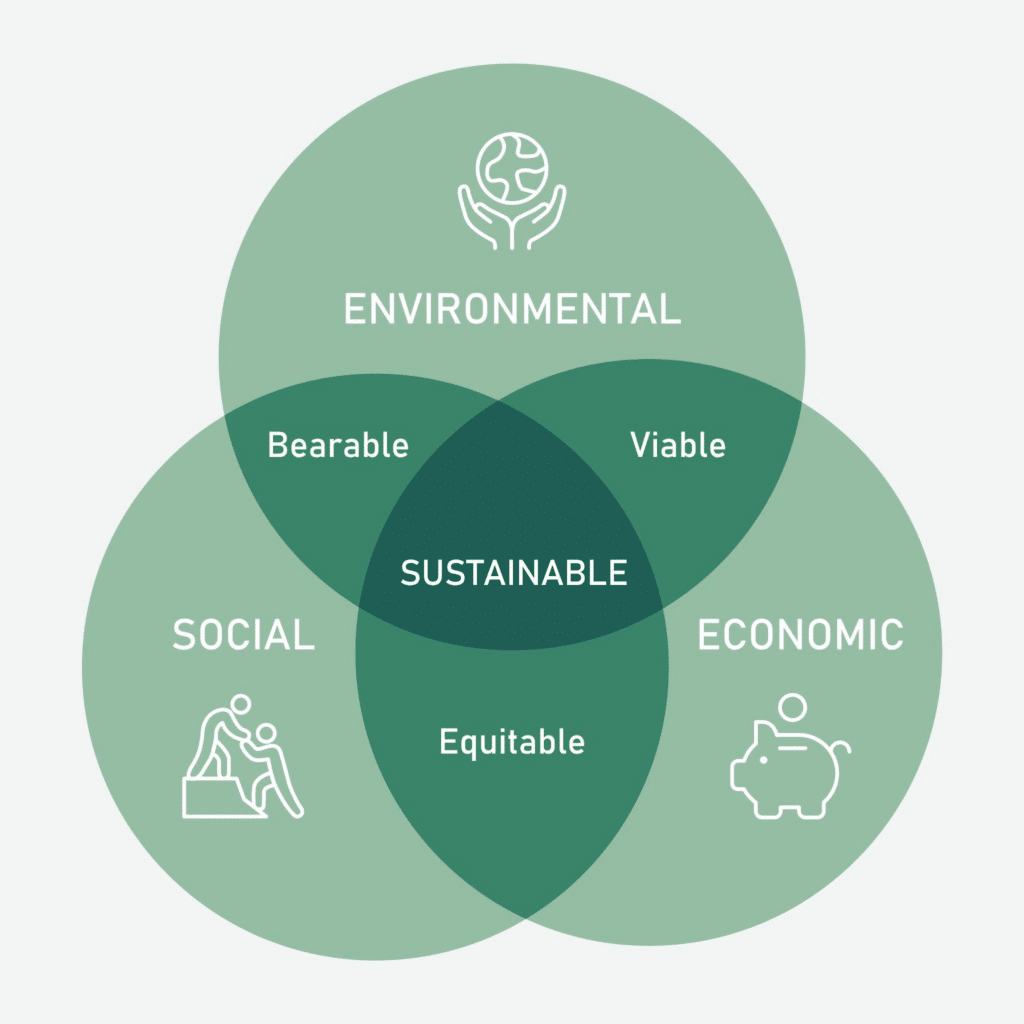
Sustainability involves meeting the needs of the present without compromising the ability of future generations to meet their own needs. It is a holistic approach that considers environmental, social, and economic dimensions.

  • Environmental Sustainability: Protecting natural resources, reducing waste, and minimizing pollution to preserve ecosystems and biodiversity.
  • Social Sustainability: Ensuring equitable access to resources, education, healthcare, and opportunities for all individuals.
  • Economic Sustainability: Promoting responsible economic growth that does not deplete natural resources or harm the environment.

Section 3: Challenges to Sustainability

Achieving sustainability faces several challenges, including overconsumption, population growth, and inadequate policies. Understanding these challenges is crucial for developing effective solutions.

  • Overconsumption: The overuse of natural resources leads to depletion and environmental degradation. Sustainable consumption practices and reducing waste are vital steps.
  • Population Growth: An increasing global population puts pressure on natural resources and ecosystems. Strategies for sustainable population management and resource allocation are essential.
  • Policy and Governance: Lack of stringent environmental policies and enforcement mechanisms hinders progress towards sustainability. Effective governance and international cooperation are necessary to address these issues.

Section 4: Innovative Solutions for a Sustainable Future

Innovative solutions and practices can help mitigate environmental challenges and promote sustainability. Here are some key areas of focus:

  • Renewable Energy: Transitioning to renewable energy sources like solar, wind, and hydropower reduces dependence on fossil fuels and lowers greenhouse gas emissions. Investments in renewable energy technologies are growing, contributing to a more sustainable energy future.
  • Sustainable Agriculture: Practices such as organic farming, agroforestry, and precision agriculture enhance food security while protecting the environment. These methods reduce chemical use, conserve water, and maintain soil health.
  • Circular Economy: This economic model aims to eliminate waste by reusing, recycling, and regenerating products and materials. It promotes sustainable production and consumption patterns, reducing the environmental footprint.
  • Conservation Efforts: Protecting and restoring ecosystems, conserving wildlife, and maintaining biodiversity are critical for environmental sustainability. Conservation programs and protected areas play a significant role in preserving natural habitats.

Section 5: The Role of Individuals and Communities

Individual and community actions play a vital role in promoting sustainability. Small, everyday choices can collectively have a significant impact on the environment.

  • Reducing Carbon Footprint: Adopting energy-efficient practices, using public transportation, and supporting clean energy initiatives help reduce greenhouse gas emissions.
  • Waste Reduction: Minimizing waste through recycling, composting, and choosing reusable products contributes to a cleaner environment.
  • Supporting Sustainable Brands: Purchasing from companies that prioritize sustainability and ethical practices encourages responsible business behavior.

Conclusion

Sustainability is a shared responsibility that requires collective action from individuals, communities, governments, and businesses. By understanding the challenges and embracing innovative solutions, we can create a sustainable future that ensures the well-being of both the planet and its inhabitants. The time to act is now, for the sake of our present and future generations.

Embracing Sustainability: Small Habits for a Greener Future

In today’s rapidly changing world, adopting sustainable habits is more crucial than ever. Sustainability isn’t just about big changes; it’s about the small, everyday choices we make that collectively have a significant impact on our planet. Here are some practical tips to help you incorporate sustainable habits into your daily life.

1. Mindful Consumption

One of the simplest ways to adopt a sustainable lifestyle is by being mindful of what you consume. This means making intentional choices about the products you buy and use.

  • Choose Eco-friendly Products: Opt for products made from sustainable materials and with minimal packaging. Look for certifications like Fair Trade, organic, or those indicating recycled content.
  • Buy Less, Choose Well: Embrace the mantra of buying fewer, high-quality items that last longer. This reduces waste and the demand for fast fashion and disposable goods.

2. Reduce, Reuse, Recycle

The classic trio of sustainability still holds strong. Reducing waste, reusing items, and recycling whenever possible are fundamental to sustainable living.

  • Reduce Waste: Be conscious of the waste you produce. Avoid single-use plastics, opt for reusable bags, bottles, and containers, and buy in bulk to reduce packaging waste.
  • Reuse Items: Before throwing things away, consider if they can be repurposed. Old jars can become storage containers, and worn-out clothes can be transformed into cleaning rags.
  • Recycle Correctly: Ensure you understand the recycling guidelines in your area and sort your waste accordingly. Recycling helps conserve resources and reduces landfill waste.

3. Sustainable Eating

Our food choices have a significant impact on the environment. By making mindful decisions about what we eat, we can reduce our ecological footprint.

  • Eat Plant-based Meals: Incorporating more plant-based meals into your diet reduces the demand for meat and dairy, which are resource-intensive to produce.
  • Support Local Farmers: Buy locally grown produce to support local economies and reduce the carbon footprint associated with transporting food over long distances.
  • Reduce Food Waste: Plan your meals, store food properly, and get creative with leftovers to minimize food waste.

4. Energy Conservation

Reducing energy consumption at home is an effective way to lower your carbon footprint and save on utility bills.

  • Switch to LED Bulbs: LED bulbs are more energy-efficient and last longer than traditional incandescent bulbs.
  • Unplug Devices: Unplug electronics when not in use to avoid “phantom” energy consumption.
  • Use Energy-efficient Appliances: Invest in appliances that are Energy Star rated or have high energy efficiency ratings.

5. Sustainable Transportation

The way we move around has a significant impact on the environment. Adopting more sustainable modes of transportation can reduce your carbon footprint.

  • Walk or Bike: For short distances, consider walking or biking instead of driving. It’s good for the environment and your health.
  • Use Public Transport: Opt for public transportation whenever possible to reduce traffic congestion and pollution.
  • Carpool: Share rides with friends, family, or colleagues to reduce the number of vehicles on the road.

6. Mindful Water Use

Water is a precious resource, and conserving it is essential for sustainability.

  • Fix Leaks: Repair leaking faucets and pipes promptly to prevent water wastage.
  • Install Water-efficient Fixtures: Use low-flow showerheads and faucets to reduce water usage without sacrificing performance.
  • Collect Rainwater: If possible, collect rainwater for gardening and other non-potable uses.

Conclusion

Adopting sustainable habits doesn’t have to be overwhelming. By making small, intentional changes in our daily lives, we can collectively make a significant positive impact on the environment. Remember, every little bit helps, and together, we can create a greener, more sustainable future for generations to come.

Harnessing the Power of Eco-Friendly Technology for a Sustainable Future

Introduction

As the world faces increasing environmental challenges, the development and adoption of eco-friendly technologies have become essential for promoting sustainability. These technologies not only help in reducing our environmental footprint but also pave the way for a greener, cleaner, and more sustainable future. This blog delves into various aspects of eco-friendly technology, from renewable energy solutions to sustainable innovations in different sectors.

Section 1: Renewable Energy Technologies

Renewable energy technologies harness the power of natural resources such as the sun, wind, and water to generate electricity and reduce reliance on fossil fuels.

  • Solar Energy: Solar panels convert sunlight into electricity, providing a clean and abundant energy source. Innovations like solar roof tiles and portable solar chargers make solar energy more accessible and versatile.
  • Wind Energy: Wind turbines capture kinetic energy from the wind and convert it into electricity. Offshore and onshore wind farms are increasingly contributing to the global energy mix.
  • Hydropower: Hydropower plants generate electricity by harnessing the energy of flowing water. Small-scale hydropower projects are gaining popularity for their minimal environmental impact.

Section 2: Energy-Efficient Technologies

Energy-efficient technologies aim to reduce energy consumption and improve efficiency in various applications, from household appliances to industrial processes.

  • LED Lighting: LED lights consume significantly less energy than traditional incandescent bulbs and have a longer lifespan, reducing waste and energy costs.
  • Smart Thermostats: These devices learn user preferences and adjust heating and cooling systems accordingly, optimizing energy use and enhancing comfort.
  • High-Efficiency Appliances: Modern appliances, such as refrigerators, washing machines, and dishwashers, are designed to use less energy and water, contributing to lower utility bills and reduced environmental impact.

Section 3: Green Building Technologies

Green building technologies focus on designing and constructing buildings that are environmentally responsible and resource-efficient throughout their lifecycle.

  • Sustainable Materials: Using materials like bamboo, recycled steel, and reclaimed wood reduces the environmental impact of construction and promotes sustainable resource use.
  • Green Roofs and Walls: Green roofs and vertical gardens improve insulation, reduce urban heat islands, and enhance air quality in urban environments.
  • Passive Solar Design: This design approach maximizes natural light and ventilation, reducing the need for artificial lighting and climate control systems.

Section 4: Sustainable Transportation

Eco-friendly transportation technologies reduce greenhouse gas emissions and reliance on fossil fuels, contributing to cleaner air and a healthier planet.

  • Electric Vehicles (EVs): EVs produce zero tailpipe emissions and can be powered by renewable energy sources. Advances in battery technology are improving the range and affordability of EVs.
  • Public Transportation Innovations: Modernizing public transportation systems with electric buses, trams, and high-speed trains reduces the carbon footprint of urban commuting.
  • Bike-Sharing Programs: These programs encourage cycling as a sustainable mode of transportation, reducing traffic congestion and air pollution.

Section 5: Waste Management Technologies

Innovative waste management technologies aim to reduce waste generation and improve recycling and composting processes.

  • Recycling Technologies: Advanced sorting systems and recycling methods enable more efficient processing of materials like plastics, metals, and paper, reducing landfill waste.
  • Composting Solutions: Composting organic waste transforms it into valuable nutrient-rich soil, reducing methane emissions from landfills and promoting sustainable agriculture.
  • Waste-to-Energy: Technologies that convert waste into energy through processes like incineration and anaerobic digestion provide a renewable energy source while reducing landfill waste.

Section 6: Water Conservation Technologies

Water conservation technologies aim to reduce water consumption and improve water management practices, addressing the global challenge of water scarcity.

  • Smart Irrigation Systems: These systems use sensors and weather data to optimize watering schedules, reducing water waste in agricultural and landscaping applications.
  • Low-Flow Fixtures: Installing low-flow showerheads, faucets, and toilets conserves water without sacrificing performance.
  • Rainwater Harvesting: Collecting and storing rainwater for non-potable uses like irrigation and toilet flushing reduces reliance on municipal water supplies.

Conclusion

Eco-friendly technology is at the forefront of the fight against environmental degradation and climate change. By adopting and investing in these sustainable innovations, we can significantly reduce our ecological footprint and create a more sustainable and resilient future for all. The transition to a greener world requires collective action from individuals, businesses, and governments, and eco-friendly technologies provide the tools we need to make this vision a reality.

Understanding Health & Wellness

Health & Wellness refers to a holistic approach to well-being that encompasses physical, mental, emotional, and social dimensions. It’s about more than just the absence of disease or illness; it involves proactive measures to maintain a balanced and fulfilling life. Here’s a breakdown of what Health & Wellness entails and why it is so important:

Components of Health & Wellness

  1. Physical Health: This involves maintaining a healthy body through regular exercise, proper nutrition, adequate sleep, and preventive healthcare measures. Physical health also includes managing chronic conditions, avoiding harmful behaviors such as smoking, and seeking medical care when necessary.
  2. Mental Health: Mental health focuses on cognitive and emotional well-being. It includes the ability to manage stress, cope with life’s challenges, maintain a positive outlook, and seek help for mental health issues like anxiety and depression.
  3. Emotional Health: Emotional health is about understanding and managing your emotions, building resilience, and developing strong self-esteem. It also involves cultivating healthy relationships and having a support system in place.
  4. Social Health: Social health pertains to building and maintaining healthy relationships with family, friends, and communities. It includes effective communication, empathy, and social support.
  5. Spiritual Health: Spiritual health involves finding meaning and purpose in life, which can be achieved through religious practices, meditation, or connecting with nature. It’s about having a sense of belonging and direction.
  6. Environmental Health: Environmental health considers how the environment affects your well-being. This includes living in a safe and healthy environment, reducing exposure to pollutants, and promoting sustainability.

Importance of Health & Wellness

  1. Enhances Quality of Life: Prioritizing health and wellness improves your overall quality of life. It enables you to enjoy daily activities, pursue your interests, and maintain a positive outlook.
  2. Prevents Diseases: A proactive approach to health can prevent chronic diseases like heart disease, diabetes, and obesity. Regular exercise, a balanced diet, and preventive care reduce the risk of these conditions.
  3. Improves Mental Health: Focusing on wellness can help manage stress, reduce the risk of mental health disorders, and improve emotional resilience. Practices such as mindfulness and meditation contribute to better mental health.
  4. Boosts Longevity: Healthy lifestyle choices and regular medical check-ups contribute to a longer, healthier life. Wellness practices support the body’s natural functions and promote longevity.
  5. Increases Productivity: Good health and wellness boost energy levels, enhance concentration, and improve productivity. When you feel good physically and mentally, you can perform better at work and in daily tasks.
  6. Builds Stronger Relationships: Social and emotional wellness foster better relationships. Healthy communication and emotional intelligence improve interactions with others, leading to more fulfilling connections.
  7. Promotes Balance: Wellness helps maintain a balance between various aspects of life, including work, family, and personal time. It encourages setting boundaries and prioritizing self-care.

Tips for Maintaining Health & Wellness

  1. Exercise Regularly: Engage in physical activities you enjoy, such as walking, swimming, or yoga. Aim for at least 150 minutes of moderate exercise per week.
  2. Eat a Balanced Diet: Focus on whole foods, including fruits, vegetables, lean proteins, and whole grains. Limit processed foods, sugar, and unhealthy fats.
  3. Get Adequate Sleep: Aim for 7-9 hours of sleep per night. Establish a regular sleep routine and create a restful sleep environment.
  4. Manage Stress: Practice stress-relief techniques such as meditation, deep breathing, or hobbies that relax you. Identify stressors and develop healthy coping mechanisms.
  5. Stay Hydrated: Drink plenty of water throughout the day to stay hydrated and support overall health.
  6. Build Healthy Relationships: Invest time in nurturing your relationships. Practice active listening, empathy, and effective communication.
  7. Seek Professional Help: Don’t hesitate to seek help from healthcare professionals, therapists, or counselors when needed. Regular check-ups and mental health support are crucial.
  8. Engage in Spiritual Practices: Explore activities that bring you peace and purpose, whether it’s prayer, meditation, or spending time in nature.
  9. Prioritize Self-Care: Dedicate time to self-care activities that rejuvenate and relax you. This can include reading, taking baths, or enjoying a hobby.

Conclusion

Health & Wellness is a holistic approach to living a balanced and fulfilling life. It encompasses physical, mental, emotional, social, spiritual, and environmental well-being. By prioritizing wellness, you can enhance your quality of life, prevent diseases, improve mental health, and build stronger relationships. Embrace a proactive approach to your health and make wellness practices an integral part of your daily routine. Your body and mind will thank you for it!

The Power of Volunteer and Charity Work: Making a Difference

Volunteer and charity work are powerful ways to contribute to society, help those in need, and foster a sense of community and purpose. Whether through donating your time, skills, or resources, engaging in volunteer and charity activities can have a profound impact on both the recipients and the volunteers. In this blog, we will explore the benefits, types, and ways to get involved in volunteer and charity work, as well as share inspiring stories of individuals making a difference.

Understanding Volunteer and Charity Work

Volunteer work involves offering your time and skills to support a cause or organization without financial compensation. Charity work, on the other hand, often includes donating money or goods to support those in need. Both forms of giving back play crucial roles in addressing social issues, supporting community development, and providing assistance to vulnerable populations.

Benefits of Volunteer and Charity Work

  1. Personal Growth: Volunteering helps you develop new skills, gain experience, and build confidence. It provides opportunities for personal and professional growth.
  2. Mental and Emotional Well-Being: Engaging in volunteer work can boost your mental health by reducing stress, combating depression, and providing a sense of purpose and fulfillment.
  3. Social Connections: Volunteering fosters social connections and helps build a sense of community. It allows you to meet like-minded individuals and form meaningful relationships.
  4. Making a Difference: The most rewarding aspect of volunteer and charity work is the knowledge that you are making a positive impact on the lives of others and contributing to a better world.

Types of Volunteer and Charity Work

  1. Community Service:
    • Local Organizations: Volunteer with local non-profits, community centers, or schools to support community development and services.
    • Event Volunteering: Participate in community events, such as fundraisers, festivals, or clean-up drives, to support local causes.
  2. Environmental Volunteering:
    • Conservation Projects: Join conservation efforts to protect wildlife, restore habitats, and promote environmental sustainability.
    • Beach Clean-Ups: Participate in beach clean-ups to reduce pollution and protect marine life.
  3. Education and Mentorship:
    • Tutoring: Provide tutoring services to students who need academic support.
    • Mentorship Programs: Become a mentor to guide and support young individuals in their personal and professional development.
  4. Healthcare and Support Services:
    • Hospital Volunteering: Offer your time at hospitals to support patients, families, and healthcare staff.
    • Mental Health Support: Volunteer with organizations that provide mental health services and support to those in need.
  5. Disaster Relief and Humanitarian Aid:
    • Emergency Response: Assist in disaster relief efforts by providing food, shelter, and medical aid to affected communities.
    • International Volunteering: Participate in humanitarian missions to support vulnerable populations in developing countries.
  6. Animal Welfare:
    • Animal Shelters: Volunteer at animal shelters to care for abandoned or rescued animals.
    • Wildlife Rehabilitation: Support wildlife rehabilitation centers in rescuing and rehabilitating injured or orphaned animals.
  7. Charity Fundraising:
    • Organize Fundraisers: Plan and organize fundraising events to support charitable organizations and causes.
    • Crowdfunding Campaigns: Use online platforms to create and promote crowdfunding campaigns for specific needs or projects.

How to Get Involved in Volunteer and Charity Work

  1. Identify Your Interests: Reflect on your passions and interests to determine the causes you care about most. Whether it’s education, environmental conservation, or healthcare, choose a cause that resonates with you.
  2. Research Opportunities: Look for volunteer and charity opportunities in your community or online. Many organizations have websites and social media pages where they post volunteer opportunities and ways to get involved.
  3. Start Small: Begin with small commitments to see how volunteering fits into your schedule and lifestyle. You can gradually take on more responsibilities as you become more comfortable.
  4. Join Local Groups: Connect with local volunteer groups, clubs, or organizations to find opportunities and network with other volunteers.
  5. Use Online Platforms: Websites like VolunteerMatch, Idealist, and HandsOn Network can help you find volunteer opportunities that match your interests and skills.
  6. Leverage Your Skills: Offer your unique skills and expertise to organizations that need them. Whether you’re a graphic designer, writer, or healthcare professional, your skills can make a significant impact.
  7. Be Consistent: Consistency is key to making a meaningful impact. Try to commit to a regular volunteer schedule that you can maintain over time.

Inspiring Stories of Volunteer and Charity Work

  1. Jane’s Journey: Jane, a retired teacher, decided to volunteer at a local literacy program. Her dedication and passion for education helped numerous children improve their reading skills and gain confidence.
  2. Tom’s Environmental Efforts: Tom, an avid nature enthusiast, joined a local conservation project to restore a nearby wetland. His efforts, along with those of fellow volunteers, transformed the area into a thriving habitat for wildlife.
  3. Sarah’s Fundraising Campaign: Sarah organized a charity run to raise funds for a local children’s hospital. Her campaign not only raised significant funds but also brought the community together in support of a great cause.
  4. Alex’s International Mission: Alex, a medical student, participated in a humanitarian mission to provide healthcare services in a remote village in Africa. His experience not only helped those in need but also deepened his commitment to global health.

Conclusion

Volunteer and charity work are powerful ways to contribute to society, support those in need, and foster a sense of purpose and community. By engaging in these activities, you can make a meaningful impact on the lives of others while also enriching your own life. Whether through community service, environmental conservation, education, healthcare, or fundraising, there are countless ways to get involved and make a difference. Start your journey today and experience the profound benefits of giving back.

Building and Maintaining Healthy Relationships: A Comprehensive Guide

Healthy relationships are a fundamental part of a fulfilling life. Whether it’s with a romantic partner, family member, friend, or colleague, the quality of our relationships can significantly impact our happiness, mental health, and overall well-being. This comprehensive guide provides practical advice and strategies for building and maintaining strong, healthy relationships.

Understanding Healthy Relationships

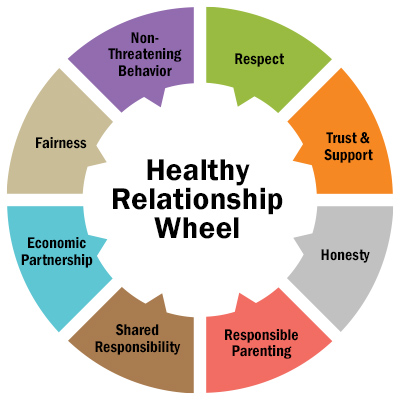
A healthy relationship is characterized by mutual respect, trust, communication, and support. Both parties feel valued and respected, and there is a balance of give and take. Healthy relationships encourage personal growth and allow each individual to be their authentic self.

Key Components of Healthy Relationships

  1. Respect:
    • Mutual Respect: Respect is the foundation of any healthy relationship. It involves recognizing each other’s boundaries, values, and needs. Show respect by listening actively, valuing each other’s opinions, and avoiding harmful behaviors.
    • Self-Respect: Respecting yourself is equally important. Know your worth and ensure your needs and boundaries are met. Self-respect lays the groundwork for how you expect to be treated by others.
  2. Trust:
    • Building Trust: Trust is built through consistency, honesty, and reliability. Keep your promises and be transparent in your actions and words.
    • Maintaining Trust: Trust can be fragile. Avoid behaviors that can break trust, such as dishonesty or infidelity. If trust is broken, take responsibility and work together to rebuild it.
  3. Communication:
    • Open Communication: Healthy relationships require open and honest communication. Share your thoughts and feelings openly, and encourage your partner to do the same.
    • Active Listening: Practice active listening by giving your full attention, avoiding interruptions, and showing empathy. Reflect back what you’ve heard to ensure understanding.
    • Effective Conflict Resolution: Disagreements are natural, but how you handle them matters. Focus on resolving conflicts constructively by addressing the issue, avoiding personal attacks, and seeking compromise.
  4. Support:
    • Emotional Support: Provide emotional support by being there for each other during difficult times. Offer a listening ear, words of encouragement, and a shoulder to lean on.
    • Practical Support: Offer practical support by helping each other with tasks, sharing responsibilities, and being reliable.
  5. Shared Goals and Values:
    • Alignment of Values: Healthy relationships often involve shared values and beliefs. Discuss your values and ensure alignment on key issues.
    • Setting Goals Together: Set goals as a team, whether they are related to your relationship, career, or personal growth. Work together to achieve these goals, supporting each other along the way.

Building Healthy Relationships

  1. Self-Awareness:
    • Know Yourself: Understand your own needs, desires, and boundaries. Self-awareness helps you communicate effectively and make informed decisions in relationships.
    • Personal Growth: Commit to continuous personal growth. The more you grow and develop, the better partner, friend, or family member you will be.
  2. Choosing the Right Relationships:
    • Compatibility: Choose relationships with individuals who share your values, interests, and goals. Compatibility enhances the quality and longevity of relationships.
    • Positive Influence: Surround yourself with people who uplift and inspire you. Avoid toxic relationships that drain your energy and hinder your growth.
  3. Building Connection:
    • Quality Time: Spend quality time together to build a strong connection. Engage in activities you both enjoy and create shared experiences.
    • Vulnerability: Allow yourself to be vulnerable and share your true self. Vulnerability fosters intimacy and trust.
  4. Setting Boundaries:
    • Healthy Boundaries: Establish and communicate your boundaries clearly. Respect each other’s boundaries and ensure they are honored.
    • Enforcing Boundaries: Be prepared to enforce your boundaries if they are crossed. Communicate assertively and take necessary action to protect your well-being.

Maintaining Healthy Relationships

  1. Nurturing Relationships:
    • Regular Check-Ins: Have regular check-ins to discuss the state of your relationship, share your feelings, and address any issues.
    • Appreciation and Gratitude: Express appreciation and gratitude for each other regularly. Acknowledge the positive qualities and actions of your partner.
  2. Handling Challenges:
    • Problem-Solving: Approach challenges as a team. Collaborate to find solutions and support each other through difficulties.
    • Adaptability: Be adaptable and open to change. Relationships evolve, and being flexible helps navigate transitions smoothly.
  3. Maintaining Independence:
    • Personal Space: Maintain a balance between togetherness and independence. Ensure each partner has personal space and time for individual interests.
    • Individual Goals: Pursue individual goals and hobbies. Supporting each other’s personal growth enriches the relationship.
  4. Continuous Improvement:
    • Learning and Growing: Continuously seek ways to improve your relationship. Attend workshops, read books, and engage in activities that strengthen your bond.
    • Open to Feedback: Be open to feedback and willing to make positive changes. Constructive feedback helps identify areas for improvement and fosters growth.

Navigating Common Relationship Issues

  1. Communication Breakdown:
    • Rebuilding Communication: Address communication issues by reestablishing open and honest dialogue. Seek professional help if needed.
    • Non-Verbal Communication: Pay attention to non-verbal cues, such as body language and tone of voice, to enhance understanding.
  2. Trust Issues:
    • Rebuilding Trust: Rebuilding trust takes time and effort. Be patient, consistent, and transparent. Seek counseling if necessary.
    • Transparency: Practice transparency in all aspects of your relationship to rebuild trust.
  3. Conflicting Values:
    • Finding Common Ground: Identify common values and focus on shared goals. Respect differences and seek compromise.
    • Open Discussion: Have open discussions about your values and find ways to integrate them into your relationship.

Conclusion

Healthy relationships are built on a foundation of respect, trust, communication, and support. By understanding and implementing these principles, you can build and maintain strong, fulfilling relationships with romantic partners, family members, friends, and colleagues. Remember, relationships require ongoing effort, mutual understanding, and a willingness to grow together. Embrace the journey of building healthy relationships, and experience the profound impact they can have on your life.

Personal Development: Unlocking Your Full Potential

Personal development is a continuous process of self-improvement, enhancing your skills, expanding your knowledge, and refining your character. It’s about setting goals, overcoming obstacles, and becoming the best version of yourself. This comprehensive guide delves into various aspects of personal development, providing actionable tips and insights to help you embark on your journey of growth and transformation.

Understanding Personal Development

Personal development encompasses all activities that improve self-awareness, develop talents and potential, enhance the quality of life, and contribute to the realization of dreams and aspirations. It involves both formal and informal activities, including education, mentoring, self-help, and even daily reflections.

Benefits of Personal Development

  1. Enhanced Self-Awareness: Personal development helps you understand your strengths, weaknesses, values, and beliefs.
  2. Improved Skills: Continuous learning and practice enhance your professional and personal skills.
  3. Better Relationships: Improved communication and emotional intelligence lead to healthier relationships.
  4. Increased Motivation and Productivity: Setting and achieving goals boosts your motivation and efficiency.
  5. Greater Resilience: Developing coping strategies and a positive mindset increases your ability to handle challenges.

Key Areas of Personal Development

  1. Goal Setting:
    • Set SMART Goals: Goals should be Specific, Measurable, Achievable, Relevant, and Time-bound. This framework helps clarify your objectives and track progress.
    • Break Down Goals: Divide large goals into smaller, manageable tasks to avoid feeling overwhelmed.
    • Stay Accountable: Share your goals with someone you trust or use goal-tracking apps to stay accountable.
  2. Continuous Learning:
    • Read Regularly: Make a habit of reading books, articles, and journals related to your field of interest. This expands your knowledge and introduces new perspectives.
    • Take Online Courses: Platforms like Coursera, Udemy, and LinkedIn Learning offer courses on various subjects, allowing you to learn at your own pace.
    • Attend Workshops and Seminars: Engage in workshops and seminars to acquire new skills and network with like-minded individuals.
  3. Self-Reflection:
    • Keep a Journal: Document your thoughts, experiences, and feelings regularly. Reflecting on these entries can provide insights into your growth and areas for improvement.
    • Meditate: Practicing meditation helps you gain clarity, reduce stress, and enhance self-awareness.
    • Seek Feedback: Constructive feedback from peers, mentors, and supervisors can offer valuable perspectives and areas for growth.
  4. Building Emotional Intelligence:
    • Recognize Emotions: Learn to identify and understand your emotions and those of others. This self-awareness is the first step toward emotional intelligence.
    • Manage Emotions: Develop strategies to manage your emotions healthily. This could include mindfulness practices, deep breathing exercises, or talking to a trusted friend.
    • Empathy: Cultivate empathy by actively listening to others, understanding their perspectives, and responding with compassion.
  5. Time Management:
    • Prioritize Tasks: Use the Eisenhower Matrix to categorize tasks based on their urgency and importance. Focus on high-priority tasks first.
    • Create a Schedule: Plan your day, week, or month in advance to ensure you allocate time for all important activities.
    • Avoid Procrastination: Break tasks into smaller steps and set deadlines to avoid procrastination.
  6. Cultivating a Growth Mindset:
    • Embrace Challenges: View challenges as opportunities for growth rather than obstacles.
    • Learn from Failures: Reflect on your failures and learn from them. Understand that failure is a part of the learning process.
    • Celebrate Progress: Acknowledge and celebrate your achievements, no matter how small.

Personal Development Activities

  1. Mentorship:
    • Find a Mentor: Seek a mentor who can guide you, offer advice, and provide support based on their experiences.
    • Be a Mentor: Mentoring others can also be a valuable learning experience and reinforce your knowledge.
  2. Networking:
    • Attend Networking Events: Participate in events, meetups, and conferences to expand your professional network.
    • Join Professional Organizations: Being part of professional organizations can provide access to resources, support, and opportunities for growth.
  3. Volunteering:
    • Community Service: Engage in community service or volunteer work. It provides a sense of purpose and helps you develop new skills.
    • Non-Profit Organizations: Volunteer for non-profit organizations that align with your values and interests.
  4. Hobbies and Interests:
    • Pursue Hobbies: Engage in activities that bring you joy and relaxation. This can be anything from painting to playing a musical instrument.
    • Explore New Interests: Don’t hesitate to try new activities and discover new passions.

Overcoming Personal Development Challenges

  1. Lack of Motivation:
    • Find Your Why: Identify your purpose and reasons for pursuing personal development. This will keep you motivated.
    • Set Rewards: Reward yourself for achieving milestones to stay motivated.
  2. Time Constraints:
    • Time Blocking: Dedicate specific blocks of time for personal development activities.
    • Eliminate Distractions: Identify and minimize distractions that prevent you from focusing on your goals.
  3. Fear of Failure:
    • Reframe Failure: View failure as a learning opportunity rather than a setback.
    • Take Small Steps: Break down your goals into smaller, achievable steps to build confidence.

Conclusion

Personal development is a lifelong journey that requires dedication, effort, and a willingness to grow. By setting clear goals, embracing continuous learning, practicing self-reflection, building emotional intelligence, and managing your time effectively, you can unlock your full potential. Remember, personal development is not a destination but a continuous process of growth and improvement. Embrace the journey, and you’ll discover a more fulfilled and empowered version of yourself.