Blog

Embracing the Great Outdoors: A Comprehensive Guide to Hiking

Hiking is a rejuvenating activity that connects you with nature, offers a physical challenge, and provides a peaceful escape from the hustle and bustle of everyday life. Whether you’re a seasoned hiker or a beginner looking to explore the trails, this comprehensive guide will equip you with the knowledge and tips needed for a successful and enjoyable hiking experience. From preparation and gear to trails and safety, we’ve got you covered.

The Benefits of Hiking

Hiking offers a myriad of benefits for both physical and mental well-being:

  1. Physical Health: Hiking is an excellent form of cardiovascular exercise that strengthens muscles, improves endurance, and enhances overall fitness. It can help with weight management, lower blood pressure, and reduce the risk of chronic diseases.
  2. Mental Health: Spending time in nature has been shown to reduce stress, anxiety, and depression. Hiking provides a mental break from daily stressors, promotes mindfulness, and boosts mood and mental clarity.
  3. Connection with Nature: Hiking allows you to immerse yourself in the natural world, fostering a deeper appreciation for the environment. It offers opportunities to observe wildlife, enjoy scenic vistas, and experience the beauty of untouched landscapes.
  4. Social Interaction: Hiking can be a social activity, whether you join a hiking group, go with friends and family, or meet new people on the trail. It encourages teamwork, communication, and shared experiences.

Preparing for Your Hike

Proper preparation is key to a safe and enjoyable hiking experience:

  1. Research Trails:
    1. Choose the Right Trail: Select a trail that matches your fitness level and experience. Research the trail’s length, elevation gain, difficulty, and terrain.
    1. Check Trail Conditions: Before heading out, check the trail conditions, weather forecast, and any advisories or closures. Websites and apps like AllTrails and the National Park Service provide updated trail information.
  2. Plan Your Route:
    1. Map and Navigation: Study the trail map and familiarize yourself with key landmarks. Carry a physical map and a compass or GPS device, especially for longer or remote hikes.
    1. Timing: Estimate how long the hike will take and plan accordingly. Consider daylight hours and start your hike early enough to ensure you finish before dark.
  3. Packing Essentials:
    1. The Ten Essentials: Pack the ten essentials for hiking, including navigation tools, sun protection, insulation (extra clothing), illumination (headlamp or flashlight), first aid kit, fire-starting tools, repair kit and tools, nutrition (extra food), hydration, and emergency shelter.
    1. Comfortable Clothing: Wear moisture-wicking, breathable clothing suitable for the weather conditions. Dress in layers to adjust to changing temperatures.
    1. Sturdy Footwear: Invest in a good pair of hiking boots or shoes with proper ankle support and traction. Break them in before your hike to prevent blisters.
    1. Backpack: Choose a comfortable backpack with enough capacity to carry your essentials. A well-fitting pack with padded shoulder straps and a waist belt will distribute weight evenly.
  4. Health and Safety:
    1. Hydration and Nutrition: Carry enough water to stay hydrated throughout the hike. Bring nutritious snacks like trail mix, energy bars, and fruit to keep your energy levels up.
    1. First Aid and Emergency Preparedness: Pack a basic first aid kit with bandages, antiseptic wipes, pain relievers, and any necessary medications. Learn basic first aid and emergency procedures.
    1. Inform Someone: Let a friend or family member know your hiking plans, including your route and estimated return time. Check in with them once you’re back.

On the Trail

Once you’re on the trail, follow these tips to ensure a safe and enjoyable hike:

  1. Pace Yourself: Start at a comfortable pace and take regular breaks to rest and hydrate. Listen to your body and adjust your pace as needed.
  2. Leave No Trace: Follow the Leave No Trace principles to minimize your impact on the environment. Pack out all trash, stay on designated trails, and respect wildlife and vegetation.
  3. Stay on the Trail: Stick to marked trails to avoid getting lost and to protect the natural habitat. If you need to go off-trail, ensure you have proper navigation tools and skills.
  4. Be Mindful of Wildlife: Observe wildlife from a distance and do not feed or approach animals. Store food securely to prevent attracting wildlife to your campsite.
  5. Respect Other Hikers: Yield the trail to uphill hikers and be courteous to others. Keep noise levels low to preserve the tranquility of nature.

Exploring Different Types of Hikes

Hiking offers a variety of experiences depending on the terrain, difficulty, and scenery:

  1. Day Hikes: Short hikes that can be completed within a day. These are perfect for beginners and those looking for a quick outdoor escape.
  2. Overnight Hikes: Multi-day hikes that require camping overnight. These hikes offer a deeper immersion into nature and require more planning and gear.
  3. Mountain Hikes: Challenging hikes that involve significant elevation gain and rugged terrain. These hikes offer stunning panoramic views and a rewarding sense of accomplishment.
  4. Desert Hikes: Unique hikes through arid landscapes with dramatic rock formations and vast open spaces. Be prepared for extreme temperatures and carry ample water.
  5. Forest Hikes: Hikes through lush forests with diverse flora and fauna. These hikes provide shade and a sense of tranquility.
  6. Coastal Hikes: Scenic hikes along coastlines with breathtaking ocean views and the sound of crashing waves. Be mindful of tides and coastal weather conditions.

Hiking in Different Seasons

Hiking can be enjoyed year-round, but each season brings its own challenges and beauty:

  1. Spring: Enjoy blooming wildflowers and mild temperatures. Be prepared for muddy trails and unpredictable weather.
  2. Summer: Take advantage of long daylight hours and warm weather. Stay hydrated, wear sun protection, and start early to avoid the heat.
  3. Fall: Experience vibrant fall foliage and cooler temperatures. Be prepared for shorter daylight hours and variable weather.
  4. Winter: Winter hiking offers a serene and snowy landscape. Dress in layers, carry extra warm clothing, and be cautious of ice and snow on the trails.

Conclusion

Hiking is a fulfilling and invigorating activity that allows you to connect with nature, challenge yourself, and experience the beauty of the great outdoors. By preparing thoroughly, packing the right gear, and following safety guidelines, you can enjoy a successful and memorable hiking adventure. Whether you’re exploring local trails or venturing into remote wilderness areas, hiking offers endless opportunities for discovery and personal growth. Embrace the journey, respect the environment, and savor the moments of peace and wonder that hiking brings. Happy trails!
Mastering Survival Skills: Thriving in the Wild and Beyond

Survival skills are essential for anyone who ventures into the great outdoors or finds themselves in emergency situations. These skills enable you to maintain life, stay safe, and ultimately find rescue in challenging environments. Whether you’re an avid adventurer, a weekend hiker, or someone preparing for unforeseen circumstances, this comprehensive guide will help you master the essential survival skills you need to thrive in the wild and beyond.

The Importance of Survival Skills

Survival skills are critical for several reasons:

  1. Safety and Security: Knowing how to handle emergencies and survival situations can mean the difference between life and death.
  2. Self-Reliance: These skills foster independence and confidence, allowing you to rely on yourself in times of need.
  3. Preparedness: Being prepared for unexpected events, such as natural disasters or getting lost in the wilderness, ensures that you can protect yourself and others.
  4. Connection to Nature: Survival skills deepen your connection to nature, teaching you to respect and understand the environment around you.

Essential Survival Skills

  1. Shelter Building
    • Purpose: A shelter protects you from the elements, helps regulate body temperature, and provides a sense of security.
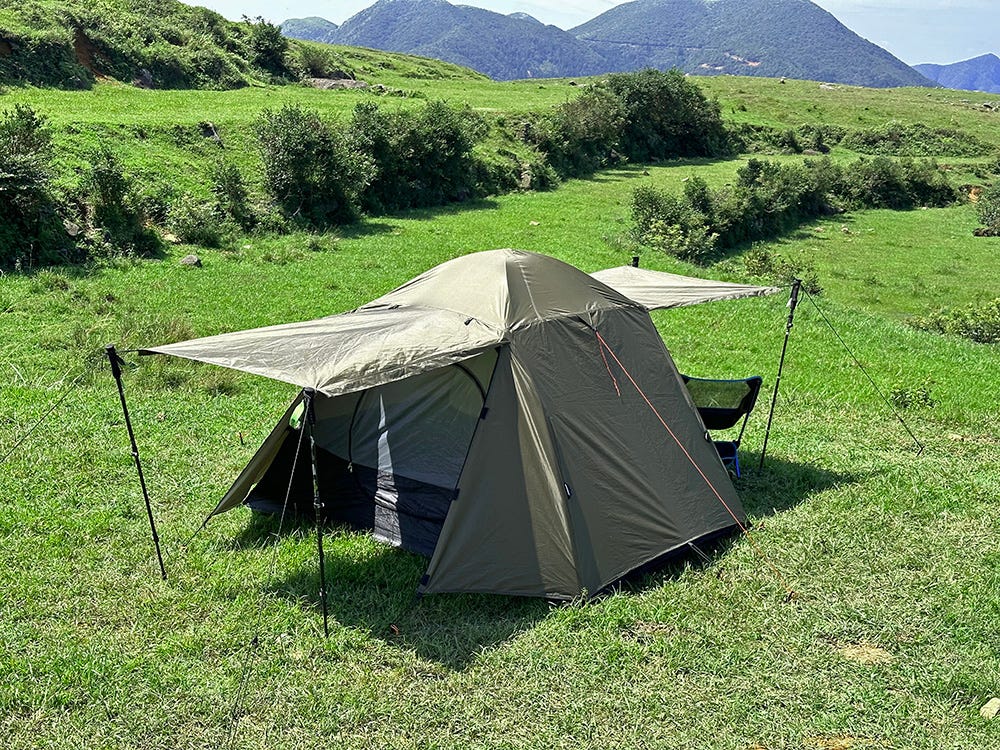
    • Types of Shelters: Depending on the environment, you might build a lean-to, debris hut, snow cave, or use a tent.
    • Materials: Use natural materials such as branches, leaves, and snow, or carry a lightweight tarp or emergency blanket in your gear.
    • Construction Tips: Choose a dry, flat location away from hazards like falling branches or flooding. Ensure the shelter is well-insulated and ventilated.
  2. Fire Starting
    • Purpose: Fire provides warmth, light, a way to cook food, and a means to signal for help.
    • Methods: Learn various fire-starting techniques, including using matches, lighters, fire starters, flint and steel, and the bow drill method.
    • Gathering Materials: Collect tinder (dry leaves, grass, or bark), kindling (small sticks), and fuelwood (larger branches).
    • Building the Fire: Construct a fire lay, such as the teepee, lean-to, or log cabin structure. Light the tinder first and gradually add kindling and fuelwood.
  3. Water Sourcing and Purification
    • Importance: Staying hydrated is crucial for survival, as the human body can only survive a few days without water.
    • Finding Water: Look for natural sources such as rivers, streams, lakes, and rainwater. In dry environments, collect dew, dig for groundwater, or use solar stills.
    • Purification Methods: Always purify water to remove pathogens. Boil water for at least one minute, use water purification tablets, or filter water through a portable water filter.
  4. Navigation
    • Importance: Knowing how to navigate helps you find your way to safety and avoid getting lost.
    • Tools: Carry a map, compass, and GPS device. Learn how to use them effectively.
    • Natural Navigation: Use natural landmarks, the position of the sun and stars, and the behavior of animals to help orient yourself.
    • Staying on Course: If you become disoriented, stay calm, mark your location, and try to retrace your steps or use your navigation tools to find your way.
  5. First Aid
    • Purpose: Basic first aid skills allow you to treat injuries and manage medical emergencies in the field.
    • First Aid Kit: Carry a comprehensive first aid kit with bandages, antiseptic wipes, pain relievers, tweezers, and necessary medications.
    • Basic Skills: Learn how to treat cuts, burns, sprains, and fractures. Know how to perform CPR and manage shock.
    • Wilderness Medicine: Consider taking a wilderness first aid course to learn advanced techniques for remote medical care.
  6. Foraging and Hunting
    • Importance: Finding food in the wild sustains your energy and keeps you nourished.
    • Foraging: Learn to identify edible plants, berries, nuts, and roots. Avoid unknown or toxic plants.
    • Hunting and Fishing: Basic hunting and fishing skills can provide protein. Carry simple tools like fishing line and hooks, or learn to make traps and snares.
    • Food Preparation: Know how to prepare and cook wild food safely to avoid illness.
  7. Signaling for Help
    • Purpose: Signaling increases your chances of being found and rescued.
    • Methods: Use fire, mirrors, whistles, and signal flags to attract attention. Create ground signals or use body signals.
    • Emergency Beacons: Consider carrying a personal locator beacon (PLB) or a satellite messenger device to send distress signals.
  8. Mental Resilience
    • Importance: Staying calm and focused is crucial for making sound decisions and conserving energy.
    • Mindset: Maintain a positive attitude, set small goals, and stay motivated. Practice mindfulness and breathing techniques to manage stress.
    • Survival Plans: Develop a plan and stick to it. Prioritize tasks and adapt to changing conditions.

Preparing for a Wilderness Adventure

  1. Research and Planning: Before heading into the wilderness, research the area, weather conditions, and potential hazards. Plan your route and share your itinerary with someone you trust.
  2. Essential Gear: Pack essential survival gear, including a knife, multi-tool, fire starter, first aid kit, water filter, map, compass, and appropriate clothing.
  3. Training and Practice: Regularly practice your survival skills to build confidence and proficiency. Consider taking survival courses or joining outdoor groups for hands-on experience.
  4. Emergency Preparedness: Always be prepared for emergencies by carrying extra food, water, and an emergency shelter. Know how to use your equipment and have a plan in place for unexpected situations.

Conclusion

Mastering survival skills is not just for extreme adventurers or preppers; it’s valuable knowledge that can benefit anyone who spends time in the great outdoors or wants to be prepared for emergencies. By learning and practicing these essential skills, you can increase your self-reliance, stay safe in challenging situations, and deepen your connection with nature. Embrace the journey of learning survival skills and discover the confidence and resilience it brings. Stay safe, be prepared, and enjoy the adventures that lie ahead.

Digital Nomad Life: Embracing Freedom and Flexibility

The digital nomad lifestyle has gained immense popularity in recent years, offering a unique blend of work and travel that appeals to adventurers and professionals alike. With advances in technology and a shift towards remote work, the dream of working from anywhere in the world has become a reality for many. This comprehensive guide explores the principles, benefits, challenges, and practical tips for thriving as a digital nomad.

Understanding the Digital Nomad Lifestyle

A digital nomad is someone who leverages technology to work remotely while traveling and living in various locations. This lifestyle is characterized by flexibility, independence, and a desire for exploration. Digital nomads often work in fields such as IT, marketing, writing, graphic design, consulting, and other professions that allow for remote work.

Benefits of the Digital Nomad Lifestyle

  1. Freedom and Flexibility: Digital nomads have the freedom to choose where and when they work. This flexibility allows them to design their ideal work-life balance and explore new destinations.
  2. Cultural Enrichment: Living in different countries exposes digital nomads to diverse cultures, languages, and traditions, enriching their personal and professional lives.
  3. Cost Savings: Many digital nomads choose to live in countries with a lower cost of living, allowing them to save money while enjoying a high quality of life.
  4. Networking Opportunities: The digital nomad community is vast and supportive, providing ample opportunities for networking, collaboration, and building lasting relationships.
  5. Personal Growth: Navigating new environments, overcoming challenges, and adapting to different cultures foster personal growth and resilience.

Challenges of the Digital Nomad Lifestyle

  1. Loneliness and Isolation: Constantly moving can make it difficult to build long-term relationships, leading to feelings of loneliness and isolation.
  2. Work-Life Balance: Maintaining a healthy work-life balance can be challenging when work and travel are intertwined.
  3. Internet Connectivity: Reliable internet access is crucial for remote work, and finding consistent, high-speed connections can be challenging in some locations.
  4. Legal and Visa Issues: Navigating visa regulations and understanding the legalities of working in different countries can be complex.
  5. Health and Insurance: Accessing healthcare and obtaining appropriate insurance coverage can be more complicated for digital nomads.

Practical Tips for Thriving as a Digital Nomad

  1. Choosing Your Destination:
    • Research Locations: Consider factors such as cost of living, internet connectivity, safety, climate, and cultural attractions when choosing your next destination.
    • Nomad-Friendly Cities: Some popular digital nomad hubs include Bali, Chiang Mai, Lisbon, Medellín, and Budapest. These cities offer a vibrant community, affordable living, and reliable infrastructure.
  2. Finding Accommodation:
    • Short-Term Rentals: Use platforms like Airbnb, Vrbo, and Booking.com to find short-term rentals that suit your needs.
    • Co-Living Spaces: Co-living spaces are designed for digital nomads and offer furnished accommodations, coworking spaces, and a built-in community. Examples include Outsite, Selina, and WeLive.
    • Hostels and Guesthouses: For budget-friendly options, consider staying in hostels or guesthouses that cater to travellers and remote workers.
  3. Setting Up Your Workspace:
    • Coworking Spaces: Coworking spaces provide reliable internet, office amenities, and a community of like-minded individuals. Look for spaces on platforms like Coworker, Regus, and WeWork.
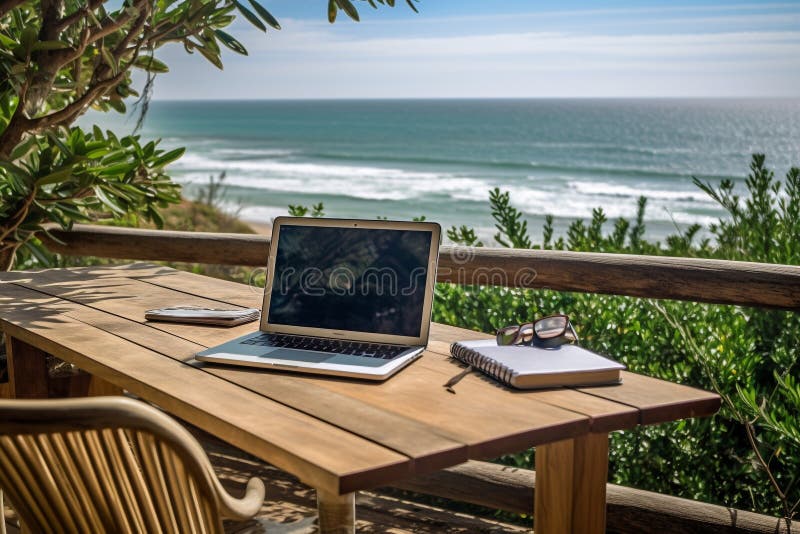
    • Cafés and Libraries: Many digital nomads work from cafés and libraries, which offer free Wi-Fi and a comfortable atmosphere. Make sure to support local businesses by purchasing food and drinks.
    • Home Office: If you prefer working from home, set up a dedicated workspace with ergonomic furniture and all necessary equipment.
  4. Staying Connected:
    • Internet Solutions: Invest in a portable Wi-Fi device or a local SIM card with data to ensure reliable internet access. Consider using VPN services for secure browsing.
    • Communication Tools: Use communication tools like Slack, Zoom, and Microsoft Teams to stay in touch with clients, colleagues, and remote teams.
  5. Managing Finances:
    • Budgeting: Create a budget that accounts for accommodation, transportation, food, activities, and work-related expenses. Track your spending to ensure you stay within your limits.
    • Banking and Payments: Use online banking and payment platforms like PayPal, TransferWise, and Revolut to manage your finances and handle international transactions.
    • Tax Considerations: Understand the tax implications of working remotely and seek professional advice to ensure compliance with tax laws in your home country and your destination.
  6. Maintaining Work-Life Balance:
    • Set Boundaries: Establish clear boundaries between work and leisure time. Create a schedule that allows for focused work periods and designated breaks.
    • Prioritize Self-Care: Incorporate self-care practices such as exercise, meditation, and hobbies into your routine to maintain physical and mental well-being.
    • Stay Social: Make an effort to connect with other digital nomads and locals through meetups, social events, and online communities.
  7. Navigating Legal and Visa Issues:
    • Research Visa Requirements: Understand the visa requirements for each destination and ensure you have the appropriate documentation for your stay.
    • Remote Work Visas: Some countries offer special visas for digital nomads, allowing them to live and work legally. Examples include the Barbados Welcome Stamp, Estonia Digital Nomad Visa, and Portugal’s D7 Visa.
    • Work Permits: If you plan to work for local clients or employers, check whether a work permit is required and how to obtain one.
  8. Health and Insurance:
    • Travel Insurance: Obtain comprehensive travel insurance that covers medical emergencies, trip cancellations, and personal belongings. Companies like World Nomads, SafetyWing, and IMG offer tailored plans for digital nomads.
    • Healthcare Access: Research healthcare facilities and services in your destination. Keep a list of emergency contacts and local healthcare providers.

Inspiring Stories of Digital Nomads

  1. Emma’s Journey: Emma, a freelance graphic designer, left her 9-to-5 job to pursue her passion for travel. She spent six months in Bali, working from coworking spaces and exploring the island’s natural beauty. Her experience not only enriched her personal life but also boosted her creativity and professional portfolio.
  2. Liam’s Adventure: Liam, a software developer, decided to embrace the digital nomad lifestyle after realizing the potential for remote work in his field. He travelled through Europe, living in cities like Lisbon and Budapest, while maintaining a successful freelance career. Along the way, he met fellow nomads, attended tech conferences, and expanded his professional network.
  3. Sophia’s Transformation: Sophia, a marketing consultant, used her remote work freedom to live in Medellin, Colombia. The vibrant culture and supportive digital nomad community helped her grow both personally and professionally. She learned Spanish, volunteered with local organizations, and launched her own marketing agency.

Conclusion

The digital nomad lifestyle offers unparalleled freedom, flexibility, and opportunities for growth. By leveraging technology and embracing a mind-set of exploration, digital nomads can work from anywhere while experiencing the beauty and diversity of the world. Whether you’re a seasoned traveller or considering this lifestyle for the first time, this guide provides the tools and inspiration to thrive as a digital nomad. Embrace the adventure, connect with new cultures, and redefine your work-life balance on your terms.

The Ultimate Guide to Digital Detox: Reclaim Your World in a Hyper-Connected Age

In today’s hyper-connected world, where our devices are practically extensions of ourselves, the concept of a digital detox has become a powerful antidote to the constant hum of digital noise. This guide will help you reclaim your time, focus, and well-being by stepping away from technology and reconnecting with the physical world and the people around you.

What is a Digital Detox?

A digital detox is a period of intentional disconnection from technology, including smartphones, computers, tablets, and social media platforms. It’s a chance to re-engage with the physical world and the people around you, fostering a healthier, more balanced relationship with technology.

Why is Digital Detox Important?

The constant influx of digital notifications, the lure of endless scrolling, and the pressure to be perpetually “on” have a profound impact on our well-being. It fuels stress, anxiety, and a pervasive sense of being overwhelmed. Excessive screen time disrupts sleep patterns, reduces physical activity, and can even strain relationships. A digital detox empowers individuals to create boundaries, fostering a healthier, more balanced relationship with technology.

Benefits of a Digital Detox

  1. Improved Mental Health: Stepping away from the digital world significantly reduces stress and anxiety, promoting a clearer mind and a more positive outlook.
  2. Enhanced Productivity: Freed from the constant barrage of notifications and the temptation of social media, you’ll find it easier to focus on tasks, maximizing efficiency during work or study hours.
  3. Better Sleep: Reducing screen time, particularly before bed, leads to improved sleep quality by minimizing exposure to blue light, which disrupts our natural sleep cycles.
  4. Strengthened Relationships: A digital detox creates space for face-to-face interactions, fostering deeper connections and more meaningful relationships with friends and family.
  5. Increased Physical Activity: Disconnecting encourages physical activity, whether it’s taking a walk, practicing yoga, or simply enjoying the outdoors.

How to Undertake a Digital Detox

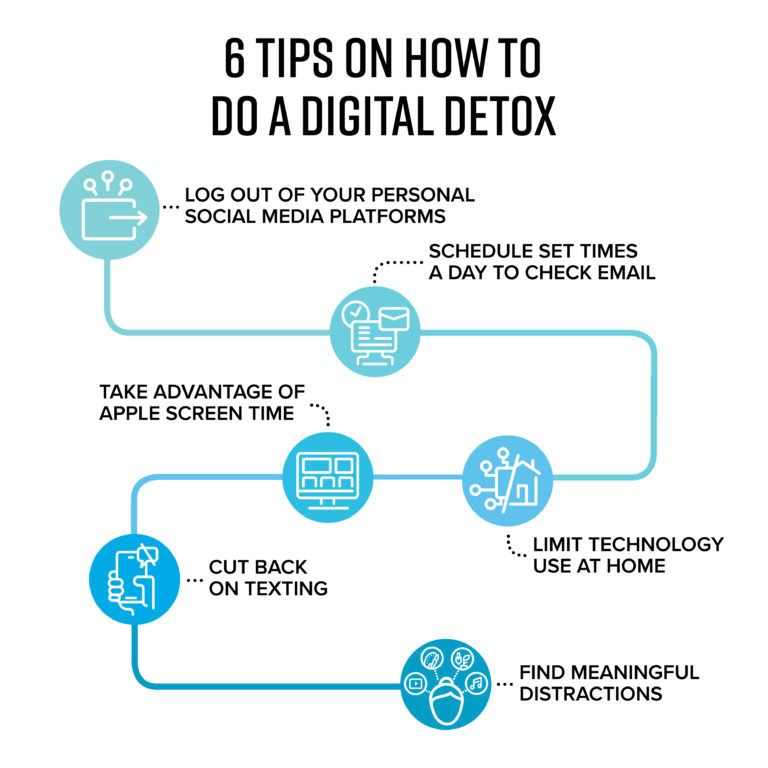
  1. Set Clear Intentions: Define why you’re undertaking a digital detox. Whether it’s to alleviate stress, improve relationships, or enhance overall well-being, having a clear purpose will anchor your commitment.
  2. Assess Your Digital Footprint: Quantify your digital usage across all devices using apps like RescueTime, Screen Time (iOS), or Digital Wellbeing (Android). Review your usage data and categorize it into “Necessary” (work-related, educational) and “Unnecessary” (social media scrolling, random browsing).
  3. Set Personalized Goals: Based on your analysis, set clear, achievable goals for reducing unnecessary digital consumption. For example, if you’re spending four hours a day on social media, could you reduce it to two?
  4. Find Replacement Practices: Engage in hobbies or activities that distract your mind and occupy your hands, such as reading, journaling, or exercising.
  5. Shore Up Social Bonds: Spend more time with friends and family in person, fostering deeper connections and reducing feelings of loneliness.
  6. Practice Mindfulness: Use mindfulness techniques to stay present and reduce the urge to reach for your devices. Apps like Calm or Headspace can help.
  7. Create a Digital Detox Plan: Plan specific times to unplug, such as during meals, before bed, or on weekends. Gradually increase the duration of your detox as you become more comfortable.
  8. Reflect and Adjust: Regularly reflect on your progress and adjust your goals and strategies as needed. Celebrate your successes and learn from any challenges.

Conclusion

A digital detox is not about completely abandoning technology but about using it mindfully and intentionally. By taking regular breaks from screens, you can improve your mental health, enhance productivity, and strengthen relationships. Embrace the journey of digital detox and reclaim your world in a hyper-connected age.

Would you like more tips on how to successfully implement a digital detox in your life?

The Future of Tech & Gadgets: Innovations Shaping Our World

Technology and gadgets have become integral to our daily lives, driving innovation and shaping the future. From cutting-edge scientific discoveries to the latest in consumer electronics, the tech landscape is ever-evolving. This comprehensive blog delves into various aspects of tech and gadgets, exploring the latest trends, ground-breaking innovations, and their impact on society.

The Rise of Artificial Intelligence and Machine Learning

Artificial Intelligence (AI) and Machine Learning (ML) are revolutionizing various industries, offering new ways to analyse data, automate processes, and enhance decision-making.

  1. AI in Healthcare: AI-powered tools are transforming healthcare by improving diagnostics, personalizing treatment plans, and streamlining administrative tasks. For example, AI algorithms can analyse medical images to detect early signs of diseases like cancer.
  2. Autonomous Vehicles: Self-driving cars are becoming a reality, with companies like Tesla, Waymo, and Uber leading the charge. These vehicles use AI and ML to navigate roads, avoid obstacles, and ensure passenger safety.
  3. Smart Assistants: Virtual assistants like Amazon’s Alexa, Apple’s Siri, and Google’s Assistant are becoming more sophisticated, offering personalized recommendations, controlling smart home devices, and even making purchases on behalf of users.
  4. AI in Finance: Financial institutions are leveraging AI for fraud detection, risk management, and customer service. Algorithms analyse transaction data to identify suspicious activities and predict market trends.

The Evolution of Consumer Electronics

Consumer electronics continue to evolve, offering smarter, more integrated, and user-friendly devices that enhance our daily lives.

  1. Smartphones: The latest smartphones feature advanced cameras, powerful processors, and innovative designs. Foldable phones, like the Samsung Galaxy Z Fold, are pushing the boundaries of mobile technology.
  2. Wearables: Smartwatches, fitness trackers, and wearable health devices are gaining popularity, providing users with real-time health data, activity tracking, and seamless connectivity with other devices.
  3. Smart Home Devices: From smart speakers and lighting systems to security cameras and thermostats, smart home devices are making our homes more efficient, secure, and comfortable.
  4. Gaming Consoles: The gaming industry is booming, with next-gen consoles like the PlayStation 5 and Xbox Series X delivering immersive gaming experiences with stunning graphics and fast load times.

The Impact of Virtual and Augmented Reality

Virtual Reality (VR) and Augmented Reality (AR) are transforming entertainment, education, and professional fields by creating immersive, interactive experiences.

  1. Gaming: VR headsets like the Oculus Quest and PlayStation VR offer players an unparalleled level of immersion, allowing them to step into virtual worlds and interact with their surroundings.
  2. Education: AR and VR are being used to create virtual classrooms and training simulations. Students can explore historical sites, conduct virtual science experiments, and gain hands-on experience in a safe, controlled environment.
  3. Healthcare: VR is being used for pain management, physical therapy, and medical training. Surgeons can practice complex procedures in a virtual environment, enhancing their skills and reducing errors.
  4. Retail: AR is revolutionizing the shopping experience by allowing customers to visualize products in their own space. Apps like IKEA Place let users see how furniture would look in their homes before making a purchase.

Sustainable Technology and Green Gadgets

As the world becomes more environmentally conscious, sustainable technology and eco-friendly gadgets are gaining traction.

  1. Renewable Energy Solutions: Innovations in solar, wind, and hydrogen energy are crucial for reducing our reliance on fossil fuels and mitigating climate change. Home solar panels and portable solar chargers are becoming more accessible and affordable.
  2. Electric Vehicles: Electric vehicles (EVs) are on the rise, with companies like Tesla, Nissan, and Chevrolet leading the way. EVs reduce greenhouse gas emissions and are supported by an expanding network of charging stations.
  3. Energy-Efficient Appliances: Modern appliances are designed to be more energy-efficient, reducing electricity consumption and lowering utility bills. Smart thermostats, LED lighting, and energy-saving kitchen appliances are popular choices.
  4. Eco-Friendly Materials: Sustainable materials like bamboo, recycled plastics, and biodegradable products are being used in tech gadgets, reducing environmental impact and promoting sustainability.

The Frontier of Space Exploration and Technology

Space exploration and technology are expanding our understanding of the universe and opening up new possibilities for the future.

  1. Space Missions: Recent missions, such as NASA’s Mars Rover Perseverance and SpaceX’s manned missions, are paving the way for future exploration and potential colonization of other planets.
  2. Satellite Technology: Satellites play a crucial role in communication, weather forecasting, and Earth observation. Advances in satellite technology are improving data accuracy and connectivity.
  3. Commercial Space Travel: Companies like SpaceX, Blue Origin, and Virgin Galactic are developing commercial space travel, bringing the dream of space tourism closer to reality.
  4. Astrobiology: The search for extra-terrestrial life continues to captivate scientists and the public alike, with missions focused on identifying habitable environments beyond Earth.

The Future of Computing: Quantum and Edge Computing

Advances in computing technology are pushing the boundaries of what is possible, offering new solutions for complex problems and enhancing data processing capabilities.

  1. Quantum Computing: Quantum computers use qubits to perform calculations at speeds far beyond traditional computers. They have the potential to revolutionize fields like cryptography, materials science, and drug discovery.
  2. Edge Computing: Edge computing brings data processing closer to the source of data generation, reducing latency and improving real-time decision-making. This technology is crucial for IoT devices and autonomous systems.

Conclusion The world of tech and gadgets is ever-evolving, offering new possibilities and challenges. From AI and VR to sustainable technology and space exploration, these advancements are transforming our lives and shaping the future. By staying informed and embracing innovation, we can harness the power of technology to create a better, more connected world. Whether you’re a tech enthusiast, a professional, or simply curious, the future of tech and gadgets promises exciting developments and endless opportunities for discovery.

The Importance of Sports and Fitness: Building a Healthier Society

Introduction

Sports and fitness play a crucial role in our lives, offering numerous physical, mental, and social benefits. Engaging in regular physical activity and participating in sports can lead to a healthier, happier, and more fulfilling life. This article explores the significance of sports and fitness, highlighting their impact on individual well-being and society as a whole.

Section 1: Physical Health Benefits

One of the most obvious advantages of sports and fitness is the improvement of physical health. Regular physical activity helps maintain a healthy body weight, strengthens muscles and bones, and enhances cardiovascular health.

  • Weight Management: Engaging in sports and fitness activities helps burn calories and reduce body fat, contributing to maintaining a healthy weight and preventing obesity.
  • Cardiovascular Health: Activities like running, swimming, cycling, and team sports improve heart health by increasing cardiovascular endurance and reducing the risk of heart disease.
  • Strength and Flexibility: Strength training, yoga, and pilates enhance muscle strength, flexibility, and overall physical performance, reducing the risk of injuries and improving posture.
  • Chronic Disease Prevention: Regular exercise lowers the risk of chronic diseases such as diabetes, hypertension, and certain cancers by improving overall health and boosting the immune system.

Section 2: Mental Health Benefits

Physical activity is not only beneficial for the body but also for the mind. Sports and fitness activities have a profound impact on mental health and emotional well-being.

  • Stress Reduction: Exercise stimulates the production of endorphins, known as “feel-good” hormones, which help reduce stress, anxiety, and depression.
  • Improved Mood: Regular physical activity enhances mood, boosts self-esteem, and promotes a positive outlook on life.
  • Cognitive Function: Engaging in sports and fitness activities improves cognitive function, enhances memory, and increases concentration and focus.
  • Sleep Quality: Regular exercise promotes better sleep patterns, helping individuals fall asleep faster and enjoy deeper, more restorative sleep.

Section 3: Social Benefits

Participating in sports and fitness activities also offers significant social benefits, fostering connections and building a sense of community.

  • Teamwork and Cooperation: Team sports teach valuable skills such as teamwork, cooperation, and communication, which are essential for success both on and off the field.
  • Social Interaction: Engaging in sports and fitness activities provides opportunities for social interaction, helping individuals build friendships and expand their social networks.
  • Inclusivity and Diversity: Sports bring together people from different backgrounds, promoting inclusivity, understanding, and respect for diversity.
  • Community Engagement: Local sports clubs and fitness groups encourage community involvement, creating a sense of belonging and collective identity.

Section 4: Life Skills Development

Sports and fitness activities contribute to the development of important life skills that extend beyond physical health.

  • Discipline and Time Management: Regular training schedules and commitment to sports instill discipline and time management skills in individuals.
  • Goal Setting and Achievement: Setting and achieving fitness goals fosters a sense of accomplishment and motivates individuals to pursue other personal and professional goals.
  • Resilience and Perseverance: Overcoming challenges and setbacks in sports builds resilience, perseverance, and the ability to cope with adversity.
  • Leadership and Responsibility: Participation in sports often involves leadership roles, teaching individuals responsibility, accountability, and leadership skills.

Conclusion

The importance of sports and fitness cannot be overstated. They play a vital role in enhancing physical health, mental well-being, social interaction, and life skills development. By incorporating regular physical activity and sports into our daily lives, we can build healthier, happier, and more connected communities. Whether you’re a seasoned athlete or just starting out, the benefits of sports and fitness are within reach for everyone. So, lace up your sneakers, find an activity you enjoy, and start your journey towards a healthier, more active lifestyle today.

Parkour and Free running: Mastering the Art of Movement

Introduction

Parkour and free running are dynamic disciplines that revolve around efficient and creative movement through urban and natural environments. Originating from France, these practices have gained global popularity, captivating people with their fluidity, athleticism, and artistry. This article delves into the essence of parkour and free running, exploring their history, techniques, benefits, and the differences between the two.

Section 1: The Origins of Parkour and Free running

Understanding the roots of parkour and free running provides insight into their philosophies and practices.

  • Parkour: Developed in the late 1980s by David Belle in France, parkour (also known as “l’art du déplacement” or the art of movement) focuses on moving efficiently from one point to another, overcoming obstacles using running, jumping, climbing, and rolling. Inspired by military obstacle course training, parkour emphasizes speed, agility, and precision.
  • Free running: Coined by Sébastien Foucan, free running emerged as a more expressive evolution of parkour. While it retains the fundamental principles of parkour, free running incorporates acrobatics, tricks, and creative movements, emphasizing artistic expression and freedom.

Section 2: Key Techniques in Parkour and Free running

Both parkour and free running involve a range of techniques that practitioners use to navigate their environments. Here are some fundamental moves:

  • Vaults: Vaults involve propelling the body over obstacles such as railings or walls using hands and feet. Common vaults include the speed vault, kong vault, and lazy vault.
  • Precision Jumps: These jumps require landing accurately on a specific spot, often on narrow surfaces like railings or ledges. Precision and control are crucial.
  • Wall Runs: Wall runs involve running vertically up a wall to reach higher surfaces. This technique is often combined with a push-off to gain extra height.
  • Rolls: Rolls help dissipate the impact of jumps and landings, protecting the body from injury. The shoulder roll is a commonly used technique.
  • Cat Leaps: Cat leaps involve jumping from one surface to another, typically landing in a crouched position with hands gripping the edge of the landing surface.
  • Flips and Tricks: In free running, acrobatic elements such as flips, spins, and twists are integrated into movement sequences. These add a creative and artistic dimension to the discipline.

Section 3: Differences Between Parkour and Free running

While parkour and free running share similarities, they have distinct focuses and philosophies:

  • Parkour: Emphasizes efficiency and practicality in movement. The goal is to move swiftly and effectively through the environment, overcoming obstacles with precision and minimal energy expenditure.
  • Free running: Focuses on creativity and expression. While it incorporates parkour techniques, free running encourages adding acrobatic moves and personal style, making each movement sequence unique.

Section 4: Benefits of Practicing Parkour and Free running

Engaging in parkour and free running offers a wide range of physical, mental, and social benefits:

  • Physical Fitness: Both disciplines improve cardiovascular health, strength, agility, and flexibility. They provide a full-body workout that enhances overall fitness.
  • Mental Resilience: Overcoming challenges and mastering new techniques build mental toughness, perseverance, and problem-solving skills.
  • Confidence and Self-Esteem: Successfully navigating obstacles boosts self-confidence and a sense of accomplishment.
  • Creative Expression: Free running, in particular, allows for artistic expression through movement, fostering creativity and individuality.
  • Community and Camaraderie: Parkour and free running communities are often tight-knit and supportive, providing a sense of belonging and shared passion.

Section 5: Getting Started with Parkour and Free running

For those interested in exploring parkour and free running, here are some tips to help you get started:

  • Find a Community: Look for local parkour and free running groups, gyms, or classes. Joining a community can provide guidance, support, and opportunities to train with experienced practitioners.
  • Start with Basics: Begin by mastering fundamental techniques such as vaults, rolls, and precision jumps. Focus on building strength, agility, and control.
  • Prioritize Safety: Always warm up before training and practice in a safe environment. Use proper techniques to minimize the risk of injury, and progress at your own pace.
  • Watch and Learn: Study videos of skilled parkour and free running athletes to understand different techniques and styles. Learning from others can provide inspiration and valuable insights.
  • Stay Consistent: Regular practice is key to improvement. Set goals, track your progress, and stay motivated by challenging yourself with new movements and sequences.

Conclusion

Parkour and free running are exhilarating disciplines that blend athleticism, creativity, and mental resilience. Whether you’re drawn to the efficiency of parkour or the expressive freedom of free running, both offer a unique way to connect with your environment and push the limits of human movement. Embrace the journey, respect the principles, and discover the transformative power of parkour and free running.

The Art and Discipline of Martial Arts: A Journey Beyond Combat

Introduction

Martial arts are ancient practices that combine physical prowess, mental discipline, and philosophical teachings. These arts have been practiced for centuries across various cultures and continue to captivate people worldwide with their blend of combat techniques, self-defence strategies, and holistic benefits. This blog explores the rich history, diverse styles, and the profound impact of martial arts on individuals and society.

Section 1: The History of Martial Arts

Martial arts have deep-rooted histories that reflect the cultural heritage and philosophies of different civilizations.

  • Ancient Origins: Martial arts date back thousands of years, with early forms practiced in China, India, and Greece. Techniques evolved from the need for self-defence, hunting, and military combat.
  • Asian Influence: Many of the most well-known martial arts originate from Asia. For example, Chinese martial arts, or Kung Fu, have been practiced for over 4,000 years and are known for their fluid movements and philosophical teachings. Japanese martial arts, such as Karate and Judo, emphasize discipline and respect.
  • Western Development: In the West, martial arts gained popularity in the 20th century, influenced by Eastern philosophies and the rise of mixed martial arts (MMA). Today, martial arts are practiced globally, transcending cultural boundaries.

Section 2: Diverse Styles of Martial Arts

Martial arts encompass a wide range of styles, each with its unique techniques, philosophies, and benefits.

  • Karate: Originating from Okinawa, Japan, Karate focuses on striking techniques using punches, kicks, knees, and elbows. It emphasizes speed, power, and precision.
  • Taekwondo: A Korean martial art known for its dynamic kicks and rapid footwork. Taekwondo also includes forms (patterns) and sparring.
  • Judo: Developed in Japan, Judo focuses on throws, joint locks, and grappling techniques. It aims to subdue an opponent using leverage and balance rather than brute strength.
  • Brazilian Jiu-Jitsu (BJJ): A martial art specializing in ground fighting and submission holds. BJJ emphasizes technique and strategy to overcome larger opponents.
  • Muay Thai: Known as the “Art of Eight Limbs,” Muay Thai from Thailand uses punches, kicks, elbows, and knees. It is highly effective for both striking and clinch work.
  • Kung Fu: An umbrella term for Chinese martial arts, Kung Fu encompasses a variety of styles, including Wing Chun, Shaolin, and Tai Chi. Kung Fu emphasizes fluid movements, coordination, and internal energy (Qi).

Section 3: The Benefits of Practicing Martial Arts

Martial arts offer numerous physical, mental, and emotional benefits, making them a holistic practice for individuals of all ages.

  • Physical Fitness: Martial arts improve cardiovascular health, strength, flexibility, and endurance. They provide a full-body workout that enhances overall fitness.
  • Self-Discipline and Focus: Training in martial arts requires consistent practice, dedication, and mental focus. These qualities translate into other areas of life, promoting self-discipline and goal-setting.
  • Self-Defence: Learning martial arts equips individuals with practical self-defence skills, boosting confidence and personal safety.
  • Stress Relief: The physical activity and meditative aspects of martial arts help reduce stress and anxiety. They offer a constructive outlet for releasing tension and improving mental well-being.
  • Cultural Appreciation: Martial arts expose practitioners to different cultures and philosophies, fostering a greater appreciation for global traditions and values.

Section 4: Martial Arts Philosophy

Beyond physical techniques, martial arts are deeply rooted in philosophical teachings that guide practitioners’ lives.

  • Respect and Humility: Martial arts emphasize respect for oneself, others, and the environment. Humility is a core value, encouraging practitioners to remain grounded and open to learning.
  • Perseverance and Resilience: The journey in martial arts is often challenging, requiring perseverance and resilience to overcome obstacles and setbacks.
  • Mind-Body Connection: Many martial arts practices incorporate meditation and breathing exercises to cultivate a strong mind-body connection. This holistic approach promotes mental clarity and emotional balance.
  • Ethical Conduct: Martial arts teach ethical behaviour and responsibility, encouraging practitioners to use their skills for positive purposes and to uphold justice.

Section 5: Getting Started with Martial Arts

If you’re interested in exploring martial arts, here are some steps to help you get started:

  • Research Styles: Learn about different martial arts styles and identify which one resonates with your interests and goals. Consider factors such as physical demands, training environment, and philosophical teachings.
  • Find a School: Look for reputable martial arts schools or dojos in your area. Attend trial classes to experience the training atmosphere and instructor’s teaching style.
  • Set Goals: Determine your objectives for practicing martial arts, whether it’s fitness, self-defence, competition, or personal growth.
  • Commit to Training: Consistency is key in martial arts. Commit to regular training sessions and be patient with your progress. Remember that martial arts are a lifelong journey of learning and self-improvement.

Conclusion

Martial arts offer a unique blend of physical training, mental discipline, and philosophical wisdom. They provide a path to personal growth, self-defenses, and cultural enrichment. Whether you’re drawn to the striking techniques of Karate, the grappling prowess of Judo, or the meditative practices of Tai Chi, martial arts have something to offer everyone. Embrace the journey, respect the traditions, and discover the profound impact martial arts can have on your life.

Embracing Fitness Challenges: A Journey to Health and Motivation

Introduction

Fitness challenges have become increasingly popular as a means to motivate individuals towards achieving their health and fitness goals. These challenges can range from simple daily exercises to comprehensive multi-week programs designed to improve strength, endurance, flexibility, and overall well-being. This article explores the concept of fitness challenges, their benefits, various types, and tips for successfully completing them.

Section 1: What Are Fitness Challenges?

Fitness challenges are structured programs or tasks designed to push individuals out of their comfort zones and encourage consistent physical activity. They often come with specific goals, guidelines, and a set timeframe.

  • Goals: Fitness challenges can focus on various objectives, such as weight loss, muscle gain, improving cardiovascular health, or increasing flexibility.
  • Duration: Challenges can range from short-term (e.g., 7-day or 30-day challenges) to long-term (e.g., 12-week programs).
  • Format: They can be individual or group-based, often incorporating social elements like accountability partners or online communities for support and motivation.

Section 2: Benefits of Fitness Challenges

Participating in fitness challenges offers numerous benefits that contribute to physical, mental, and emotional well-being.

  • Motivation and Accountability: Fitness challenges provide a clear structure and specific goals, which can enhance motivation and adherence to exercise routines. Having a set timeline and possibly sharing progress with a community adds a layer of accountability.
  • Habit Formation: Engaging in a fitness challenge can help establish and reinforce healthy habits. Consistent participation over the challenge period can lead to long-term behavioral changes.
  • Improved Fitness Levels: Regular exercise through fitness challenges can enhance cardiovascular health, increase muscle strength and endurance, improve flexibility, and contribute to overall physical fitness.
  • Mental Resilience: Completing a fitness challenge requires dedication, perseverance, and mental toughness. Overcoming physical obstacles can boost self-esteem and reduce stress and anxiety.
  • Social Connection: Group challenges or participating in fitness communities fosters a sense of belonging and camaraderie. Sharing experiences and celebrating achievements together can make the journey more enjoyable.

Section 3: Types of Fitness Challenges

There are various types of fitness challenges catering to different fitness levels, interests, and goals. Here are some popular categories:

  • Cardio Challenges: These focus on improving cardiovascular endurance through activities like running, cycling, or high-intensity interval training (HIIT). Examples include the “Couch to 5K” program or a 30-day HIIT challenge.
  • Strength Challenges: Aimed at building muscle strength and endurance, these challenges often involve bodyweight exercises, weightlifting, or resistance training. Examples include the “100 Push-ups Challenge” or the “30-Day Squat Challenge.”
  • Flexibility and Mobility Challenges: These focus on enhancing flexibility, balance, and range of motion through activities like yoga or stretching routines. Examples include the “30-Day Yoga Challenge” or daily stretching routines.
  • Holistic Challenges: Combining various aspects of fitness, these challenges may include a mix of cardio, strength, and flexibility exercises. They often promote overall health and wellness. Examples include the “12-Week Total Body Transformation Challenge” or the “21-Day Fitness Challenge.”
  • Nutrition and Lifestyle Challenges: These challenges integrate healthy eating habits and lifestyle changes along with physical activity. Examples include the “Whole30 Challenge” or the “30-Day Clean Eating Challenge.”

Section 4: Tips for Successfully Completing Fitness Challenges

To maximize the benefits and successfully complete a fitness challenge, consider the following tips:

  • Set Realistic Goals: Choose a challenge that aligns with your current fitness level and goals. Setting achievable milestones will help you stay motivated and prevent burnout.
  • Prepare Mentally and Physically: Ensure you are mentally committed to the challenge and physically prepared to handle the exercises. Listen to your body and make necessary adjustments to avoid injuries.
  • Track Progress: Keep a journal or use fitness apps to monitor your progress. Tracking your achievements can boost motivation and provide insights into your improvements.
  • Stay Consistent: Consistency is key to success. Stick to the challenge schedule and make exercise a non-negotiable part of your daily routine.
  • Seek Support: Join a fitness community, find an accountability partner, or share your journey with friends and family. Support and encouragement from others can make the challenge more enjoyable and manageable.
  • Celebrate Achievements: Acknowledge and celebrate your progress and milestones. Reward yourself for completing the challenge and use the experience to set new fitness goals.

Conclusion

Fitness challenges are an excellent way to stay motivated, build healthy habits, and improve overall fitness levels. Whether you’re looking to lose weight, gain muscle, or simply enhance your well-being, there is a fitness challenge out there to suit your needs. Embrace the journey, push your limits, and discover the joy of achieving your fitness goals through structured and engaging challenges.

Vintage & Collectibles: A Journey Through Time

1. Understanding Vintage and Collectibles

What Makes Something Vintage?

The term “vintage” generally refers to items that are at least 20 to 30 years old, yet not quite antique, which is typically reserved for items over 100 years old. Vintage items often embody the style, technology, and materials characteristic of their era, giving them a unique charm.

Collectibles: The Appeal of Rarity

Collectibles are items valued for their rarity and desirability. They can range from stamps, coins, and comics to toys, records, and memorabilia. The allure often lies in their limited availability and the personal connection collectors have to them.

2. Popular Categories of Vintage and Collectibles

Furniture and Home Décor

Vintage furniture and home décor items bring a touch of history into modern homes. Mid-century modern pieces, Victorian antiques, and art deco styles are particularly sought after. These items are often well-crafted and built to last, unlike many contemporary furnishings.

Clothing and Accessories

Vintage clothing offers unique styles and high-quality fabrics that are rarely found in today’s mass-produced fashion. From 1920s flapper dresses to 1980s power suits, each era has its distinctive fashion statements. Vintage accessories, such as jewelry and handbags, also hold a special charm.

Records and Musical Instruments

Vinyl records have made a huge comeback, and many collectors seek out rare pressings and iconic albums. Vintage musical instruments, like classic guitars and pianos, not only produce unique sounds but also represent the craftsmanship of their time.

Toys and Games

Collectible toys and games, from vintage Barbie dolls to early video game consoles, evoke nostalgia and are highly prized by collectors. These items often represent technological advancements and cultural phenomena of their periods.

Automobiles

Vintage cars are a significant investment for many collectors. Classic automobiles, like the Ford Mustang or Chevrolet Corvette, are celebrated for their design, engineering, and the history they represent. Car shows and auctions are popular venues for enthusiasts to share their passion.

3. The Art of Collecting

Starting a Collection

Building a collection begins with choosing a category that sparks personal interest. Research is key—understanding the history, rarity, and value of items can help collectors make informed decisions. Starting small and gradually expanding the collection allows collectors to learn and grow their expertise.

Preservation and Restoration

Maintaining the condition of vintage items is crucial for preserving their value. Proper storage, cleaning, and sometimes professional restoration can enhance the lifespan of these treasures. It’s important to strike a balance between restoration and maintaining the original integrity of the item.

Buying and Selling

The market for vintage and collectibles is vibrant, with auctions, estate sales, thrift stores, and online platforms like eBay playing significant roles. Networking with other collectors, joining clubs, and attending events can provide valuable insights and opportunities.

4. Why Collecting Matters

Connection to the Past

Collecting vintage and collectibles is a way to connect with history and preserve cultural heritage. Each item tells a story, reflecting the social, economic, and artistic trends of its time.

Investment Potential

Many collectible items appreciate in value over time, making them not only a hobby but also a potential investment. However, the primary motivation for most collectors is passion, rather than profit.

Personal Fulfillment

The joy of finding a rare item, the thrill of the hunt, and the satisfaction of completing a collection bring immense personal fulfillment. Collecting can also be a social activity, fostering connections with others who share similar interests.

Conclusion

Vintage and collectibles offer a unique window into the past, celebrating the craftsmanship, culture, and stories of bygone eras. Whether you are a seasoned collector or just starting, this hobby provides endless opportunities for discovery and enrichment. So, embark on this journey, and let the treasures of the past bring new joy and meaning to your present.