
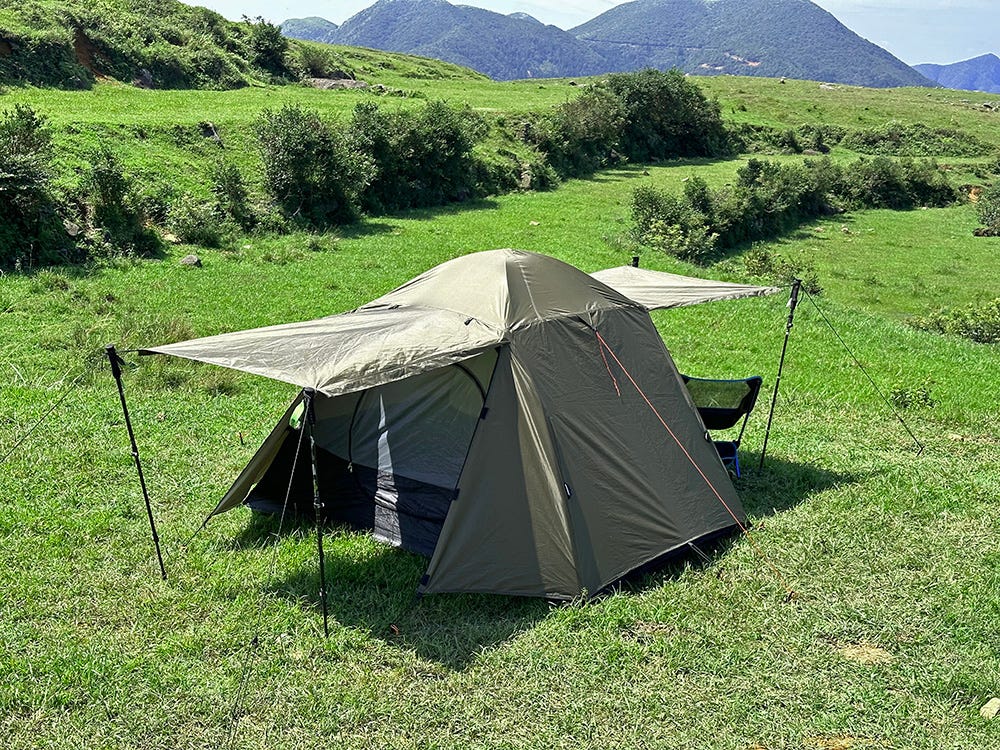
Hiking is a rejuvenating activity that connects you with nature, offers a physical challenge, and provides a peaceful escape from the hustle and bustle of everyday life. Whether you’re a seasoned hiker or a beginner looking to explore the trails, this comprehensive guide will equip you with the knowledge and tips needed for a successful and enjoyable hiking experience. From preparation and gear to trails and safety, we’ve got you covered.
The Benefits of Hiking
Hiking offers a myriad of benefits for both physical and mental well-being:
- Physical Health: Hiking is an excellent form of cardiovascular exercise that strengthens muscles, improves endurance, and enhances overall fitness. It can help with weight management, lower blood pressure, and reduce the risk of chronic diseases.
- Mental Health: Spending time in nature has been shown to reduce stress, anxiety, and depression. Hiking provides a mental break from daily stressors, promotes mindfulness, and boosts mood and mental clarity.
- Connection with Nature: Hiking allows you to immerse yourself in the natural world, fostering a deeper appreciation for the environment. It offers opportunities to observe wildlife, enjoy scenic vistas, and experience the beauty of untouched landscapes.
- Social Interaction: Hiking can be a social activity, whether you join a hiking group, go with friends and family, or meet new people on the trail. It encourages teamwork, communication, and shared experiences.
Preparing for Your Hike
Proper preparation is key to a safe and enjoyable hiking experience:
- Research Trails:
- Choose the Right Trail: Select a trail that matches your fitness level and experience. Research the trail’s length, elevation gain, difficulty, and terrain.
- Check Trail Conditions: Before heading out, check the trail conditions, weather forecast, and any advisories or closures. Websites and apps like AllTrails and the National Park Service provide updated trail information.
- Plan Your Route:
- Map and Navigation: Study the trail map and familiarize yourself with key landmarks. Carry a physical map and a compass or GPS device, especially for longer or remote hikes.
- Timing: Estimate how long the hike will take and plan accordingly. Consider daylight hours and start your hike early enough to ensure you finish before dark.
- Packing Essentials:
- The Ten Essentials: Pack the ten essentials for hiking, including navigation tools, sun protection, insulation (extra clothing), illumination (headlamp or flashlight), first aid kit, fire-starting tools, repair kit and tools, nutrition (extra food), hydration, and emergency shelter.
- Comfortable Clothing: Wear moisture-wicking, breathable clothing suitable for the weather conditions. Dress in layers to adjust to changing temperatures.
- Sturdy Footwear: Invest in a good pair of hiking boots or shoes with proper ankle support and traction. Break them in before your hike to prevent blisters.
- Backpack: Choose a comfortable backpack with enough capacity to carry your essentials. A well-fitting pack with padded shoulder straps and a waist belt will distribute weight evenly.
- Health and Safety:
- Hydration and Nutrition: Carry enough water to stay hydrated throughout the hike. Bring nutritious snacks like trail mix, energy bars, and fruit to keep your energy levels up.
- First Aid and Emergency Preparedness: Pack a basic first aid kit with bandages, antiseptic wipes, pain relievers, and any necessary medications. Learn basic first aid and emergency procedures.
- Inform Someone: Let a friend or family member know your hiking plans, including your route and estimated return time. Check in with them once you’re back.
On the Trail
Once you’re on the trail, follow these tips to ensure a safe and enjoyable hike:
- Pace Yourself: Start at a comfortable pace and take regular breaks to rest and hydrate. Listen to your body and adjust your pace as needed.
- Leave No Trace: Follow the Leave No Trace principles to minimize your impact on the environment. Pack out all trash, stay on designated trails, and respect wildlife and vegetation.
- Stay on the Trail: Stick to marked trails to avoid getting lost and to protect the natural habitat. If you need to go off-trail, ensure you have proper navigation tools and skills.
- Be Mindful of Wildlife: Observe wildlife from a distance and do not feed or approach animals. Store food securely to prevent attracting wildlife to your campsite.
- Respect Other Hikers: Yield the trail to uphill hikers and be courteous to others. Keep noise levels low to preserve the tranquility of nature.
Exploring Different Types of Hikes
Hiking offers a variety of experiences depending on the terrain, difficulty, and scenery:
- Day Hikes: Short hikes that can be completed within a day. These are perfect for beginners and those looking for a quick outdoor escape.
- Overnight Hikes: Multi-day hikes that require camping overnight. These hikes offer a deeper immersion into nature and require more planning and gear.
- Mountain Hikes: Challenging hikes that involve significant elevation gain and rugged terrain. These hikes offer stunning panoramic views and a rewarding sense of accomplishment.
- Desert Hikes: Unique hikes through arid landscapes with dramatic rock formations and vast open spaces. Be prepared for extreme temperatures and carry ample water.
- Forest Hikes: Hikes through lush forests with diverse flora and fauna. These hikes provide shade and a sense of tranquility.
- Coastal Hikes: Scenic hikes along coastlines with breathtaking ocean views and the sound of crashing waves. Be mindful of tides and coastal weather conditions.
Hiking in Different Seasons
Hiking can be enjoyed year-round, but each season brings its own challenges and beauty:
- Spring: Enjoy blooming wildflowers and mild temperatures. Be prepared for muddy trails and unpredictable weather.
- Summer: Take advantage of long daylight hours and warm weather. Stay hydrated, wear sun protection, and start early to avoid the heat.
- Fall: Experience vibrant fall foliage and cooler temperatures. Be prepared for shorter daylight hours and variable weather.
- Winter: Winter hiking offers a serene and snowy landscape. Dress in layers, carry extra warm clothing, and be cautious of ice and snow on the trails.
Conclusion
Hiking is a fulfilling and invigorating activity that allows you to connect with nature, challenge yourself, and experience the beauty of the great outdoors. By preparing thoroughly, packing the right gear, and following safety guidelines, you can enjoy a successful and memorable hiking adventure. Whether you’re exploring local trails or venturing into remote wilderness areas, hiking offers endless opportunities for discovery and personal growth. Embrace the journey, respect the environment, and savor the moments of peace and wonder that hiking brings. Happy trails!