Exploring Alternative Medicine: Natural Paths to Health

Alternative medicine encompasses a diverse range of healing practices that fall outside the realm of conventional Western medicine. These practices often emphasize holistic and natural approaches to health and wellness, focusing on the body’s inherent ability to heal itself. In this blog, we delve into the principles, benefits, and various types of alternative medicine, as well as tips for integrating these practices into your health regimen.

Understanding Alternative Medicine

Alternative medicine includes a variety of therapeutic approaches that may be used instead of or alongside traditional medical treatments. These practices often emphasize the connection between mind, body, and spirit and seek to promote overall well-being through natural means.

Principles of Alternative Medicine

  1. Holistic Approach: Alternative medicine views the body as an integrated whole, where physical, mental, emotional, and spiritual aspects are interconnected.
  2. Natural Healing: Emphasis is placed on natural therapies and remedies that support the body’s self-healing processes.
  3. Prevention: Focus on preventing illness and promoting health through lifestyle changes, diet, and natural interventions.
  4. Personalized Care: Treatments are often tailored to the individual’s unique needs, rather than following a one-size-fits-all approach.

Benefits of Alternative Medicine

  1. Reduced Side Effects: Many alternative therapies use natural ingredients and techniques, which can minimize the risk of adverse side effects compared to conventional medications.
  2. Empowerment: Patients are often encouraged to take an active role in their health, leading to greater empowerment and self-awareness.
  3. Complementary Care: Alternative medicine can complement conventional treatments, enhancing overall health outcomes and quality of life.
  4. Holistic Well-Being: By addressing physical, mental, and emotional aspects of health, alternative medicine promotes a holistic sense of well-being.

Types of Alternative Medicine

  1. Acupuncture:
    • Overview: Acupuncture involves inserting thin needles into specific points on the body to balance the flow of energy (Qi).
    • Benefits: It can help alleviate pain, reduce stress, and improve overall health by stimulating the body’s natural healing processes.
    • Applications: Commonly used for chronic pain, migraines, anxiety, and digestive issues.
  2. Herbal Medicine:
    • Overview: Herbal medicine uses plant-based remedies to treat various health conditions.
    • Benefits: Herbs can provide therapeutic benefits with fewer side effects and can be used for a wide range of ailments.
    • Applications: Examples include using turmeric for inflammation, ginger for nausea, and chamomile for relaxation.
  3. Homeopathy:
    • Overview: Homeopathy is based on the principle of “like cures like,” using highly diluted substances to stimulate the body’s healing response.
    • Benefits: It aims to treat the individual as a whole and is often used for chronic conditions and minor ailments.
    • Applications: Commonly used for allergies, skin conditions, and respiratory issues.
  4. Chiropractic Care:
    • Overview: Chiropractic care focuses on the diagnosis and treatment of musculoskeletal disorders, particularly spine alignment.
    • Benefits: It can relieve pain, improve mobility, and enhance overall health by ensuring proper nervous system function.
    • Applications: Effective for back pain, neck pain, headaches, and joint issues.
  5. Aromatherapy:
    • Overview: Aromatherapy uses essential oils extracted from plants to promote physical and emotional well-being.
    • Benefits: Inhalation or topical application of essential oils can reduce stress, improve mood, and enhance relaxation.
    • Applications: Commonly used oils include lavender for relaxation, peppermint for headaches, and eucalyptus for respiratory issues.
  6. Ayurveda:
    • Overview: Ayurveda is an ancient Indian system of medicine that focuses on balancing the body’s energies (doshas) through diet, lifestyle, and natural therapies.
    • Benefits: It promotes overall health, prevents diseases, and treats imbalances by addressing the root causes of illness.
    • Applications: Common practices include dietary modifications, herbal treatments, and yoga.
  7. Naturopathy:
    • Overview: Naturopathy emphasizes natural and preventive approaches to health, combining traditional healing methods with modern scientific knowledge.
    • Benefits: It supports the body’s self-healing processes and focuses on holistic well-being.
    • Applications: Treatments may include nutrition, herbal medicine, physical therapies, and lifestyle counseling.

Integrating Alternative Medicine into Your Health Regimen

  1. Research and Education: Educate yourself about the various types of alternative medicine and their potential benefits and risks. Consult reputable sources and seek guidance from qualified practitioners.
  2. Consult with Professionals: Before starting any alternative therapy, consult with a qualified healthcare provider to ensure it is appropriate for your condition and does not interfere with existing treatments.
  3. Start Slowly: Introduce alternative therapies gradually and monitor their effects on your health. Keep track of any changes in symptoms or overall well-being.
  4. Combine Approaches: Consider integrating alternative medicine with conventional treatments for a comprehensive approach to health. Discuss with your healthcare provider how best to combine therapies for optimal results.
  5. Personalize Your Care: Choose therapies that resonate with you and address your specific needs. Personalized care can enhance the effectiveness of alternative treatments.
  6. Stay Informed: Keep up-to-date with the latest research and developments in alternative medicine. This will help you make informed decisions about your health and treatment options.

Conclusion

Alternative medicine offers a diverse range of natural and holistic approaches to health and wellness. By understanding the principles and benefits of various alternative therapies, you can make informed decisions about integrating them into your health regimen. Whether through acupuncture, herbal medicine, homeopathy, or other practices, alternative medicine can complement conventional treatments and promote overall well-being. Embrace the natural paths to health and discover the transformative effects of alternative medicine on your journey to holistic wellness.

Understanding DIY: The Art of Do-It-Yourself

Introduction

DIY, or Do-It-Yourself, is more than just a hobby; it’s a movement that empowers individuals to take control of their living spaces, creative projects, and even their lives. The DIY ethos revolves around the idea of creating, building, or repairing things without the direct aid of professionals. This approach not only fosters creativity and self-reliance but also promotes sustainability and cost savings. In this article, we’ll dive deep into the world of DIY, exploring its origins, benefits, popular projects, and the skills you can develop along the way.

Section 1: Origins of DIY

The concept of DIY has been around for centuries, but it gained significant traction in the mid-20th century as a response to industrialization and mass production.

  • Historical Roots: DIY practices date back to ancient times when people built their homes, crafted tools, and made clothing by hand. These skills were passed down through generations and were essential for survival.
  • Modern Movement: The modern DIY movement emerged in the 1950s and 1960s, particularly in the United States and Europe, as people began to seek alternatives to mass-produced goods. Magazines, books, and television shows dedicated to DIY projects started to appear, making information more accessible to the average person.
  • Cultural Influence: The punk rock movement of the 1970s and 1980s also played a role in popularizing DIY, with its emphasis on self-sufficiency, creativity, and anti-establishment values. This spirit of independence continues to influence the DIY community today.

Section 2: Benefits of DIY

Engaging in DIY projects offers numerous advantages that go beyond mere cost savings.

  • Personalization: DIY allows you to tailor your projects to your specific tastes and needs, resulting in unique and personalized creations that reflect your personality.
  • Cost Savings: By doing the work yourself, you can save money on labor and often find budget-friendly materials. Additionally, repurposing and upcycling items can further reduce costs.
  • Skill Development: DIY projects help you develop practical skills such as carpentry, painting, sewing, and basic electrical work. These skills can be useful in various aspects of life and can boost your confidence.
  • Sustainability: DIY promotes sustainability by encouraging the reuse and repurposing of materials. Creating your own items reduces the demand for mass-produced goods, which often have a larger environmental footprint.
  • Sense of Accomplishment: Completing a DIY project provides a sense of achievement and satisfaction. Seeing the results of your hard work can be incredibly rewarding.

Section 3: Popular DIY Projects

DIY projects can range from simple crafts to complex home renovations. Here are some popular categories to inspire you:

  • Home Improvement: Projects like painting walls, installing shelves, and building furniture can transform your living space. Home improvement projects enhance both the functionality and aesthetics of your home.
  • Crafts and Hobbies: DIY crafts such as knitting, crocheting, scrapbooking, and jewelry making allow for creative expression and make for thoughtful, handmade gifts.
  • Gardening: Building raised garden beds, creating compost bins, and designing vertical gardens are popular DIY projects that promote sustainable living.
  • Upcycling and Repurposing: Give new life to old items by upcycling them into something useful or decorative. For example, turning old pallets into furniture or using mason jars for storage and organization.
  • Technology and Gadgets: DIY enthusiasts can also delve into tech projects like building computers, creating smart home devices, or assembling custom electronics.

Section 4: Getting Started with DIY

Starting your DIY journey can be both exciting and daunting. Here are some tips to help you get started:

  • Identify Your Interests: Consider what types of projects you are passionate about. Whether it’s home decor, crafting, or gardening, choose a starting point that excites you.
  • Gather Supplies: Invest in basic tools and materials that are relevant to your chosen projects. Common tools include a hammer, screwdrivers, a tape measure, and a power drill.
  • Learn from Resources: Take advantage of the vast array of resources available, such as online tutorials, books, magazines, and workshops. Learning from experienced DIYers can provide valuable insights and techniques.
  • Start Small: Begin with simple projects to build your confidence and skills. As you gain experience, you can gradually tackle more complex and ambitious projects.
  • Join a Community: Connect with other DIY enthusiasts through social media groups, local clubs, or workshops. Sharing ideas and experiences can provide motivation and inspiration.

Conclusion

DIY is more than just a trend; it’s a way of life that encourages creativity, self-sufficiency, and sustainability. By embracing the DIY mindset, you can transform your living spaces, develop valuable skills, and contribute to a more personalized and eco-friendly world. Whether you’re a seasoned DIYer or a beginner, there’s always a new project to embark on and a new skill to learn. So, roll up your sleeves, unleash your creativity, and start your DIY journey today!

The Joy of DIY & Crafts: Creating Beauty with Your Hands

Introduction

DIY (Do-It-Yourself) and crafts have become more than just hobbies; they are expressions of creativity and self-reliance. Engaging in DIY projects and crafts can be incredibly rewarding, offering a sense of accomplishment and the opportunity to personalize your surroundings. This article explores the world of DIY and crafts, highlighting the benefits, popular projects, and tips for getting started.

Section 1: The Benefits of DIY & Crafts

Engaging in DIY and craft projects comes with a multitude of benefits that enhance your life in various ways:

  • Creativity Boost: Crafting allows you to unleash your creativity, experiment with new ideas, and develop unique designs.
  • Stress Relief: The process of creating something with your hands can be therapeutic and help reduce stress and anxiety.
  • Personalization: DIY projects allow you to customize items to suit your personal taste and home decor, creating a space that reflects your style.
  • Skill Development: As you tackle different projects, you build a wide range of skills, from woodworking and sewing to painting and upcycling.
  • Sustainability: By making your own items, you reduce waste and promote sustainability. Upcycling and repurposing materials also contribute to a greener environment.

Section 2: Popular DIY & Craft Projects

Here are some popular DIY and craft projects that cater to various interests and skill levels:

  • Home Decor: Create personalized home decor items such as wall art, throw pillows, and custom furniture pieces. These projects can add a unique touch to your living space.
  • Jewelry Making: Design your own jewelry using beads, wire, and other materials. This craft allows for endless creativity and results in one-of-a-kind accessories.
  • Knitting and Crocheting: These classic crafts are perfect for making cozy blankets, scarves, and clothing items. They offer a relaxing way to pass the time and produce useful items.
  • Paper Crafts: From scrapbooking and card making to origami and paper quilling, paper crafts offer a variety of projects for all ages.
  • Upcycling and Repurposing: Turn old or unused items into something new and functional. For example, transform wine bottles into vases or pallets into furniture.
  • Seasonal Crafts: Create decorations and gifts for holidays and special occasions. Think handmade ornaments, wreaths, and personalized gift wrap.

Section 3: Getting Started with DIY & Crafts

Starting with DIY and craft projects can be both exciting and intimidating. Here are some tips to help you get started:

  • Find Inspiration: Browse online platforms like Pinterest, Instagram, and DIY blogs for project ideas and tutorials. Libraries and craft stores also offer a wealth of resources.
  • Start Small: Begin with simple projects that match your skill level. As you gain confidence, you can tackle more complex and ambitious projects.
  • Gather Supplies: Invest in basic craft supplies and tools such as scissors, glue, paint, and brushes. Depending on your interests, you might also need specialty items like knitting needles or jewelry-making kits.
  • Learn from Others: Join crafting groups or take workshops to learn new techniques and connect with fellow crafters. Online communities can also provide support and inspiration.
  • Practice Patience: DIY projects and crafts can take time and practice to perfect. Be patient with yourself and enjoy the process of learning and creating.

Section 4: Sustainable Crafting

Incorporating sustainability into your DIY projects and crafts is a great way to contribute to a greener planet:

  • Use Recycled Materials: Opt for recycled or repurposed materials whenever possible. This reduces waste and gives new life to old items.
  • Choose Eco-friendly Supplies: Look for non-toxic paints, natural fibers, and sustainable materials. These are better for both your health and the environment.
  • Create Functional Items: Focus on making items that are not only beautiful but also functional, reducing the need for mass-produced goods.

Conclusion

DIY and crafts offer endless opportunities to explore your creativity, develop new skills, and create personalized, meaningful items. Whether you’re making home decor, jewelry, or upcycling old materials, the joy of crafting lies in the process and the pride in your finished projects. So, gather your supplies, find your inspiration, and start creating something beautiful today!

The Green Revolution in Cities: Exploring Urban Gardening

Introduction

Urban gardening is the practice of growing plants in urban environments, often utilizing small spaces such as balconies, rooftops, and community gardens. This innovative approach to gardening addresses various challenges posed by urbanization, such as limited space, environmental degradation, and food insecurity. In this article, we will explore the benefits, techniques, and tips for successful urban gardening, along with its impact on communities and the environment.

Section 1: The Benefits of Urban Gardening

Urban gardening offers a multitude of benefits that enhance the quality of life for city dwellers and contribute to sustainable urban development.

  • Environmental Impact: Urban gardens help mitigate the urban heat island effect, improve air quality, and increase biodiversity. Plants absorb carbon dioxide and release oxygen, creating a healthier urban environment.
  • Food Security: Growing your own fruits, vegetables, and herbs ensures access to fresh, nutritious produce, reducing reliance on commercial food systems. It also promotes food sovereignty and self-sufficiency.
  • Community Building: Urban gardens often serve as community hubs where people come together to share knowledge, resources, and experiences. This fosters a sense of community and social cohesion.
  • Mental and Physical Health: Gardening is a great form of physical exercise and has therapeutic effects, reducing stress, anxiety, and depression. It provides an opportunity to connect with nature, even in densely populated urban areas.
  • Aesthetic Enhancement: Urban gardens beautify the cityscape, transforming unused or neglected spaces into green oases that enhance the visual appeal of neighborhoods.

Section 2: Techniques for Urban Gardening

Urban gardening requires innovative techniques to make the most of limited space and resources. Here are some popular methods:

  • Container Gardening: Growing plants in containers such as pots, buckets, and troughs is ideal for small spaces like balconies and patios. Containers can be moved and arranged to maximize sunlight and space.
  • Vertical Gardening: Utilizing vertical space by growing plants on walls, trellises, and shelves is a space-efficient way to cultivate a variety of plants. Vertical gardens can be created using hanging pots, wall-mounted planters, and even recycled materials like pallets.
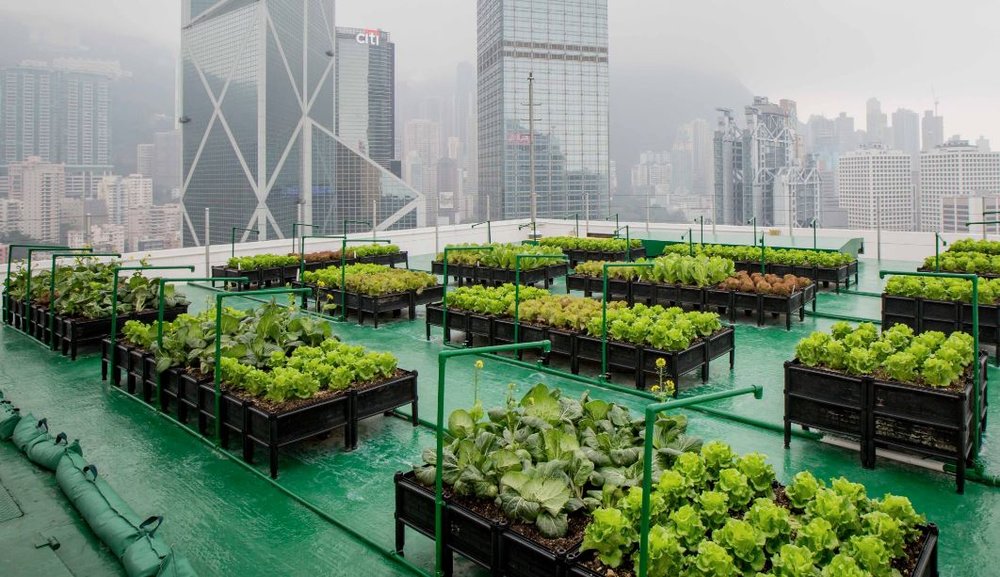
  • Rooftop Gardens: Transforming rooftops into green spaces is a great way to utilize unused areas in urban settings. Rooftop gardens can range from simple container setups to extensive green roofs that provide insulation and reduce energy costs.
  • Hydroponics and Aquaponics: These soilless gardening methods use nutrient-rich water to grow plants. Hydroponics involves growing plants in water, while aquaponics combines fish farming with plant cultivation, creating a symbiotic system.
  • Community Gardens: Shared gardening spaces in urban areas allow residents to grow their own produce and collaborate on larger gardening projects. Community gardens often involve collective management and resource sharing.

Section 3: Getting Started with Urban Gardening

Starting an urban garden can be a fulfilling and rewarding experience. Here are some steps to help you get started:

  • Assess Your Space: Identify available spaces for gardening, such as balconies, windowsills, rooftops, or community garden plots. Consider factors like sunlight, wind, and accessibility.
  • Choose Your Plants: Select plants that are well-suited to your growing conditions and space. Herbs, leafy greens, tomatoes, and flowers are great choices for beginners and small spaces.
  • Prepare Your Soil: If using containers or raised beds, ensure you use high-quality potting soil or compost. Soil health is crucial for plant growth, so consider adding organic fertilizers or amendments as needed.
  • Water Wisely: Proper watering is essential for plant health. Water deeply and consistently, and consider using self-watering containers or drip irrigation systems to conserve water and ensure even moisture distribution.
  • Monitor and Maintain: Regularly check your plants for signs of pests, diseases, and nutrient deficiencies. Prune and harvest as needed to encourage healthy growth and productivity.

Section 4: Urban Gardening Success Stories

Urban gardening initiatives have transformed communities and cities around the world. Here are a few inspiring examples:

  • The High Line, New York City: This iconic elevated park transformed a disused railway line into a vibrant green space filled with native plants, art installations, and walking paths. The High Line has become a model for urban green space development.
  • Cuba’s Urban Agriculture Revolution: Faced with food shortages in the 1990s, Cuba turned to urban agriculture, creating thousands of organic gardens and farms in cities. Today, urban agriculture provides a significant portion of the country’s fresh produce.
  • Incredible Edible, Todmorden, UK: This community-led initiative turned public spaces in the town of Todmorden into edible gardens, providing free food for residents and promoting local food security. The project has inspired similar efforts worldwide.

Conclusion

Urban gardening is a powerful tool for transforming cities into greener, healthier, and more resilient communities. By adopting innovative gardening techniques and making the most of available spaces, city dwellers can enjoy the benefits of fresh produce, improved mental and physical well-being, and stronger community bonds. Whether you’re a seasoned gardener or a beginner, there’s always room to grow in the world of urban gardening.

The Art and Science of Gardening & Horticulture

Introduction

Gardening and horticulture are age-old practices that blend artistry and science to cultivate plants, flowers, vegetables, and landscapes. These activities not only beautify our surroundings but also offer numerous benefits, including environmental sustainability, mental well-being, and food security. This article delves into the fascinating world of gardening and horticulture, exploring their history, techniques, benefits, and tips for both beginners and seasoned gardeners.

Section 1: The History of Gardening and Horticulture

Gardening and horticulture have deep roots in human history, evolving over centuries to become integral parts of our lives.

  • Ancient Beginnings: The earliest gardens were cultivated by ancient civilizations such as the Egyptians, Mesopotamians, and Chinese, who created ornamental and vegetable gardens for both aesthetic and practical purposes.
  • Medieval Europe: Monastic gardens in medieval Europe were centres of horticultural knowledge, where monks grew medicinal herbs, fruits, and vegetables.
  • Renaissance Gardens: The Renaissance period saw the emergence of elaborate, formal gardens in Europe, exemplified by the gardens of Versailles in France, which showcased the art of landscape design.
  • Modern Era: Today, gardening and horticulture encompass a wide range of practices, from small urban gardens to large-scale agricultural operations, driven by advances in technology and a growing emphasis on sustainability.

Section 2: The Benefits of Gardening and Horticulture

Engaging in gardening and horticulture offers numerous benefits that enhance our lives in various ways.

  • Environmental Impact: Gardens help improve air quality, conserve water, and provide habitats for wildlife. Sustainable gardening practices, such as composting and organic farming, reduce the environmental footprint.
  • Health and Well-being: Gardening is a great form of physical exercise that promotes cardiovascular health and muscle strength. It also has therapeutic effects, reducing stress, anxiety, and depression.
  • Food Security: Growing your own fruits, vegetables, and herbs ensures access to fresh, nutritious produce. It also promotes food sovereignty by reducing reliance on commercial food systems.
  • Aesthetic and Social Benefits: Well-designed gardens enhance the beauty of our surroundings and can serve as community spaces for social interaction and relaxation.

Section 3: Essential Gardening Techniques

Mastering a few key gardening techniques can help you create a thriving garden, whether you’re a beginner or an experienced gardener.

  • Soil Preparation: Healthy soil is the foundation of a successful garden. Test your soil’s pH and nutrient levels, and amend it with organic matter like compost to improve fertility and structure.
  • Plant Selection: Choose plants that are well-suited to your climate, soil type, and sunlight conditions. Native plants are often a good choice as they are adapted to local conditions and support local wildlife.
  • Watering: Proper watering is crucial for plant health. Water deeply and infrequently to encourage deep root growth, and use techniques like drip irrigation and mulching to conserve water.
  • Pruning and Training: Regular pruning helps maintain plant health, shape, and productivity. Training techniques, such as staking and trellising, support plants and improve air circulation.
  • Pest and Disease Management: Integrated Pest Management (IPM) is an eco-friendly approach that combines cultural, biological, and mechanical methods to control pests and diseases with minimal use of chemicals.

Section 4: Specialized Areas of Horticulture

Horticulture is a diverse field that includes several specialized areas, each with its unique focus and techniques.

  • Floriculture: The cultivation of flowering and ornamental plants for gardens, floral arrangements, and landscaping. Floriculture includes the production of flowers, foliage plants, and cut flowers.
  • Olericulture: The science of growing vegetables, encompassing everything from leafy greens to root vegetables. Olericulture focuses on optimizing yield, quality, and disease resistance.
  • Pomology: The study and cultivation of fruit and nut crops. Pomologists work to improve fruit quality, develop new varieties, and enhance pest and disease resistance.
  • Arboriculture: The care and management of trees, shrubs, and other woody plants. Arborists focus on tree health, safety, and aesthetics, often working in urban environments to manage public and private trees.
  • Landscape Horticulture: The design and maintenance of landscapes, including parks, gardens, and recreational areas. Landscape horticulturists use plants and hardscape elements to create functional and attractive outdoor spaces.

Section 5: Getting Started with Gardening

If you’re new to gardening, here are some tips to help you get started:

  • Start Small: Begin with a small garden bed or a few containers. This will make the process more manageable and less overwhelming.
  • Learn the Basics: Educate yourself about basic gardening principles, such as soil health, plant care, and pest management. Resources like gardening books, websites, and local gardening clubs can be very helpful.
  • Choose the Right Plants: Select plants that are suitable for your climate and growing conditions. Starting with easy-to-grow plants like herbs, lettuce, and marigolds can boost your confidence.
  • Be Patient: Gardening is a learning process that requires patience and persistence. Don’t be discouraged by setbacks; use them as opportunities to learn and improve.

Conclusion

Gardening and horticulture are rewarding practices that offer a wealth of benefits, from improving your well-being to contributing to environmental sustainability. Whether you’re cultivating a small urban garden or managing a large landscape, the joy of nurturing plants and watching them grow is unparalleled. So, grab your gardening gloves, get your hands dirty, and embark on a journey of growth, beauty, and discovery.

Home & DIY: Transforming Spaces with Creativity and Craft

Introduction

Home improvement and do-it-yourself (DIY) projects have surged in popularity in recent years. These projects allow homeowners to personalize their living spaces, enhance functionality, and express creativity. Whether you’re an experienced DIY enthusiast or just starting out, this article will guide you through the process of planning and executing various home improvement projects, from simple updates to more complex renovations.

Section 1: Benefits of Home & DIY Projects

Undertaking home improvement and DIY projects can be incredibly rewarding. Here are some of the key benefits:

  • Personalization: Tailor your living space to reflect your personality and style. DIY projects allow you to customize everything from color schemes to furniture arrangements.
  • Cost Savings: By doing the work yourself, you can save a significant amount of money compared to hiring professionals. DIY projects also allow you to reuse and repurpose materials.
  • Skill Development: Engaging in DIY projects helps you develop valuable skills such as carpentry, painting, and electrical work. These skills can be applied to future projects and even shared with others.
  • Sense of Accomplishment: Completing a DIY project provides a great sense of satisfaction and pride. It’s rewarding to see your ideas come to life and know that you created something with your own hands.

Section 2: Planning Your DIY Projects

Successful DIY projects start with careful planning. Here are some steps to guide you through the planning process:

  • Assess Your Needs: Identify areas in your home that need improvement or updates. Consider both aesthetics and functionality when prioritizing projects.
  • Set a Budget: Determine how much you are willing to spend on the project. Research the cost of materials and tools, and look for ways to save money, such as buying second-hand or recycled items.
  • Gather Inspiration: Look for inspiration from magazines, websites, social media, and home improvement shows. Create a vision board or digital collection of ideas to help you visualize the final result.
  • Create a Timeline: Establish a realistic timeline for completing the project. Break down the tasks into manageable steps and allocate time for each phase.
  • Research and Prepare: Educate yourself about the techniques and tools needed for the project. Watch tutorials, read guides, and seek advice from experienced DIYers.

Section 3: Popular DIY Projects

Here are some popular DIY projects that can significantly enhance your home:

  • Painting and Wallpapering: A fresh coat of paint or new wallpaper can dramatically transform a room. Experiment with colors, patterns, and textures to create a unique look.
  • Furniture Upcycling: Give old furniture a new lease on life by sanding, painting, and adding new hardware. Upcycling is a sustainable way to update your home decor.
  • Shelving and Storage Solutions: Build custom shelves and storage units to organize your space efficiently. Floating shelves, under-stair storage, and built-in cabinets are popular options.
  • Garden and Outdoor Projects: Enhance your outdoor space with DIY projects such as building raised garden beds, creating a patio, or constructing a pergola. Outdoor projects can extend your living area and provide a relaxing retreat.
  • Lighting Improvements: Update your lighting fixtures to improve the ambiance and functionality of your home. Consider installing dimmer switches, adding under-cabinet lighting, or creating DIY lamps and chandeliers.
  • Bathroom and Kitchen Updates: Simple updates like replacing faucets, installing new cabinet hardware, or adding a backsplash can make a big difference in the look and feel of your kitchen or bathroom.

Section 4: Tools and Materials

Having the right tools and materials is essential for successful DIY projects. Here are some basics to get you started:

  • Tools: A well-stocked toolkit should include essentials such as a hammer, screwdrivers, pliers, measuring tape, level, utility knife, and power drill. Depending on the project, you may also need specialized tools like a miter saw, sander, or paint sprayer.
  • Materials: Common materials for DIY projects include wood, paint, screws, nails, adhesive, and sandpaper. Be sure to choose high-quality materials that are appropriate for the task at hand.

Section 5: Safety Tips

Safety should always be a priority when undertaking DIY projects. Here are some important safety tips to keep in mind:

  • Wear Protective Gear: Use safety glasses, gloves, and ear protection when necessary. A dust mask is also recommended when sanding or working with chemicals.
  • Follow Instructions: Carefully read and follow the instructions for tools and materials. If you’re unsure about a particular task, seek advice from an experienced DIYer or professional.
  • Work in a Well-Ventilated Area: Ensure proper ventilation when using paints, solvents, and other chemicals. This will help to reduce the risk of inhaling harmful fumes.
  • Use Ladders Safely: When working at heights, make sure your ladder is stable and positioned on a level surface. Always maintain three points of contact with the ladder.

Conclusion Home improvement and DIY projects offer endless opportunities to enhance your living space and express your creativity. By planning carefully, gathering the right tools and materials, and prioritizing safety, you can tackle projects of any size and complexity. So roll up your sleeves, unleash your inner craftsman, and start transforming your home one project at a time.

Elevating Your Space: A Comprehensive Guide to Home Improvement

Introduction

Home improvement is the process of making changes and upgrades to your living space to enhance its functionality, aesthetic appeal, and overall value. Whether you’re looking to increase your home’s market value, create a more comfortable living environment, or simply embark on a creative project, home improvement offers endless possibilities. This article explores various aspects of home improvement, from planning and budgeting to popular projects and DIY tips.

Section 1: Planning Your Home Improvement Project

Successful home improvement projects begin with careful planning. Here’s how to start:

  • Assess Your Needs: Identify areas in your home that require updates or repairs. Consider both short-term needs, like fixing a leaky faucet, and long-term goals, like renovating the kitchen.
  • Set a Budget: Determine how much you’re willing to spend on the project. Account for materials, labor, and unexpected expenses. It’s helpful to include a contingency fund for unforeseen costs.
  • Create a Timeline: Establish a realistic timeline for completing the project. Break down the tasks into manageable steps and set deadlines for each phase. Be prepared for potential delays.

Section 2: Popular Home Improvement Projects

There are countless home improvement projects to choose from, depending on your goals and preferences. Here are some popular options:

  • Kitchen Remodeling: Upgrading your kitchen can significantly enhance your home’s value and functionality. Consider updating appliances, cabinets, countertops, and lighting. Adding a kitchen island or open shelving can also improve the space.
  • Bathroom Renovation: Modernizing your bathroom with new fixtures, tiles, and storage solutions can create a spa-like retreat. Popular upgrades include walk-in showers, double vanities, and energy-efficient toilets.
  • Flooring Updates: Replacing old carpet or worn-out flooring with hardwood, laminate, or tile can transform the look of your home. Consider eco-friendly options like bamboo or cork flooring.
  • Painting and Wallpaper: A fresh coat of paint or new wallpaper can instantly refresh a room. Experiment with colors and patterns to create a unique and inviting atmosphere.
  • Outdoor Improvements: Enhance your outdoor space with landscaping, a new deck or patio, and outdoor lighting. These upgrades can increase your home’s curb appeal and provide a relaxing area for entertaining.

Section 3: DIY Home Improvement Tips

Do-it-yourself (DIY) projects can be a cost-effective and rewarding way to improve your home. Here are some tips to get started:

  • Start Small: If you’re new to DIY, begin with simple projects like painting a room or installing new light fixtures. As you gain confidence, you can tackle more complex tasks.
  • Gather Tools and Materials: Invest in basic tools such as a hammer, screwdrivers, tape measure, level, and power drill. Depending on your projects, you might also need specialized tools like a miter saw or tile cutter.
  • Learn from Resources: Take advantage of online tutorials, books, and workshops to learn new skills and techniques. Websites like YouTube and DIY blogs offer step-by-step guides for various projects.
  • Safety First: Always prioritize safety when working on DIY projects. Wear protective gear, follow instructions carefully, and ensure your work area is well-ventilated. If a project requires specialized knowledge, consider consulting a professional.

Section 4: Hiring Professionals

For larger or more complex projects, hiring a professional contractor may be necessary. Here’s how to ensure you find the right expert:

  • Research and Referrals: Ask friends and family for recommendations and read online reviews. Verify that the contractor is licensed and insured.
  • Get Multiple Quotes: Obtain quotes from several contractors to compare prices and services. Ensure that the quotes include a detailed breakdown of costs.
  • Check References: Ask for references from previous clients and contact them to inquire about their experience. Visiting completed projects can also provide insight into the contractor’s work quality.

Section 5: Sustainability in Home Improvement

Incorporating sustainable practices into your home improvement projects can benefit both the environment and your wallet. Consider these eco-friendly options:

  • Energy-Efficient Upgrades: Replace old appliances with energy-efficient models, install LED lighting, and upgrade insulation to reduce energy consumption and lower utility bills.
  • Water-Saving Fixtures: Install low-flow faucets, showerheads, and toilets to conserve water without sacrificing performance.
  • Sustainable Materials: Choose eco-friendly materials such as recycled glass countertops, bamboo flooring, and low-VOC paints. These options are better for your health and the environment.
  • Renewable Energy: Consider adding solar panels or a solar water heater to harness renewable energy and reduce your carbon footprint.

Conclusion Home improvement projects, whether big or small, offer the opportunity to enhance your living space, increase your home’s value, and express your creativity. By planning carefully, considering sustainable options, and utilizing DIY skills or professional help, you can transform your house into the home of your dreams. So, roll up your sleeves, gather your tools, and embark on your next home improvement adventure!

Festival & Event Coverage: Capturing the Magic

1. Preparation and Research

Understanding the Event

Before attending, gather as much information as possible about the event. Understand its purpose, history, and significance. Know the key attractions, schedules, and any prominent figures or performers. This will help you plan your coverage and ensure you don’t miss important moments.

Planning Your Approach

Decide on the type of coverage you want to provide—live updates, in-depth articles, photo essays, video reports, or a mix of these. Determine the platforms you’ll use (blog, social media, website) and tailor your content to each. Prepare a checklist of equipment, including cameras, microphones, notepads, and portable chargers.

2. On-Site Coverage

Arriving Early

Get to the event early to familiarize yourself with the layout and identify the best spots for capturing key moments. Arriving early also allows you to gather pre-event atmosphere and behind-the-scenes shots, which add depth to your coverage.

Capturing the Atmosphere

Focus on capturing the atmosphere and unique elements that define the event. Take wide shots of the crowd, close-ups of interesting details, and candid moments. Interview attendees, performers, and organizers to get diverse perspectives and add authenticity to your coverage.

Real-Time Updates

Use social media platforms for live updates, sharing short videos, photos, and quick observations as the event unfolds. Hashtags can help increase visibility and engagement. Real-time updates keep your audience engaged and create a sense of immediacy.

3. Storytelling and Content Creation

Crafting Your Narrative

Every event has a story to tell. Find a central theme or angle that ties your coverage together. It could be the impact of the event, a personal story of an attendee, or a behind-the-scenes look at what makes the event special. Craft your narrative to highlight this theme.

High-Quality Visuals

High-quality visuals are crucial for engaging coverage. Use a combination of wide shots, close-ups, and action shots to tell the story visually. Edit your photos and videos to enhance their quality, but keep them true to the event’s feel.

Engaging Writing

Write engaging articles that capture the essence of the event. Use descriptive language to paint a vivid picture for your readers. Include quotes from interviews, interesting anecdotes, and your own observations. Keep your writing concise and focused to maintain reader interest.

4. Post-Event Follow-Up

Final Wrap-Up

After the event, compile your best content into a comprehensive wrap-up. This could be a detailed blog post, a video recap, or a photo gallery. Reflect on the event’s highlights, share any exclusive insights you gathered, and provide your personal takeaways.

Audience Engagement

Engage with your audience by responding to comments, sharing additional content, and asking for their feedback. Encouraging audience interaction can help build a community around your coverage and increase its reach.

Archiving and Repurposing Content

Archive your coverage for future reference and consider repurposing it for different formats. For example, a blog post can be turned into a series of social media posts, or a photo essay can be part of a larger portfolio. Repurposing content maximizes its value and reach.

5. Ethical and Responsible Coverage

Accurate Reporting

Ensure that your coverage is accurate and fair. Verify facts, quote sources correctly, and avoid sensationalism. Responsible reporting builds trust with your audience and upholds the integrity of your work.

Respecting Privacy

Respect the privacy of event attendees and obtain consent before taking close-up photos or conducting interviews. Be mindful of cultural sensitivities and the event’s guidelines regarding media coverage.

Conclusion

Covering festivals and events is a dynamic and rewarding endeavor that allows you to share the energy, excitement, and stories of these gatherings with a broader audience. Through thorough preparation, creative storytelling, and ethical reporting, you can create engaging and memorable coverage that resonates with your audience.

Events & Lifestyle: The Heartbeat of Our Lives

1. The Importance of Events

Social Connection

Events, whether personal or public, provide a platform for social interaction. They bring people together, fostering connections and building relationships. Celebrations like weddings, birthdays, and anniversaries create lasting memories and reinforce bonds with loved ones. Public events like festivals, concerts, and sports games allow us to meet new people, share experiences, and feel part of a community.

Cultural Significance

Cultural events such as religious festivals, national holidays, and traditional ceremonies are essential in preserving and celebrating cultural heritage. They offer a chance to honor traditions, pass down customs, and educate younger generations about their roots. These events also promote cultural exchange and understanding in our increasingly globalized world.

Personal Growth and Learning

Attending conferences, workshops, and seminars can be transformative experiences. These events provide opportunities for professional development, skill acquisition, and knowledge enhancement. They also inspire personal growth by exposing individuals to new ideas, perspectives, and innovations.

2. Lifestyle Choices and Well-being

Health and Wellness

A healthy lifestyle is fundamental to overall well-being. Regular exercise, balanced nutrition, and adequate sleep are crucial components of a healthy lifestyle. Engaging in physical activities such as yoga, jogging, or dancing not only improves physical health but also boosts mental well-being. A balanced diet rich in fruits, vegetables, and whole grains fuels the body and mind, while good sleep hygiene ensures restorative rest.

Hobbies and Recreation

Hobbies and recreational activities are vital for relaxation and stress relief. Whether it’s painting, gardening, playing a musical instrument, or hiking, these activities provide a creative outlet and a sense of accomplishment. They also offer a break from daily routines, helping to recharge and rejuvenate.

Sustainable Living

Adopting a sustainable lifestyle is becoming increasingly important in the modern world. Practices such as recycling, using eco-friendly products, and reducing carbon footprints contribute to environmental conservation. Sustainable living not only benefits the planet but also fosters a sense of responsibility and purpose.

3. The Intersection of Events and Lifestyle

Travel and Exploration

Traveling to attend events or simply to explore new destinations is a lifestyle choice that broadens horizons and enriches life experiences. Travel exposes individuals to different cultures, cuisines, and landscapes, promoting cultural appreciation and personal growth. Events like international festivals or sporting events can be the perfect excuse to embark on an adventure.

Food and Dining

Food plays a central role in both events and lifestyle. Culinary experiences, whether it’s a family dinner, a cooking class, or a food festival, bring people together and create shared memories. Exploring diverse cuisines and dining experiences can also be a lifestyle pursuit, offering joy and satisfaction.

Work-Life Balance

Striking a balance between work and personal life is crucial for well-being. Lifestyle choices that prioritize leisure, family time, and self-care help prevent burnout and enhance productivity. Events like corporate retreats, family vacations, and community gatherings are important for maintaining this balance.

4. Creating Memorable Experiences

Planning and Participation

Active participation in planning and attending events can be incredibly rewarding. Whether it’s organizing a small get-together or a large-scale event, the process involves creativity, teamwork, and attention to detail. The satisfaction of seeing an event come to life and the joy it brings to participants make the effort worthwhile.

Embracing the Moment

Living a fulfilling lifestyle means embracing each moment and finding joy in everyday activities. Whether it’s savoring a meal, enjoying a walk in nature, or celebrating a milestone, being present and mindful enhances the overall quality of life.

Conclusion

Events and lifestyle choices are the fabric of our lives, shaping our experiences, relationships, and personal growth. They provide opportunities for connection, learning, and enjoyment, contributing to our overall well-being and happiness. By embracing meaningful events and making conscious lifestyle choices, we can create a rich, fulfilling life filled with joy and purpose.

Event Planning: Turning Ideas into Unforgettable Experiences

1. The Foundations of Event Planning

Understanding the Purpose

Every event begins with a clear understanding of its purpose. Whether it’s to celebrate a milestone, promote a brand, or raise funds for a cause, defining the event’s objectives is crucial. This step guides all subsequent planning and decision-making processes.

Setting Goals and Objectives

Clearly defined goals and objectives help measure the success of the event. Goals might include the number of attendees, the amount of money raised, or the level of engagement. Objectives are specific, actionable steps that support the overarching goals.

2. Planning and Preparation

Budgeting

Creating a comprehensive budget is one of the first steps in event planning. The budget should cover all expenses, including venue costs, catering, entertainment, marketing, and contingency funds. Staying within budget is essential to avoid financial stress and ensure all elements of the event are adequately funded.

Selecting a Venue

The choice of venue sets the tone for the event. Factors to consider include location, capacity, facilities, accessibility, and ambiance. The venue should align with the event’s theme and be convenient for the target audience.

Date and Time

Choosing the right date and time is crucial for maximizing attendance. Consider factors such as the availability of key participants, potential conflicts with other events, and seasonal variations. Ensure the chosen date allows sufficient time for planning and promotion.

3. Theme and Design

Concept Development

Developing a cohesive theme or concept adds a unique flair to the event and helps tie all elements together. The theme should reflect the event’s purpose and appeal to the target audience. It influences the choice of decorations, colour schemes, and overall aesthetic.

Visual and Sensory Design

Visual elements such as lighting, decorations, and signage create an immersive experience. Consider the use of technology, such as projection mapping or interactive displays, to enhance engagement. Don’t forget sensory aspects like sound and scent, which can significantly impact the atmosphere.

4. Logistics and Coordination

Catering and Menu Planning

Food and beverages are a key aspect of most events. Choose a catering service that can deliver quality and aligns with the event’s theme and guest preferences. Consider dietary restrictions and provide diverse options to accommodate all attendees.

Entertainment and Activities

Entertainment can range from live music and performances to interactive workshops and games. Select entertainment that resonates with the audience and adds value to the event experience. Ensure there is a good mix of activities to keep guests engaged.

Vendor Management

Working with reliable vendors is critical to the success of the event. This includes caterers, decorators, entertainers, and technical support. Establish clear contracts and maintain open communication to ensure all vendors deliver on their commitments.

5. Marketing and Promotion

Target Audience

Identify the target audience and tailor marketing efforts to reach them effectively. Use demographic and psychographic data to understand their preferences and behaviours.

Promotional Strategies

Utilize a mix of traditional and digital marketing channels to promote the event. This can include social media, email campaigns, flyers, press releases, and partnerships with influencers or local businesses. Create a buzz through engaging content and early bird promotions.

Registration and Ticketing

Simplify the registration and ticketing process with user-friendly platforms. Offer various ticket options, such as early bird discounts, group rates, and VIP packages. Ensure the process is secure and accessible.

6. Execution and Management

On-the-Day Coordination

On the day of the event, coordination is key to ensure everything runs smoothly. Assign roles and responsibilities to team members, conduct briefings, and establish a clear communication plan. Be prepared to handle any unexpected issues that arise.

Guest Experience

Focus on creating a positive guest experience from arrival to departure. This includes efficient check-in processes, comfortable seating, clear signage, and friendly staff. Pay attention to details that enhance guest comfort and enjoyment.

7. Post-Event Follow-Up

Evaluation and Feedback

Gather feedback from attendees, staff, and vendors to assess the event’s success and identify areas for improvement. Use surveys, interviews, and social media to collect valuable insights.

Reporting and Analysis

Compile a detailed report that includes key metrics, such as attendance numbers, revenue generated, and social media engagement. Analyse the data to understand what worked well and what can be improved for future events.

Thank-You Messages

Send thank-you messages to attendees, sponsors, and vendors to show appreciation for their participation and support. This helps build positive relationships and encourages future collaboration.

Conclusion Event planning is a dynamic and rewarding process that requires careful preparation, creativity, and attention to detail. By understanding the purpose, setting clear goals, and meticulously planning each aspect, you can create memorable experiences that leave a lasting impact on attendees. Whether it’s a small gathering or a large-scale event, the effort put into planning and execution is key to its success.