
Introduction
Home improvement and do-it-yourself (DIY) projects have surged in popularity in recent years. These projects allow homeowners to personalize their living spaces, enhance functionality, and express creativity. Whether you’re an experienced DIY enthusiast or just starting out, this article will guide you through the process of planning and executing various home improvement projects, from simple updates to more complex renovations.
Section 1: Benefits of Home & DIY Projects
Undertaking home improvement and DIY projects can be incredibly rewarding. Here are some of the key benefits:
- Personalization: Tailor your living space to reflect your personality and style. DIY projects allow you to customize everything from color schemes to furniture arrangements.
- Cost Savings: By doing the work yourself, you can save a significant amount of money compared to hiring professionals. DIY projects also allow you to reuse and repurpose materials.
- Skill Development: Engaging in DIY projects helps you develop valuable skills such as carpentry, painting, and electrical work. These skills can be applied to future projects and even shared with others.
- Sense of Accomplishment: Completing a DIY project provides a great sense of satisfaction and pride. It’s rewarding to see your ideas come to life and know that you created something with your own hands.
Section 2: Planning Your DIY Projects
Successful DIY projects start with careful planning. Here are some steps to guide you through the planning process:
- Assess Your Needs: Identify areas in your home that need improvement or updates. Consider both aesthetics and functionality when prioritizing projects.
- Set a Budget: Determine how much you are willing to spend on the project. Research the cost of materials and tools, and look for ways to save money, such as buying second-hand or recycled items.
- Gather Inspiration: Look for inspiration from magazines, websites, social media, and home improvement shows. Create a vision board or digital collection of ideas to help you visualize the final result.
- Create a Timeline: Establish a realistic timeline for completing the project. Break down the tasks into manageable steps and allocate time for each phase.
- Research and Prepare: Educate yourself about the techniques and tools needed for the project. Watch tutorials, read guides, and seek advice from experienced DIYers.
Section 3: Popular DIY Projects
Here are some popular DIY projects that can significantly enhance your home:
- Painting and Wallpapering: A fresh coat of paint or new wallpaper can dramatically transform a room. Experiment with colors, patterns, and textures to create a unique look.
- Furniture Upcycling: Give old furniture a new lease on life by sanding, painting, and adding new hardware. Upcycling is a sustainable way to update your home decor.
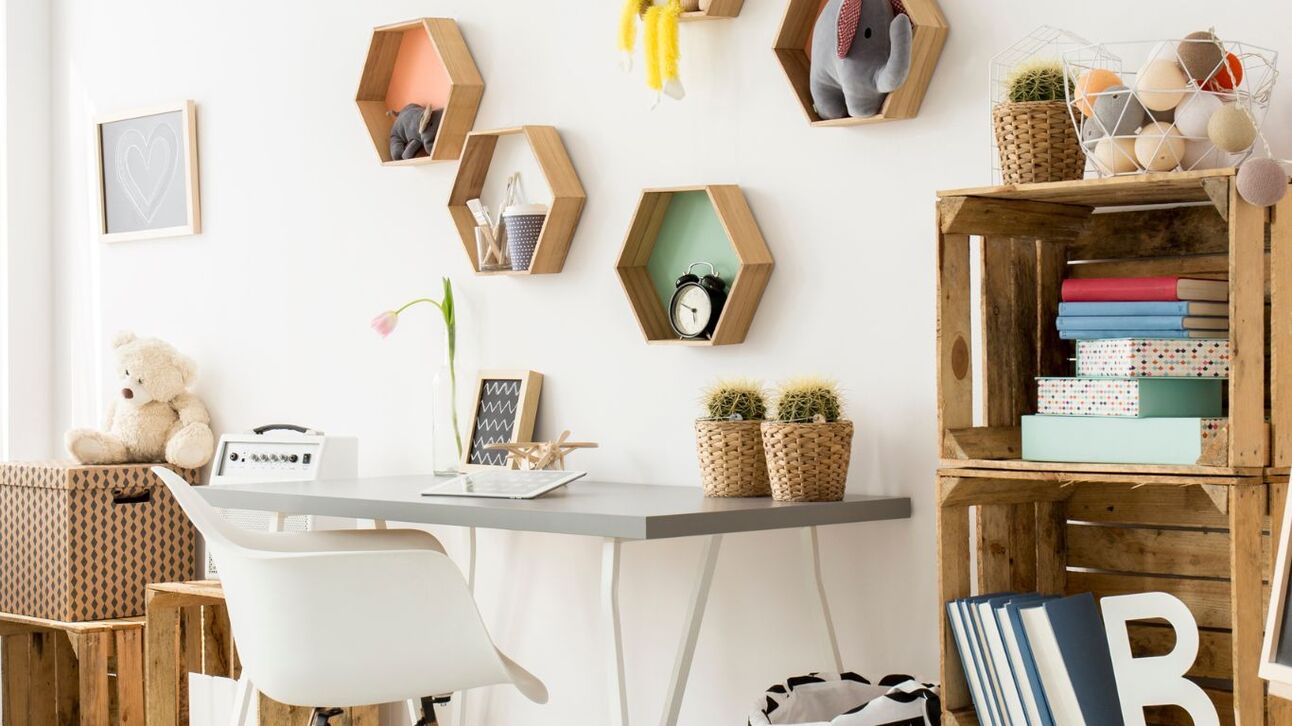
- Shelving and Storage Solutions: Build custom shelves and storage units to organize your space efficiently. Floating shelves, under-stair storage, and built-in cabinets are popular options.
- Garden and Outdoor Projects: Enhance your outdoor space with DIY projects such as building raised garden beds, creating a patio, or constructing a pergola. Outdoor projects can extend your living area and provide a relaxing retreat.
- Lighting Improvements: Update your lighting fixtures to improve the ambiance and functionality of your home. Consider installing dimmer switches, adding under-cabinet lighting, or creating DIY lamps and chandeliers.
- Bathroom and Kitchen Updates: Simple updates like replacing faucets, installing new cabinet hardware, or adding a backsplash can make a big difference in the look and feel of your kitchen or bathroom.
Section 4: Tools and Materials
Having the right tools and materials is essential for successful DIY projects. Here are some basics to get you started:
- Tools: A well-stocked toolkit should include essentials such as a hammer, screwdrivers, pliers, measuring tape, level, utility knife, and power drill. Depending on the project, you may also need specialized tools like a miter saw, sander, or paint sprayer.
- Materials: Common materials for DIY projects include wood, paint, screws, nails, adhesive, and sandpaper. Be sure to choose high-quality materials that are appropriate for the task at hand.
Section 5: Safety Tips
Safety should always be a priority when undertaking DIY projects. Here are some important safety tips to keep in mind:
- Wear Protective Gear: Use safety glasses, gloves, and ear protection when necessary. A dust mask is also recommended when sanding or working with chemicals.
- Follow Instructions: Carefully read and follow the instructions for tools and materials. If you’re unsure about a particular task, seek advice from an experienced DIYer or professional.
- Work in a Well-Ventilated Area: Ensure proper ventilation when using paints, solvents, and other chemicals. This will help to reduce the risk of inhaling harmful fumes.
- Use Ladders Safely: When working at heights, make sure your ladder is stable and positioned on a level surface. Always maintain three points of contact with the ladder.
Conclusion Home improvement and DIY projects offer endless opportunities to enhance your living space and express your creativity. By planning carefully, gathering the right tools and materials, and prioritizing safety, you can tackle projects of any size and complexity. So roll up your sleeves, unleash your inner craftsman, and start transforming your home one project at a time.