Blog

Laughing Matters: The Art and Impact of Humour & Satire

Introduction: Humour and satire have been integral parts of human culture for centuries, providing not only entertainment but also a means to critique society, politics, and human behaviour. These forms of expression tap into our innate need for laughter and reflection, blending wit with wisdom. This article explores the history, techniques, and societal impact of humour and satire.

1. The History of Humour & Satire:

Ancient Roots:

  • The origins of humour and satire can be traced back to ancient civilizations. In Ancient Greece, playwrights like Aristophanes used comedic plays to mock political leaders and societal norms. His works, such as “Lysistrata,” showcased humour’s power to entertain and provoke thought.

Medieval and Renaissance Periods:

  • During the Middle Ages, humour was often found in the form of jesters and troubadours who entertained courts with their wit and storytelling. The Renaissance saw a resurgence of satire, with writers like Geoffrey Chaucer and William Shakespeare using humour to critique human folly and vice.

18th to 19th Centuries:

  • The Age of Enlightenment and the subsequent centuries were golden eras for satirical writing. Jonathan Swift’s “A Modest Proposal” and Voltaire’s “Candide” are seminal works that used satire to address social and political issues of their time. This period also saw the rise of cartoons and caricatures as popular forms of satirical expression.

2. Techniques of Humour & Satire:

Irony:

  • Irony involves saying the opposite of what is meant, often to highlight absurdity or contradictions. It can be verbal, situational, or dramatic. For example, Jonathan Swift’s suggestion of eating babies to solve hunger in “A Modest Proposal” is a classic use of irony to criticize social policies.

Parody:

  • Parody involves imitating the style or content of a particular genre, artist, or work to create humour. It exaggerates or distorts the original to highlight its flaws or to entertain. Movies like “Scary Movie” parody the horror genre by mimicking and mocking its conventions.

Exaggeration and Hyperbole:

  • These techniques involve overstating certain elements to a ridiculous degree to create humour. Exaggeration can make a situation seem more important or dramatic than it is, while hyperbole is an extreme form of exaggeration, such as saying “I’m so hungry I could eat a horse.”

Wit and Wordplay:

  • Clever use of language, puns, and quick-thinking responses are hallmarks of wit. Shakespeare’s comedies, like “Much Ado About Nothing,” are filled with witty exchanges and wordplay that entertain and engage audiences.

Satirical Devices:

  • Satirical devices include sarcasm, parody, irony, and juxtaposition. These tools help satirists highlight the follies and vices of individuals, institutions, or societies. Political cartoons, for example, use visual satire to comment on current events.

3. Modern Forms of Humour & Satire:

Stand-Up Comedy:

  • Stand-up comedians like George Carlin, Richard Pryor, and more recently, John Mulaney, use humour to address a wide range of topics, from everyday life to controversial social issues. Their performances often blend personal anecdotes with sharp observations.

Television and Movies:

  • TV shows like “The Daily Show,” “Saturday Night Live,” and “Veep” use satire to critique politics and society. Movies like “Dr. Strangelove” and “The Great Dictator” use humour to tackle serious themes such as war and totalitarianism.

Online Platforms:

  • Social media and platforms like YouTube have given rise to a new generation of satirists. Meme culture, web comics, and satirical news sites like “The Onion” use digital tools to spread humour and commentary quickly and widely.

Literature and Comics:

  • Authors like Terry Pratchett and Douglas Adams use humour in their novels to explore fantastical worlds and philosophical questions. Comics, both in print and web-based, continue to be a popular medium for satire.

4. The Impact of Humour & Satire:

Social Commentary:

  • Humour and satire serve as powerful tools for social commentary, highlighting injustices, hypocrisy, and the absurdities of human behaviour. They can provoke thought and discussion, making audiences reflect on societal issues.

Political Influence:

  • Satirical works can influence public opinion and political discourse. Shows like “Last Week Tonight with John Oliver” and comedians like Trevor Noah use humour to educate audiences on complex issues, potentially swaying public sentiment.

Emotional and Psychological Benefits:

  • Laughter has numerous benefits, including reducing stress, improving mood, and fostering social bonds. Humour can provide relief from tension and create a sense of community among those who share in the joke.

Cultural and Cross-Cultural Connections:

  • Humour is a universal language that transcends cultural barriers. While what is considered funny can vary across cultures, the fundamental human response to humour helps bridge gaps and fosters understanding.

5. Ethical Considerations:

Boundaries of Humour:

  • While humour can be a powerful tool, it is important to consider its ethical boundaries. Jokes that perpetuate stereotypes, spread misinformation, or harm marginalized groups can be detrimental rather than constructive.

Responsibility of Satirists:

  • Satirists have a responsibility to use their platform wisely. They should strive to punch up, rather than punch down, using humour to challenge those in power rather than target vulnerable populations.

Conclusion:

Humour and satire are essential aspects of human expression, offering a lens through which we can view and critique the world. They entertain, enlighten, and provoke, reminding us not to take life too seriously while urging us to reflect on its complexities. Whether through a clever pun, a biting piece of satire, or a humorous anecdote, humour enriches our lives and connects us in laughter.


Capturing Moments: The Art and Science of Photography

Introduction: Photography, an art form that marries creativity with technology, has revolutionized the way we capture and interpret the world around us. From the early days of daguerreotypes to the digital era, photography has evolved into a powerful medium for storytelling, documentation, and artistic expression.

1. The History of Photography:

Early Beginnings:

  • Photography’s roots can be traced back to the 19th century with the invention of the camera obscura and the first permanent photograph created by Joseph Nicéphore Niépce in 1826. This paved the way for the daguerreotype, introduced by Louis Daguerre in 1839, which became widely popular.

Advancements in Technology:

  • Throughout the 19th and 20th centuries, photography saw numerous technological advancements, including the introduction of roll film by George Eastman, founder of Kodak. The invention of the 35mm film camera by Leica in 1925 and Polaroid instant cameras in the 1940s further democratized photography, making it accessible to a broader audience.

Digital Revolution:

  • The late 20th century brought the digital revolution, with the first digital camera created by Kodak engineer Steven Sasson in 1975. Digital cameras and smartphones have since transformed photography, allowing instant capture, editing, and sharing of images.

2. The Elements of Photography:

Composition:

  • Composition refers to the arrangement of elements within a frame. Techniques like the rule of thirds, leading lines, symmetry, and framing are essential for creating visually appealing photographs.

Lighting:

  • Lighting is crucial in photography, as it affects the mood, tone, and clarity of an image. Natural light, artificial light, and techniques like backlighting and silhouette play a significant role in photography.

Exposure:

  • Exposure determines how light or dark an image will be. It is controlled by three key settings: aperture (f-stop), shutter speed, and ISO. Mastering these settings is fundamental for achieving the desired effect in a photograph.

Focus and Depth of Field:

  • Focus refers to the sharpness of an image, while depth of field is the area of the image that appears in focus. Techniques like selective focus and bokeh (background blur) can add creative elements to a photo.

3. Types of Photography:

Portrait Photography:

  • Focuses on capturing the personality and essence of individuals or groups. Techniques include lighting, posing, and background selection to highlight the subject’s features.

Landscape Photography:

  • Emphasizes natural scenery, often capturing expansive views of mountains, forests, and seascapes. Timing, lighting, and composition are vital for creating stunning landscape photos.

Street Photography:

  • Captures candid moments of everyday life in public places. It often highlights the spontaneity and diversity of urban environments, telling stories through unposed, real-life scenes.

Wildlife Photography:

  • Involves photographing animals in their natural habitats. Patience, timing, and specialized equipment like telephoto lenses are crucial for capturing elusive wildlife moments.

Macro Photography:

  • Focuses on extreme close-ups, often of small subjects like insects, flowers, and textures. Macro lenses and attention to detail are essential for revealing the intricate beauty of the microscopic world.

4. The Impact of Photography:

Historical Documentation:

  • Photography has played a vital role in documenting historical events, from wars and natural disasters to social movements and cultural shifts. Iconic photographs like the “Raising the Flag on Iwo Jima” and the “Tank Man” of Tiananmen Square have left indelible marks on history.

Artistic Expression:

  • Photographers like Ansel Adams, Henri Cartier-Bresson, and Annie Leibovitz have elevated photography to an art form, using their cameras to convey emotion, beauty, and narrative.

Social Change:

  • Photojournalism has the power to raise awareness and inspire action. Images capturing the realities of poverty, conflict, and environmental issues can evoke empathy and drive social change.

5. Modern Photography and Technology:

Digital Cameras:

  • Digital cameras, ranging from DSLRs to mirrorless models, offer advanced features like high-resolution sensors, fast autofocus, and versatile lenses, making them popular among professionals and enthusiasts.

Smartphone Photography:

  • The rise of smartphone photography has democratized the medium, allowing anyone to capture and share high-quality images instantly. Apps and filters provide creative tools to enhance photos.

Drones and Aerial Photography:

  • Drones have opened new vistas in photography, enabling stunning aerial shots of landscapes, cities, and events. They offer unique perspectives and have become valuable tools for photographers and videographers.

Social Media Influence:

  • Platforms like Instagram, Pinterest, and Flickr have transformed photography into a social activity, where sharing and discovering images inspire creativity and connection among users worldwide.

Conclusion:

Photography is more than just capturing images; it’s a means of storytelling, preserving memories, and expressing creativity. As technology continues to evolve, the art of photography will undoubtedly keep pushing boundaries, offering new ways to see and experience the world. Whether you’re an amateur or a professional, photography invites you to explore, experiment, and create.

Thriving in the World of Business & Entrepreneurship

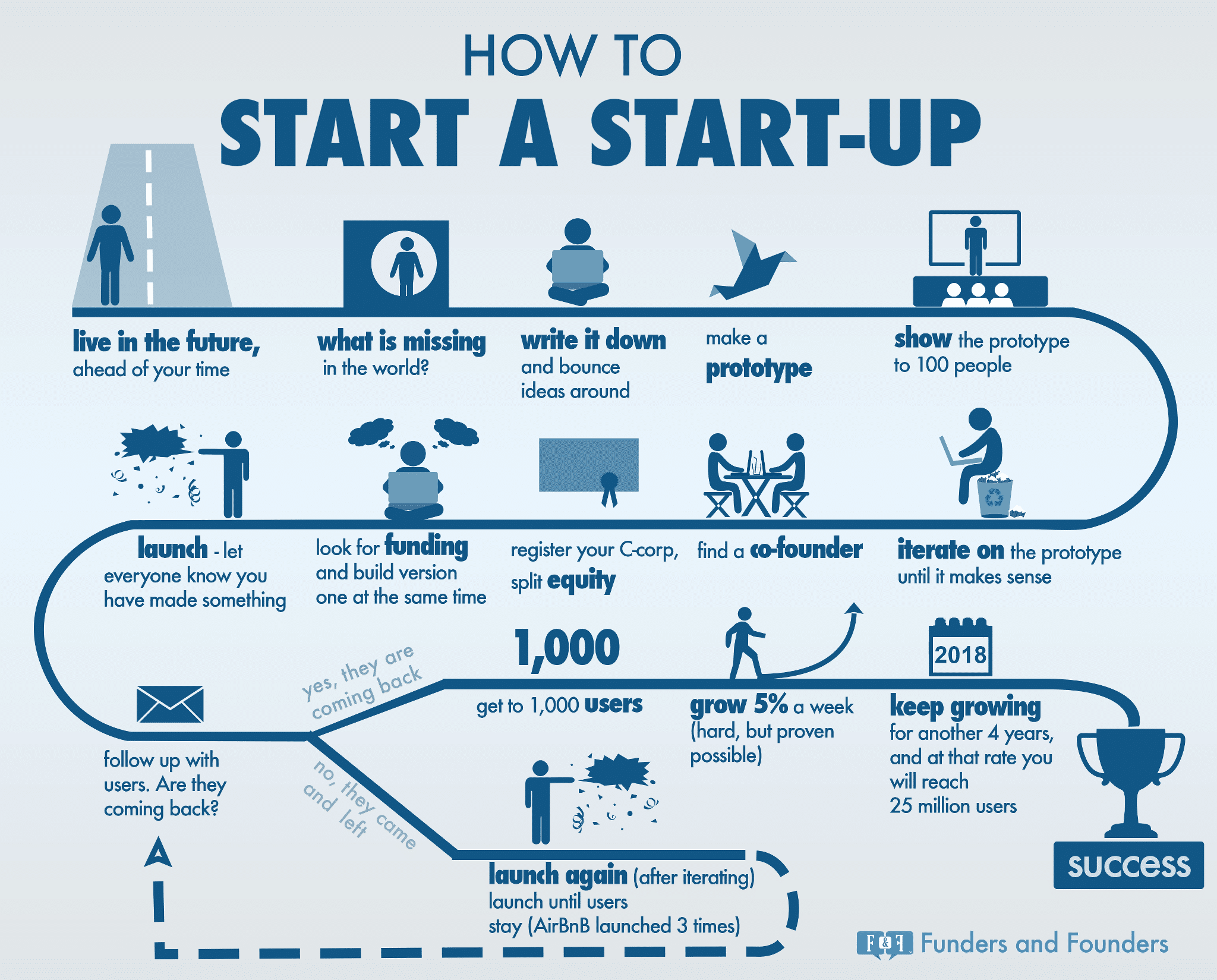
In the dynamic landscape of business and entrepreneurship, innovation and strategy are key to driving success. Whether you’re an aspiring entrepreneur, a seasoned business owner, or simply interested in the intricacies of the business world, understanding the core principles and staying ahead of trends is crucial. This blog delves into the essential aspects of starting and growing a business, exploring trends, challenges, and strategies for thriving in today’s competitive market.

The Essence of Entrepreneurship

Entrepreneurship is the process of creating, developing, and managing a business venture to achieve desired goals and drive economic progress. At its core, entrepreneurship involves identifying opportunities, taking calculated risks, and innovating to bring new ideas to life.

  1. Identifying Opportunities: Successful entrepreneurs are adept at recognizing gaps in the market and identifying opportunities for innovation. This requires a keen understanding of consumer needs, industry trends, and potential solutions.
  2. Risk Management: Entrepreneurship involves taking risks, but successful entrepreneurs manage these risks through careful planning, market research, and financial management. Balancing risk and reward is essential for sustainable growth.
  3. Innovation: Innovation is the lifeblood of entrepreneurship. It involves creating new products, services, or processes that offer unique value to customers. Entrepreneurs must foster a culture of creativity and continuous improvement.
  4. Resilience and Adaptability: The entrepreneurial journey is often fraught with challenges and setbacks. Resilience and adaptability are crucial traits for navigating uncertainty, learning from failures, and pivoting strategies when necessary.

Key Steps to Starting a Business

  1. Idea Generation and Validation:
    • Brainstorming: Generate multiple business ideas based on your interests, skills, and market needs.
    • Market Research: Conduct thorough market research to validate your idea. Assess the demand, competition, and potential customer base.
    • Feedback and Testing: Seek feedback from potential customers, industry experts, and mentors. Develop a minimum viable product (MVP) and test it in the market to gather insights.
  2. Business Planning:
    • Business Model: Define your business model, including revenue streams, cost structure, and value proposition. Consider different models such as subscription, freemium, or direct sales.
    • Business Plan: Create a comprehensive business plan that outlines your business goals, target market, marketing strategy, operational plan, and financial projections. This document serves as a roadmap for your venture and is essential for securing funding.
  3. Legal and Financial Considerations:
    • Business Structure: Choose the appropriate legal structure for your business, such as sole proprietorship, partnership, LLC, or corporation. Each structure has its own legal and tax implications.
    • Licenses and Permits: Obtain the necessary licenses and permits to operate legally. This may include local, state, and federal requirements.
    • Funding: Secure funding for your business through personal savings, loans, grants, or investors. Explore different funding options and choose the one that aligns with your business needs.
  4. Building a Brand:
    • Brand Identity: Develop a strong brand identity that reflects your business values, mission, and vision. This includes creating a memorable logo, choosing a brand color palette, and defining your brand voice.
    • Online Presence: Establish an online presence through a professional website and active social media profiles. Use digital marketing strategies such as SEO, content marketing, and social media advertising to reach your target audience.
    • Customer Engagement: Build relationships with your customers through excellent customer service, loyalty programs, and personalized experiences. Gather feedback and continuously improve your products or services based on customer insights.

Growing and Scaling Your Business

  1. Operational Efficiency:
    • Process Optimization: Streamline your business processes to improve efficiency and reduce costs. Implement automation tools and technologies to enhance productivity.
    • Quality Control: Maintain high standards of quality in your products or services. Implement quality control measures and continuously monitor performance metrics.
  2. Marketing and Sales Strategies:
    • Targeted Marketing: Develop targeted marketing campaigns that reach your ideal customers. Use data analytics to track the effectiveness of your campaigns and make data-driven decisions.
    • Sales Channels: Explore different sales channels, such as e-commerce platforms, retail partnerships, and direct sales. Diversifying your sales channels can help you reach a broader audience and increase revenue.
  3. Financial Management:
    • Budgeting and Forecasting: Create detailed budgets and financial forecasts to manage your business finances effectively. Monitor your cash flow, expenses, and profitability regularly.
    • Investment and Growth: Reinvest profits into your business to fuel growth. Explore opportunities for expansion, such as new product lines, market entry, or strategic partnerships.
  4. Team Building and Leadership:
    • Hiring and Training: Hire skilled employees who align with your business values and culture. Provide ongoing training and development opportunities to enhance their skills and performance.
    • Leadership Development: Cultivate strong leadership skills to inspire and motivate your team. Effective leadership involves clear communication, empathy, and the ability to make strategic decisions.

Trends and Challenges in Modern Entrepreneurship

  1. Digital Transformation: The digital landscape is constantly evolving, and businesses must adapt to new technologies and digital tools to stay competitive. This includes leveraging e-commerce, digital marketing, and data analytics.
  2. Sustainability and Social Responsibility: Consumers increasingly prioritize sustainability and social responsibility. Businesses that adopt environmentally friendly practices and contribute to social causes can build a loyal customer base and enhance their brand reputation.
  3. Remote Work and Virtual Collaboration: The rise of remote work and virtual collaboration tools has transformed the way businesses operate. Entrepreneurs must navigate the challenges of remote team management and ensure effective communication and productivity.
  4. Access to Capital: Securing funding remains a significant challenge for many entrepreneurs, especially startups and small businesses. Innovative funding models, such as crowdfunding and venture capital, provide alternative avenues for raising capital.
  5. Regulatory Compliance: Navigating regulatory requirements and compliance issues can be complex, particularly in industries with strict regulations. Staying informed about legal and regulatory changes is essential for avoiding penalties and maintaining business integrity.

Conclusion

The world of business and entrepreneurship is dynamic and ever-changing, offering endless opportunities for innovation and growth. By understanding the core principles of entrepreneurship, developing a solid business plan, and staying adaptable to market trends and challenges, aspiring entrepreneurs can build successful ventures that make a lasting impact. Embrace the entrepreneurial journey with resilience, creativity, and a commitment to continuous learning, and watch your business thrive in the competitive landscape.

The Comprehensive Guide to Starting a Business: From Idea to Launch

Starting a business is an exciting journey that requires careful planning, strategic thinking, and a lot of hard work. Whether you’re launching a tech start up, opening a retail store, or creating a service-based business, understanding the foundational steps and challenges can significantly enhance your chances of success. This blog provides a comprehensive guide to starting a business, covering everything from idea generation to launching your enterprise.

The Essence of a Business Start-up

At its core, a business start-up involves bringing a new idea to life and creating a value proposition that meets market needs. Successful start-ups are characterized by their ability to innovate, adapt, and grow in a competitive environment.

  1. Idea Generation and Validation:
    • Identify Market Needs: Start by identifying gaps in the market and understanding consumer pain points. Consider your interests, skills, and industry trends to brainstorm potential business ideas.
    • Conduct Market Research: Validate your idea through thorough market research. Analyse your target market, identify your competition, and assess the demand for your product or service.
    • Seek Feedback and Test: Gather feedback from potential customers, industry experts, and mentors. Develop a minimum viable product (MVP) and test it in the market to gather insights and make improvements.
  2. Business Planning:
    • Business Model: Define your business model, including how you will generate revenue, your cost structure, and your value proposition. Consider different models such as subscription, freemium, or direct sales.
    • Business Plan: Create a comprehensive business plan that outlines your business goals, target market, marketing strategy, operational plan, and financial projections. This document serves as a roadmap for your venture and is essential for securing funding.
  3. Legal and Financial Considerations:
    • Choose a Business Structure: Decide on the legal structure of your business, such as sole proprietorship, partnership, LLC, or corporation. Each structure has its own legal and tax implications.
    • Register Your Business: Register your business name and obtain the necessary licenses and permits to operate legally. This may include local, state, and federal requirements.
    • Secure Funding: Explore different funding options to finance your startup, such as personal savings, loans, grants, or investors. Create a detailed funding plan that outlines your financial needs and how you will use the funds.
  4. Building a Brand:
    • Develop a Brand Identity: Create a strong brand identity that reflects your business values, mission, and vision. This includes designing a memorable logo, choosing a brand color palette, and defining your brand voice.
    • Establish an Online Presence: Build a professional website and set up active social media profiles. Use digital marketing strategies such as SEO, content marketing, and social media advertising to reach your target audience.
    • Engage with Customers: Build relationships with your customers through excellent customer service, loyalty programs, and personalized experiences. Gather feedback and continuously improve your products or services based on customer insights.

Launching and Growing Your Business

  1. Operational Efficiency:
    • Optimize Processes: Streamline your business processes to improve efficiency and reduce costs. Implement automation tools and technologies to enhance productivity.
    • Maintain Quality: Ensure high standards of quality in your products or services. Implement quality control measures and continuously monitor performance metrics.
  2. Marketing and Sales Strategies:
    • Targeted Marketing: Develop targeted marketing campaigns that reach your ideal customers. Use data analytics to track the effectiveness of your campaigns and make data-driven decisions.
    • Diversify Sales Channels: Explore different sales channels, such as e-commerce platforms, retail partnerships, and direct sales. Diversifying your sales channels can help you reach a broader audience and increase revenue.
  3. Financial Management:
    • Budgeting and Forecasting: Create detailed budgets and financial forecasts to manage your business finances effectively. Monitor your cash flow, expenses, and profitability regularly.
    • Reinvesting Profits: Reinvest profits into your business to fuel growth. Explore opportunities for expansion, such as new product lines, market entry, or strategic partnerships.
  4. Building a Team:
    • Hiring and Training: Hire skilled employees who align with your business values and culture. Provide ongoing training and development opportunities to enhance their skills and performance.
    • Developing Leadership: Cultivate strong leadership skills to inspire and motivate your team. Effective leadership involves clear communication, empathy, and the ability to make strategic decisions.

Trends and Challenges in Modern Start-ups

  1. Digital Transformation: The digital landscape is constantly evolving, and businesses must adapt to new technologies and digital tools to stay competitive. This includes leveraging e-commerce, digital marketing, and data analytics.
  2. Sustainability and Social Responsibility: Consumers increasingly prioritize sustainability and social responsibility. Businesses that adopt environmentally friendly practices and contribute to social causes can build a loyal customer base and enhance their brand reputation.
  3. Remote Work and Virtual Collaboration: The rise of remote work and virtual collaboration tools has transformed the way businesses operate. Entrepreneurs must navigate the challenges of remote team management and ensure effective communication and productivity.
  4. Access to Capital: Securing funding remains a significant challenge for many startups, especially small businesses. Innovative funding models, such as crowdfunding and venture capital, provide alternative avenues for raising capital.
  5. Regulatory Compliance: Navigating regulatory requirements and compliance issues can be complex, particularly in industries with strict regulations. Staying informed about legal and regulatory changes is essential for avoiding penalties and maintaining business integrity.

Conclusion

Starting a business is a dynamic and rewarding journey that offers endless opportunities for innovation and growth. By understanding the core principles of entrepreneurship, developing a solid business plan, and staying adaptable to market trends and challenges, aspiring entrepreneurs can build successful ventures that make a lasting impact. Embrace the entrepreneurial journey with resilience, creativity, and a commitment to continuous learning, and watch your business thrive in the competitive landscape. Whether you’re just starting out or looking to scale your business, the principles and strategies outlined in this blog will guide you towards achieving your entrepreneurial goals.

The Vibrant World of Maker Culture: A Deep Dive

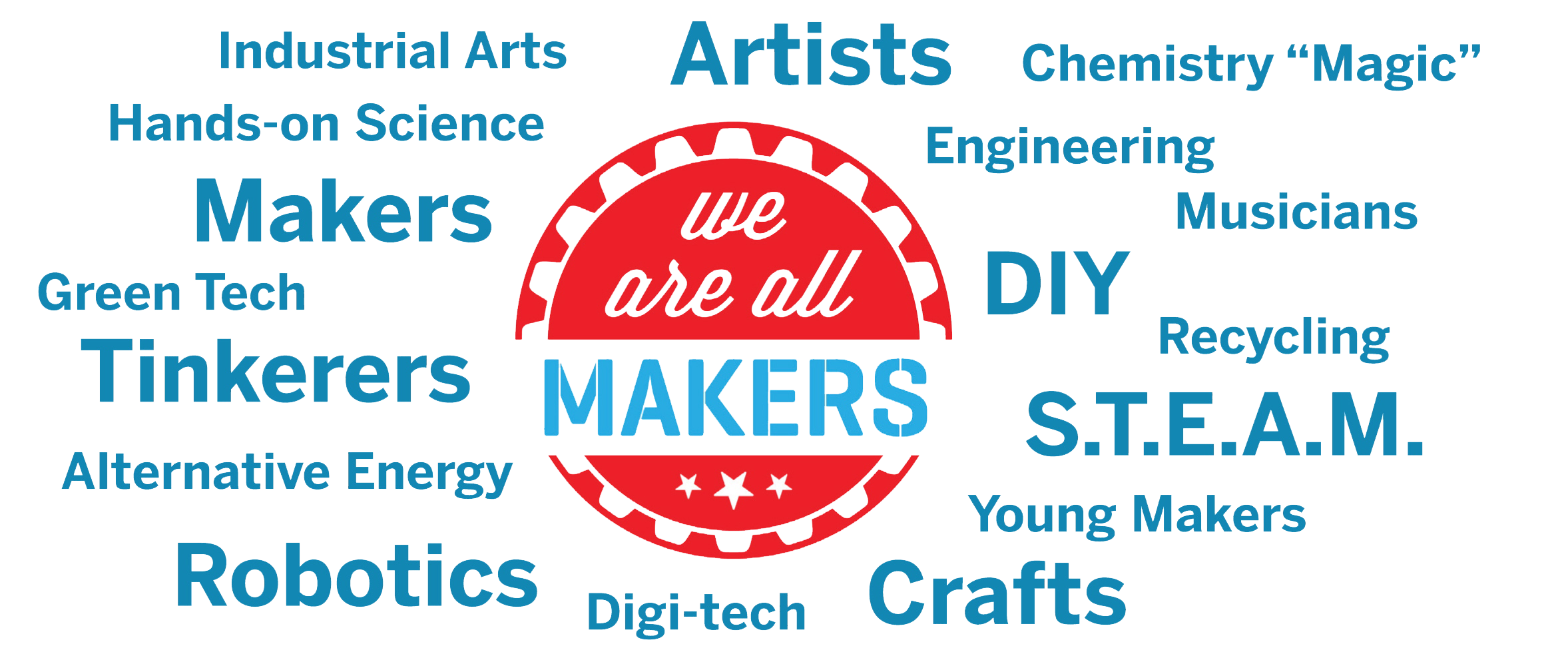
Maker culture is a vibrant, grassroots movement that celebrates creativity, innovation, and the DIY (do-it-yourself) spirit. It spans a wide range of disciplines, from traditional crafts and arts to cutting-edge technology and engineering. This culture promotes the idea that everyone can be a maker, contributing to a community of like-minded individuals who share knowledge, collaborate on projects, and inspire each other. This blog will delve into the essence of maker culture, its origins, key elements, and its impact on society.

The Essence of Maker Culture

Maker culture revolves around the concept of hands-on creation and experimentation. It encourages individuals to tinker, build, and innovate, often using a mix of traditional craftsmanship and modern technology. This culture is characterized by a strong sense of community, collaboration, and open sharing of ideas and resources.

  1. Creativity and Innovation: At its core, maker culture is about unleashing creativity and pushing the boundaries of what is possible. Makers are constantly experimenting with new ideas, techniques, and materials to create unique and innovative products.
  2. DIY Ethos: Maker culture embodies the DIY ethos, encouraging individuals to take on projects themselves rather than relying on mass-produced goods. This philosophy promotes self-reliance, resourcefulness, and a deeper understanding of how things work.
  3. Collaboration and Sharing: The maker community thrives on collaboration and the open exchange of knowledge. Makerspaces, online forums, and events like Maker Faires provide platforms for individuals to share their projects, seek advice, and work together on common goals.
  4. Interdisciplinary Approach: Maker culture bridges the gap between various disciplines, from arts and crafts to science, technology, engineering, and mathematics (STEM). This interdisciplinary approach fosters innovation and allows makers to draw inspiration from diverse fields.

The Origins of Maker Culture

Maker culture has deep historical roots, but it has gained significant momentum in recent years due to technological advancements and a growing interest in DIY projects.

  1. Historical Roots: The spirit of making can be traced back to ancient times when individuals handcrafted tools, clothing, and other essentials. Throughout history, artisans and craftsmen played crucial roles in shaping societies.
  2. The DIY Movement: The modern DIY movement emerged in the mid-20th century, influenced by the counterculture of the 1960s and 1970s. People began to seek alternatives to mass production, embracing self-sufficiency and creative expression through DIY projects.
  3. The Rise of Digital Technology: The advent of digital technology in the late 20th and early 21st centuries revolutionized maker culture. Affordable and accessible tools like 3D printers, laser cutters, and microcontrollers (e.g., Arduino and Raspberry Pi) enabled individuals to create complex projects with relative ease.
  4. Maker Faires and Makerspaces: The first Maker Faire was held in 2006, organized by Make: magazine. This event brought together makers from various backgrounds to showcase their projects and share knowledge. The popularity of Maker Faires and the proliferation of makerspaces—community workshops equipped with tools and resources—have further fueled the growth of maker culture.

Key Elements of Maker Culture

Maker culture encompasses a wide range of activities and disciplines. Here are some key elements that define this dynamic movement:

  1. Craftsmanship and Art: Traditional crafts, such as woodworking, metalworking, pottery, and textiles, are integral to maker culture. Makers often blend these age-old techniques with modern tools and materials to create unique, handcrafted items.
  2. Electronics and Robotics: Many makers are passionate about electronics and robotics, building everything from simple gadgets to complex robots. Microcontrollers like Arduino and platforms like Raspberry Pi have democratized access to electronics, enabling hobbyists and beginners to embark on ambitious projects.
  3. 3D Printing and Fabrication: 3D printing has revolutionized the way makers prototype and manufacture objects. Makers can design digital models and bring them to life using 3D printers, laser cutters, and CNC machines. This technology allows for rapid prototyping, customization, and small-scale production.
  4. Coding and Software Development: Coding is a fundamental skill in maker culture, with makers developing software for their projects, from simple scripts to complex applications. Open-source platforms and collaborative coding environments facilitate the sharing and improvement of code.
  5. Sustainability and Upcycling: Many makers are committed to sustainability, incorporating upcycling and recycling into their projects. They creatively repurpose discarded materials, reducing waste and promoting environmental responsibility.
  6. Education and Outreach: Maker culture has a strong educational component, with makerspaces and events offering workshops, classes, and resources for learners of all ages. This focus on education helps inspire the next generation of makers and fosters a culture of lifelong learning.

Impact of Maker Culture on Society

Maker culture has had a profound impact on various aspects of society, from education and innovation to community building and economic development.

  1. Education and Skill Development: Maker culture promotes hands-on learning and STEM education, equipping individuals with practical skills and encouraging problem-solving and critical thinking. Schools and educational institutions have embraced maker-centered learning, integrating makerspaces and project-based learning into their curricula.
  2. Innovation and Entrepreneurship: Maker culture has become a breeding ground for innovation and entrepreneurship. Many successful startups and products have emerged from maker projects, with makers turning their hobbies into businesses. The iterative nature of making—experimenting, prototyping, and refining—fosters a mindset of continuous improvement and innovation.
  3. Community Building: Makerspaces and maker events create vibrant communities where individuals can connect, collaborate, and share their passions. These communities foster a sense of belonging and support, enabling makers to learn from each other and grow together.
  4. Economic Development: Maker culture contributes to economic development by supporting small-scale manufacturing, local artisans, and startups. Makers often prioritize local production and ethical practices, contributing to sustainable economic growth.
  5. Empowerment and Inclusivity: Maker culture empowers individuals to take control of their creations and become active participants in the production process. It promotes inclusivity by providing access to tools and knowledge, regardless of background or expertise. Initiatives like Women in Making and diversity-focused makerspaces aim to broaden participation and representation in the maker community.

Conclusion

Maker culture is a dynamic and transformative movement that celebrates creativity, innovation, and the DIY spirit. By fostering a culture of collaboration, interdisciplinary exploration, and hands-on learning, maker culture has the power to drive innovation, build communities, and inspire individuals to take control of their creations. Whether you’re a seasoned maker or a curious beginner, the world of maker culture offers endless opportunities to learn, create, and connect. Embrace the spirit of making and discover the joy of bringing your ideas to life.

Embracing Entrepreneurship: A Comprehensive Guide to Starting and Growing Your Business

Embracing Entrepreneurship: A Comprehensive Guide to Starting and Growing Your Business

Entrepreneurship is more than just starting a business; it’s about innovation, risk-taking, and creating value. Whether you’re an aspiring entrepreneur or an established business owner, understanding the nuances of entrepreneurship can significantly enhance your chances of success. This blog will delve into the essential aspects of entrepreneurship, exploring the journey from idea generation to business growth, while addressing the challenges and providing strategies for thriving in today’s competitive market.

The Essence of Entrepreneurship

At its core, entrepreneurship involves identifying opportunities, taking calculated risks, and innovating to create new products, services, or processes. Successful entrepreneurs are characterized by their ability to recognize market needs, develop creative solutions, and adapt to changing environments.

  1. Identifying Opportunities: Entrepreneurs are skilled at spotting gaps in the market and identifying unmet needs. This requires a keen understanding of consumer behavior, industry trends, and potential solutions.
  2. Risk Management: Entrepreneurship inherently involves risk, but successful entrepreneurs manage these risks through careful planning, market research, and financial management. Balancing risk and reward is crucial for sustainable growth.
  3. Innovation: Innovation is the driving force behind entrepreneurship. It involves creating new value propositions and differentiating from competitors. Entrepreneurs must foster a culture of creativity and continuous improvement.
  4. Resilience and Adaptability: The entrepreneurial journey is often fraught with challenges and setbacks. Resilience and adaptability are crucial traits for navigating uncertainty, learning from failures, and pivoting strategies when necessary.

Key Steps to Starting a Business

  1. Idea Generation and Validation:
    • Brainstorming: Generate multiple business ideas based on your interests, skills, and market needs.
    • Market Research: Conduct thorough market research to validate your idea. Assess the demand, competition, and potential customer base.
    • Feedback and Testing: Seek feedback from potential customers, industry experts, and mentors. Develop a minimum viable product (MVP) and test it in the market to gather insights.
  2. Business Planning:
    • Business Model: Define your business model, including revenue streams, cost structure, and value proposition. Consider different models such as subscription, freemium, or direct sales.
    • Business Plan: Create a comprehensive business plan that outlines your business goals, target market, marketing strategy, operational plan, and financial projections. This document serves as a roadmap for your venture and is essential for securing funding.
  3. Legal and Financial Considerations:
    • Business Structure: Choose the appropriate legal structure for your business, such as sole proprietorship, partnership, LLC, or corporation. Each structure has its own legal and tax implications.
    • Licenses and Permits: Obtain the necessary licenses and permits to operate legally. This may include local, state, and federal requirements.
    • Funding: Secure funding for your business through personal savings, loans, grants, or investors. Explore different funding options and choose the one that aligns with your business needs.
  4. Building a Brand:
    • Brand Identity: Develop a strong brand identity that reflects your business values, mission, and vision. This includes creating a memorable logo, choosing a brand color palette, and defining your brand voice.
    • Online Presence: Establish an online presence through a professional website and active social media profiles. Use digital marketing strategies such as SEO, content marketing, and social media advertising to reach your target audience.
    • Customer Engagement: Build relationships with your customers through excellent customer service, loyalty programs, and personalized experiences. Gather feedback and continuously improve your products or services based on customer insights.

Growing and Scaling Your Business

  1. Operational Efficiency:
    • Process Optimization: Streamline your business processes to improve efficiency and reduce costs. Implement automation tools and technologies to enhance productivity.
    • Quality Control: Maintain high standards of quality in your products or services. Implement quality control measures and continuously monitor performance metrics.
  2. Marketing and Sales Strategies:
    • Targeted Marketing: Develop targeted marketing campaigns that reach your ideal customers. Use data analytics to track the effectiveness of your campaigns and make data-driven decisions.
    • Sales Channels: Explore different sales channels, such as e-commerce platforms, retail partnerships, and direct sales. Diversifying your sales channels can help you reach a broader audience and increase revenue.
  3. Financial Management:
    • Budgeting and Forecasting: Create detailed budgets and financial forecasts to manage your business finances effectively. Monitor your cash flow, expenses, and profitability regularly.
    • Investment and Growth: Reinvest profits into your business to fuel growth. Explore opportunities for expansion, such as new product lines, market entry, or strategic partnerships.
  4. Team Building and Leadership:
    • Hiring and Training: Hire skilled employees who align with your business values and culture. Provide ongoing training and development opportunities to enhance their skills and performance.
    • Leadership Development: Cultivate strong leadership skills to inspire and motivate your team. Effective leadership involves clear communication, empathy, and the ability to make strategic decisions.

Trends and Challenges in Modern Entrepreneurship

  1. Digital Transformation: The digital landscape is constantly evolving, and businesses must adapt to new technologies and digital tools to stay competitive. This includes leveraging e-commerce, digital marketing, and data analytics.
  2. Sustainability and Social Responsibility: Consumers increasingly prioritize sustainability and social responsibility. Businesses that adopt environmentally friendly practices and contribute to social causes can build a loyal customer base and enhance their brand reputation.
  3. Remote Work and Virtual Collaboration: The rise of remote work and virtual collaboration tools has transformed the way businesses operate. Entrepreneurs must navigate the challenges of remote team management and ensure effective communication and productivity.
  4. Access to Capital: Securing funding remains a significant challenge for many entrepreneurs, especially startups and small businesses. Innovative funding models, such as crowdfunding and venture capital, provide alternative avenues for raising capital.
  5. Regulatory Compliance: Navigating regulatory requirements and compliance issues can be complex, particularly in industries with strict regulations. Staying informed about legal and regulatory changes is essential for avoiding penalties and maintaining business integrity.

Conclusion

Entrepreneurship is a dynamic and rewarding journey that offers endless opportunities for innovation and growth. By understanding the core principles of entrepreneurship, developing a solid business plan, and staying adaptable to market trends and challenges, aspiring entrepreneurs can build successful ventures that make a lasting impact. Embrace the entrepreneurial journey with resilience, creativity, and a commitment to continuous learning, and watch your business thrive in the competitive landscape. Whether you’re just starting out or looking to scale your business, the principles and strategies outlined in this blog will guide you towards achieving your entrepreneurial goals.

Dance & Movement: Expressions of the Soul

Introduction: Dance and movement are fundamental expressions of human emotion, culture, and creativity. From the rhythmic beats of ancient tribal dances to the contemporary flair of modern choreography, dance has the power to convey stories, evoke emotions, and bring people together. This blog explores the diverse world of dance, its historical significance, various styles, and its impact on physical and mental well-being.

1. The History of Dance:

Ancient Roots:

  • Dance has been a part of human culture since prehistoric times. Early humans used dance as a form of ritual, communication, and celebration. Cave paintings and ancient texts depict dances performed for gods, hunting rituals, and communal gatherings.

Classical Periods:

  • The classical civilizations of Greece, Rome, and India developed sophisticated dance forms. Greek and Roman dances often accompanied theatrical performances, while Indian classical dance forms like Bharatanatyam and Kathak were integral to religious and cultural ceremonies.

Renaissance to Baroque:

  • The Renaissance era in Europe saw the birth of ballet in the courts of Italy and France. Ballet evolved into a highly stylized and technical form, with the establishment of the Paris Opera Ballet in the 17th century. The Baroque period brought elaborate and ornamental dances that mirrored the grandeur of the time.

2. Types of Dance:

Classical Dance:

  • Ballet: Originating in the Renaissance courts, ballet is characterized by its precision, grace, and technique. Iconic ballets like “Swan Lake” and “The Nutcracker” showcase the art’s beauty and complexity.
  • Indian Classical Dance: Forms like Bharatanatyam, Kathak, Odissi, and Kuchipudi are rich in storytelling, intricate movements, and elaborate costumes. Each form has a unique history and cultural significance.

Contemporary Dance:

  • Modern Dance: Emerging in the early 20th century as a rebellion against classical ballet, modern dance emphasizes natural movement and emotional expression. Pioneers like Martha Graham and Isadora Duncan transformed the dance landscape.
  • Jazz Dance: Rooted in African American culture, jazz dance is energetic, rhythmic, and improvisational. It has evolved with influences from tap, ballet, and street dance.

Cultural and Folk Dances:

  • African Dance: Known for its powerful rhythms and dynamic movements, African dance is integral to community and ritualistic events.
  • Latin Dance: Styles like salsa, tango, and flamenco are known for their passion and intricate footwork. They often celebrate cultural heritage and social connection.
  • Asian Folk Dances: From the vibrant Lion Dance of China to the graceful Fan Dance of Korea, Asian folk dances are rich in tradition and cultural symbolism.

Social and Street Dances:

  • Hip-Hop and Breakdance: Originating in the streets of New York in the 1970s, hip-hop and breakdance are expressive, athletic, and often improvisational forms. They have become global phenomena, influencing music and fashion.
  • Ballroom Dance: Waltz, foxtrot, and tango are just a few of the elegant and formal styles in ballroom dance. These dances are often performed in pairs and highlight harmony and coordination.

3. The Science of Movement:

Physical Benefits:

  • Dance is an excellent form of exercise, promoting cardiovascular health, flexibility, strength, and endurance. It engages multiple muscle groups and can improve balance and coordination.

Mental and Emotional Well-being:

  • Dance has therapeutic benefits, including reducing stress, anxiety, and depression. The rhythmic and repetitive movements can have meditative effects, while the social aspect fosters connection and community.

Cognitive Benefits:

  • Learning and memorizing dance routines can enhance cognitive functions such as memory, spatial awareness, and problem-solving skills. Dance also stimulates creativity and self-expression.

4. Dance as a Cultural and Social Connector:

Cultural Identity:

  • Dance is a powerful medium for expressing cultural identity and preserving heritage. Traditional dances are often passed down through generations, serving as living links to history and ancestry.

Social Interaction:

  • Dance brings people together, whether in social dances, dance clubs, or community performances. It transcends language barriers and fosters a sense of belonging and unity.

Global Influence:

  • The global exchange of dance styles has led to fascinating fusions and innovations. Social media platforms and international dance competitions have made it easier to share and discover diverse dance forms from around the world.

5. Dance in Modern Media:

Film and Television:

  • Dance has a significant presence in film and television, from classic musicals like “Singin’ in the Rain” to contemporary dance shows like “So You Think You Can Dance.” These mediums bring dance to a wider audience and celebrate its artistic merit.

Virtual and Digital Platforms:

  • Online classes, virtual performances, and dance challenges on social media have expanded the reach of dance. Dancers can connect, learn, and collaborate across continents, breaking down geographical barriers.

Conclusion:

Dance is a universal language that speaks to the heart and soul. It is a celebration of life, a form of expression, and a source of joy and connection. Whether through a graceful ballet performance, an energetic hip-hop routine, or a traditional folk dance, movement has the power to inspire, heal, and unite us.

Казино Vavada обзор игр и бонусов для игроков


Казино Vavada обзор игр и бонусных предложений


Казино Vavada обзор игр и бонусов для игроков

Если хотите погрузиться в интересный мир азарта, начните с платформы, которая предлагает множество развлечений и выгодные условия. На сайте vavada официальный вход вас ждут разнообразные слоты, настольные игры и живое казино, где можно испытать удачу в реальном времени.

Игр здесь достаточно – от классических одноруких бандитов до современных видео-слотов с увлекательной графикой и интерактивными функциями. Попробуйте разные варианты, чтобы найти что-то по душе. Кроме того, обратите внимание на акции для новых и существующих игроков, которые могут значительно увеличить ваши шансы на выигрыш.

Не упускайте возможность воспользоваться временными предложениями и турнирными акциями. Они могут стать отличным поводом для небольшого отдыха от повседневной рутины. Следите за обновлениями – в том числе за программами лояльности, которые предоставляют дополнительные преимущества и бонусы. Вовлекайтесь в захватывающий процесс и откройте для себя мир азартных игр без лишних хлопот.

Разнообразие игровых автоматов и их особенности в Vavada

Каждый автомат имеет свои уникальные функции: фриспины, дикие символы и множители делают игровой процесс более захватывающим. Игроки могут выбирать слоты как с простыми механиками, так и со сложными комбинациями. Очень полезно ознакомиться с таблицей выплат перед началом игры, чтобы понять, на какие символы стоит ориентироваться. Не упустите возможность протестировать демо-версии, если хотите отточить свои навыки или просто развлечься без риска потерять деньги.

Бонусы и промоакции: как максимизировать выигрыши в казино Vavada

Чтобы извлечь максимум из предлагаемых акций, стоит ориентироваться на использование приветственных вознаграждений. Они часто включают не только увеличение стартового капитала, но и бесплатные игры. Это отличная возможность протестировать разные автоматы без риска для своего бюджета.

Регулярно проверяйте раздел с акциями на сайте. Новые предложения могут появляться каждый день, и пропустив их, вы рискуете упустить шанс на выгодные условия. Например, временные акции могут вознаградить вас за активные ставки или за участие в турнирах.

  • Пользуйтесь программами лояльности. Чем больше вы играете, тем больше у вас шансов на получение дополнительных поощрений.
  • Следите за акциями на днях рождения и праздниках. Часто предлагают специальные условия для постоянных клиентов.

Приступая к играм, обращайте внимание на условия отыгрыша. Каждый подарок может иметь свои требования к ставкам, поэтому важно понимать, как и когда их можно использовать. Ищите предложения с нижними лимитами, чтобы не терять шансы на выигрыш.

  1. Выбирайте игры с высокой отдачей. Следите за процентами возврата, чтобы увеличить свои шансы на успех.
  2. Планируйте время игры. Разумный подход к ставкам поможет вам дольше оставаться в игре и использовать акции с максимальной выгодой.

Не забывайте про возможность получения вознаграждений за рефералов. Рекомендуя площадку друзьям, вы можете зарабатывать дополнительные средства, которые можно использовать для игры.

Пользовательский опыт и поддержка клиентов: что ожидать от Vavada

Стоит отметить, что платформа обеспечивает интуитивно понятный интерфейс. Пользователи могут легко ориентироваться в меню, а разделы спроектированы таким образом, чтобы все необходимые функции были под рукой. Это позволяет сосредоточиться на развлечениях, не теряя времени на поиски.

Техническая поддержка доступна 24/7 через разные каналы связи. Чат с операторами отвечает быстро, а email-рассылки не занимают много времени. Период ожидания ответа на стандартные вопросы составляет не более десяти минут, что приятно радует в условиях современности.

Услуги службы поддержки представлены несколькими языками, что делает общение более комфортным для всех пользователей. Такой подход способствует построению доверительных отношений и облегчает решение возникающих вопросов.

Также присутствует раздел с часто задаваемыми вопросами. Там собраны ответы на самые распространенные запросы, касающиеся регистрации, проведения транзакций и других моментов. Это позволяет сэкономить время на поиск информации.

Мобильная версия платформы также адаптирована под пользователей. Оптимизированный интерфейс позволяет наслаждаться функциями с телефона без снижения качества. Бонусы и акции доступны прямо на ходу, не отвлекая от увлекательного процесса.

Важным аспектом является безопасность персональных данных и транзакций. Защита информации достойна внимания и вызывает доверие у пользователей. Это позволяет сосредоточиться на игровом процессе, не беспокоясь о возможных утечках данных.

В целом, опыт работы с данной платформой впечатляет. Сочетание удобного интерфейса, отзывчивой поддержки и высокого уровня безопасности создает позитивное впечатление, позволяя пользователям чувствовать себя комфортно и уверенно.


Быстрый доступ к зеркалу Vavada для вашего удовольствия


Быстрый доступ к зеркалу Vavada для вашего удовольствия


Быстрый доступ к зеркалу Vavada для вашего удовольствия

Откройте для себя удобный вариант быстрого подключения к онлайн-развлечениям с vavada казино. Потрясающий ассортимент игр и возможность мгновенно погрузиться в атмосферу азартных развлечений – всё это ждет вас в одном клике. Не упустите шанс испытать удачу и насладиться качественным игровым процессом, выбирая лучшие предложения прямо сейчас!

Как быстро найти зеркало Vavada без лишних затрат

Обратитесь к официальному сайту компании. Там можно найти актуальные ссылки на нужные ресурсы. Часто такие веб-страницы публикуют обновления о доступности. Это поможет избежать ошибок и недоразумений.

Проверьте специализированные форумы и сообщества. Пользователи часто делятся проверенными ссылками и адресами. Обратитесь к обсуждениям, где уже есть опыт использования и рекомендации от других клиентов.

Установите уведомления на своем мобильном устройстве. Это упростит получение новых данных о работе платформы и других доступных вариантах. Бывают случаи, когда информация о временных адресах публикуется в режиме реального времени.

Следите за аккаунтами в социальных сетях. Часто компании используют свои страницы для размещения актуальных ссылок. Это позволяет быть в курсе последних обновлений и проверенной информации от самой организации.

Используйте ресурсы по проверке ссылок. Есть сайты, которые предлагают собрать достоверные адреса для входа в системы. Таким образом вы сможете найти рабочие варианты без риска нарваться на сомнительные платформы.

Обратитесь к друзьям или знакомым, которые уже использовали сайт. Они могут рассказать о своем опыте и предоставить проверенные источники. Личный опыт всегда надежнее, чем информация из интернета.

Рекомендуется регулярно проверять данные, так как они могут меняться. Убедитесь, что используете актуальные ссылки и источники. Это значительно сэкономит ваше время и средства.

Удобные методы доступа к зеркалу Vavada с телефона и ПК

Для осуществления подключения к платформе стоит воспользоваться мобильным приложением. Это решение гарантирует стабильное соединение и адаптированный интерфейс для небольшого экрана. Установите приложение через официальный магазин, следуя простым инструкциям. После инсталляции будет необходимо выполнить авторизацию, используя свои учетные данные.

  • Открытый доступ через мобильные браузеры, такие как Chrome или Firefox. Введите актуальный адрес в строку поиска.
  • Специальные сайты, предлагающие альтернативные ссылки. Найдите информацию о надежных ресурсах в тематических форумах.

При использовании ПК рекомендуется сохранить страницу в закладки для ускоренного входа. Вам достаточно всего один раз ввести адрес, чтобы быстро возвращаться к платформе.

  1. Обновленный браузер, который поддерживает современные веб-технологии.
  2. Проверка наличия обновлений и безопасность вашего устройства – важные моменты для стабильного функционирования.

Для закрепления вашего доступа создайте ярлык на рабочем столе. Просто перетащите иконку сайта на рабочую область, чтобы в одно касание открывать платформу.

Используйте дополнительные расширения для браузера для упрощения процесса. Решения для автоматического заполнения логина и пароля значительно ускорят вход в систему.

Не забудьте про возможность подключения через VPN. Это обеспечит защиту и доступ в регионах с ограничениями. Выберите надежное приложение, чтобы минимизировать риски.

Советы по безопасному использованию зеркала Vavada для приятных моментов

Определите лимиты. Установите для себя четкие рамки, касающиеся времени и суммы, которую планируете потратить. Это поможет избежать чрезмерных затрат и эмоционального напряжения.

Изучите правила. Ознакомьтесь с условиями платформы. Понимание правил позволит избежать неприятных ситуаций и возможных недоразумений с администрацией.

Используйте только проверенные источники. При выборе веб-ресурсов обращайте внимание на наличие лицензий и отзывов пользователей. Это повысит уровень безопасности и надежности ваших действий.

Заботьтесь о конфиденциальности. Не делитесь личными данными, такими как пароли или финансовая информация. Безопасность ваших данных должна быть на первом месте.

Разумный подход к азарту. Играйте ради удовольствия, а не ради победы. Оцените, когда стоит остановиться, чтобы избежать негативных последствий.

Следите за самочувствием. Если вы чувствуете усталость или раздражение, сделайте перерыв. Здоровье в приоритете; игнорирование сигналов тела может привести к проблемам.

Общайтесь с другими. Делитесь своим опытом с друзьями или на форумах. Общение поможет создать поддержку и позволит получить ценную информацию от тех, кто имеет подобный опыт.


Вавада казино официальный сайт вход


Вавада казино официальный сайт быстрый вход и выигрыши


Вавада казино официальный сайт вход

Добро пожаловать в Вавада Казино! Мы предлагаем вам незабываемый опыт азартных игр на нашем официальном сайте. С быстрым входом и интуитивно понятным интерфейсом, вы сможете сразу погрузиться в мир увлекательных развлечений и высоких выигрышей.

На нашем портале вы найдете широкий выбор игр: слоты, рулетка, карточные игры и live-казино с живыми дилерами. Каждый найдет что-то по своему вкусу!

Присоединяйтесь к Вавада Казино сегодня и откройте для себя мир, где каждый ваш спин может стать выигрышным!

Как быстро зарегистрироваться на сайте Вавада казино

1. Перейдите на официальный сайт Вавада казино. Для этого вы можете использовать вавада рабочее зеркало на сегодня, если основной сайт недоступен.

2. Найдите кнопку “Регистрация”, которая обычно расположена в верхней части страницы. Кликните на нее, чтобы открыть форму для создания аккаунта.

3. Заполните все необходимые поля. Вам потребуется указать свои данные, такие как имя, электронная почта и пароль. Убедитесь, что все введенные данные верны, чтобы избежать проблем с дальнейшими действиями.

4. После заполнения формы нажмите кнопку “Зарегистрироваться”. Вы можете также получить предложение подписаться на новости и акции казино – это не обязательно, но может быть полезно.

5. На указанный вами адрес электронной почты придет письмо с подтверждением регистрации. Откройте его и следуйте инструкциям для активации аккаунта.

После успешной активации вы можете войти на сайт с использованием своих логина и пароля. После регистрации рекомендую ознакомиться с бонусами и акциями, которые предлагает Вавада казино, чтобы максимально эффективно использовать свой первый депозит.

Для пополнения счета игроки могут использовать следующие методы:

  • Банковские карты: Visa и MasterCard – самые распространенные способы для моментального внесения средств. Процесс легкий и быстрый.
  • Электронные кошельки: Qiwi, Yandex.Money и WebMoney обеспечивают удобное пополнение с минимальными комиссиями.
  • Криптовалюты: Поддержка Bitcoin и других валют позволяет быстро и анонимно пополнить баланс.
  • Мобильные платежи: Системы, такие как МТС, Билайн и другие, обеспечивают быструю и простую оплату.

Лучшие стратегии для увеличения выигрышей в Вавада казино

Грамотный подход к игре в казино может существенно повысить ваши шансы на выигрыш. Для начала следует изучить правила выбранной игры. Это позволит избежать невольных ошибок и сделать правильные ставки.

Одна из популярных стратегий – система Мартингейла. Суть заключается в том, чтобы удваивать ставку после каждого проигрыша. Таким образом, выигрыш может компенсировать предыдущие потери. Однако необходимо учитывать банкролл, чтобы не остаться без средств при длительной серии неудач.

Еще одна стратегия – ставка на равные шансы. В таких играх, как рулетка, можно делать ставки на красное или черное, четное или нечетное. Это способствует более высокой вероятности выигрыша, хотя и не обещает больших выплат.

Не менее важным аспектом является управление банкроллом. Установите лимит на сумму, которую готовы потратить за сеанс игры. Это позволит избежать чрезмерных трат и сохранит интерес к игре в долгосрочной перспективе.

Также стоит обратить внимание на бонусы и акции, предлагаемые Вавада казино. Часто казино предоставляет дополнительные средства или бесплатные spins, что дает возможность увеличить свои шансы без дополнительных вложений.