
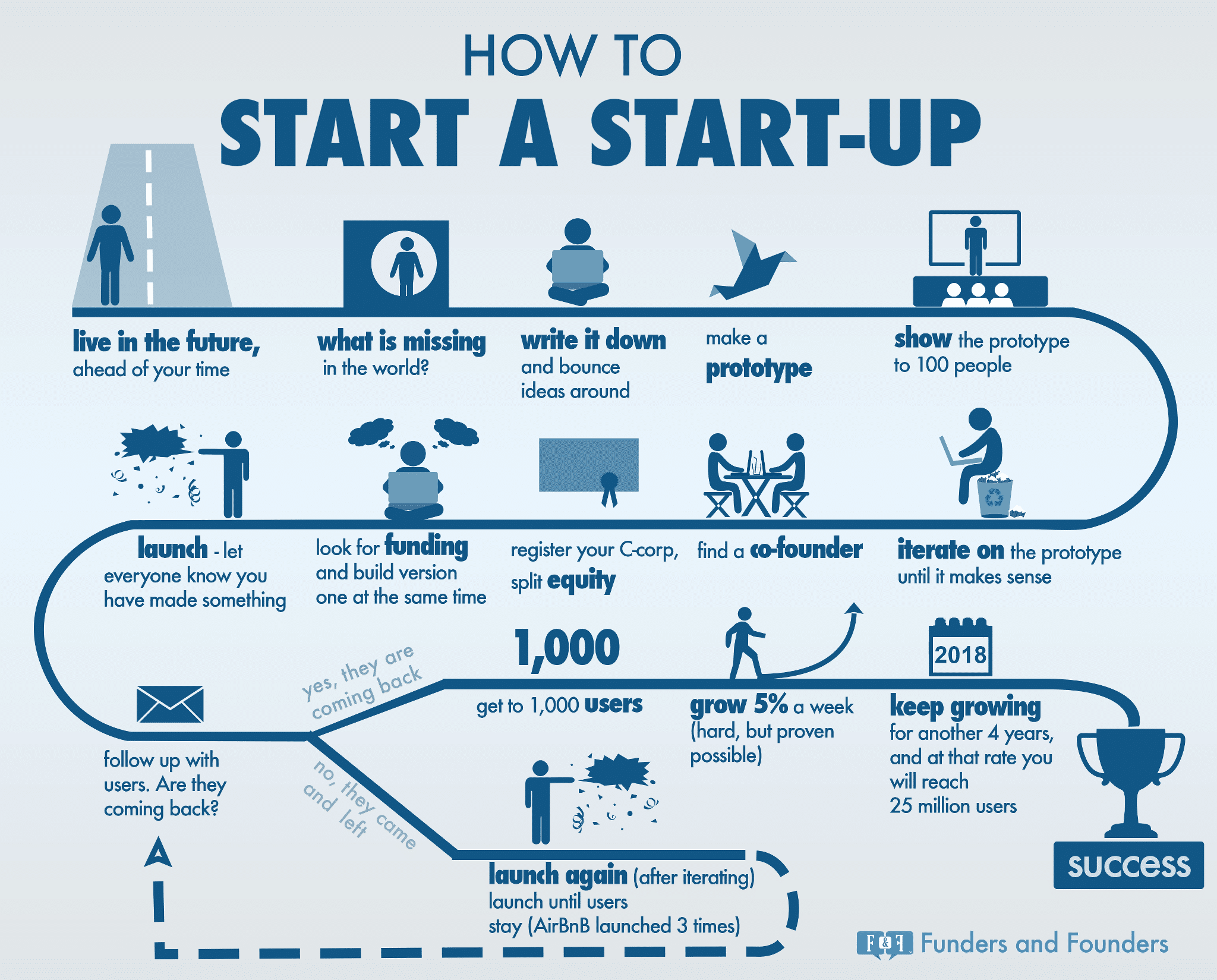
Starting a business is an exciting journey that requires careful planning, strategic thinking, and a lot of hard work. Whether you’re launching a tech start up, opening a retail store, or creating a service-based business, understanding the foundational steps and challenges can significantly enhance your chances of success. This blog provides a comprehensive guide to starting a business, covering everything from idea generation to launching your enterprise.
The Essence of a Business Start-up
At its core, a business start-up involves bringing a new idea to life and creating a value proposition that meets market needs. Successful start-ups are characterized by their ability to innovate, adapt, and grow in a competitive environment.
- Idea Generation and Validation:
- Identify Market Needs: Start by identifying gaps in the market and understanding consumer pain points. Consider your interests, skills, and industry trends to brainstorm potential business ideas.
- Conduct Market Research: Validate your idea through thorough market research. Analyse your target market, identify your competition, and assess the demand for your product or service.
- Seek Feedback and Test: Gather feedback from potential customers, industry experts, and mentors. Develop a minimum viable product (MVP) and test it in the market to gather insights and make improvements.
- Business Planning:
- Business Model: Define your business model, including how you will generate revenue, your cost structure, and your value proposition. Consider different models such as subscription, freemium, or direct sales.
- Business Plan: Create a comprehensive business plan that outlines your business goals, target market, marketing strategy, operational plan, and financial projections. This document serves as a roadmap for your venture and is essential for securing funding.
- Legal and Financial Considerations:
- Choose a Business Structure: Decide on the legal structure of your business, such as sole proprietorship, partnership, LLC, or corporation. Each structure has its own legal and tax implications.
- Register Your Business: Register your business name and obtain the necessary licenses and permits to operate legally. This may include local, state, and federal requirements.
- Secure Funding: Explore different funding options to finance your startup, such as personal savings, loans, grants, or investors. Create a detailed funding plan that outlines your financial needs and how you will use the funds.
- Building a Brand:
- Develop a Brand Identity: Create a strong brand identity that reflects your business values, mission, and vision. This includes designing a memorable logo, choosing a brand color palette, and defining your brand voice.
- Establish an Online Presence: Build a professional website and set up active social media profiles. Use digital marketing strategies such as SEO, content marketing, and social media advertising to reach your target audience.
- Engage with Customers: Build relationships with your customers through excellent customer service, loyalty programs, and personalized experiences. Gather feedback and continuously improve your products or services based on customer insights.
Launching and Growing Your Business
- Operational Efficiency:
- Optimize Processes: Streamline your business processes to improve efficiency and reduce costs. Implement automation tools and technologies to enhance productivity.
- Maintain Quality: Ensure high standards of quality in your products or services. Implement quality control measures and continuously monitor performance metrics.
- Marketing and Sales Strategies:
- Targeted Marketing: Develop targeted marketing campaigns that reach your ideal customers. Use data analytics to track the effectiveness of your campaigns and make data-driven decisions.
- Diversify Sales Channels: Explore different sales channels, such as e-commerce platforms, retail partnerships, and direct sales. Diversifying your sales channels can help you reach a broader audience and increase revenue.
- Financial Management:
- Budgeting and Forecasting: Create detailed budgets and financial forecasts to manage your business finances effectively. Monitor your cash flow, expenses, and profitability regularly.
- Reinvesting Profits: Reinvest profits into your business to fuel growth. Explore opportunities for expansion, such as new product lines, market entry, or strategic partnerships.
- Building a Team:
- Hiring and Training: Hire skilled employees who align with your business values and culture. Provide ongoing training and development opportunities to enhance their skills and performance.
- Developing Leadership: Cultivate strong leadership skills to inspire and motivate your team. Effective leadership involves clear communication, empathy, and the ability to make strategic decisions.
Trends and Challenges in Modern Start-ups
- Digital Transformation: The digital landscape is constantly evolving, and businesses must adapt to new technologies and digital tools to stay competitive. This includes leveraging e-commerce, digital marketing, and data analytics.
- Sustainability and Social Responsibility: Consumers increasingly prioritize sustainability and social responsibility. Businesses that adopt environmentally friendly practices and contribute to social causes can build a loyal customer base and enhance their brand reputation.
- Remote Work and Virtual Collaboration: The rise of remote work and virtual collaboration tools has transformed the way businesses operate. Entrepreneurs must navigate the challenges of remote team management and ensure effective communication and productivity.
- Access to Capital: Securing funding remains a significant challenge for many startups, especially small businesses. Innovative funding models, such as crowdfunding and venture capital, provide alternative avenues for raising capital.
- Regulatory Compliance: Navigating regulatory requirements and compliance issues can be complex, particularly in industries with strict regulations. Staying informed about legal and regulatory changes is essential for avoiding penalties and maintaining business integrity.
Conclusion
Starting a business is a dynamic and rewarding journey that offers endless opportunities for innovation and growth. By understanding the core principles of entrepreneurship, developing a solid business plan, and staying adaptable to market trends and challenges, aspiring entrepreneurs can build successful ventures that make a lasting impact. Embrace the entrepreneurial journey with resilience, creativity, and a commitment to continuous learning, and watch your business thrive in the competitive landscape. Whether you’re just starting out or looking to scale your business, the principles and strategies outlined in this blog will guide you towards achieving your entrepreneurial goals.