
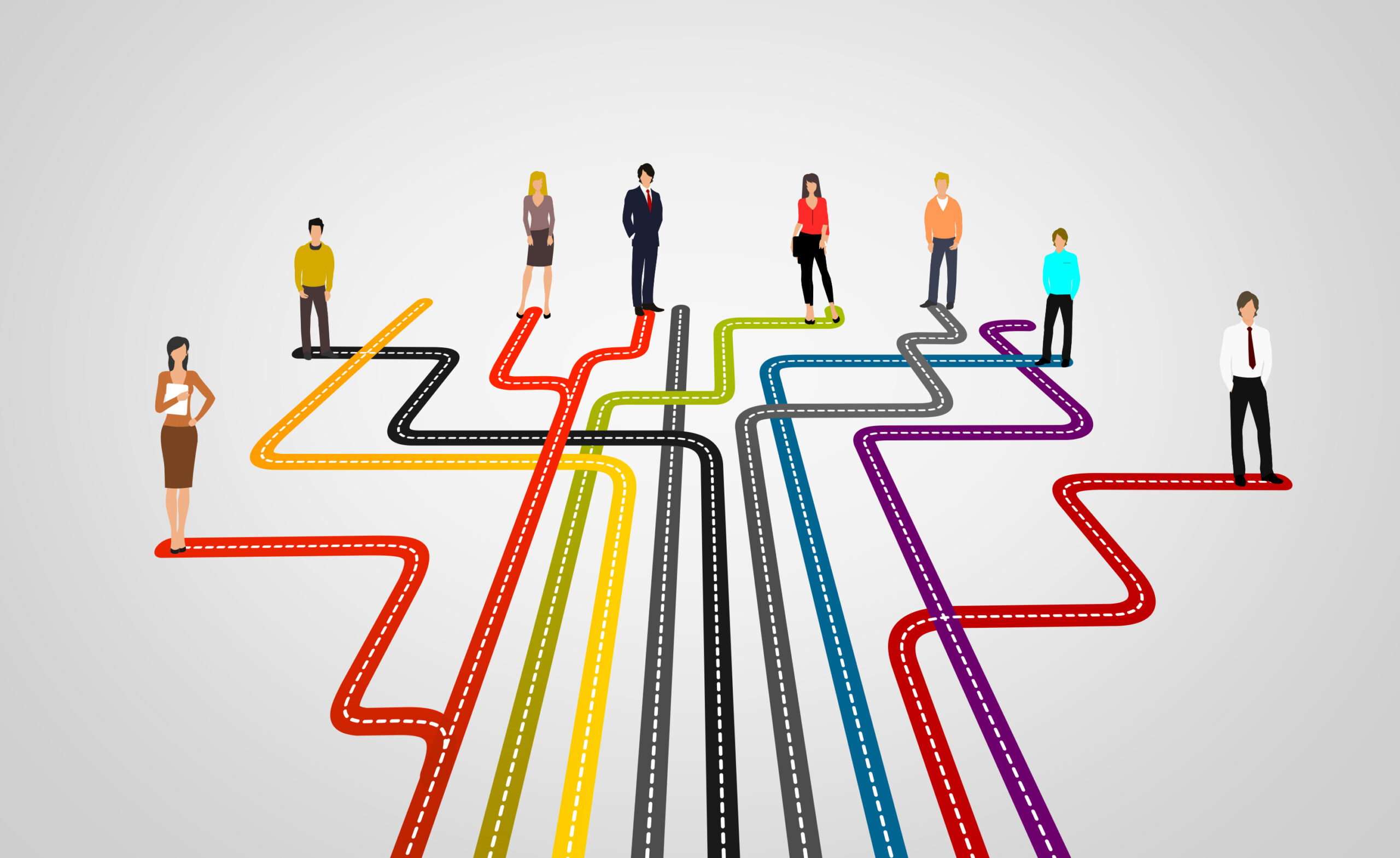
Introduction: Education and career development are integral parts of personal and professional growth. They provide the skills, knowledge, and opportunities needed to navigate the complexities of the modern world. This article explores the various stages of education, the evolving landscape of career opportunities, and the intersection between the two in shaping a fulfilling life.
1. The Foundation of Education:
Early Childhood Education:
- Early childhood education lays the groundwork for lifelong learning and development. It focuses on cognitive, emotional, and social growth through play-based and structured activities. Quality early education fosters curiosity, creativity, and a love for learning.
Primary and Secondary Education:
- Primary education builds foundational skills in literacy, numeracy, and critical thinking. Secondary education expands on these skills, offering a broader curriculum that includes science, humanities, arts, and physical education. It prepares students for higher education or vocational training.
Higher Education:
- Higher education includes universities, colleges, and technical institutes. It offers specialized knowledge and skills in various fields such as science, technology, engineering, arts, and business. Higher education is often seen as a gateway to professional careers and personal development.
Vocational and Technical Education:
- Vocational education focuses on practical skills and training for specific trades and professions. It includes apprenticeships, certifications, and diploma programs that prepare individuals for careers in fields like healthcare, engineering, culinary arts, and information technology.
2. The Role of Lifelong Learning:
Continuous Professional Development (CPD):
- Lifelong learning is essential in a rapidly changing world. CPD involves ongoing education and training to enhance skills, stay current with industry trends, and maintain professional credentials. It can include workshops, online courses, conferences, and certification programs.
Personal Enrichment:
- Beyond professional development, lifelong learning includes personal enrichment activities such as learning a new language, pursuing hobbies, or volunteering. These activities contribute to personal growth, satisfaction, and a well-rounded life.
3. The Evolving Landscape of Careers:
Traditional Careers:
- Traditional careers often follow a linear path, with individuals working their way up within a single organization or industry. Professions such as medicine, law, and education have established career tracks with clear progression and milestones.
Emerging Fields:
- The advent of technology and globalization has given rise to new career opportunities in fields like data science, cybersecurity, renewable energy, and digital marketing. These careers often require specialized skills and adaptability to evolving technologies and market demands.
Gig Economy and Freelancing:
- The gig economy refers to a labor market characterized by short-term contracts and freelance work. Platforms like Upwork, Fiverr, and Uber have popularized gig work, offering flexibility and autonomy. However, it also presents challenges such as job insecurity and lack of benefits.
Remote Work:
- Remote work has become increasingly prevalent, especially with advancements in communication technology and the impact of the COVID-19 pandemic. It offers flexibility and work-life balance but requires discipline and effective time management.
4. Navigating Career Development:
Career Planning:
- Career planning involves setting short-term and long-term goals, identifying interests and strengths, and researching potential career paths. It may include educational pursuits, internships, networking, and gaining relevant experience.
Skills and Competencies:
- Essential skills for career success include technical skills related to the profession, soft skills such as communication and teamwork, and transferable skills like problem-solving and adaptability. Continuous learning and skill enhancement are key to staying competitive.
Networking and Mentorship:
- Building a professional network and seeking mentorship can provide valuable guidance, support, and opportunities. Networking can happen through industry events, social media, and professional associations. Mentors offer insights based on their experiences and can help navigate career challenges.
Work-Life Balance:
- Achieving a healthy work-life balance is crucial for overall well-being. This includes managing time effectively, setting boundaries between work and personal life, and prioritizing self-care. Employers increasingly recognize the importance of work-life balance and offer flexible work arrangements.
5. The Intersection of Education and Career:
Internships and Apprenticeships:
- Internships and apprenticeships bridge the gap between education and employment, providing hands-on experience and practical skills. They offer a platform to apply theoretical knowledge, gain industry insights, and build professional networks.
Career Services and Counseling:
- Educational institutions often provide career services and counseling to assist students in making informed career decisions. These services include resume building, interview preparation, job fairs, and connecting with potential employers.
Continuous Alignment:
- The dynamic nature of the job market requires continuous alignment between education and career goals. This may involve further studies, certifications, or skill development courses to adapt to changing industry requirements.
Conclusion:
Education and career development are lifelong journeys that shape our identities and contributions to society. They offer the tools and opportunities to pursue passions, achieve goals, and create meaningful lives. By embracing lifelong learning, staying adaptable, and seeking continuous growth, individuals can navigate the evolving landscape of careers with confidence and purpose.