
1. Preparation and Research
Understanding the Event
Before attending, gather as much information as possible about the event. Understand its purpose, history, and significance. Know the key attractions, schedules, and any prominent figures or performers. This will help you plan your coverage and ensure you don’t miss important moments.
Planning Your Approach
Decide on the type of coverage you want to provide—live updates, in-depth articles, photo essays, video reports, or a mix of these. Determine the platforms you’ll use (blog, social media, website) and tailor your content to each. Prepare a checklist of equipment, including cameras, microphones, notepads, and portable chargers.
2. On-Site Coverage
Arriving Early
Get to the event early to familiarize yourself with the layout and identify the best spots for capturing key moments. Arriving early also allows you to gather pre-event atmosphere and behind-the-scenes shots, which add depth to your coverage.
Capturing the Atmosphere
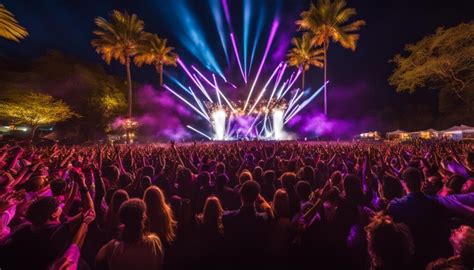
Focus on capturing the atmosphere and unique elements that define the event. Take wide shots of the crowd, close-ups of interesting details, and candid moments. Interview attendees, performers, and organizers to get diverse perspectives and add authenticity to your coverage.
Real-Time Updates
Use social media platforms for live updates, sharing short videos, photos, and quick observations as the event unfolds. Hashtags can help increase visibility and engagement. Real-time updates keep your audience engaged and create a sense of immediacy.
3. Storytelling and Content Creation
Crafting Your Narrative
Every event has a story to tell. Find a central theme or angle that ties your coverage together. It could be the impact of the event, a personal story of an attendee, or a behind-the-scenes look at what makes the event special. Craft your narrative to highlight this theme.
High-Quality Visuals
High-quality visuals are crucial for engaging coverage. Use a combination of wide shots, close-ups, and action shots to tell the story visually. Edit your photos and videos to enhance their quality, but keep them true to the event’s feel.
Engaging Writing
Write engaging articles that capture the essence of the event. Use descriptive language to paint a vivid picture for your readers. Include quotes from interviews, interesting anecdotes, and your own observations. Keep your writing concise and focused to maintain reader interest.
4. Post-Event Follow-Up
Final Wrap-Up
After the event, compile your best content into a comprehensive wrap-up. This could be a detailed blog post, a video recap, or a photo gallery. Reflect on the event’s highlights, share any exclusive insights you gathered, and provide your personal takeaways.
Audience Engagement
Engage with your audience by responding to comments, sharing additional content, and asking for their feedback. Encouraging audience interaction can help build a community around your coverage and increase its reach.
Archiving and Repurposing Content
Archive your coverage for future reference and consider repurposing it for different formats. For example, a blog post can be turned into a series of social media posts, or a photo essay can be part of a larger portfolio. Repurposing content maximizes its value and reach.
5. Ethical and Responsible Coverage
Accurate Reporting
Ensure that your coverage is accurate and fair. Verify facts, quote sources correctly, and avoid sensationalism. Responsible reporting builds trust with your audience and upholds the integrity of your work.
Respecting Privacy
Respect the privacy of event attendees and obtain consent before taking close-up photos or conducting interviews. Be mindful of cultural sensitivities and the event’s guidelines regarding media coverage.
Conclusion
Covering festivals and events is a dynamic and rewarding endeavor that allows you to share the energy, excitement, and stories of these gatherings with a broader audience. Through thorough preparation, creative storytelling, and ethical reporting, you can create engaging and memorable coverage that resonates with your audience.