
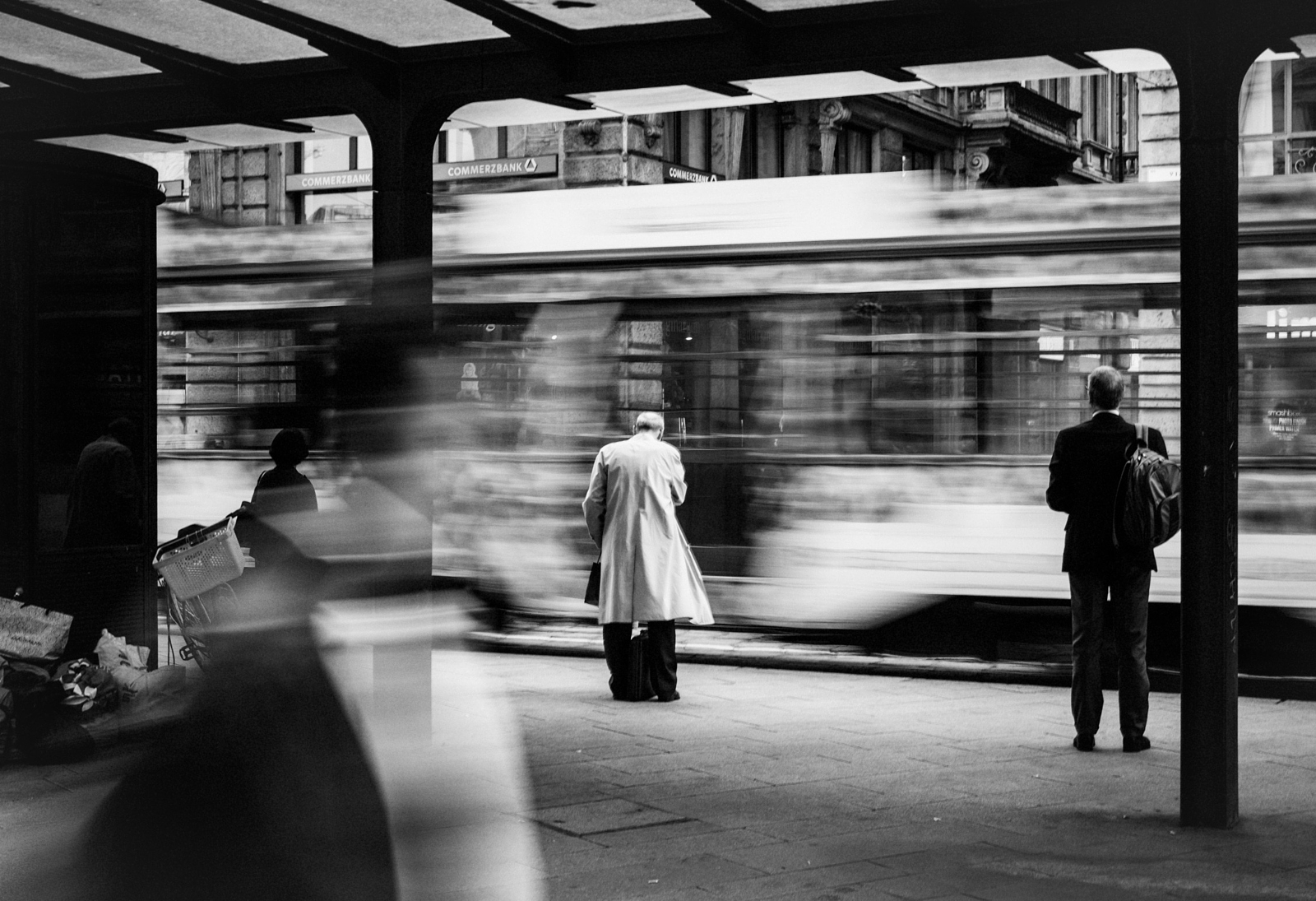
Introduction: Street photography is an intriguing and dynamic genre of photography that captures the essence of everyday life. It offers a candid glimpse into the human condition, often portraying spontaneous moments, urban landscapes, and the raw beauty of daily existence. This article explores the history, techniques, ethical considerations, and impact of street photography.
1. The History of Street Photography:
Early Beginnings:
- The roots of street photography can be traced back to the early 20th century, with pioneers like Eugène Atget, who documented the streets of Paris. His work laid the foundation for future street photographers by capturing the architecture and daily life of the city.
The Humanistic Approach:
- Photographers such as Henri Cartier-Bresson, often considered the father of modern street photography, introduced the concept of the “decisive moment.” His ability to capture fleeting moments with precision and artistry set a new standard for the genre.
Post-War Evolution:
- After World War II, street photography evolved with photographers like Robert Frank and Garry Winogrand. Frank’s seminal work “The Americans” provided a candid look at American society, while Winogrand’s chaotic and energetic images showcased the vibrancy of New York City.
2. Techniques and Approaches:
Candid Moments:
- The hallmark of street photography is its candid nature. Photographers often capture unposed and spontaneous moments that reflect genuine human interactions and emotions. This requires quick reflexes and an unobtrusive presence.
Composition and Framing:
- Effective composition is crucial in street photography. Techniques such as the rule of thirds, leading lines, and symmetry can guide the viewer’s eye and create visually compelling images. Framing can be used to isolate subjects and add context to the scene.
Lighting and Shadows:
- Street photographers often rely on natural light to create mood and atmosphere. The interplay of light and shadows can add depth and drama to a photograph. Golden hour (early morning or late afternoon) is particularly favoured for its soft, warm light.
Use of Colour and Black & White:
- While black and white photography is traditional in street photography for its timeless and classic feel, colour can be used to highlight contrasts, convey emotions, and add layers of meaning to an image.
3. Equipment and Settings:
Camera Choices:
- Street photographers often prefer compact and discreet cameras that allow for quick and unobtrusive shooting. Mirrorless cameras, rangefinders, and even smartphones are popular choices due to their portability and versatility.
Lenses:
- Prime lenses with focal lengths between 28mm and 50mm are commonly used in street photography. These lenses provide a natural field of view that closely resembles human vision, making them ideal for capturing candid moments.
Camera Settings:
- To be ready for spontaneous moments, street photographers often use aperture priority or manual mode. A wide aperture (low f-stop) can create a shallow depth of field, while a higher ISO setting can compensate for low light conditions.
4. Ethical Considerations:
Respect and Privacy:
- Street photography often involves photographing people without their explicit consent. It’s important to respect individuals’ privacy and be mindful of cultural and legal differences regarding photography in public spaces.
Approach and Interaction:
- Being discreet and respectful is key. Some photographers prefer a more confrontational approach, engaging with their subjects, while others take a more fly-on-the-wall stance. Building a rapport can sometimes lead to more intimate and compelling images.
Storytelling and Representation:
- Street photographers have a responsibility to portray their subjects with dignity and respect. Avoiding stereotypes and ensuring that images tell a truthful and balanced story is crucial.
5. Impact and Influence:
Social Commentary:
- Street photography has the power to document social issues, cultural shifts, and urban changes. It can raise awareness and spark conversations about topics such as poverty, inequality, and community.
Artistic Expression:
- Beyond documentation, street photography is a form of artistic expression. It allows photographers to experiment with composition, light, and narrative to create visually striking and thought-provoking images.
Influence on Other Genres:
- The techniques and principles of street photography have influenced other genres, such as fashion, portrait, and documentary photography. Its emphasis on authenticity and spontaneity has permeated various photographic styles.
Conclusion:
Street photography is more than just capturing random images on the street; it is an art form that requires skill, patience, and a keen eye for detail. It tells the stories of everyday life, reflecting the beauty and complexity of human existence. Whether you’re an aspiring photographer or an admirer of the art, street photography invites you to see the world through a different lens, finding extraordinary moments in ordinary places.