
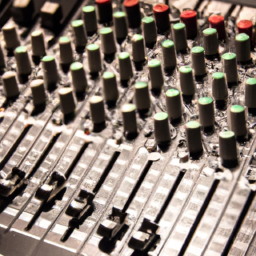
Introduction: Sound design is an intricate and creative process that involves creating, manipulating, and combining audio elements to enhance the storytelling and emotional impact of various media, including films, video games, theatre, and music. It is both an art and a science, requiring a keen ear, technical skills, and a deep understanding of how sound influences perception and emotion. This article delves into the history, techniques, tools, and impact of sound design.
1. The History of Sound Design:
Early Beginnings:
- Sound design as a profession began to take shape with the advent of radio dramas and early cinema. Foley artists, named after Jack Foley, pioneered techniques for creating sound effects that matched on-screen actions, such as footsteps and door creaks.
The Golden Age of Cinema:
- The 1930s to 1950s marked a significant era for sound design in film. Innovations in recording and playback technology allowed for more sophisticated and immersive soundscapes. Films like “Citizen Kane” (1941) showcased ground-breaking sound design techniques that added depth and realism to the storytelling.
Modern Sound Design:
- The digital revolution of the late 20th century brought about significant changes in sound design. With the introduction of digital audio workstations (DAWs) and advanced recording equipment, sound designers gained unprecedented control and flexibility over their creations. This era saw the rise of iconic sound designers like Ben Burtt, who crafted the sounds for “Star Wars,” and Walter Murch, known for his work on “Apocalypse Now.”
2. Techniques and Processes:
Field Recording:
- Field recording involves capturing natural sounds from various environments, such as urban streets, forests, or industrial sites. These recordings serve as raw material for sound design, providing authentic ambient sounds and unique textures.
Foley Artistry:
- Foley artists recreate everyday sounds that are added to films and TV shows to enhance the realism of the on-screen action. This includes footsteps, clothing rustle, and prop handling. The process involves performing these sounds in sync with the visual content to create a seamless auditory experience.
Sound Editing:
- Sound editing involves selecting, modifying, and arranging audio elements to fit the narrative. This includes cutting and splicing sound clips, adjusting volumes, and synchronizing audio with visual content. Sound editors use various tools and techniques to ensure smooth transitions and coherence in the soundscape.
Synthesis and Sampling:
- Sound synthesis involves generating audio signals from scratch using electronic instruments and software synthesizers. Sampling, on the other hand, involves using pre-recorded sounds that are manipulated and integrated into the sound design. Both techniques are essential for creating unique and otherworldly soundscapes.
Mixing and Mastering:
- Mixing involves balancing different audio elements, adjusting levels, and applying effects such as reverb, delay, and EQ to create a cohesive and immersive auditory experience. Mastering is the final step, ensuring that the audio is polished and optimized for various playback systems.
3. Tools and Technologies:
Digital Audio Workstations (DAWs):
- DAWs like Pro Tools, Logic Pro, and Ableton Live are essential tools for sound designers. They provide a platform for recording, editing, mixing, and mastering audio with precision and efficiency.
Plugins and Effects:
- Plugins are software components that extend the functionality of DAWs. They include virtual instruments, effects processors, and sound libraries. Popular plugins include Waves, Fab Filter, and Native Instruments, offering a vast array of creative possibilities.
Microphones and Recording Equipment:
- High-quality microphones and recording devices are crucial for capturing pristine audio. Different types of microphones, such as condenser, dynamic, and ribbon microphones, are used based on the recording environment and the desired sound characteristics.
Sound Libraries:
- Sound libraries provide a vast collection of pre-recorded sounds that can be used in sound design projects. These libraries include everything from animal noises and environmental sounds to sci-fi effects and musical loops. Companies like Sound Ideas and Boom Library offer extensive sound libraries for professional use.
4. Applications and Impact:
Film and Television:
- Sound design in film and television is essential for creating atmosphere, enhancing storytelling, and immersing the audience in the narrative. Iconic soundscapes, like the eerie silence of space in “Gravity” or the bustling streets of New York in “The Marvellous Mrs. Maisel,” demonstrate the power of sound design.
Video Games:
- In video games, sound design plays a critical role in creating immersive and interactive experiences. Dynamic soundscapes respond to player actions, enhancing gameplay and emotional engagement. Games like “The Last of Us” and “Cyberpunk 2077” feature intricate sound design that adds depth and realism to the virtual worlds.
Theatre and Live Performances:
- Sound design in theatre involves creating audio elements that support the narrative and enhance the live experience. This includes ambient sounds, music, and sound effects that complement the action on stage. Innovative sound design can transform a theatre production, making it more engaging and impactful.
Music Production:
- In music production, sound design contributes to the overall texture and character of a track. From electronic music to film scores, sound designers work closely with composers and producers to create unique and memorable sounds.
5. The Future of Sound Design:
Virtual Reality (VR) and Augmented Reality (AR):
- VR and AR technologies are opening new frontiers for sound design. Immersive 3D audio experiences are being developed to enhance the sense of presence and realism in virtual environments. Binaural recording and spatial audio techniques are at the forefront of this innovation.
Artificial Intelligence (AI):
- AI is beginning to play a role in sound design, with machine learning algorithms capable of generating and manipulating audio in novel ways. AI tools can assist in tasks like audio restoration, noise reduction, and even the creation of new soundscapes.
Environmental and Accessible Sound Design:
- There is a growing emphasis on creating environmentally sustainable sound practices and making sound design accessible to all. This includes using eco-friendly materials, minimizing noise pollution, and designing audio experiences that cater to individuals with hearing impairments.
Conclusion:
Sound design is a vital and dynamic field that shapes our auditory experiences across various media. It requires a blend of artistic creativity and technical expertise, pushing the boundaries of how we perceive and interact with sound. As technology continues to evolve, the possibilities for innovation in sound design are endless, promising even more immersive and engaging auditory experiences in the future.