Astronomy: Unlocking the Mysteries of the Universe

1. The Fundamentals of Astronomy

What is Astronomy?

Astronomy is the branch of science that deals with the study of celestial bodies, such as stars, planets, comets, and galaxies, as well as phenomena that originate outside Earth’s atmosphere, such as cosmic background radiation. It aims to understand the nature, origin, and evolution of these objects and phenomena.

Ancient Astronomy

Ancient civilizations, including the Babylonians, Egyptians, Greeks, and Chinese, made significant contributions to early astronomy. They used the stars to develop calendars, navigate the seas, and understand seasonal changes. The ancient Greeks, in particular, made important strides in understanding celestial motions and the structure of the cosmos.

2. Key Areas of Study in Astronomy

Observational Astronomy

Observational astronomy involves the collection and analysis of data from celestial objects using telescopes and other instruments. This field is divided into various subfields based on the type of electromagnetic radiation observed, including optical, radio, infrared, ultraviolet, X-ray, and gamma-ray astronomy.

Theoretical Astronomy

Theoretical astronomy uses mathematical models and simulations to explain and predict astronomical phenomena. Theoretical astronomers work to understand the underlying physical processes that govern the behavior of celestial objects and the structure of the universe.

3. The Tools of Astronomy

Telescopes

Telescopes are the primary tools for observing the universe. They come in various types, including optical telescopes that collect visible light, radio telescopes that detect radio waves, and space telescopes like the Hubble Space Telescope that operate above Earth’s atmosphere to avoid atmospheric distortion.

Space Probes and Satellites

Space probes and satellites are used to gather data from specific celestial objects and regions of space. Notable missions include the Voyager probes, which have travelled beyond our solar system, and the Mars rovers, which explore the surface of Mars.

4. Significant Discoveries in Astronomy

The Heliocentric Model

Nicolaus Copernicus proposed the heliocentric model of the solar system in the 16th century, which placed the Sun at the centre, rather than the Earth. This ground-breaking theory revolutionized our understanding of the solar system and laid the foundation for modern astronomy.

The Discovery of Gravity

Sir Isaac Newton’s law of universal gravitation explained the forces that govern the motions of celestial bodies. His work, “Principia Mathematica,” published in 1687, provided a mathematical framework for understanding gravity and the orbits of planets and moons.

The Expansion of the Universe

Edwin Hubble’s observations in the 1920s showed that galaxies are moving away from us, indicating that the universe is expanding. This discovery led to the formulation of the Big Bang theory, which describes the origin and evolution of the universe.

5. Exploring Our Solar System

The Sun

The Sun is a G-type main-sequence star at the centre of our solar system. It provides the energy necessary for life on Earth and drives the solar system’s climate and weather patterns. Studying the Sun helps us understand stellar processes and solar phenomena such as sunspots and solar flares.

The Planets

Our solar system consists of eight planets, each with unique characteristics. Mercury, Venus, Earth, and Mars are rocky terrestrial planets, while Jupiter, Saturn, Uranus, and Neptune are gas giants. Missions like the Voyager and the recent Juno probe to Jupiter have provided detailed data about these planets.

Moons and Other Celestial Bodies

Many planets have moons, which are natural satellites that orbit them. Earth’s moon plays a crucial role in tidal patterns and has been a focal point of human exploration. Other notable moons include Jupiter’s Ganymede, Saturn’s Titan, and Neptune’s Triton. Additionally, our solar system contains dwarf planets like Pluto, comets, and asteroids.

6. Beyond Our Solar System

The Milky Way Galaxy

The Milky Way is a spiral galaxy that contains our solar system, along with billions of other stars and their planetary systems. Understanding the structure and dynamics of the Milky Way helps astronomers study the distribution of stars, interstellar gas, and dark matter.

Exoplanets

Exoplanets are planets that orbit stars outside our solar system. The discovery of thousands of exoplanets by missions like Kepler and TESS has expanded our understanding of planetary formation and the potential for life beyond Earth.

Distant Galaxies and the Universe

Astronomy also explores distant galaxies, black holes, and the large-scale structure of the universe. Studying these objects helps scientists understand the evolution of the cosmos, the nature of dark matter and dark energy, and the ultimate fate of the universe.

7. The Future of Astronomy

Upcoming Missions and Telescopes

Future missions and telescopes aim to answer fundamental questions about the universe. The James Webb Space Telescope, set to launch soon, will provide unprecedented views of distant galaxies, star-forming regions, and exoplanets. Other missions, like the Europa Clipper, will explore the potential habitability of Jupiter’s moon Europa.

Citizen Science and Public Engagement

Citizen science projects, like Galaxy Zoo and SETI@home, allow the public to contribute to astronomical research. Engaging people in astronomy fosters a greater appreciation for science and encourages the next generation of astronomers.

Conclusion

Astronomy is a dynamic and ever-evolving field that continually expands our knowledge of the universe. From studying our solar system to exploring distant galaxies, the discoveries made in astronomy have profound implications for our understanding of the cosmos and our place within it. As technology advances and new missions are launched, the future of astronomy promises to be as exciting and enlightening as its storied past.

Astrology & Horoscopes: Exploring the Mysteries of the Stars

1. The Origins of Astrology

Ancient Beginnings

Astrology traces its roots back to ancient civilizations such as the Babylonians, Egyptians, and Greeks. These early astrologers observed the heavens and mapped celestial movements, believing that the positions of the stars and planets could influence human affairs. The Babylonians are credited with developing the zodiac—a circle of twelve 30-degree divisions of celestial longitude based on the apparent path of the sun across the heavens over the course of a year.

Influence of Greek Astrology

The Greeks significantly refined and expanded upon Babylonian astrology. Figures like Ptolemy, whose work “Tetrabiblos” became a foundational text, contributed to the structured astrological systems we are familiar with today. Greek mythology also played a role, with many constellations named after mythological characters.

2. Understanding the Zodiac Signs

The Twelve Zodiac Signs

The zodiac is divided into twelve signs, each associated with specific personality traits and ruled by particular planets. These signs are:

  1. Aries (March 21 – April 19): Bold, ambitious, and confident.
  2. Taurus (April 20 – May 20): Reliable, patient, and practical.
  3. Gemini (May 21 – June 20): Adaptable, outgoing, and intelligent.
  4. Cancer (June 21 – July 22): Emotional, intuitive, and nurturing.
  5. Leo (July 23 – August 22): Charismatic, generous, and dramatic.
  6. Virgo (August 23 – September 22): Analytical, meticulous, and kind.
  7. Libra (September 23 – October 22): Balanced, social, and fair-minded.
  8. Scorpio (October 23 – November 21): Passionate, resourceful, and determined.
  9. Sagittarius (November 22 – December 21): Adventurous, optimistic, and independent.
  10. Capricorn (December 22 – January 19): Disciplined, responsible, and ambitious.
  11. Aquarius (January 20 – February 18): Innovative, progressive, and humanitarian.
  12. Pisces (February 19 – March 20): Compassionate, artistic, and intuitive.

Elements and Modalities

Each sign is also associated with one of the four classical elements—Fire, Earth, Air, and Water—and one of three modalities—Cardinal, Fixed, and Mutable. These classifications further refine the characteristics and behaviours attributed to each sign.

3. The Role of Planets and Houses

Planetary Influences

In astrology, planets represent different aspects of our personalities and life experiences. For example, Mercury governs communication, Venus relates to love and beauty, and Mars signifies action and desire. The position of these planets at the time of one’s birth forms the basis of a natal chart.

The Twelve Houses

The natal chart is divided into twelve houses, each representing different areas of life, such as career, relationships, and home. The alignment of planets within these houses provides deeper insights into various aspects of an individual’s life.

4. Horoscopes: Daily Guidance from the Stars

What Are Horoscopes?

Horoscopes are predictions or advice based on the positions of the stars and planets at a given time. They can provide daily, weekly, or monthly guidance and are often tailored to each zodiac sign. Horoscopes can cover a range of topics, including love, career, health, and general well-being.

How Are Horoscopes Created?

Astrologers create horoscopes by interpreting the current positions of celestial bodies and how they interact with each other and with the zodiac signs. They consider aspects such as conjunctions, oppositions, and trines to offer insights and predictions.

5. Astrology in Modern Culture

Astrology Apps and Websites

The digital age has brought astrology to a wider audience than ever before. Numerous apps and websites offer personalized horoscopes, natal chart readings, and astrological guidance. These platforms make it easy for anyone to explore astrology from their smartphones.

Astrology in Media and Pop Culture

Astrology has a significant presence in modern media and pop culture. Celebrities often share their zodiac signs, and astrological references appear in movies, TV shows, and music. Social media platforms are filled with astrological memes, discussions, and communities.

6. Criticism and Scepticism

The Scientific Perspective

Many scientists and skeptics dismiss astrology as a pseudoscience, arguing that there is no empirical evidence supporting its claims. They point out that astrology’s predictive power is no better than chance and that its principles are not based on the scientific method.

The Subjective Experience

Despite the lack of scientific validation, many people find personal value and meaning in astrology. They use it as a tool for self-reflection, understanding relationships, and navigating life’s challenges. For these individuals, astrology offers a framework for exploring their inner world.

Conclusion

Astrology and horoscopes offer a fascinating blend of history, mythology, and personal insight. Whether you approach them with belief or skepticism, they provide a unique lens through which to view the world and ourselves. The enduring popularity of astrology speaks to its ability to captivate our imaginations and offer a sense of connection to the cosmos.

Wildlife Conservation: Preserving Nature for Future Generations

Wildlife conservation is the practice of protecting animal species and their habitats to ensure that ecosystems remain balanced and species can thrive for future generations. It involves a wide range of strategies, including habitat preservation, legal protection, and community engagement. This elaborate article will explore the importance of wildlife conservation, the challenges it faces, and the various strategies used to protect wildlife.

The Importance of Wildlife Conservation

  1. Biodiversity: Wildlife conservation helps maintain biodiversity, which is essential for ecosystem stability and resilience. Biodiversity ensures that ecosystems can withstand changes and disruptions, providing vital services such as pollination, pest control, and climate regulation.
  2. Ecosystem Services: Healthy ecosystems provide numerous services that benefit humans, including clean air and water, fertile soil, and resources like timber and fish. By protecting wildlife and their habitats, we ensure the continued provision of these essential services.
  3. Cultural and Recreational Value: Many cultures have deep connections to wildlife and nature. Conservation efforts help preserve these cultural traditions and provide opportunities for recreation, education, and tourism, which can also support local economies.
  4. Scientific Knowledge: Wildlife conservation contributes to scientific knowledge and understanding of natural processes. Studying wildlife can lead to discoveries in medicine, agriculture, and environmental management.
  5. Moral Responsibility: Many people believe that humans have a moral obligation to protect other species from extinction and to preserve the planet’s natural heritage for future generations.

Challenges to Wildlife Conservation

  1. Habitat Loss: Deforestation, urbanization, and agricultural expansion are major drivers of habitat loss, leading to the fragmentation and destruction of ecosystems. This loss of habitat is one of the leading causes of species decline and extinction.
  2. Climate Change: Climate change affects wildlife through altering habitats, changing migration patterns, and increasing the frequency and intensity of extreme weather events. Species that cannot adapt quickly enough to these changes face increased risks.
  3. Poaching and Illegal Wildlife Trade: Poaching and illegal wildlife trade threaten many species, particularly those targeted for their body parts, such as elephants for ivory and rhinos for their horns. This illicit activity undermines conservation efforts and can drive species to extinction.
  4. Pollution: Pollution, including plastic waste, pesticides, and chemicals, can have devastating effects on wildlife. Marine animals, in particular, are affected by plastic pollution, which can cause injury, entanglement, and ingestion.
  5. Invasive Species: Non-native species introduced to new environments can outcompete, prey on, or bring diseases to native species. These invasive species can disrupt ecosystems and lead to declines in native wildlife populations.

Strategies for Wildlife Conservation

  1. Protected Areas: Establishing protected areas, such as national parks, wildlife reserves, and marine sanctuaries, is a key strategy for conserving habitats and species. These areas provide safe havens for wildlife and help maintain ecosystem integrity.
  2. Legal Protection: Enforcing laws and regulations that protect wildlife from hunting, trade, and habitat destruction is essential. International agreements like the Convention on International Trade in Endangered Species (CITES) play a crucial role in regulating the trade of endangered species.
  3. Habitat Restoration: Restoring degraded habitats and reconnecting fragmented landscapes can help support wildlife populations. Efforts may include reforestation, wetland restoration, and the creation of wildlife corridors.
  4. Community Engagement: Involving local communities in conservation efforts is critical for success. Community-based conservation programs empower residents to protect their natural resources and benefit from sustainable practices.
  5. Research and Monitoring: Scientific research and monitoring are vital for understanding wildlife populations and the effectiveness of conservation strategies. Data on species distribution, population trends, and threats inform conservation actions and policies.
  6. Education and Awareness: Raising awareness about the importance of wildlife conservation and the threats facing species is essential for building public support. Education programs, media campaigns, and wildlife tourism can help foster a conservation ethic.

Case Studies in Wildlife Conservation

  1. The Success of the Bald Eagle: The Bald Eagle, once on the brink of extinction in the United States due to habitat loss and pesticide use, has made a remarkable recovery. Conservation efforts, including legal protection, banning harmful pesticides like DDT, and habitat restoration, have led to a significant increase in the Bald Eagle population.
  2. Mountain Gorilla Conservation: Mountain Gorillas, found in the forests of Central Africa, have faced threats from habitat loss, poaching, and disease. Intensive conservation efforts, including anti-poaching patrols, veterinary care, and community-based tourism, have helped stabilize and increase their population.
  3. The Return of the Grey Wolf: Grey Wolves were extirpated from much of the United States by the mid-20th century. Reintroduction programs, such as those in Yellowstone National Park, have successfully restored wolf populations, which have had positive ecological effects on the park’s ecosystem.

The Future of Wildlife Conservation

The future of wildlife conservation relies on continued commitment and collaboration among governments, organizations, communities, and individuals. Innovative approaches, such as the use of technology for monitoring and enforcement, and the integration of conservation into broader land-use planning, will be essential. As we face growing environmental challenges, the importance of wildlife conservation for maintaining the health of our planet and the well-being of future generations cannot be overstated.

Conclusion

Wildlife conservation is a vital endeavour that seeks to protect the planet’s biodiversity and ensure the survival of species and ecosystems. By addressing the challenges and implementing effective strategies, we can make significant progress in preserving wildlife for future generations. Everyone has a role to play in conservation, from supporting protected areas to making sustainable choices in daily life. Together, we can create a world where wildlife thrives alongside human communities.

The Wonderful World of Pets and Animals

Introduction

Pets and animals play an integral role in our lives, bringing joy, companionship, and even health benefits. Whether you’re a proud pet owner, an animal enthusiast, or simply curious about the animal kingdom, understanding the diverse world of pets and animals can enrich your life. This article explores the various aspects of pets and animals, from their benefits and care to their fascinating behaviours and the importance of conservation.

Section 1: The Benefits of Having Pets

Having pets offers numerous advantages that enhance our physical, emotional, and social well-being.

  • Companionship: Pets provide unwavering companionship and reduce feelings of loneliness. They offer emotional support and comfort, especially during difficult times.
  • Health Benefits: Interacting with pets can lower blood pressure, reduce stress, and improve cardiovascular health. Pets encourage physical activity, such as walking or playing, which benefits overall fitness.
  • Mental Health: Pets have a positive impact on mental health by reducing anxiety and depression. Caring for a pet can give a sense of purpose and routine, which is particularly beneficial for individuals with mental health conditions.
  • Social Connections: Pets can be social catalysts, helping to initiate conversations and form friendships. Pet owners often connect through shared interests in animal care and activities.

Section 2: Popular Pets and Their Care

Different pets require specific care to ensure their health and happiness. Here are some common pets and essential care tips:

  • Dogs: Known as loyal companions, dogs require regular exercise, a balanced diet, and routine veterinary care. Training and socialization are crucial for their behavior and well-being.
  • Cats: Independent yet affectionate, cats need a balanced diet, clean litter boxes, and regular health check-ups. Providing scratching posts and interactive toys helps keep them mentally stimulated.
  • Fish: Ideal for those with limited space, fish require a well-maintained aquarium with proper filtration and water quality. Different species have specific temperature and dietary needs.
  • Birds: Birds, such as parrots and canaries, need spacious cages, a varied diet, and mental stimulation through toys and interaction. Regular cleaning of their living space is essential.
  • Small Mammals: Pets like rabbits, guinea pigs, and hamsters need appropriate housing, a balanced diet, and regular handling to remain healthy and socialized.
  • Reptiles: Reptiles, including snakes and lizards, require specific habitats with controlled temperatures, humidity, and lighting. Their diet varies based on species and may include live prey.

Section 3: Understanding Animal Behaviour

Observing and understanding animal behaviour helps in providing better care and forming stronger bonds with pets.

  • Body Language: Animals communicate through body language. For example, a wagging tail in dogs often indicates happiness, while flattened ears in cats may signal fear or aggression.
  • Vocalizations: Different animals use vocalizations to express emotions or needs. Dogs bark, cats meow, and birds chirp, each sound conveying specific messages.
  • Social Behaviour: Some animals are social and thrive on interaction, while others are more solitary. Understanding these tendencies helps in creating suitable environments and activities.
  • Training and Enrichment: Positive reinforcement training and environmental enrichment are essential for mental stimulation and preventing behavioural issues. Providing toys, puzzles, and interactive activities can keep pets engaged.

Section 4: The Fascinating World of Wild Animals

Beyond domestic pets, the animal kingdom is filled with incredible wild creatures, each adapted to their unique habitats.

  • Mammals: From the majestic lion to the playful dolphin, mammals are characterized by their warm-blooded nature and complex social structures.
  • Birds: Birds showcase a variety of adaptations, from the powerful flight of eagles to the vibrant plumage of parrots. Their migratory patterns and nesting behaviours are equally fascinating.
  • Reptiles and Amphibians: These cold-blooded creatures exhibit remarkable survival strategies, such as the chameleon’s camouflage or the frog’s metamorphosis.
  • Insects and Arachnids: Despite their small size, insects and arachnids play crucial roles in ecosystems. Bees are essential pollinators, while spiders control pest populations.

Section 5: Conservation and Animal Welfare

Protecting animals and their habitats is vital for maintaining biodiversity and ecological balance.

  • Conservation Efforts: Many species face threats from habitat loss, poaching, and climate change. Conservation programs, such as breeding programs and protected areas, aim to preserve endangered species.
  • Animal Welfare: Ensuring the well-being of animals involves providing proper care, preventing cruelty, and advocating for humane treatment. Organizations worldwide work to rescue, rehabilitate, and rehome animals in need.
  • Sustainable Practices: Supporting sustainable practices, such as responsible pet ownership and ethical wildlife tourism, contributes to animal welfare and conservation efforts.

Conclusion

The world of pets and animals is rich with diversity, offering endless opportunities for learning and connection. Whether you’re a pet owner, an animal lover, or a conservation advocate, understanding and appreciating the complexities of animal life can lead to more fulfilling relationships and a healthier planet. Embrace the joy and responsibility that comes with caring for pets and protecting wildlife, and you’ll discover a deeper bond with the natural world.

Mysteries and Myths: The Fascinating World of Urban Legends

Introduction

Urban legends have always captivated our imaginations, blending folklore, mystery, and a touch of the supernatural. These stories, often passed down through generations or spread rapidly through social media, reflect our collective fears, hopes, and societal norms. Let’s explore some of the most intriguing urban legends from around the world and uncover the truths—or myths—behind them.

Section 1: What are Urban Legends?

Urban legends are modern folklore, consisting of fictional stories often rooted in societal anxieties or moral lessons. These legends are typically characterized by their sensational nature and the way they spread, often becoming more elaborate with each retelling.

  • Common Themes: Urban legends often involve themes such as danger, the supernatural, crime, and moral lessons. They serve as cautionary tales or as explanations for unusual occurrences.

Section 2: Famous Urban Legends

Here are a few iconic urban legends that have spanned cultures and time periods:

  • The Hookman: Originating in the United States, this legend tells of a couple who narrowly escape an attack by a man with a hook for a hand. The story often serves as a warning about the dangers of secluded areas and the risks of being out late at night.
  • Bloody Mary: A popular legend in many countries, Bloody Mary involves summoning a vengeful spirit by chanting her name three times in front of a mirror. This legend plays on the fear of the supernatural and the unknown.
  • The Choking Doberman: This legend involves a woman who returns home to find her pet Doberman choking. After rushing the dog to the vet, she learns that the dog was choking on the fingers of an intruder who had broken into her home. The tale highlights both the loyalty of pets and the lurking dangers in our homes.

Section 3: Regional Urban Legends

Different parts of the world have their own unique urban legends, reflecting local cultures and fears.

  • Japan: The Kuchisake-onna (Slit-Mouthed Woman): This legend features a woman who was mutilated by her husband and returns as a vengeful spirit. She asks potential victims if they find her beautiful, and their responses determine their fate. This story reflects societal fears about beauty standards and violence.
  • Mexico: La Llorona (The Weeping Woman): According to legend, La Llorona is the ghost of a woman who drowned her children in a fit of rage and sorrow. She wanders near rivers, crying and looking for her lost children, and serves as a cautionary tale about maternal neglect and remorse.
  • Scotland: The Loch Ness Monster: Perhaps one of the most famous urban legends, the Loch Ness Monster is said to inhabit Loch Ness in the Scottish Highlands. Sightings of “Nessie” have intrigued and mystified people for decades, blending folklore with the desire to believe in the unknown.

Section 4: The Role of Urban Legends in Society

Urban legends serve various functions in society. They can act as cautionary tales, help explain unexplainable events, and even bring communities together through shared stories and beliefs.

  • Cautionary Tales: Many urban legends serve as warnings about behaviours or situations. For example, stories about cursed objects or places discourage people from engaging in risky activities.
  • Social Reflection: Urban legends often reflect societal fears, values, and anxieties. By examining these stories, we can gain insight into the collective psyche of a culture.
  • Entertainment: Beyond their moral or cautionary messages, urban legends also provide entertainment. They capture our imagination and provide a thrilling escape from reality.

Section 5: Debunking Urban Legends

While urban legends are fascinating, it’s essential to differentiate between fact and fiction. Many legends have been debunked through research and investigation.

  • Snopes: Websites like Snopes specialize in fact-checking and debunking urban legends and myths. They provide thorough investigations into the origins and veracity of these stories.
  • Critical Thinking: Encouraging critical thinking and scepticism can help prevent the spread of misinformation. It’s important to question the sources and evidence behind sensational stories.

Conclusion

Urban legends are a captivating blend of myth, culture, and morality. They serve as windows into the human experience, revealing our deepest fears and hopes. While they may not always be based in reality, urban legends continue to enchant and intrigue us, reminding us of the power of storytelling.

Unravelling Global Social Issues: A Deep Dive

In today’s interconnected world, social issues transcend borders, affecting millions of people across different cultures and societies. These challenges often stem from deep-rooted structural inequalities, historical injustices, and evolving societal norms. This article explores some of the most pressing social issues that the global community faces and discusses potential solutions to foster a more equitable and just world.

1. Poverty and Inequality

Poverty remains one of the most pervasive social issues globally. Despite economic growth in many countries, a significant portion of the world’s population continues to live in poverty. According to the World Bank, nearly 10{3407ddd2191994a0e11376e1ce572bbc3221bdc2b57a982278cd564c43b8dc79} of the global population lives on less than $1.90 a day.

  • Economic Disparities: Inequality is not just a matter of income but also includes access to education, healthcare, and opportunities. For instance, the wealthiest 1{3407ddd2191994a0e11376e1ce572bbc3221bdc2b57a982278cd564c43b8dc79} of the global population owns more than half of the world’s wealth, while the bottom 50{3407ddd2191994a0e11376e1ce572bbc3221bdc2b57a982278cd564c43b8dc79} owns just 1{3407ddd2191994a0e11376e1ce572bbc3221bdc2b57a982278cd564c43b8dc79}.
  • Solutions: Addressing poverty requires comprehensive strategies, including social safety nets, equitable access to education, healthcare, and economic opportunities. International cooperation and fair trade practices also play crucial roles.

2. Gender Inequality

Gender inequality manifests in various forms, from wage gaps to underrepresentation in leadership roles and gender-based violence. Women and girls are disproportionately affected by these inequalities.

  • Workplace Disparities: Women often earn less than men for the same work. According to the World Economic Forum, the global gender pay gap will take another 135 years to close.
  • Education and Empowerment: In many parts of the world, girls are denied access to education, limiting their opportunities. Initiatives that focus on girls’ education and women’s empowerment are critical for achieving gender equality.

3. Racial and Ethnic Discrimination

Racism and ethnic discrimination are pervasive issues that lead to social and economic disparities. These issues are rooted in historical injustices and are perpetuated by systemic inequalities.

  • Social Impact: Discrimination affects all aspects of life, including employment, education, and healthcare. For example, in the United States, African Americans face significant disparities in healthcare outcomes compared to their white counterparts.
  • Addressing Discrimination: Solutions include enforcing anti-discrimination laws, promoting diversity and inclusion, and educating society about the harms of prejudice and racism.

4. Climate Change and Environmental Degradation

Climate change poses a significant threat to the planet and disproportionately affects vulnerable populations. Environmental degradation exacerbates issues like food insecurity, water scarcity, and displacement.

  • Global Warming: Rising temperatures and extreme weather events are becoming more frequent, affecting agriculture, housing, and health.
  • Sustainable Practices: Implementing sustainable development practices, investing in renewable energy, and reducing carbon emissions are essential steps towards mitigating climate change.

5. Access to Education

Education is a fundamental human right, yet millions of children and adults lack access to quality education. Barriers include poverty, conflict, and cultural norms.

  • Educational Disparities: In regions like Sub-Saharan Africa and South Asia, millions of children are out of school. Gender disparities in education also persist, with girls less likely to complete primary and secondary education.
  • Improving Access: Solutions include investing in educational infrastructure, training teachers, and providing scholarships and financial aid to students from low-income families.

6. Health Inequities

Health inequities are stark, with access to healthcare varying significantly across different regions and populations. Factors such as poverty, geographical location, and discrimination contribute to these disparities.

  • Global Health Crises: Pandemics, such as COVID-19, highlight the disparities in healthcare access and the need for robust health systems.
  • Strengthening Healthcare Systems: Ensuring universal healthcare coverage, improving healthcare infrastructure, and addressing social determinants of health are crucial for reducing health inequities.

Conclusion

Addressing global social issues requires a collective effort from governments, organizations, and individuals. By understanding the root causes and implementing multifaceted solutions, we can work towards creating a world where everyone has the opportunity to thrive.

The Evolving Landscape of Social Issues and Commentary

Introduction

In our rapidly changing world, social issues and commentary have become crucial elements of public discourse. From gender equality to environmental sustainability, understanding these topics is essential for creating a more just and equitable society.

Section 1: Defining Social Issues

Social issues are problems that influence a considerable number of individuals within a society. These may be the result of structural inequalities or a series of complex social dynamics. Common examples include poverty, racism, and education disparity. Understanding these issues involves recognizing their causes and effects on various demographics.

  • Poverty: An exploration of the root causes of poverty, its prevalence in different regions, and the socioeconomic policies that can alleviate it.
  • Racism: Analysing the historical and contemporary aspects of racism, its impact on communities, and strategies to combat it through education and policy reforms.
  • Education Disparity: Investigating the factors leading to unequal access to education and the long-term consequences for society.

Section 2: The Role of Commentary

Commentary on social issues serves as a vital tool for raising awareness and sparking change. It provides a platform for diverse voices to be heard and offers critical perspectives that challenge the status quo. Effective commentary can shape public opinion and influence policy decisions.

  • Media and Social Commentary: How media platforms shape the narrative around social issues, and the role of journalists and commentators in fostering informed discussions.
  • Digital Activism: The rise of social media as a powerful tool for activism, enabling grassroots movements and amplifying marginalized voices.
  • Public Figures and Advocacy: The influence of celebrities and public figures in driving social change through their platforms and advocacy efforts.

Section 3: Case Studies and Examples

Examining real-world examples helps to contextualize social issues and the impact of commentary. Case studies provide insights into successful initiatives and ongoing challenges.

  • Climate Change Movement: How environmental activists have galvanized global attention and action towards climate change.
  • #MeToo Movement: The significance of the #MeToo movement in addressing sexual harassment and assault, and its wider implications for gender equality.
  • Black Lives Matter: Understanding the origins, impact, and ongoing efforts of the Black Lives Matter movement in combating systemic racism.

Section 4: Solutions and Future Directions

Addressing social issues requires a multifaceted approach that includes policy reforms, education, and community engagement. This section explores potential solutions and the role of individuals, organizations, and governments in driving change.

  • Policy Reforms: The importance of implementing fair policies that address structural inequalities and promote social justice.
  • Education: The role of education in fostering critical thinking and awareness about social issues from a young age.
  • Community Engagement: How community-based initiatives and collaborations can lead to sustainable solutions and social cohesion.

Conclusion

Social issues and commentary are integral to the progress of society. By engaging in thoughtful discussions and taking collective action, we can address the root causes of social problems and work towards a more inclusive and equitable future.

Unveiling the Unseen: Exploring Paranormal Phenomena

Introduction

Paranormal phenomena have always fascinated humanity, blending fear and curiosity into stories that captivate the imagination. From ghost sightings to mysterious creatures, these phenomena challenge our understanding of the world and push the boundaries of what we consider possible. This blog delves into some of the most intriguing paranormal phenomena, exploring their origins, cultural significance, and the mysteries that continue to elude scientific explanation.

Section 1: Ghosts and Hauntings

One of the most well-known categories of paranormal phenomena involves ghosts and hauntings. Ghosts are believed to be the spirits of deceased individuals who have not fully moved on to the afterlife.

  • Historical Accounts: Ghost stories have been part of human history for centuries. From ancient Roman accounts of haunted houses to modern-day ghost tours, these stories often reflect cultural beliefs about death and the afterlife.
  • Famous Hauntings: Some of the most famous hauntings include the Tower of London, the Winchester Mystery House, and the Amityville Horror house. These locations are often associated with tragic events and reported sightings of apparitions.
  • Scientific Perspectives: While many ghost sightings can be attributed to psychological and environmental factors, the lack of concrete evidence leaves room for belief in the supernatural.

Section 2: Cryptids and Mysterious Creatures

Cryptids are creatures whose existence is not recognized by scientific consensus but are claimed to exist based on anecdotal evidence and folklore.

  • Bigfoot: Also known as Sasquatch, Bigfoot is a large, ape-like creature said to inhabit the forests of North America. Sightings and footprints have been reported for decades, but definitive proof remains elusive.
  • Loch Ness Monster: The Loch Ness Monster, or “Nessie,” is said to live in Scotland’s Loch Ness. Despite numerous sightings and alleged photographic evidence, scientific investigations have yet to confirm its existence.
  • Chupacabra: Originating from Latin American folklore, the Chupacabra is a creature said to feed on livestock, leaving them drained of blood. Descriptions vary, but it is often depicted as a reptilian or dog-like beast.

Section 3: Extra-terrestrial Encounters

The possibility of extra-terrestrial life has intrigued and terrified people for generations. Reports of UFO sightings and alien abductions are a staple of paranormal lore.

  • Roswell Incident: In 1947, an alleged UFO crash in Roswell, New Mexico, sparked widespread interest and conspiracy theories about government cover-ups and alien technology.
  • Area 51: This highly secretive military base in Nevada is often linked to UFO sightings and alleged government experiments involving extraterrestrial beings.
  • Modern Sightings: Reports of UFOs continue to emerge worldwide, with some countries even declassifying documents related to unidentified aerial phenomena (UAP).

Section 4: Psychic Phenomena

Psychic phenomena encompass a range of abilities, including telepathy, clairvoyance, and precognition. These abilities are often depicted in popular culture but remain scientifically controversial.

  • Telepathy: The supposed ability to communicate thoughts directly from one mind to another without using traditional sensory channels.
  • Clairvoyance: The ability to gain information about an object, person, or event through extrasensory perception (ESP).
  • Precognition: The ability to foresee future events, often through dreams or visions.

Section 5: Cultural Impact of Paranormal Phenomena

Paranormal phenomena have a significant cultural impact, influencing literature, film, and media. They serve as a source of entertainment and a way to explore the unknown.

  • Horror Genre: Ghosts, cryptids, and extra-terrestrials are staples of the horror genre, providing endless material for books, movies, and television shows.
  • Folklore and Mythology: Many cultures have rich traditions of supernatural stories that reflect their values, fears, and beliefs.
  • Paranormal Tourism: Haunted locations and UFO hotspots attract tourists seeking thrill and adventure, contributing to local economies.

Conclusion

Paranormal phenomena continue to captivate and intrigue us, offering glimpses into the unknown and challenging our understanding of reality. Whether you’re a sceptic or a believer, there’s no denying the allure of these mysteries. As we continue to explore and investigate, the line between reality and the supernatural remains tantalizingly blurred.

Navigating the Path to Sustainability: A Deep Dive into Environmental Stewardship

Introduction

As the world grapples with unprecedented environmental challenges, the concept of sustainability has never been more critical. This blog explores the intricate relationship between human activities and the environment, highlighting the urgent need for sustainable practices to ensure a liveable planet for future generations.

Section 1: Understanding the Environment

The environment encompasses all living and non-living things occurring naturally on Earth. It includes air, water, soil, and biodiversity. Human activities have significantly impacted the environment, leading to pollution, deforestation, climate change, and biodiversity loss.

  • Air Pollution: Emissions from industries, vehicles, and other sources contribute to air pollution, causing respiratory diseases and environmental degradation. The World Health Organization reports that 9 out of 10 people breathe air containing high levels of pollutants.
  • Water Pollution: Contaminants from agricultural runoff, industrial waste, and untreated sewage pollute water bodies, affecting marine life and human health. Safe and clean water is essential for all forms of life.
  • Deforestation: The clearing of forests for agriculture, urban development, and logging leads to habitat destruction, loss of biodiversity, and increased carbon dioxide levels in the atmosphere.

Section 2: The Concept of Sustainability

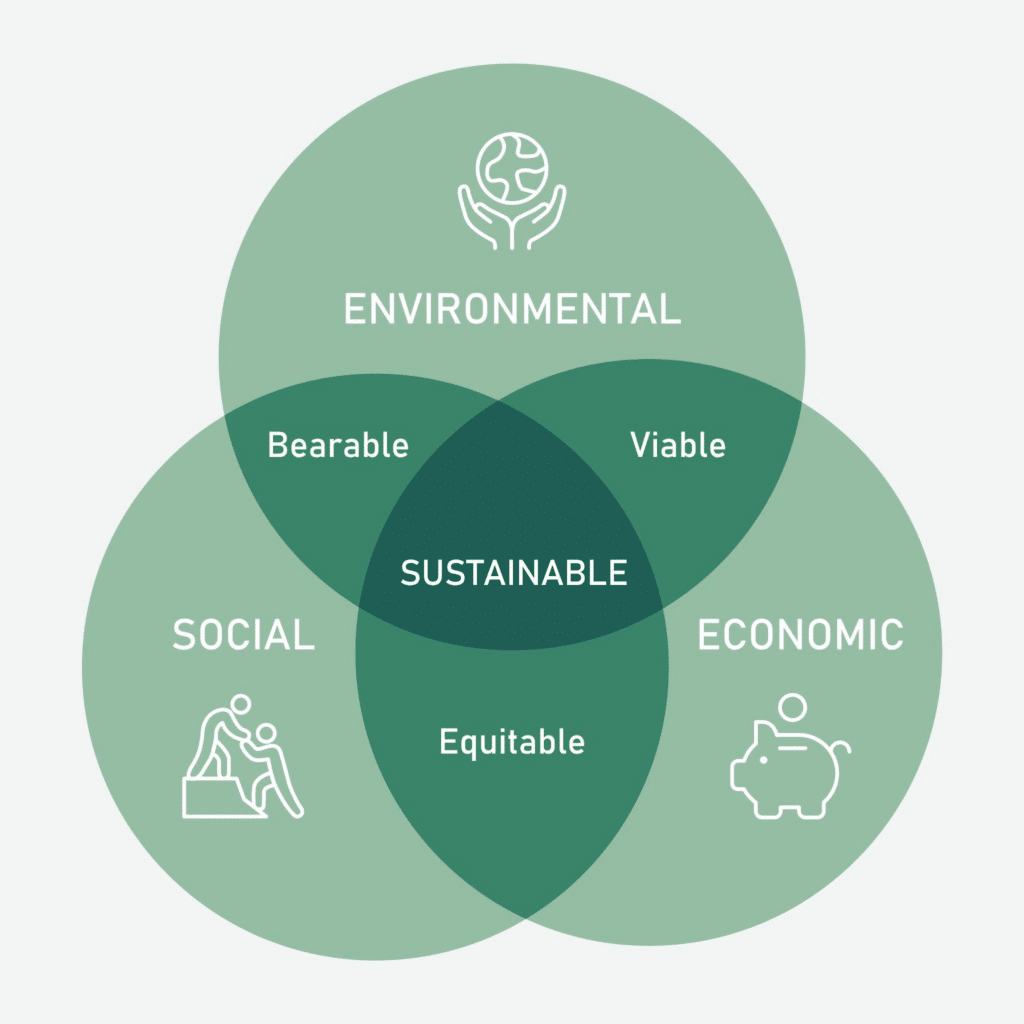
Sustainability involves meeting the needs of the present without compromising the ability of future generations to meet their own needs. It is a holistic approach that considers environmental, social, and economic dimensions.

  • Environmental Sustainability: Protecting natural resources, reducing waste, and minimizing pollution to preserve ecosystems and biodiversity.
  • Social Sustainability: Ensuring equitable access to resources, education, healthcare, and opportunities for all individuals.
  • Economic Sustainability: Promoting responsible economic growth that does not deplete natural resources or harm the environment.

Section 3: Challenges to Sustainability

Achieving sustainability faces several challenges, including overconsumption, population growth, and inadequate policies. Understanding these challenges is crucial for developing effective solutions.

  • Overconsumption: The overuse of natural resources leads to depletion and environmental degradation. Sustainable consumption practices and reducing waste are vital steps.
  • Population Growth: An increasing global population puts pressure on natural resources and ecosystems. Strategies for sustainable population management and resource allocation are essential.
  • Policy and Governance: Lack of stringent environmental policies and enforcement mechanisms hinders progress towards sustainability. Effective governance and international cooperation are necessary to address these issues.

Section 4: Innovative Solutions for a Sustainable Future

Innovative solutions and practices can help mitigate environmental challenges and promote sustainability. Here are some key areas of focus:

  • Renewable Energy: Transitioning to renewable energy sources like solar, wind, and hydropower reduces dependence on fossil fuels and lowers greenhouse gas emissions. Investments in renewable energy technologies are growing, contributing to a more sustainable energy future.
  • Sustainable Agriculture: Practices such as organic farming, agroforestry, and precision agriculture enhance food security while protecting the environment. These methods reduce chemical use, conserve water, and maintain soil health.
  • Circular Economy: This economic model aims to eliminate waste by reusing, recycling, and regenerating products and materials. It promotes sustainable production and consumption patterns, reducing the environmental footprint.
  • Conservation Efforts: Protecting and restoring ecosystems, conserving wildlife, and maintaining biodiversity are critical for environmental sustainability. Conservation programs and protected areas play a significant role in preserving natural habitats.

Section 5: The Role of Individuals and Communities

Individual and community actions play a vital role in promoting sustainability. Small, everyday choices can collectively have a significant impact on the environment.

  • Reducing Carbon Footprint: Adopting energy-efficient practices, using public transportation, and supporting clean energy initiatives help reduce greenhouse gas emissions.
  • Waste Reduction: Minimizing waste through recycling, composting, and choosing reusable products contributes to a cleaner environment.
  • Supporting Sustainable Brands: Purchasing from companies that prioritize sustainability and ethical practices encourages responsible business behavior.

Conclusion

Sustainability is a shared responsibility that requires collective action from individuals, communities, governments, and businesses. By understanding the challenges and embracing innovative solutions, we can create a sustainable future that ensures the well-being of both the planet and its inhabitants. The time to act is now, for the sake of our present and future generations.

Embracing Sustainability: Small Habits for a Greener Future

In today’s rapidly changing world, adopting sustainable habits is more crucial than ever. Sustainability isn’t just about big changes; it’s about the small, everyday choices we make that collectively have a significant impact on our planet. Here are some practical tips to help you incorporate sustainable habits into your daily life.

1. Mindful Consumption

One of the simplest ways to adopt a sustainable lifestyle is by being mindful of what you consume. This means making intentional choices about the products you buy and use.

  • Choose Eco-friendly Products: Opt for products made from sustainable materials and with minimal packaging. Look for certifications like Fair Trade, organic, or those indicating recycled content.
  • Buy Less, Choose Well: Embrace the mantra of buying fewer, high-quality items that last longer. This reduces waste and the demand for fast fashion and disposable goods.

2. Reduce, Reuse, Recycle

The classic trio of sustainability still holds strong. Reducing waste, reusing items, and recycling whenever possible are fundamental to sustainable living.

  • Reduce Waste: Be conscious of the waste you produce. Avoid single-use plastics, opt for reusable bags, bottles, and containers, and buy in bulk to reduce packaging waste.
  • Reuse Items: Before throwing things away, consider if they can be repurposed. Old jars can become storage containers, and worn-out clothes can be transformed into cleaning rags.
  • Recycle Correctly: Ensure you understand the recycling guidelines in your area and sort your waste accordingly. Recycling helps conserve resources and reduces landfill waste.

3. Sustainable Eating

Our food choices have a significant impact on the environment. By making mindful decisions about what we eat, we can reduce our ecological footprint.

  • Eat Plant-based Meals: Incorporating more plant-based meals into your diet reduces the demand for meat and dairy, which are resource-intensive to produce.
  • Support Local Farmers: Buy locally grown produce to support local economies and reduce the carbon footprint associated with transporting food over long distances.
  • Reduce Food Waste: Plan your meals, store food properly, and get creative with leftovers to minimize food waste.

4. Energy Conservation

Reducing energy consumption at home is an effective way to lower your carbon footprint and save on utility bills.

  • Switch to LED Bulbs: LED bulbs are more energy-efficient and last longer than traditional incandescent bulbs.
  • Unplug Devices: Unplug electronics when not in use to avoid “phantom” energy consumption.
  • Use Energy-efficient Appliances: Invest in appliances that are Energy Star rated or have high energy efficiency ratings.

5. Sustainable Transportation

The way we move around has a significant impact on the environment. Adopting more sustainable modes of transportation can reduce your carbon footprint.

  • Walk or Bike: For short distances, consider walking or biking instead of driving. It’s good for the environment and your health.
  • Use Public Transport: Opt for public transportation whenever possible to reduce traffic congestion and pollution.
  • Carpool: Share rides with friends, family, or colleagues to reduce the number of vehicles on the road.

6. Mindful Water Use

Water is a precious resource, and conserving it is essential for sustainability.

  • Fix Leaks: Repair leaking faucets and pipes promptly to prevent water wastage.
  • Install Water-efficient Fixtures: Use low-flow showerheads and faucets to reduce water usage without sacrificing performance.
  • Collect Rainwater: If possible, collect rainwater for gardening and other non-potable uses.

Conclusion

Adopting sustainable habits doesn’t have to be overwhelming. By making small, intentional changes in our daily lives, we can collectively make a significant positive impact on the environment. Remember, every little bit helps, and together, we can create a greener, more sustainable future for generations to come.